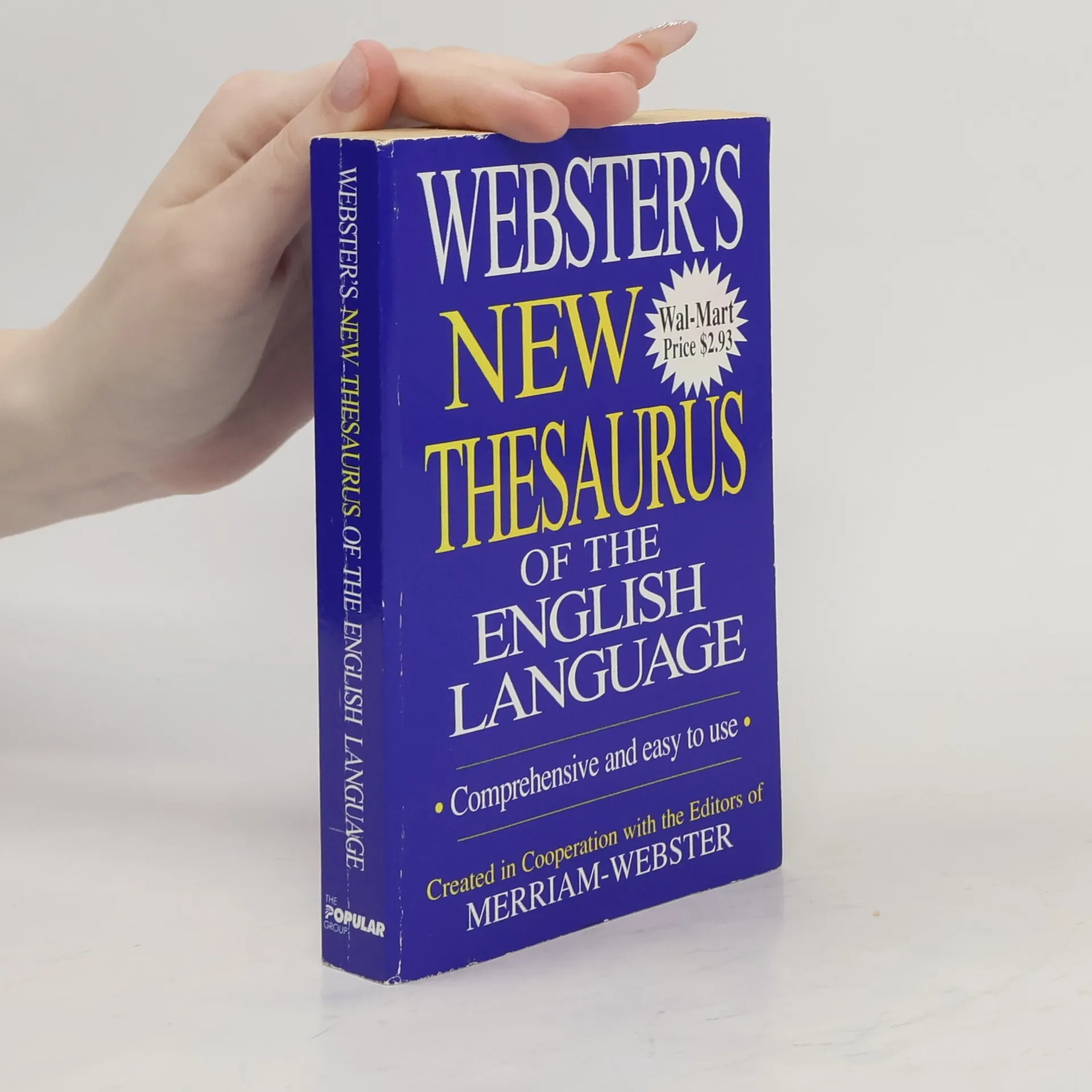
In 2026, the primary challenge facing the thesaurus is the tension between rapid linguistic evolution and the need for contextual precision. Traditional synonym lists often fail to capture the nuanced "vibe," social connotations, and technical shifts of modern English, leading to misuse by users and over-reliance on AI-driven writing tools.
For centuries, the thesaurus served as a stable pillar of literacy, a curated repository of the English language's vast expressive potential. However, as we navigate 2026, the landscape of human communication has shifted fundamentally. The rise of hyper-localized internet dialects, the dominance of Large Language Models (LLMs), and the accelerating pace of semantic drift have placed unprecedented pressure on the traditional concept of a synonym. The challenge is no longer just finding a "different" word, but finding the "right" word within a specific, often ephemeral, cultural context.
The Crisis of Context: Why Synonyms Are Not Substitutes
The most significant hurdle for any modern thesaurus is the "context gap." In classical lexicography, words like happy, joyful, and content are grouped together. While they share a denotative core, their emotional and social weight in 2026 varies wildly. The modern user often suffers from "thesaurus syndrome"—the tendency to replace a simple, effective word with a complex one that carries unintended connotations.
The Problem of Semantic Overlap
A thesaurus traditionally operates on the principle of semantic equivalence. However, linguists have long argued that true synonyms—words that are interchangeable in all contexts—are extremely rare. In professional environments, using interrogate instead of question can change a neutral inquiry into a hostile accusation. In 2026, where digital communication lacks the cues of body language and tone of voice, the precision of word choice is more critical than ever. A thesaurus that fails to explain these subtle distinctions becomes a liability rather than an asset.
The Nuance of Tone and Register
The "register" of a word—its level of formality—is another area where traditional thesauruses struggle. A word may be technically synonymous but socially jarring. For instance, using salutations instead of hello in a Slack message or a Discord thread feels performative or sarcastic. Modern digital thesauruses are beginning to integrate "tone tags" or sentiment analysis, but the nuance of human irony and subtext remains difficult to categorize in a static database.
The Velocity of Change: Neologisms and Semantic Drift
In 2026, the English language evolves at a speed that traditional publishing cycles cannot match. The internet has created a "global village" effect where slang, technical jargon, and "memetic" language appear and disappear within months.
The Lifecycle of Modern Slang
Consider how terms related to technology or social media enter the lexicon. A thesaurus curated in 2024 might not fully grasp the 2026 usage of terms like "algospeak" or the specific nuances of "generative" vs. "procedural" in common parlance. When language moves this fast, a static thesaurus quickly becomes a historical artifact rather than a functional tool. Digital platforms like Merriam-Webster have moved to continuous update models to combat this, but the sheer volume of new entries creates a curation bottleneck.
Semantic Drift and "Word Rot"
Semantic drift—the process by which words change their meaning over time—has accelerated. The word literally, for instance, has effectively gained a second, opposite meaning as an intensifier. In 2026, we see similar shifts in words related to social justice, corporate culture, and digital identity. A thesaurus that suggests disinterested as a synonym for uninterested might be technically following a historical trend, but it risks confusing a user who needs to distinguish between "impartial" and "bored."
Artificial Intelligence and the Automation of Vocabulary
The integration of AI into every writing surface (from emails to creative suites) has fundamentally changed how people interact with the thesaurus. In 2026, most people do not "look up" a word; they ask an AI to "make this sound more professional" or "rewrite this with more energy."
The Flattening of Voice
While AI tools have massive internal "thesaurus" capabilities, they often contribute to a "flattening" of prose. Because these models are trained on average patterns, they tend to suggest the most statistically likely synonyms. This creates a feedback loop where diverse, "spiky" vocabulary is smoothed out in favor of corporate-safe, mid-level English. The challenge for the modern thesaurus is to provide options that encourage original voice rather than conforming to an algorithmic mean.
Hallucinated Contexts
AI-driven thesauruses often "hallucinate" the appropriateness of a synonym. Because they operate on probability rather than lived experience, they may suggest a word that is technically related but culturally tone-deaf. For example, an AI might suggest eccentric as a synonym for unconventional in a medical report, failing to realize the judgmental weight that eccentric carries in a clinical setting.
The Inclusion Gap: Modernizing Sensitivity and Cultural Nuance
Modern language is increasingly sensitive to issues of identity, power, and history. A thesaurus compiled thirty years ago contains entries that are now considered dated, offensive, or inaccurate.
Updating Outdated Lexicons
The challenge of "de-biasing" a thesaurus is immense. Many synonyms for terms related to gender, race, and disability carry baggage from the era in which they were first cataloged. In 2026, lexicographers are tasked with the delicate work of flagging terms as "offensive," "archaic," or "disparaging." This isn't just about political correctness; it's about linguistic accuracy. Using an outdated term doesn't just risk offense; it signals that the writer is out of touch with modern reality.
Cultural Appropriation and Loanwords
As English continues to absorb loanwords from other cultures, the thesaurus must decide how to categorize these terms. Are they synonyms for existing English words, or do they represent unique concepts that cannot be translated? The challenge lies in respecting the source culture while providing utility to the English speaker.
Technical Requirements for a Modern Thesaurus
To remain relevant in 2026, a thesaurus must meet a specific set of technical and functional criteria. It is no longer enough to be a list of words; it must be a dynamic, data-driven engine.
| Feature | Traditional Thesaurus (Pre-2020) | Modern Digital Thesaurus (2026) |
|---|---|---|
| Update Frequency | Every 5–10 years (Print) | Real-time or Weekly (Cloud) |
| Search Method | Alphabetical Index | Semantic Search / AI-Prompting |
| Contextual Advice | Minimal / Example Sentences | Sentiment Analysis / Tone Tagging |
| Dialect Support | Standard English Only | Support for AAVE, Regional UK, etc. |
| Integration | Standalone Book/App | API-integrated into Word Processors |
| Visual Aids | None | Word Clouds / Relationship Maps |
Practical Strategies for Vocabulary Selection in 2026
Given these challenges, users must approach the thesaurus with a higher degree of critical thinking. A word is not a puzzle piece that fits perfectly into any hole; it is a tool with a specific weight and edge.
1. Verify the "Collocation"
Before selecting a synonym, check its collocations—the words that typically appear next to it. For example, you "commit" a crime but you "perpetrate" a fraud. Even though commit and perpetrate are synonyms, they are not always interchangeable in natural-sounding English. Tools like the Corpus of Contemporary American English (COCA) allow users to see how words are actually used in the wild.
2. The "Simple Word" Rule
In 2026, clarity is the ultimate currency. If a thesaurus suggests a four-syllable word to replace a one-syllable word, ask yourself if the change adds precision or just "clutter." Professional writing in 2026 favors directness. If the word use works, do not use utilize unless you are referring specifically to the strategic deployment of a resource.
3. Consider the Audience
A thesaurus cannot tell you who your reader is. A synonym that works for an academic journal will fail in a blog post. Always filter thesaurus suggestions through the lens of your audience's expectations and reading level.
The Future of the Thesaurus: From List to Map
The thesaurus of the late 2020s is evolving from a simple list into a multidimensional map of human thought. We are seeing the rise of "Visual Thesauruses" that show the distance between words, helping users visualize how a shift from angry to livid moves them further away from annoyed.
Furthermore, the integration of "usage frequency" data helps writers avoid "extinct" words. If a synonym hasn't been used significantly in literature or journalism since 1950, a modern thesaurus should flag it. This prevents the "academic ghosting" effect where student essays are filled with words that no living person actually uses.
FAQs about Modern Thesaurus Usage
Why does my AI writing assistant keep suggesting the same synonyms?
AI models are trained on massive datasets and tend to prioritize "high-probability" words. This results in repetitive suggestions (like using delve or comprehensive constantly). To break this cycle, you must manually intervene and look for "low-probability" but high-precision words in a dedicated, curated thesaurus like Oxford Languages.
Are physical thesauruses still useful in 2026?
Yes, but for a different reason than in the past. Physical thesauruses, particularly Roget’s original thematic versions, are excellent for "serendipitous discovery." They allow you to browse concepts rather than just searching for a specific word, which can spark more creative thinking than a digital search bar.
How do I know if a synonym is "offensive" or "dated"?
Look for "usage notes" or "labels" in modern digital dictionaries and thesauruses. In 2026, reputable sources like Dictionary.com have significantly expanded their labels to include "socially sensitive" or "problematic" tags to guide users away from unintentionally harmful language.
Can a thesaurus help with SEO?
Indirectly, yes. Using a variety of semantically related keywords (LSI or Latent Semantic Indexing) can help search engines understand the depth of your content. However, "keyword stuffing" with synonyms is a penalized practice. Use the thesaurus to improve readability and topical authority, not to trick algorithms.
What is the difference between a dictionary and a thesaurus?
A dictionary provides the definition, origin, and pronunciation of a word (the "what"). A thesaurus provides related words and concepts (the "what else"). In 2026, the lines are blurring, as many digital dictionaries now include robust synonym and antonym sections within the same interface.
Moving Forward with Linguistic Precision
The challenges facing the thesaurus in 2026 reflect the broader challenges of our era: the struggle for clarity in a world of information overload, the tension between human creativity and machine automation, and the need for inclusive communication.
To use a thesaurus effectively today, one must be more than a passive recipient of word lists. You must be a curator of context. Use the thesaurus to expand your horizons, but use your own judgment to ensure that the words you choose actually bridge the gap between your thoughts and your reader’s understanding. The goal is not to sound "smarter," but to be more clearly understood.
Image Gallery
Select an image to open it in a new tab.



Ingrid Bjornson
Global Cyber Policy and Regulation Analyst
