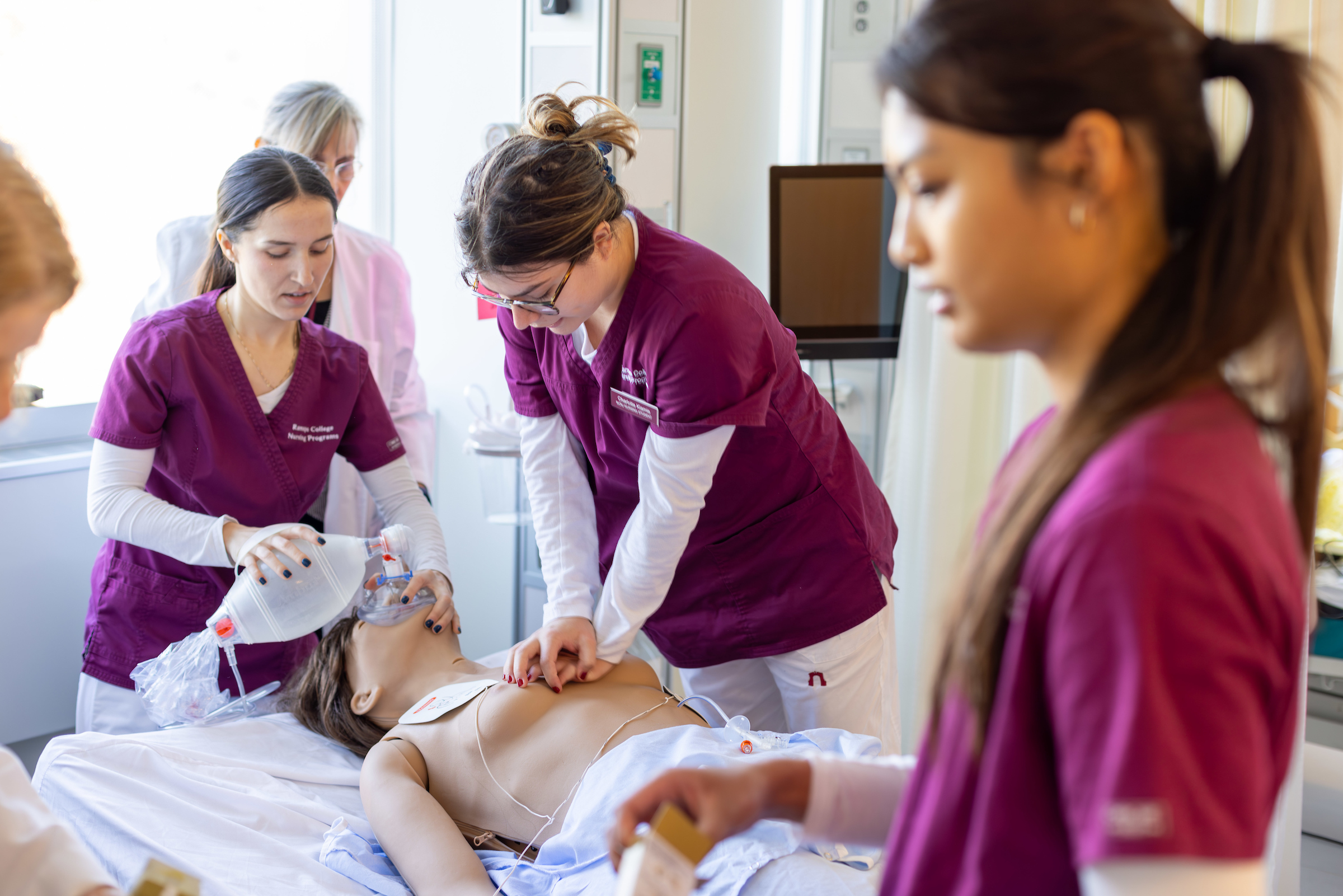
An accelerated nursing degree program serves as a fast-track option for individuals who already hold a bachelor’s degree in another field and wish to transition into nursing. By leveraging prior academic credits, these programs—often referred to as Accelerated Bachelor of Science in Nursing (ABSN) degrees—condense traditional four-year nursing curricula into an intensive 12- to 24-month period, facilitating a faster entry into the clinical workforce.
Understanding the Accelerated Nursing Model
The structure of an accelerated nursing degree program is predicated on the recognition that students entering these tracks already possess a foundation of general education credits. Because these individuals have previously completed courses in areas such as psychology, statistics, and humanities, the curriculum bypasses redundant coursework to focus exclusively on core nursing competencies.
These programs are designed for high-achieving, disciplined students who can manage a full-time academic load that often exceeds the pace of a standard undergraduate degree. The "fast track" designation is not a reflection of diminished rigor; rather, it indicates an increased frequency of clinical hours and credit requirements per semester. Students are expected to demonstrate high levels of time management and clinical competency from the start, as the condensed timeline allows for very little margin for remedial work.
Eligibility and Prerequisite Requirements
Admission to an accelerated nursing program is highly competitive. Unlike traditional nursing programs that may admit students directly from high school, the ABSN track mandates that applicants hold a baccalaureate degree in a non-nursing discipline from an accredited institution.
Beyond the degree requirement, most institutions require the completion of specific science and foundational prerequisites. These typically include:
- Anatomy and Physiology I and II (with labs)
- Microbiology
- Chemistry (often organic or general, depending on the school)
- Nutrition
- Lifespan Development Psychology
- Statistics
Applicants must often meet a minimum cumulative GPA, frequently 3.0 or higher, with even higher grade requirements for science prerequisites. Because these courses provide the necessary scientific grounding for pharmacology and pathophysiology, institutions are rigid regarding their age; some programs will not accept prerequisites completed more than five to seven years prior to the application date.
Comparing Traditional BSN vs. Accelerated BSN
The primary distinction between a traditional BSN and an accelerated version lies in the distribution of credits and the timeline for completion. While both pathways lead to the same licensure eligibility—taking the NCLEX-RN—the daily experience of the student differs significantly.
| Feature | Traditional BSN | Accelerated BSN (ABSN) |
|---|---|---|
| Duration | 3 to 4 years | 12 to 24 months |
| Prerequisites | Included in program | Must be completed prior |
| Course Load | Standard semester pace | Intensive, year-round |
| Clinical Hours | Scheduled during semesters | Often overlapping/compressed |
| Target Audience | First-degree students | Career changers |
The traditional BSN allows for summers off and a broader distribution of the nursing curriculum, which some students prefer for the opportunity to work part-time or participate in campus organizations. The accelerated track is designed for "career switchers" who need to earn their credentials quickly to minimize the period of unemployment or reduced income.
The Financial and Professional Commitment
The cost of an accelerated nursing degree program can be substantial. Because these programs are often intensive and full-time, the university typically expects students to dedicate their entire schedule to clinicals, labs, and lecture hours. Consequently, most nursing schools strongly discourage or explicitly forbid outside employment while enrolled in an ABSN track.
Prospective students should conduct a thorough cost-benefit analysis before enrolling. This includes calculating tuition, associated laboratory fees, health insurance, and the opportunity cost of living expenses during the program's duration. Financial aid options, such as federal student loans, are generally available, but institutional scholarships for second-degree students may be more limited compared to those for first-time undergraduates.
Navigating the Clinical Experience
Clinical rotations are the cornerstone of any nursing education, and the accelerated program does not compromise on these requirements. Students in an accelerated track must meet the same state-mandated clinical hour requirements as traditional nursing students. The "fast track" nature means these hours are often concentrated into shorter periods, sometimes involving evening, weekend, or holiday shifts to ensure students gain exposure to various healthcare environments, such as medical-surgical units, pediatrics, and intensive care.
This model prepares students for the realities of the nursing profession, which operates 24/7. Developing resilience and the ability to adapt to varying clinical schedules is part of the professional development inherent in the accelerated model.
Key Considerations for Success
Success in an accelerated nursing degree program requires more than just academic ability. It requires a logistical plan.
- Academic Readiness: Review foundational science knowledge before the program begins. The rapid pace of an accelerated program means that faculty move quickly through complex material; entering the program with a strong grasp of basic biology and chemistry is a significant advantage.
- Clinical Logistics: Students should be prepared for the commute to various clinical sites. Clinical placements are often assigned by the program and may require travel to different regional hospitals or specialized clinics.
- Verification of Licensure Requirements: Ensure the chosen program is accredited by the Commission on Collegiate Nursing Education (CCNE) or the Accreditation Commission for Education in Nursing (ACEN). Graduation from an accredited program is a prerequisite for taking the National Council Licensure Examination (NCLEX-RN) in all 50 U.S. states.
- Mental Health and Well-being: The intensity of the program can lead to burnout. Establishing a support system and adhering to a structured schedule that includes rest is essential for long-term success.
Frequently Asked Questions
Can I work while enrolled in an accelerated nursing program? While some students attempt to work part-time, most programs discourage it. The intensity of the coursework and the unpredictable nature of clinical schedules make it extremely difficult to maintain steady employment without compromising academic performance or clinical attendance.
What is the difference between an Accelerated BSN and a Direct Entry MSN? An Accelerated BSN is an undergraduate degree, while a Direct Entry Master of Science in Nursing (MSN) allows individuals with a non-nursing bachelor's degree to earn a master's degree. Both programs transition students into nursing, but the Direct Entry MSN provides a graduate-level education, which may be more suitable for those interested in leadership, education, or advanced practice roles later in their careers.
Is it harder to find a job with an accelerated degree? No. Employers typically do not distinguish between traditional and accelerated graduates. Both graduates are eligible to sit for the same licensure exam. Once an individual holds an active RN license, the method by which they earned their degree is secondary to their clinical skills and professional certification.
What happens if I fail a course in an accelerated program? Because the curriculum is so condensed, failing a single course can disrupt the entire sequence and potentially lead to dismissal from the program. Most programs have strict progression policies, and there is often little flexibility to repeat a failed course while remaining on the original graduation track.
Are online accelerated nursing degrees available? Some programs offer hybrid models, where lectures are delivered online and clinicals are performed in person at local facilities. However, clinical nursing cannot be taught entirely online. Prospective students should verify that the program has established clinical site partnerships in their geographic area.
Final Recommendation
The accelerated nursing degree program is an excellent choice for motivated individuals committed to a career change. To maximize your chances of success, prioritize choosing a fully accredited program that offers strong clinical partnerships. Before applying, ensure all prerequisite science courses are completed with high grades and consult with an academic advisor regarding the program's specific time commitment policies. Your focus should remain on passing the NCLEX-RN and entering the workforce as a competent, safe, and prepared healthcare professional.
Image Gallery
Select an image to open it in a new tab.




Lars Thomsen
Global Labor Markets and Economic Strategy Editor
