
Symptoms of the Coxsackie B virus typically signal the body’s inflammatory response to a systemic enteroviral infection. While often presenting as a common cold, these symptoms "really mean" the virus is targeting specific tissues—primarily the heart, pancreas, or pleura. Identifying chest pain, severe abdominal spasms, or extreme fatigue is critical, as these indicate potential complications like myocarditis or pleurodynia.
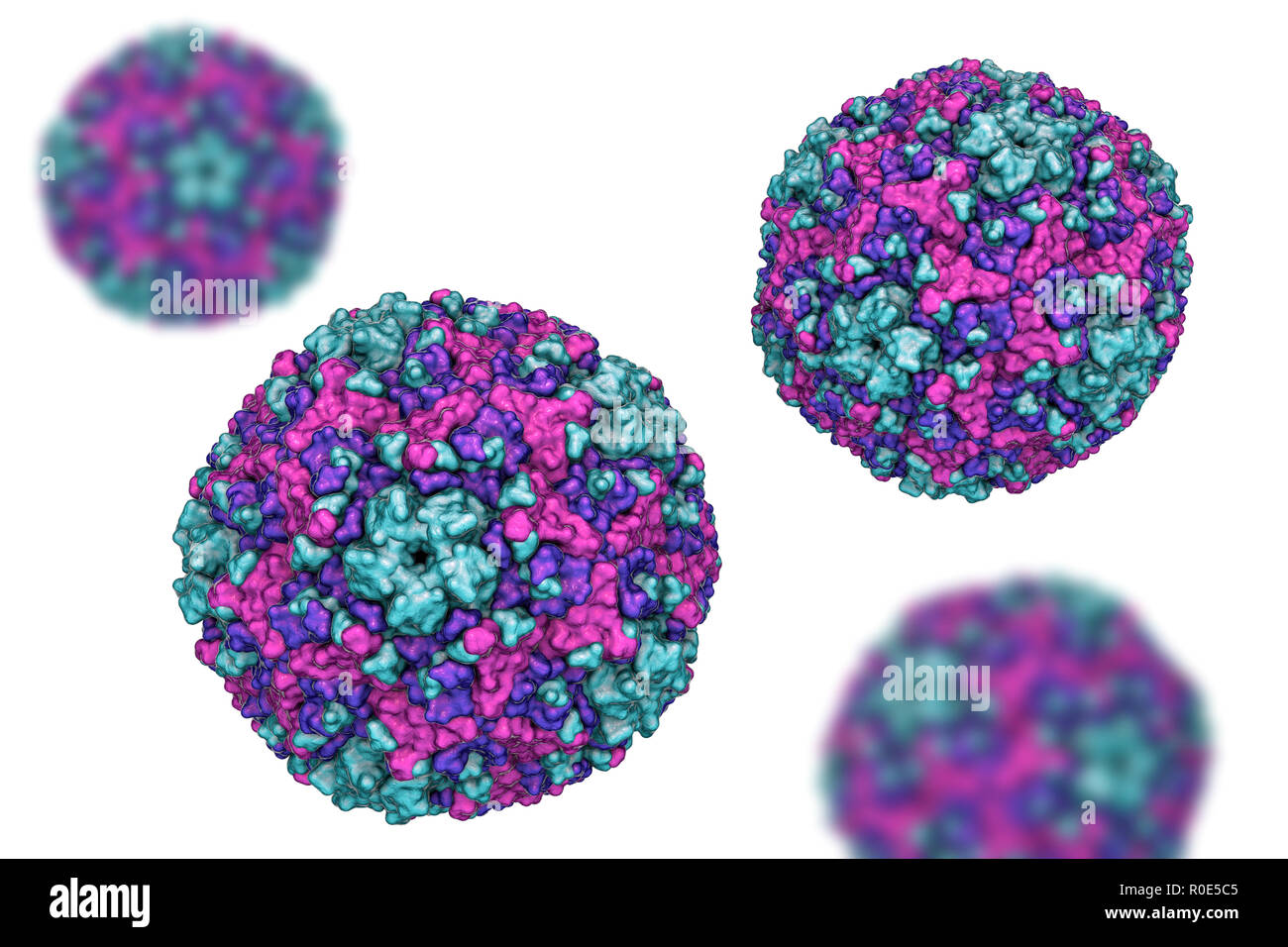
The Coxsackie B virus (CVB) belongs to the Enterovirus genus within the Picornaviridae family. While its cousin, Coxsackie A, is famously associated with Hand, Foot, and Mouth Disease, the B-group viruses are known for their "tissue tropism"—a biological preference for infecting the internal organs rather than just the skin and mucous membranes. In the 2026 clinical environment, healthcare providers emphasize that understanding these symptoms is not merely about diagnosis, but about risk stratification for long-term organ health.
The Biological Reality Behind the Initial "Flu-Like" Symptoms
When a person first contracts Coxsackie B, usually through the fecal-oral route or respiratory droplets, the virus replicates in the lymphoid tissues of the throat and the small intestine. This initial stage often manifests as a high fever, sore throat, and malaise. However, what these symptoms really mean is that the virus has entered the primary viremia stage—it is circulating in the bloodstream, searching for specific cellular gateways.
The virus utilizes a specific protein called the Coxsackievirus and Adenovirus Receptor (CAR) to enter human cells. Because CAR is found in high concentrations in the heart muscle (myocardium), the lining of the lungs (pleura), and the pancreas, the initial "flu" is actually the precursor to organ-specific invasion. If the immune system does not neutralize the virus during this primary phase, the symptoms shift from general discomfort to localized inflammatory responses that can have serious implications.
Interpreting Chest Pain and Shortness of Breath: The Cardiac Connection
Perhaps the most significant "meaning" behind Coxsackie B symptoms involves the cardiovascular system. When an individual experiences sharp chest pain, heart palpitations, or unexplained shortness of breath (dyspnea) following a viral illness, it often indicates viral myocarditis or pericarditis.
Myocarditis (Inflammation of the Heart Muscle)
In the context of Coxsackie B, chest pain means the virus has successfully breached the myocardial cells. Once inside, the virus produces a protease called 2A, which cleaves a protein called dystrophin in the heart cells. Dystrophin is essential for maintaining the structural integrity of the heart. When this is disrupted, the heart muscle weakens, leading to:
- Reduced Ejection Fraction: The heart cannot pump blood efficiently.
- Arrhythmias: Electrical signals are disrupted by inflamed tissue.
- Long-term Dilated Cardiomyopathy: In some cases, the "meaning" of these symptoms is a permanent remodeling of the heart structure.
Pericarditis (Inflammation of the Heart Lining)
If the pain is sharp and worsens when lying down but improves when leaning forward, it likely means the virus has infected the pericardium, the sac surrounding the heart. This inflammation causes the layers of the pericardium to rub against each other, signaling a localized immune battle that requires immediate medical monitoring to prevent fluid buildup (pericardial effusion).
Understanding Sharp Rib and Abdominal Pain: Bornholm Disease
One of the most distinct clinical presentations of Coxsackie B is epidemic pleurodynia, historically known as Bornholm disease. If a patient experiences sudden, paroxysmal (spasmodic) pain in the lower chest or upper abdomen, the symptoms mean the virus is causing intense inflammation in the intercostal muscles or the pleural lining of the lungs.
These "devil's grip" spasms are often so severe that they are mistaken for a heart attack or a surgical emergency like appendicitis. In 2026, diagnostic imaging usually confirms that there is no structural blockage; rather, the pain signifies the recruitment of white blood cells to the pleura to combat viral replication. The "meaning" here is fortunately often benign in the long term, but the acute phase can cause significant respiratory distress as the patient avoids deep breaths to minimize pain.
The Pancreatic Implication: Beyond Digestive Distress
Research throughout the early 2020s and into 2026 has increasingly focused on the link between Coxsackie B and the pancreas. When symptoms include severe nausea, upper abdominal pain radiating to the back, or sudden changes in blood sugar regulation, it suggests the virus has targeted the Islets of Langerhans.
The "meaning" of these symptoms can be two-fold:
- Acute Pancreatitis: A direct inflammatory attack on the organ responsible for digestive enzymes.
- Triggering Autoimmunity: There is a strong scientific hypothesis that Coxsackie B infections may act as an environmental trigger for Type 1 Diabetes in genetically susceptible individuals. In this context, the symptoms represent the immune system's failure to distinguish between the virus and the insulin-producing beta cells of the pancreas.
Systemic and Neurological Indicators
While rarer than cardiac or respiratory symptoms, Coxsackie B can cross the blood-brain barrier. If a patient develops a stiff neck, sensitivity to light (photophobia), and a severe headache, these symptoms mean the virus has caused aseptic meningitis.
Unlike bacterial meningitis, viral meningitis from Coxsackie B is usually not fatal, but it indicates a high viral load that has successfully navigated past the body's primary defenses. In neonates (newborns), these symptoms are particularly critical. In the first few weeks of life, a Coxsackie B infection can lead to a "sepsis-like" syndrome, meaning the virus is causing multi-organ failure. This is why fever in a newborn is always treated as a high-priority clinical event.
Comparison of Symptom Severity and Clinical Significance
The following table categorizes symptoms based on what they indicate regarding the progression of the Coxsackie B virus.
| Symptom Category | Specific Symptoms | Clinical Meaning / Implication | Severity Level |
|---|---|---|---|
| Prodromal | Fever, sore throat, fatigue | Primary viremia; virus is circulating in the blood. | Low to Moderate |
| Cardiac | Chest pain, palpitations, dyspnea | Myocarditis or Pericarditis; risk of heart failure. | High (Critical) |
| Respiratory | Sharp rib pain, painful breathing | Pleurodynia (Bornholm Disease); pleural inflammation. | Moderate |
| Digestive | Abdominal pain, vomiting, jaundice | Pancreatitis or Hepatitis; organ-specific inflammation. | Moderate to High |
| Neurological | Stiff neck, photophobia, headache | Aseptic Meningitis; CNS involvement. | High |
| Neonatal | Lethargy, poor feeding, cyanosis | Disseminated disease; potential multi-organ failure. | Emergency |
Diagnostic Pathways in 2026
When these symptoms appear, the "meaning" is confirmed through specific diagnostic layers. In 2026, the gold standard for identification is Reverse Transcription Polymerase Chain Reaction (RT-PCR). This test detects the actual viral RNA in blood, stool, or cerebrospinal fluid.
However, a positive PCR test only tells us the virus is present. To understand what the symptoms really mean for an individual's health, doctors often employ:
- Cardiac Enzymes (Troponin): Elevated levels mean heart muscle cells are currently dying or damaged.
- Echocardiogram: This visualizes whether the symptoms have translated into physical changes in heart function.
- Serum Amylase/Lipase: These markers confirm if abdominal pain translates to pancreatic damage.
Treatment and Management Realities
As of 2026, there is no widely available "cure" or specific antiviral medication that targets Coxsackie B directly for all patients. Therefore, the management of symptoms focuses on supporting the body's immune system and preventing secondary damage.
- Activity Restriction: If symptoms indicate myocarditis, the most important "treatment" is rest. Physical exertion while the heart muscle is inflamed can exacerbate the damage and lead to sudden cardiac events.
- Anti-inflammatory Management: Nonsteroidal anti-inflammatory drugs (NSAIDs) are used carefully, though in some cases of myocarditis, their use is debated and must be managed by a cardiologist.
- Hydration and Nutrition: For gastrointestinal or pleurodynia presentations, maintaining fluid balance is essential to prevent the thickening of mucus and further irritation of inflamed membranes.
- Immunoglobulin Therapy: In severe neonatal cases or life-threatening myocarditis, intravenous immunoglobulin (IVIG) may be used to provide the body with external antibodies to help neutralize the virus.
Frequently Asked Questions
How long do Coxsackie B symptoms usually last?
In most healthy adults, the acute symptoms of Coxsackie B—such as fever and malaise—resolve within 7 to 10 days. However, the "meaning" of persistent fatigue or chest pain can extend much longer. If the virus has caused myocarditis, recovery may take weeks or months, and cardiac function may need to be monitored for up to a year to ensure no permanent damage occurred.
Can Coxsackie B symptoms return after a person has recovered?
While the virus itself is cleared by the immune system, the inflammatory damage it leaves behind can cause recurring symptoms. For example, some individuals experience "recurrent pericarditis," where the lining of the heart becomes inflamed again months after the initial infection. This usually means the immune system has developed a hypersensitivity in that area, rather than a reinfection of the virus.
Is Coxsackie B contagious even if I only have mild symptoms?
Yes. The virus is shed in respiratory secretions for several days and can be found in the stool for several weeks after symptoms have subsided. The mildness of your symptoms does not correlate with how the virus might affect someone else; a mild cold for you could mean a severe cardiac event for a vulnerable individual.
What is the difference between Coxsackie A and B symptoms?
Coxsackie A symptoms are typically external, involving the skin and mucous membranes (rashes, blisters, and herpangina). Coxsackie B symptoms are typically internal, involving the muscles and organs (chest pain, abdominal spasms, and organ inflammation). While there is some overlap, Coxsackie B is generally considered the more serious of the two due to its affinity for the heart and lungs.
Are there any long-term effects of a Coxsackie B infection?
The majority of people recover fully. However, for a small percentage, the "meaning" of their symptoms is the start of a chronic condition. This can include dilated cardiomyopathy (heart failure), Type 1 Diabetes, or chronic fatigue syndrome. Regular follow-ups are essential if organ-specific symptoms were present during the acute phase.
Practical Recommendations for Recovery
If you suspect your symptoms are related to Coxsackie B, the first step is to categorize them. If your symptoms are limited to a sore throat and fever, home care with rest and hydration is generally sufficient. However, if you experience any level of chest pain, shortness of breath, or severe abdominal spasms, you should seek a medical evaluation immediately.
In the 2026 clinical landscape, "watchful waiting" has been replaced by "proactive monitoring" for enteroviral infections. Requesting a basic ECG or a blood panel to check for cardiac enzymes can provide peace of mind and ensure that a common viral infection does not turn into a lifelong health challenge. Avoid heavy exercise until at least two weeks after all symptoms have cleared, as this protects the heart muscle during the critical recovery window.
Image Gallery
Select an image to open it in a new tab.
Lars Thomsen
Global Labor Markets and Economic Strategy Editor
