
Workers’ compensation insurance is a mandatory form of business insurance designed to provide medical benefits, wage replacement, and death benefits to employees who suffer work-related injuries or illnesses. Understanding your options involves navigating state-specific regulatory requirements, choosing the right underwriting structure, and evaluating coverage providers—ranging from state-run funds to commercial carriers and self-insurance programs—to ensure legal compliance and financial protection for your enterprise.
The Legal Framework and Mandatory Nature of Coverage
In the United States, workers’ compensation is largely governed at the state level rather than the federal level. With the exception of Texas (where private employers can generally opt out under specific conditions, provided they comply with strict notice requirements), almost every state requires businesses with one or more employees to carry workers’ compensation insurance.
The primary intent of this system is to serve as a "grand bargain" between employers and employees. Employers accept liability for work-related injuries regardless of fault, and in exchange, employees waive their right to sue the employer for damages in civil court. Because this is a legal mandate, failure to secure appropriate coverage can result in significant penalties, including stop-work orders, criminal charges, and personal liability for medical bills and lost wages if an employee is injured on the job.
Evaluating Your Insurance Funding Options
When determining how to provide coverage, businesses typically encounter three primary pathways. The selection depends on the company's size, risk tolerance, and financial stability.
1. Private Commercial Insurance
Most small-to-mid-sized businesses purchase policies through licensed private insurance carriers. This is the most common method for businesses to transfer risk.
- The Process: You work with a licensed insurance agent or broker who shops your business profile to various carriers.
- Pricing: Premiums are calculated based on your industry’s classification codes (NCCI codes), your payroll, and your business’s "Experience Modifier" (a factor reflecting your historical safety record).
- Advantages: You receive additional services, such as loss control consulting, workplace safety training, and dedicated claims management teams.
2. State-Funded Insurance
In certain jurisdictions, the state acts as the insurer. These are often referred to as "monopolistic states," such as Ohio, Washington, and Wyoming, where employers are required to purchase coverage directly from the state-run agency rather than a private market. In "competitive state fund" jurisdictions, the state operates a fund that competes alongside private insurance carriers, providing a reliable safety net for high-risk businesses that might struggle to find coverage in the private market.
3. Self-Insurance and Group Self-Insurance
Large organizations with significant liquid assets and predictable claims histories may choose to self-insure. This involves setting aside a dedicated reserve of capital to pay for claims as they occur, rather than paying fixed premiums to an insurance company.
- Prerequisites: This requires state approval, which involves demonstrating financial strength and maintaining a security deposit or bond.
- Group Self-Insurance: Smaller businesses in the same industry may aggregate their risk to form a self-insured group. This allows them to lower their administrative costs and gain better control over the claims process, provided they share the financial risk of the collective.
Key Factors in Selecting a Provider
Selecting an insurance provider is not merely about finding the lowest premium. Because you are entering into a long-term relationship that involves your employees' well-being and your company's legal status, consider the following technical variables:
| Feature | Private Carrier | State-Run Fund | Self-Insurance |
|---|---|---|---|
| Risk Transfer | Full transfer to carrier | Full transfer to state | Retained by business |
| Cost Basis | Market-based/Competed | Legislative rates | Variable/Actual claims |
| Safety Services | Included/Value-add | Varies by state | Managed internally |
| Eligibility | Open market | Mandatory or open | Requires state approval |
The Role of Experience Modification (Ex-Mod)
Your insurance options are heavily influenced by your Experience Modifier. This is a statistical metric that compares your business's actual losses to the expected losses of other businesses in your same industry classification. An Ex-Mod of 1.0 is considered the industry average. If your Ex-Mod is below 1.0, you are considered a lower-risk business and will likely pay lower premiums. If it is above 1.0, your premiums will increase.
Businesses should proactively manage their Ex-Mod by implementing robust safety programs. Many insurers offer premium credits for businesses that can demonstrate a commitment to safety, such as documented training protocols, regular equipment maintenance, and an active return-to-work program.
Return-to-Work Programs: A Critical Strategy
One of the most effective ways to manage the financial impact of workers’ compensation is through a structured return-to-work program. When an employee is injured, the goal is to get them back to productive, albeit modified, duty as soon as a physician clears them for work.
By providing "light duty" tasks that accommodate an employee’s physical restrictions, you reduce the duration of indemnity (wage replacement) payments. This not only lowers your claim costs but also keeps the employee connected to the workplace, which statistics show leads to better long-term recovery and lower rates of claim litigation.
Common Mistakes to Avoid
- Misclassifying Employees: Attempting to label employees as independent contractors to avoid paying workers’ compensation premiums is a major source of litigation and government audits. If you exert control over how, when, and where a worker performs their duties, they are almost certainly an employee under the law.
- Ignoring Exclusions: Some policies exclude certain types of coverage or specific categories of employees. Always verify that your policy covers all locations and all classifications of workers employed by your firm.
- Failing to Report Promptly: Delays in reporting a workplace injury can trigger late-reporting penalties and make the claim harder to manage. Establish a clear internal workflow for incident documentation immediately.
- Inadequate Safety Audits: Relying solely on the insurance carrier to tell you how to be safe is a mistake. Integrate safety compliance into your company culture to prevent the injury from occurring in the first place.
Frequently Asked Questions
Does workers' compensation cover health insurance costs? No. Workers’ compensation only covers injuries and illnesses that arise directly out of and in the course of employment. It does not cover non-work-related health issues or personal medical care.
What happens if I operate in multiple states? If you have employees in multiple states, you must ensure your policy covers each jurisdiction. Most standard policies include "Other States Insurance" endorsements, but these must be specifically activated to ensure you are compliant with the unique laws of each state where your employees reside or work.
Are business owners covered under workers' compensation? Rules vary by state and entity type (LLC, S-Corp, Sole Proprietorship). In many states, owners can choose to exclude themselves from coverage to save on premiums, while in others, they are automatically included. Always check the specific statutes of your home state before opting in or out.
How often should I review my insurance policy? Review your policy at least 60 to 90 days before your renewal date. This allows you to evaluate your Ex-Mod, audit your payroll figures for accuracy, and solicit quotes from other carriers if your current rates have increased beyond your budget.
What is the impact of a subrogation claim? Subrogation occurs when an insurance company pays a claim and then seeks reimbursement from a third party that caused the injury (e.g., a faulty equipment manufacturer). A successful subrogation can effectively remove that claim from your loss history, which can lower your future premiums.
Final Next Actions
To secure the most appropriate workers' compensation coverage for your business in 2026, begin by gathering your payroll records and your most recent three years of loss-run reports. Contact a specialized commercial insurance broker who understands your specific industry vertical. Request a side-by-side comparison of at least three different carriers, paying close attention to their loss-control support and their historical claims-handling reputation. Ensure your internal safety manual is current, as this documentation is often required to qualify for the best premium rates and risk-management discounts.
Disclaimer: This information is for educational purposes only and does not constitute legal or financial advice. Because workers’ compensation laws are highly specific to state jurisdictions and individual business structures, consult with a qualified insurance agent or legal counsel regarding your specific compliance obligations.
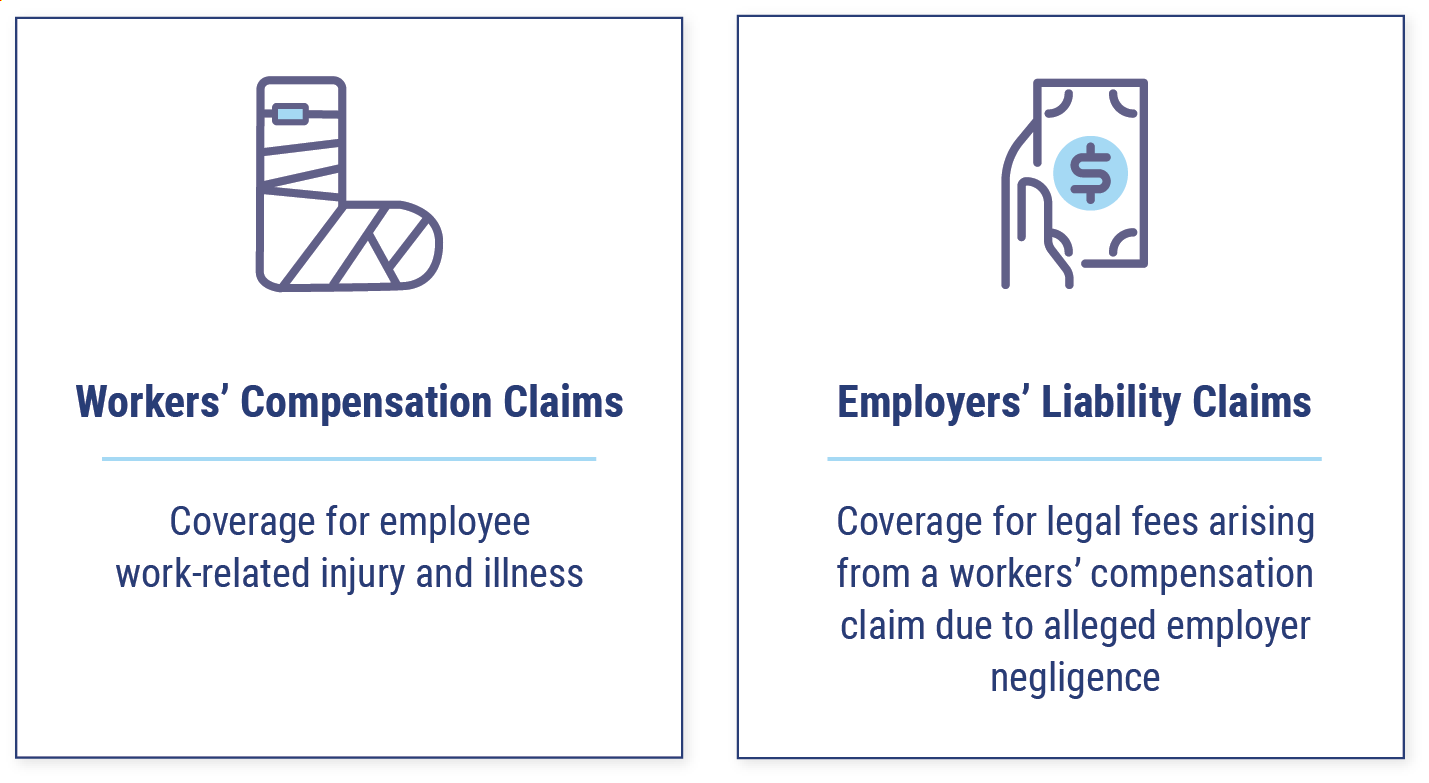
Image Gallery
Select an image to open it in a new tab.

Ingrid Bjornson
Global Cyber Policy and Regulation Analyst
