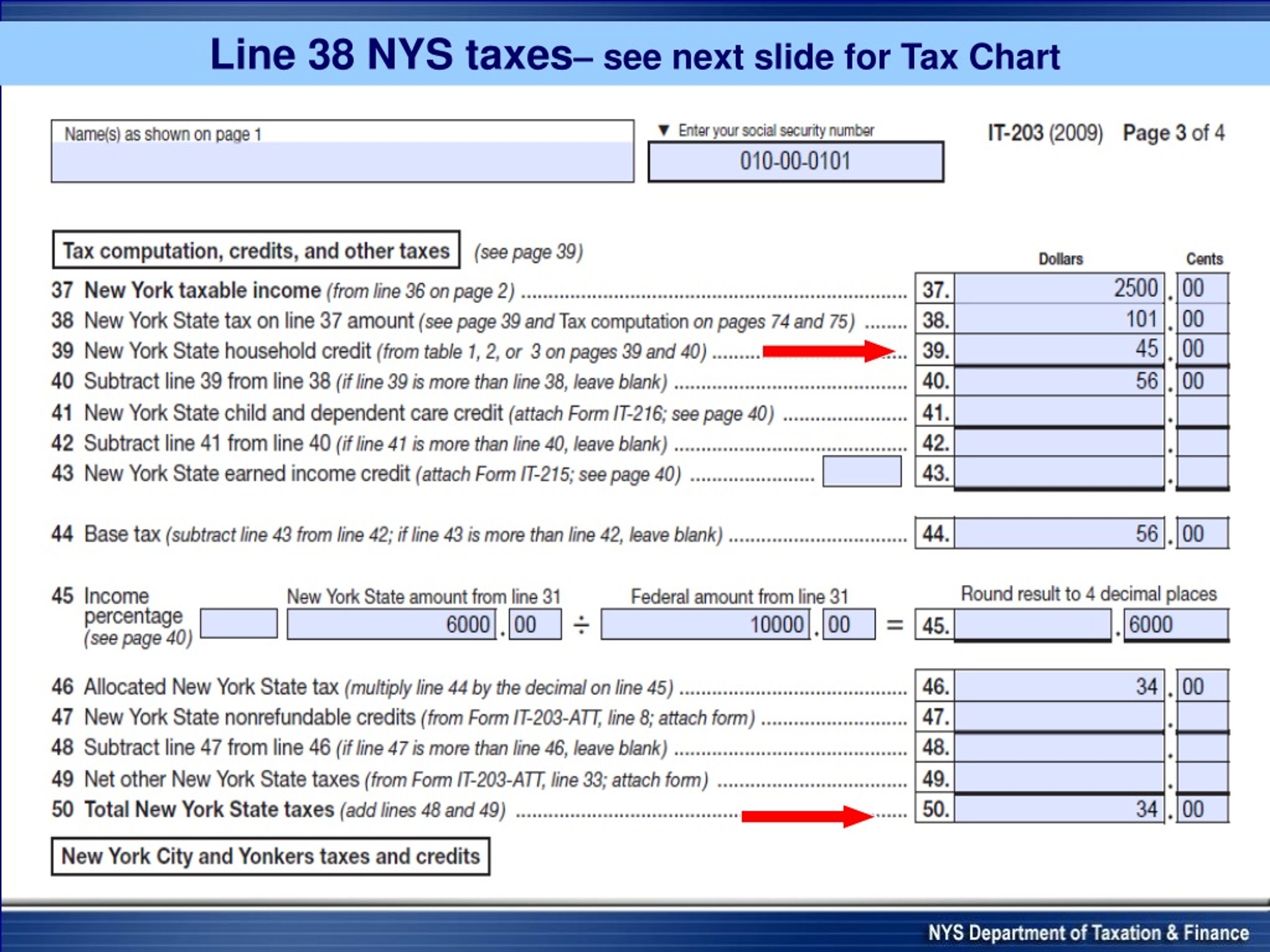
Filing personal income tax in New York requires understanding progressive state tax brackets, unique local income taxes for residents of New York City and Yonkers, and strict statutory residency rules enforced by the New York State Department of Taxation and Finance.
Managing personal income tax in New York requires navigating a complex multi-layered system that impacts residents, nonresidents, and part-year residents alike. Unlike states with a flat tax structure or no income tax at all, New York imposes progressive state tax rates ranging from 4% to 10.9%, alongside distinct municipal levies and stringent compliance regulations. Whether you are a lifelong resident, a remote worker employed by a New York-based company, or someone who recently split time between the Empire State and a warmer climate, understanding your tax obligations is critical to ensuring compliance and avoiding costly audits.
This guide provides a comprehensive overview of the New York State personal income tax system. It breaks down residency classifications, tax brackets, filing requirements, deductions, credits, and the practical steps needed to fulfill your tax obligations accurately.
Understanding New York State Residency Status
Before calculating your tax liability, you must determine your residency status for the tax year. New York tax law categorizes individuals into three distinct groups: residents, nonresidents, and part-year residents. Your category dictates whether you are taxed on your worldwide income or only on income sourced from New York State.
Resident Status
You are considered a New York State resident for income tax purposes if you meet either of two conditions:
- Domicile Test: Your domicile is New York. Domicile is the place you intend to have as your permanent home and where you intend to return whenever you are away. Changing your domicile requires abandoning your old home and establishing a new one with the intent of making it your permanent primary residence.
- Permanent Place of Abode Test: You maintain a permanent place of abode in New York for substantially all of the taxable year (more than 11 months), and you spend in the aggregate more than 183 days of the taxable year in New York State. Even a partial day spent in the state generally counts as a full day for the 183-day rule.
Residents are taxed on all income, regardless of where it is earned globally.
Nonresident Status
You are a nonresident if you were not a resident of New York State at any time during the tax year, but you earned income from New York sources (such as wages from a physical or remote job based in the state, rental income from New York real estate, or income from a New York-based business). Nonresidents file Form IT-203 and pay tax only on their New York-source income.
Part-Year Resident Status
You are a part-year resident if you moved into or out of New York State during the tax year, thereby changing your domicile. Part-year residents pay tax on all income earned while they were residents, plus any income from New York sources earned while they were nonresidents.
New York State Income Tax Brackets and Rates
New York uses a progressive tax bracket system, meaning different portions of your taxable income are taxed at progressively higher marginal rates. The state tax rates range from 4% for the lowest income brackets up to 10.9% for high-income earners.
New York City and Yonkers Local Income Taxes
If you live in New York City (NYC), you are subject to an additional local personal income tax. NYC tax rates range from 3.078% to 3.876%, depending on your taxable income and filing status.
Similarly, if you are a resident of the city of Yonkers, you must pay a Yonkers resident income tax surcharge, which is calculated as a percentage of your net New York State tax liability. Nonresidents who work in Yonkers may also be subject to a Yonkers nonresident earnings tax.

Filing Requirements and Key Deadlines
Filing your New York personal income tax return generally coincides with the federal tax deadline, typically April 15 of the following year, unless it falls on a weekend or holiday.
Who Must File?
You must file a New York State resident return (Form IT-201) if:
- You are a resident and are required to file a federal income tax return.
- Your New York adjusted gross income (NYAGI) exceeds your standard deduction.
- You want to claim a refund of any New York State tax withheld from your wages.
Filing Statuses
New York State generally follows federal filing statuses:
- Single
- Married filing jointly
- Married filing separately
- Head of household
- Qualifying surviving spouse
Your filing status directly impacts your standard deduction amount and tax bracket thresholds.
Major Deductions and Tax Credits
Maximizing your tax savings involves understanding what deductions and credits are available under New York tax law.
Standard Deduction vs. Itemized Deductions
Taxpayers can choose between taking the New York standard deduction or itemizing their deductions. The standard deduction amount varies depending on your filing status and whether you can be claimed as a dependent on another taxpayer's return.
If you choose to itemize, New York requires you to start with your federal itemized deductions and apply specific state add-backs and subtractions. High-income earners should note that New York imposes limitations on itemized deductions if your adjusted gross income exceeds certain statutory thresholds.
Popular New York State Tax Credits
New York offers numerous non-refundable and refundable credits designed to offset tax liability and support working families:
- Empire State Child Credit: Provides a refundable credit for eligible families with children between the ages of 4 and 16.
- Real Property Tax Credit: Available to eligible resident homeowners and renters whose household gross income is below a specific threshold and who pay property rent or real estate taxes.
- Earned Income Credit (NYS EITC): A supplemental credit for low- to moderate-income workers, calculated as a percentage of the federal Earned Income Tax Credit.
- College Tuition Credit: A refundable credit or itemized deduction for eligible higher education expenses paid for yourself, your spouse, or your dependents.
Comparison of New York Filing Forms
Selecting the correct tax form depends entirely on your residency status and the nature of your income sources.
| Form Number | Form Name / Description | Target Audience |
|---|---|---|
| Form IT-201 | Resident Income Tax Return | Full-year New York State residents. |
| Form IT-203 | Nonresident and Part-Year Resident Income Tax Return | Nonresidents and part-year residents with New York-source income. |
| Form IT-195 | Allocation of Wage and Salary Income | Nonresidents who work both inside and outside New York State. |
| Form NYC-201 | New York City Resident Income Tax Return | Integrated into IT-201 for NYC resident filers. |
Common Mistakes to Avoid When Filing
Filing taxes in New York frequently involves specific pitfalls that trigger processing delays, notices, or audits by the Department of Taxation and Finance.
- Miscalculating Statutory Residency Days: Assuming that spending winters in Florida automatically makes you a nonresident without properly tracking physical presence days and maintaining records can lead to devastating statutory residency audits. Keep meticulous travel logs, flight receipts, and cell phone records if your residency is borderline.
- Failing to Allocate Income Correctly: Nonresidents and part-year residents often fail to properly allocate wages earned for days worked inside versus outside New York State.
- Overlooking Local Tax Obligations: Forgetting to account for New York City or Yonkers local income taxes when calculating estimated quarterly payments can result in underpayment penalties.
- Incorrect Withholding Elections: Failing to update your Form IT-2104 (Employee's Withholding Allowance Certificate) when life changes occur—such as a marriage, divorce, or addition of dependents—can lead to a large tax bill at year-end.
Frequently Asked Questions
Do I have to pay New York State income tax if I work remotely for a New York company?
Yes, under New York’s strict "convenience of the employer" rule, if you are a nonresident whose assigned primary office is in New York, any remote work days you spend working from your home outside the state are treated as days worked in New York—unless your employer maintains a bona fide employer-established office at your remote location. This rule means nonresident remote workers often owe New York state tax on those earnings.
How do I request an extension to file my New York personal income tax return?
You can apply for an automatic six-month extension of time to file your New York State income tax return by filing Form IT-370 on or before the original filing deadline. Note that an extension to file is not an extension to pay; you must estimate and pay any tax liability you expect to owe by the original April deadline to avoid late-payment interest and penalties.
What is a New York statutory residency audit?
A statutory residency audit is an intensive examination conducted by the New York State Department of Taxation and Finance to determine whether a non-domiciliary spent more than 183 days in the state and maintained a permanent place of abode. Auditors routinely request credit card statements, cell phone tower logs, EZ-Pass records, and utility bills to reconstruct your physical location throughout the year.
Are retirement income and pensions taxed in New York?
New York State offers favorable tax treatment for certain retirement incomes. Up to $20,000 of qualifying pension and annuity income may be excluded from New York State taxable income for individuals aged 59½ or older. Social Security benefits are exempt from New York State personal income tax entirely.
How can I check the status of my New York State tax refund?
You can check the status of your income tax refund online by visiting the official website of the New York State Department of Taxation and Finance and using the "Check Your Refund" online tracking tool. You will need your Social Security number, filing status, and exact refund amount requested.
Conclusion and Next Actions
Navigating personal income tax in New York demands careful attention to residency guidelines, precise income allocation, and timely compliance with state and local filing mandates. To ensure accuracy, gather all pertinent tax documents—including W-2s, 1099s, and records of deductions—early in the filing season. If your tax situation involves complex interstate remote work arrangements, multiple state filings, or potential residency audits, consult a qualified certified public accountant or tax professional licensed in New York to secure personalized guidance.
Image Gallery
Select an image to open it in a new tab.

Omar Farooq
EdTech Innovation and Virtual Pedagogy Journalist
