Why the Triennale Milano is Worth the Visit
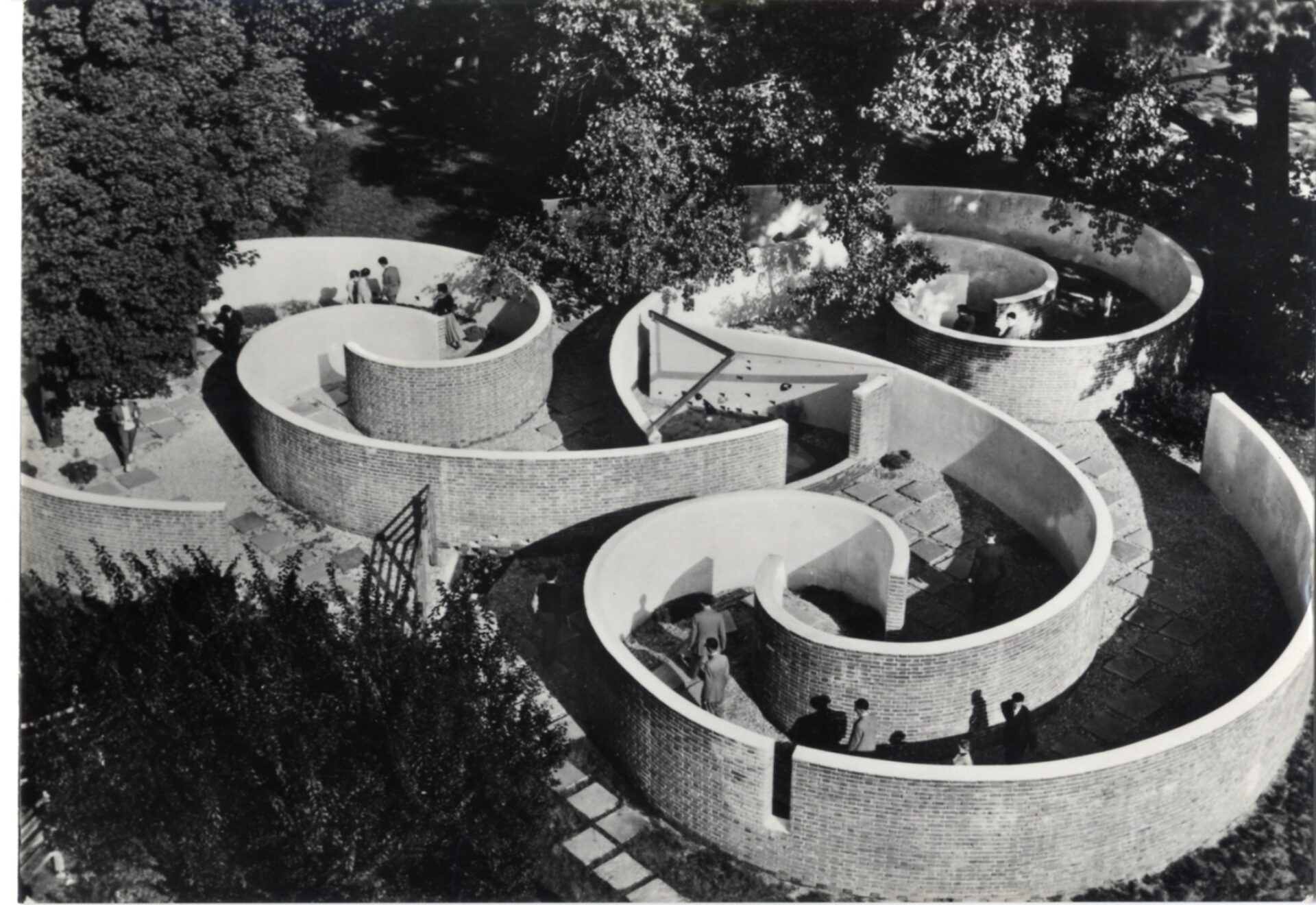
Triennale Milano stands as one of Europe’s foremost cultural institutions, offering an essential exploration of contemporary art, design, architecture, and society housed within the historic Palazzo dell’Arte in Parco Sempione.
Planning a visit to Triennale Milano offers an immersive journey into the evolution of global and Italian design, featuring the world-renowned Design Museum, rotating international exhibitions, and the permanent collection of art and architecture. Whether you are an industrial designer, an architecture enthusiast, or a casual traveler looking to understand Milan's creative identity, the institution provides a comprehensive lens through which to view modern material culture. This guide examines the core reasons to visit, the permanent and temporary exhibits you can expect, logistical tips for access, and how to maximize your time inside this iconic Milanese landmark.
Understanding the Historical and Cultural Significance of Palazzo dell’Arte
The home of Triennale Milano is the Palazzo dell’Arte, a building designed by architect Giovanni Muzio and constructed between 1931 and 1933. Funded by entrepreneur Antonio Bernacchi, the Palazzo was expressly built to host the Milan Triennial, an international exhibition of modern decorative and industrial arts and modern architecture.
Understanding this architectural context is vital because the building itself represents a physical manifestation of the shift between neoclassical monumentality and early Italian rationalism. Located at the edge of Parco Sempione—with direct views of the Castello Sforzesco—the venue bridges natural landscapes and urban density. When visitors walk through its grand staircases, marble halls, and expansive open-plan galleries, they are interacting with spaces that have hosted groundbreaking moments in global design history for nearly a century.
Triennale Milano is not merely a static museum; it operates as a dynamic foundation. It actively commissions new works, hosts symposia, and curates debates on urbanism, climate change, digital design, and social equity. This commitment to contemporary discourse ensures that every visit captures the pulse of current creative and intellectual movements rather than relying solely on historical nostalgia.
The Italian Design Museum (Museo del Design Italiano)
One of the primary justifications for visiting Triennale Milano is the Italian Design Museum, established within the institution to house and celebrate the masterworks of Italian industrial design. Italy’s contribution to global design—characterized by sleek furniture, revolutionary automotive engineering, innovative lighting, and striking domestic objects—finds its ultimate archival home here.
The museum’s permanent collection features hundreds of iconic pieces that transformed everyday life during the 20th and 21st centuries. Visitors can examine the evolution of chairs, lamps, typewriters, and radios designed by legendary figures such as Achille and Pier Giacomo Castiglioni, Ettore Sottsass, Gio Ponti, Marco Zanuso, and Vico Magistretti.
Rather than displaying objects in a vacuum, the museum contextualizes them within their socio-economic, political, and technological environments. You will see how post-war reconstruction fueled the demand for affordable, mass-produced plastic furniture, or how the radical design movements of the 1960s and 1970s challenged corporate aesthetics through vibrant, anti-conformist creations. For anyone interested in the mechanics of product creation or the history of material culture, this collection offers an unmatched educational experience.
Rotating Temporary Exhibitions and International Biennials
Beyond its permanent design collection, Triennale Milano is globally celebrated for its rotating temporary exhibitions. These shows span a vast array of disciplines, including photography, graphic design, fashion, architecture, and contemporary fine art.
Because the institution frequently collaborates with international museums, cultural ministries, and private foundations, its calendar regularly features major retrospectives of influential architects and designers, as well as thematic group shows addressing pressing global issues.
Furthermore, Triennale Milano serves as the permanent home of the international Triennial exhibition (when active in its multi-year cycle), which gathers nations from around the world to present architectural and design solutions to global crises. Even between major triennial cycles, the temporary exhibition spaces are consistently curated to museum-grade standards. Checking the official schedule before your trip ensures you can align your visit with a specific exhibition that matches your personal interests.
Architectural Highlights and Public Spaces
A visit to Triennale Milano extends beyond gallery walls. The building itself is an architectural experience rich with site-specific installations, open courtyards, and scenic viewpoints.
| Area / Feature | What to Expect | Primary Appeal |
|---|---|---|
| The Impluvium | A large, central glass-covered indoor courtyard acting as a grand foyer. | Frequently hosts large-scale installations, public gatherings, and social events. |
| The Triennale Garden (Giardino) | A landscaped outdoor space featuring site-specific sculptures and seating. | A peaceful escape connecting Parco Sempione directly to the museum experience. |
| The Terrace (Triennale Milano Rooftop) | An elevated dining and drinking space overlooking Parco Sempione and the Milan skyline. | Exceptional views stretching toward the modern skyscrapers of Porta Nuova and the historic Castello Sforzesco. |
| The Curated Bookstore | An extensive retail space specializing in architecture, design theory, and monographs. | Rare design publications, contemporary art books, and unique Italian design objects. |
The interplay between the indoor exhibition halls and the surrounding Parco Sempione makes Triennale Milano an integrated cultural hub. Visitors often spend hours moving fluidly between interior gallery spaces and the outdoor garden installations, blending intellectual engagement with leisure.
Practical Visitor Information and Logistics
To ensure a seamless experience at Triennale Milano, understanding the operational practicalities of ticketing, access, and timing is essential.
Tickets and Admission
Tickets can be purchased online in advance or on-site at the ticket desk. A cumulative ticket typically grants access to all current temporary exhibitions as well as the Italian Design Museum. Concession rates are available for students, seniors, and groups. On certain days or during specific cultural nights, promotional pricing or free entry options may apply, which can be verified on the official website.
Operating Hours
Triennale Milano is generally open from Tuesday through Sunday, remaining closed on Mondays. Standard operating hours typically run from morning through evening (e.g., 11:00 AM to 8:00 PM), though gallery access may close slightly earlier than the main building.
Accessibility and Facilities
The Palazzo dell’Arte is fully accessible to visitors with reduced mobility, featuring ramps, elevators, and accessible restrooms. Cloakroom facilities are available for storing large bags, coats, and umbrellas, as large backpacks and luggage are generally prohibited inside the gallery spaces for security and conservation reasons.
Dining and Refreshments
The facility houses high-end dining options, including cafes and restaurants that frequently feature interior design by prominent contemporary creators. The rooftop terrace restaurant provides a distinct culinary experience paired with panoramic views of Milan.
Frequently Asked Questions
How much time should I allocate for a visit to Triennale Milano?
Most visitors spend between two to three hours exploring the Italian Design Museum and the primary temporary exhibitions. If you plan to examine every temporary show in depth, browse the design bookstore extensively, and relax in the garden or rooftop terrace, you should budget a half-day.
Is Triennale Milano suitable for children and families?
Yes. While much of the content caters to adult design and architecture enthusiasts, the museum frequently hosts interactive family workshops, child-friendly installations, and open-air activities in the garden and Impluvium, making design accessible to younger audiences.
How do I get to Triennale Milano using public transportation?
The institution is centrally located at Viale Alemagna 6. The closest Metro stop is Cadorna (served by the M1 Red Line and M2 Green Line), which is a short five-minute walk through Parco Sempione. Several tram and bus lines also stop nearby.
Can I take photographs inside the exhibition spaces?
Photography policies vary depending on the specific temporary exhibition and copyright agreements held by lenders. Generally, non-flash photography for personal use is permitted in the permanent Italian Design Museum and designated public areas, but signs in individual rooms will clearly indicate if photography is prohibited.
Are guided tours available for international visitors?
Triennale Milano offers guided tours in both Italian and English for specific exhibitions and the permanent collection. These can often be booked online in advance or inquired about at the ticketing desk upon arrival, providing deeper historical and critical context to the displays.
Final Recommendation and Next Actions
Triennale Milano offers a rare synthesis of historical reflection and contemporary creative output, making it an indispensable stop for anyone spending time in Milan. To make the most of your excursion, review the current exhibition lineup on the official Triennale website prior to your departure, secure your tickets online to bypass potential queues, and combine your museum visit with a leisurely walk through Parco Sempione and a lunch or aperitivo on the rooftop terrace.
Image Gallery
Select an image to open it in a new tab.
Ingrid Bjornson
Global Cyber Policy and Regulation Analyst
