Understanding Rikers Island: Facilities, Operations, and the 2026 Transition Status

Rikers Island is the primary jail complex for New York City, serving as the central hub for the city’s Department of Correction. While often referred to as a prison, it is functionally a jail complex that primarily houses individuals awaiting trial, those held on bail, or persons serving sentences of one year or less. As of 2026, the island remains a focal point of the New York justice system as the city nears its legislated deadline for permanent closure.
The Distinction: Jail vs. Prison
In the context of the New York penal system, the distinction between a jail and a prison is foundational. Rikers Island is technically a jail complex. Unlike state prisons, which are managed by the New York State Department of Corrections and Community Supervision (DOCCS) and house individuals convicted of felonies serving longer sentences, Rikers is a municipal facility managed by the New York City Department of Correction (DOC).
Most individuals at Rikers are "pre-trial detainees"—people who have been charged with a crime but have not yet been convicted and are unable to post bail. A smaller percentage consists of "city-sentenced" inmates serving short-term sentences for misdemeanors or low-level felonies. Understanding this distinction is vital for families and legal professionals navigating the system, as the rules for visitation, legal representation, and release procedures differ significantly from the state prison system.
Geographic and Structural Overview
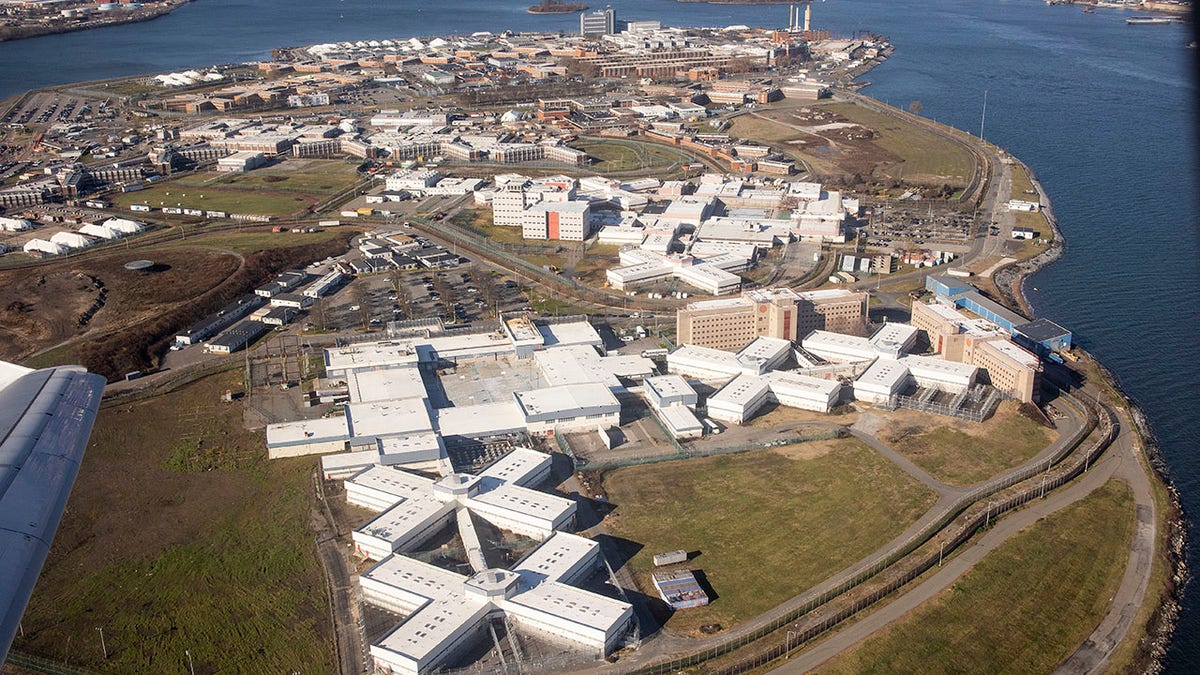
Rikers Island is a 413-acre island located in the East River, situated between the boroughs of Queens and the Bronx. Despite its proximity to the Bronx, it is legally part of the borough of the Bronx, though the only land access is via the Francis R. Buono Memorial Bridge, which connects the island to the Hazen Street area of Astoria, Queens.
The complex is not a single building but a sprawling "penal colony" comprised of several distinct housing facilities, each with its own security level and demographic focus.
Major Facilities on Rikers Island
| Facility Name | Primary Population | Estimated Capacity |
|---|---|---|
| Anna M. Kross Center (AMKC) | Adult males; includes a large behavioral health unit. | ~2,000 |
| George R. Vierno Center (GRVC) | High-security adult males; often handles high-profile cases. | ~800 |
| Eric M. Taylor Center (EMTC) | Sentenced adult males and adolescent males. | ~1,500 |
| Rose M. Singer Center (RMSC) | Adult females and adolescent females. | ~800 |
| Otis Bantum Correctional Center (OBCC) | Adult males; often used for intake and processing. | ~1,000 |
| Robert N. Davoren Complex (RNDC) | Traditionally housed male adolescents; now serves various roles. | ~1,000 |
Each of these facilities operates as a semi-autonomous unit with its own administration, medical clinics, and recreational areas. However, they share centralized services such as the power plant, bakery, and transportation infrastructure.

Navigating the Rikers Island System in 2026
For those with a loved one currently detained, the logistical hurdles can be significant. In 2026, the Department of Correction has transitioned many administrative functions to digital portals, but the physical reality of the island remains challenging.
Locating an Individual
To find someone held at Rikers, you must use the New York City Inmate Lookup Service. You will need the person's full name and date of birth, or their Book and Case Number (BCN). This system provides the specific facility name, the person's current status, and information regarding their next court date.
Visitation Procedures and Requirements
Visitation at Rikers Island is strictly regulated and subject to frequent schedule changes based on staffing levels and facility security status. In 2026, the following requirements generally apply:
- Scheduling: Most visits must be scheduled in advance through the DOC's online visitor portal. Walk-in visits are rarely permitted.
- Identification: All visitors aged 16 and older must present a valid, government-issued photo ID. This includes a driver’s license, passport, or New York State ID.
- Dress Code: The DOC enforces a strict dress code. Prohibited items typically include hooded sweatshirts, open-toed shoes, sheer clothing, and jewelry other than wedding bands.
- Security Screening: Visitors undergo a process similar to airport security, including metal detectors and bag inspections. Prohibited items (contraband) include tobacco, cell phones, and cameras.
- Transportation: The Q100 bus is the primary public transit link to the island, departing from Long Island City and Astoria. Once on the island, a shuttle bus transports visitors to the specific housing facilities.
Financial Support (Commissary and Bail)
Detained individuals use a commissary system to purchase hygiene products, snacks, and stamps. Funds can be deposited via kiosks located at the borough courts, the Rikers Island visitor center, or through authorized online vendors.
Bail can be paid at any NYC Department of Correction facility or at the court where the individual’s case is being heard. In 2026, electronic bail payment is common for many cases, though significant restrictions remain on the types of credit cards and amounts that can be processed digitally.
The 2026 Status of the Closure Plan
The most significant subject surrounding Rikers Island in 2026 is its mandated closure. In 2019, the New York City Council passed the "Renew NYC Justice" plan, which legally requires the island to cease operating as a jail by August 31, 2027.
The Borough-Based Jail (BBJ) Program
The closure of Rikers is predicated on the construction of four new, smaller, and more modern facilities located in the boroughs of Manhattan, Brooklyn, Queens, and the Bronx (Staten Island does not have a planned facility). These jails are designed to be closer to courthouses, making legal visits and court appearances more efficient.
As of 2026, the status of these facilities is as follows:
- Brooklyn & Manhattan: Construction is in advanced stages, with these facilities serving as the prototypes for the new justice model.
- The Bronx & Queens: These sites have faced longer construction timelines but are currently active work zones.
- Rikers Decommissioning: Several older buildings on Rikers Island have already been mothballed or demolished as the population is shifted toward newer units or alternative-to-incarceration programs.
Challenges to the 2027 Deadline
While 2026 marks the penultimate year of the plan, significant hurdles remain. Legal challenges from local communities near the new jail sites, fluctuating crime rates affecting the jail population, and budgetary constraints have all placed pressure on the 2027 deadline. There is ongoing debate in the City Council regarding whether the population can be reduced enough—target levels are approximately 3,300 individuals—to fit into the new borough facilities.
Health and Safety Concerns
Rikers Island has long been criticized by human rights organizations, the federal government, and the New York City Board of Correction for its conditions.
Medical and Mental Health Care
A disproportionate number of individuals at Rikers suffer from serious mental health issues. NYC Health + Hospitals/Correctional Health Services (CHS) provides medical care on the island. While there have been improvements in specialized housing, such as the Clinical Alternative to Punitive Segregation (CAPS), the aging infrastructure of the island often hampers the delivery of consistent care.
Violence and Staffing
The facility has faced chronic issues with violence—both inmate-on-inmate and staff-on-inmate. Staffing shortages have historically led to "triple shifts" for correction officers, contributing to fatigue and decreased safety. In 2026, federal oversight continues to play a major role in monitoring these conditions, with a federal monitor frequently reporting to the court on the city’s progress (or lack thereof) in reducing use-of-force incidents.
Legal Rights and Resources for the Accused
Anyone detained at Rikers Island has fundamental constitutional rights. If these rights are violated, there are specific avenues for recourse.
- Access to Counsel: Detainees have the right to meet with their attorneys in private. These visits can be in-person or via teleconference.
- The Grievance Process: If an individual is denied services or mistreated, they can file a formal grievance. If the internal process fails, they may contact the Board of Correction or the Legal Aid Society’s Prisoners' Rights Project.
- The Right to Medical Care: Under the Eighth Amendment (and specific state laws), detainees must be provided with adequate medical and dental care. Failure to provide medication for chronic conditions is a common point of legal intervention.
Alternatives to Incarceration (ATI)
As part of the effort to close Rikers by 2027, New York City has expanded ATI programs. These include supervised release, where individuals check in with case managers rather than being held on bail. In 2026, these programs are critical to maintaining the lower population levels necessary for the transition to borough-based jails.
Frequently Asked Questions
Is Rikers Island still open in 2026?
Yes, Rikers Island is still operational in 2026. While the city is under a legal mandate to close the complex by 2027, it continues to house thousands of individuals daily during the transition to borough-based facilities.
Can I visit someone at Rikers Island without an appointment?
No, as of 2026, visitors are generally required to schedule their visits in advance through the Department of Correction’s online portal. This ensures that the facility can manage social distancing and staffing requirements.
What is the difference between Rikers Island and a state prison?
Rikers Island is a municipal jail for those awaiting trial or serving short sentences (less than a year). State prisons, like Sing Sing or Attica, are for individuals convicted of felonies serving sentences longer than one year.
How do I get to Rikers Island?
The only public access is via the Rikers Island Bridge in Queens. You can take the Q100 bus from Long Island City or Astoria, which goes directly to the island's visit center. Personal vehicles are generally not allowed on the island; visitors must park in designated areas in Queens and take a shuttle or bus.
Is Rikers Island a dangerous place?
Rikers Island has a long-documented history of violence, infrastructure decay, and staffing crises. While the city has implemented various reform measures and is under federal monitoring, it remains a high-stress environment with significant safety concerns for both the incarcerated and the staff.
What will happen to Rikers Island after it closes?
The long-term plan for the island, once it is no longer used for detention, includes transforming it into a hub for green energy and sustainability. This "Renewable Rikers" plan envisions solar farms, wastewater treatment facilities, and other infrastructure that would benefit the city's environmental goals.
Practical Recommendations for Families
If you are navigating the Rikers Island system in 2026, the most effective tool is information.
- Verify Information Daily: Facility status can change due to "lockdowns" or staffing issues. Always check the DOC website before traveling for a visit.
- Maintain Records: Keep a log of all communications with your loved one, including any complaints they have about medical care or safety. This documentation is vital if legal action is required.
- Utilize Public Defenders: If you cannot afford an attorney, the public defender organizations in NYC (such as The Bronx Defenders, Brooklyn Defender Services, or Legal Aid) are highly experienced in navigating the Rikers system and can provide advocacy beyond just the criminal case.
- Contact the Board of Correction: If you notice systemic issues or a specific safety threat, filing a report with the NYC Board of Correction—the independent oversight body—can sometimes trigger an investigation that the DOC itself might overlook.
Image Gallery
Select an image to open it in a new tab.



Ingrid Bjornson
Global Cyber Policy and Regulation Analyst
