Ryan White Health Insurance: Navigating Coverage, Eligibility, and Assistance Programs

Ryan White health insurance assistance plays a vital role in helping individuals living with HIV secure comprehensive medical care, prescription drugs, and vital support services when they lack sufficient health coverage or financial resources. Administered through the federal Ryan White HIV/AIDS Program (RWHAP), this system acts as a payer of last resort, filling gaps left by private insurance, Medicaid, and Medicare to ensure continuous access to life-saving treatment.
Understanding the Ryan White HIV/AIDS Program and Health Insurance
The Ryan White HIV/AIDS Program, funded by the United States federal government and managed by the Health Resources and Services Administration (HRSA), does not function as a standard health insurance policy. Instead, it is a federal grant-funded initiative that provides medical and support services to low-income, uninsured, or underinsured individuals diagnosed with HIV.
At its core, the program is structured to ensure that no patient goes without medical care due to an inability to pay. While early iterations of the program primarily delivered direct medical services through specialized clinics, modern implementations heavily emphasize helping clients secure and maintain third-party health insurance coverage. By integrating patients into mainstream healthcare systems—such as individual marketplace plans, employer-sponsored insurance, Medicare, or Medicaid—the program maximizes federal resources and promotes continuity of care.
The Payer of Last Resort Principle
A foundational rule governing the entire program is the "payer of last resort" statutory requirement. Under federal law, Ryan White funds cannot be used to pay for services if another public or private insurance provider is legally obligated to pay. This means that if an applicant is eligible for Medicaid, Medicare Part D, or a subsidized Affordable Care Act (ACA) marketplace plan, the program will first require enrollment in those primary coverage streams.
Once enrolled, Ryan White funds step in to pay for costs that standard insurance leaves behind. This includes mandatory out-of-pocket expenses such as:
- Monthly insurance premiums
- Annual deductibles
- Copayments for primary care visits and specialist consultations
- Coinsurance fees for specialized diagnostic testing
- Prescription drug copays not fully covered by other plans
Program Parts and Administration
The initiative is divided into different administrative components, known as "Parts," which distribute federal funding to specific geographic areas and institutional settings:
- Part A: Provides emergency relief grants to eligible metropolitan areas (EMAs) and transitional grant areas (TGAs) with the highest numbers of reported AIDS cases.
- Part B: Allocates grants to all 50 states, the District of Columbia, and U.S. territories. Part B funds are frequently used to operate statewide AIDS Drug Assistance Programs (ADAPs) and insurance continuation programs.
- Part C: Funds community-based early intervention services and comprehensive primary medical care through public and non-profit private entities.
- Part D: Focuses specifically on providing family-centered care for women, infants, children, and youth living with HIV.
- Part F: Supports special projects of national significance, dental reimbursement programs, and training centers.
Eligibility Requirements for Ryan White Assistance
Qualifying for Ryan White health insurance assistance involves meeting strict criteria regarding medical diagnosis, residency, and household income. Because funds are distributed through local jurisdictions and state health departments, exact documentation requirements can vary slightly depending on where the applicant lives.
Medical and Financial Criteria
To qualify for any form of assistance under the program, an individual must provide documented proof of an HIV diagnosis. This typically requires a medical record or lab report from a licensed physician confirming HIV-positive status.
In addition to a medical diagnosis, applicants must demonstrate financial need. The program generally targets individuals and families with low incomes relative to the federal poverty level (FPL). While individual states and local Ryan White planning councils establish specific income thresholds—often ranging from 100% up to 400% or 500% of the FPL—priority is consistently given to those with the lowest incomes and fewest financial resources.
Residency and Documentation
Applicants must reside within the service area of the specific Ryan White grantee or local clinic where they are applying. Proof of residency is mandatory and can be established using standard documents such as:
- A current lease agreement or mortgage statement
- A utility bill showing a local service address
- A state-issued driver's license or identification card
- A written statement of residency if experiencing homelessness
Financial verification requires proof of gross household income. Acceptable documentation includes recent pay stubs, W-2 forms, tax returns, social security benefit statements, or documentation of unemployment benefits. Individuals with zero income must typically complete a notarized affidavit of financial support or a self-declaration form detailing how basic living expenses are met.
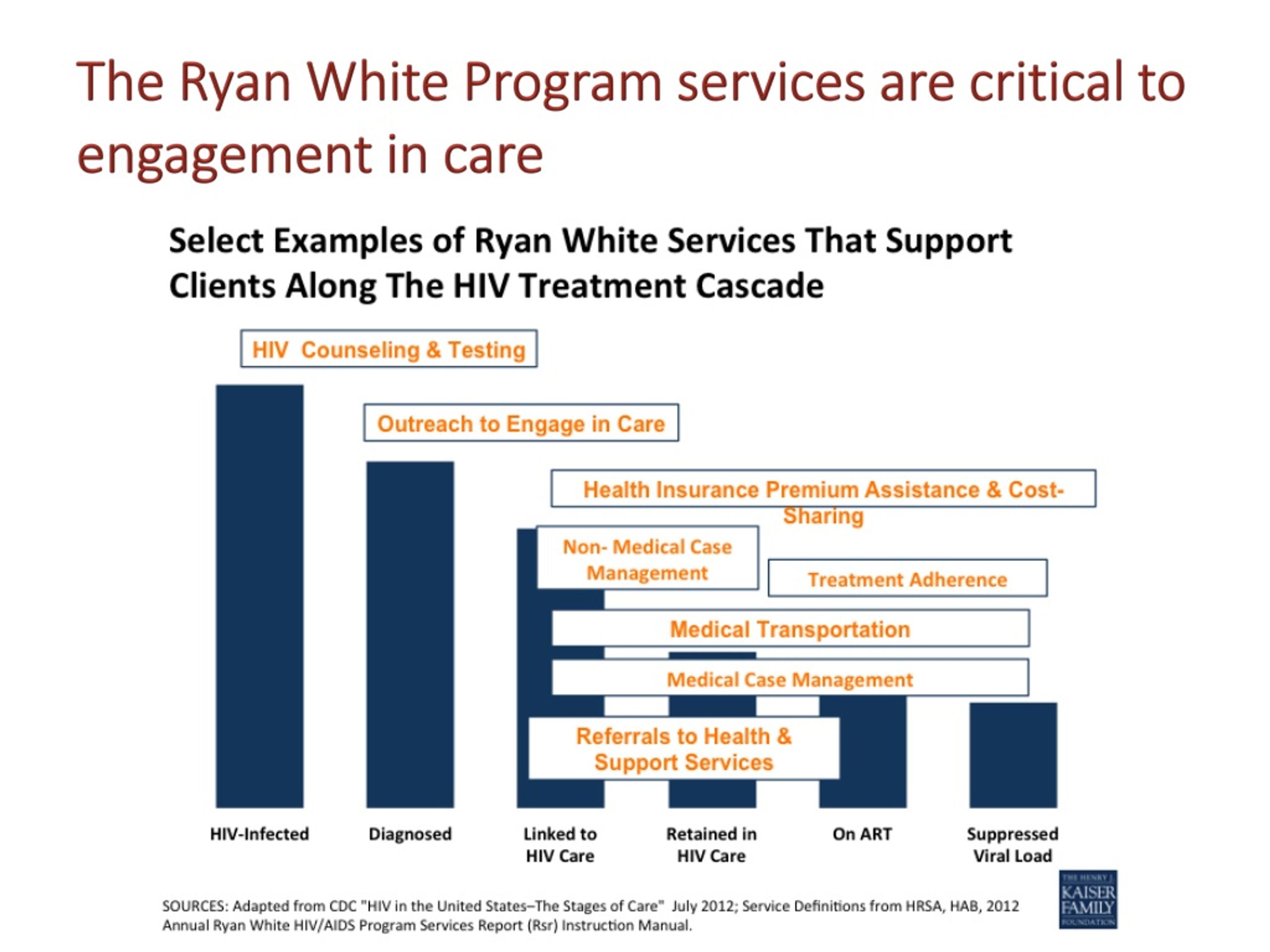
How the Program Supports Health Insurance Enrollment and Costs
For individuals who qualify, the program offers robust mechanisms to make health insurance financially manageable. Navigating the health insurance marketplace or understanding Medicare options can be daunting, which is why the program incorporates specialized support structures.
Insurance Premium and Cost-Sharing Assistance (IPCSA)
Through Insurance Premium and Cost-Sharing Assistance programs, local administrators directly pay insurance companies on behalf of the client. Maintaining private or marketplace insurance is crucial because it ensures access to broad provider networks and comprehensive medical benefits.
The mechanics of this assistance involve:
- Premium Payments: Ensuring that monthly policy payments are made directly to the insurer to prevent policy cancellation for non-payment.
- Deductible and Copay Relief: Covering medical service copayments at the point of care or reimbursing clients for out-of-pocket expenses incurred during medical visits.
- Formulary Gap Management: Working in tandem with pharmaceutical assistance programs to cover drug costs that fall within insurance coverage gaps or high deductible phases.
The Role of AIDS Drug Assistance Programs (ADAPs)
Funded primarily through Part B grants, the AIDS Drug Assistance Program is a specialized state-administered component that provides FDA-approved medications to individuals with HIV who have limited or no coverage for drugs. In many states, ADAP functions as an "ADAP-funded insurance option," meaning the program purchases commercial health insurance for eligible clients because covering the premium is more cost-effective than purchasing individual drugs wholesale.
ADAPs maintain comprehensive drug formularies that include antiretroviral therapy (ART) regimens designed to suppress the viral load, prevent transmission, and maintain immune system health. When prescribed medications require prior authorization, local case managers assist patients in navigating the administrative hurdles required by insurance carriers.
Comparing Health Insurance Coverage Options Under the Program
Selecting the right health insurance plan with the help of a Ryan White case manager requires weighing coverage types, out-of-pocket costs, and provider networks. The table below outlines how different health insurance structures interact with the program.
| Insurance Type | Primary Funding Source | Ryan White Interaction | Key Considerations |
|---|---|---|---|
| ACA Marketplace Plans | Private / Federal Subsidies | Premium and cost-sharing assistance available for eligible low-income applicants. | Must select plans meeting actuarial value standards; networks vary by carrier. |
| Medicaid | State and Federal Government | Acts as primary payer; Ryan White covers non-covered wrap-around services. | Income and asset limits apply; expansion varies by state. |
| Medicare (Parts A, B, D) | Federal Social Insurance | Ryan White covers Medicare Part D coverage gap costs and Part B/D premiums. | Standard for individuals aged 65+ or those with qualifying long-term disabilities. |
| Employer-Sponsored | Private Employer / Employee | Premium assistance provided if cost-effective compared to direct drug purchase. | Dependent on continued employment and employer-sponsored plan offerings. |
The Application and Enrollment Process
Securing assistance requires careful coordination with local intake workers, case managers, or certified application counselors. Rushing the process or submitting incomplete documentation can lead to delays in coverage approval.
Step-by-Step Enrollment Guide
- Locate a Local Provider: Identify a Ryan White-funded clinic, health department, or AIDS service organization (ASO) in your local jurisdiction.
- Schedule an Intake Appointment: Contact the facility to schedule an eligibility screening interview with a case manager or financial counselor.
- Gather Required Documents: Collect all necessary paperwork, including proof of HIV status, photo identification, proof of local residency, and complete household income verification records.
- Complete Health Insurance Assessment: Work with the case manager to evaluate whether enrolling in an ACA marketplace plan, Medicaid, or Medicare is the best strategic option for your healthcare needs.
- Submit Applications: File the necessary applications for health insurance coverage and complete the concurrent Ryan White financial assistance paperwork.
- Maintain Ongoing Recertification: Track recertification deadlines, which typically occur every six to twelve months, to ensure assistance does not lapse.
Avoiding Common Mistakes
Applicants frequently encounter pitfalls that disrupt their coverage continuity. A common error is missing the annual open enrollment window for ACA marketplace plans, which can leave individuals without primary coverage unless they qualify for a Special Enrollment Period (SEP). Another frequent mistake is failing to complete mandatory mid-year recertification reviews, which results in temporary suspension of premium or copayment assistance. Always notify your case manager immediately of any changes in household income, employment status, or mailing address.
Frequently Asked Questions
Does Ryan White provide direct health insurance?
No, the program is not an insurance policy. It is a federal grant program that helps low-income individuals pay for primary medical care, prescription drugs, and health insurance premiums, deductibles, or copayments under other plans.
Can I get assistance if I already have a job?
Yes. Employment status does not automatically disqualify an individual. Eligibility is based on gross household income relative to the federal poverty level, meaning working individuals with modest incomes or high medical expenses often qualify for financial assistance.
Are undocumented immigrants eligible for Ryan White services?
Yes. Federal guidelines for the program do not require proof of legal immigration status to receive core medical and support services. Clinics focus on clinical and financial need rather than immigration status.
What happens if my income changes during the year?
You are required to report income changes to your case manager immediately. If your income increases significantly, you may transition to different subsidy tiers or standard insurance plans, while income decreases may qualify you for expanded assistance.
Are dental services covered under this program?
Yes. Dental care is recognized as a core medical support service under the program, though availability depends on local funding allocations and specific grantee networks.
Conclusion and Next Actions
Navigating health insurance with the backing of the Ryan White HIV/AIDS Program ensures that financial barriers do not prevent access to essential HIV care and medication. To begin receiving assistance, identify a local Ryan White-funded clinic or health department in your area to schedule an intake appointment with a qualified case manager who can guide you through enrollment and recertification.
Image Gallery
Select an image to open it in a new tab.


Vivian Cho
Executive IT and Emerging Technologies Reporter
