
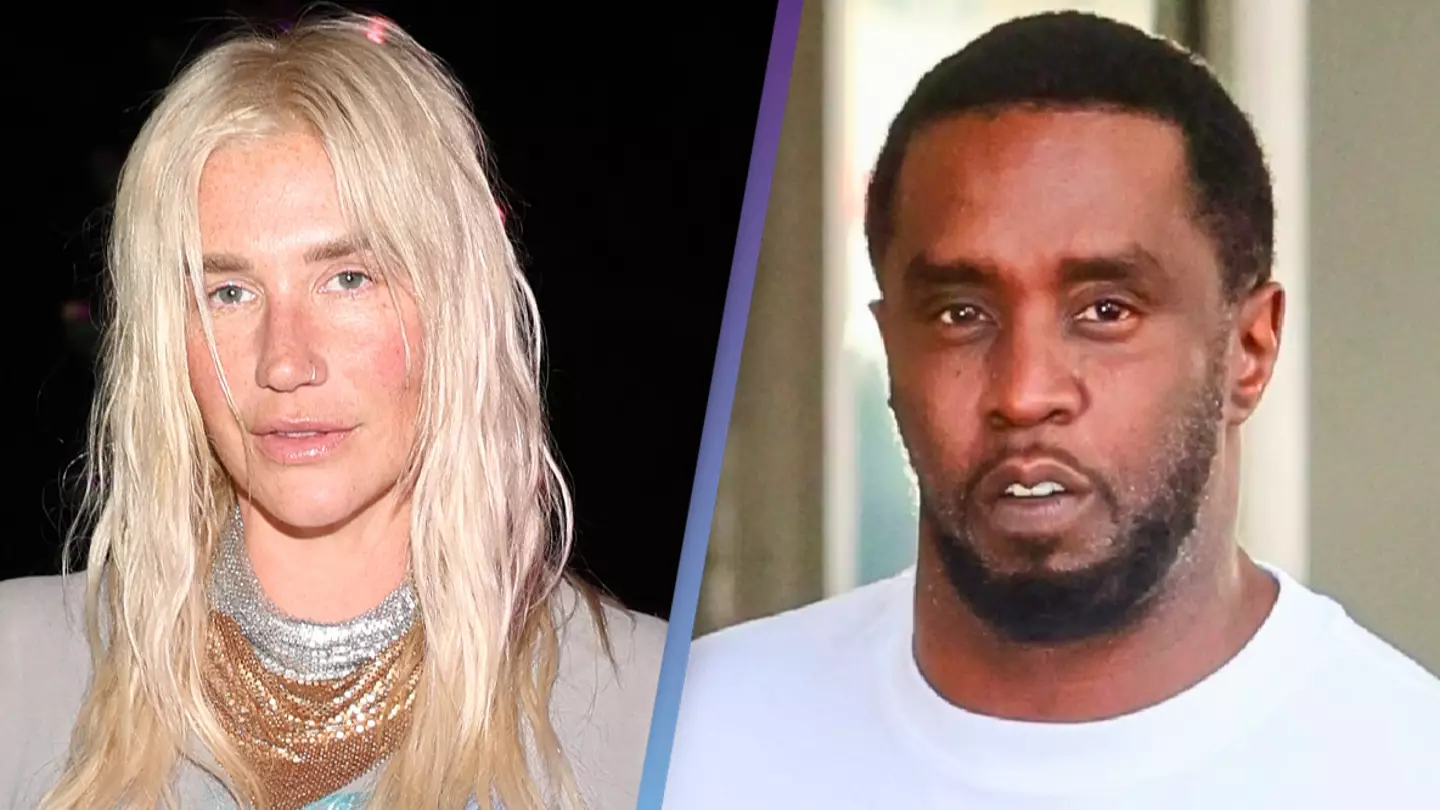
Kesha officially changed the opening lyrics of her 2009 hit "TiK ToK" from "Wake up in the morning feelin' like P. Diddy" to "Wake up in the morning feelin' like f*** P. Diddy" during her 2024 Coachella performance. This permanent live modification reflects her solidarity with victims of abuse following serious legal allegations against Sean Combs.
The opening line of "TiK ToK" is perhaps one of the most recognizable lyrics in 21st-century pop music. When Kesha Rose Sebert first burst onto the scene in 2009, the line was a celebratory nod to a lifestyle of opulence, confidence, and unending parties. However, as cultural tides shifted and the personal history of the song’s subject came under intense legal and ethical scrutiny, Kesha made the executive decision to distance her art from the disgraced mogul. In 2026, this change is no longer seen as a temporary protest but as a definitive evolution of her brand as an independent artist and an advocate for survivors.
The Original Context: 2009 and the "P. Diddy" Aesthetic
To understand why the lyric change was so impactful, one must first look back at the cultural landscape of 2009. At the time, Sean "Diddy" Combs was the epitome of the "Bad Boy" lifestyle—a symbol of ultimate success, high-end parties, and influence in the music industry. For a young Kesha, who was then crafting a "party girl" persona that blended "trash-chic" aesthetics with electropop beats, referencing Diddy was a shorthand for waking up feeling like a billionaire rockstar.
"TiK ToK" was the lead single from her debut album, Animal. It spent nine weeks at number one on the Billboard Hot 100 and became one of the best-selling digital singles of all time. The song wasn't just a hit; it was a cultural phenomenon. The "P. Diddy" line set the tone for an entire generation of listeners who equated the name with the pinnacle of the music industry’s elite. For over a decade, fans screamed that line in clubs, at concerts, and in karaoke bars without a second thought.
The Catalyst for Change: 2024 Legal Allegations
The shift began in late 2023 and accelerated rapidly throughout 2024. Sean "Diddy" Combs became the subject of multiple civil lawsuits alleging sexual assault, sex trafficking, and physical abuse, beginning with a high-profile lawsuit filed by his former partner, Cassie Ventura. Although that specific suit was settled quickly, it opened the floodgates for further allegations and a federal investigation that culminated in high-profile raids on Combs' residences.
For Kesha, the allegations against Combs resonated on a deeply personal level. Kesha had spent nearly a decade embroiled in a grueling legal battle with her former producer, Dr. Luke, whom she accused of sexual, physical, and emotional abuse—charges he consistently denied. While their legal battle was settled in 2023, the experience transformed Kesha from a pop star into a symbol of the "Free Kesha" movement and a staunch advocate for artists' rights and the protection of victims within the industry.
As the public perception of Diddy shifted from "music mogul" to "alleged predator," the original lyrics of "TiK ToK" became untenable for an artist who had built her new identity on survivor advocacy.
The Coachella 2024 Performance: A Definitive Statement
The most significant moment in the "TiK ToK" lyric evolution occurred in April 2024 during the Coachella Valley Music and Arts Festival. Kesha joined Reneé Rapp on stage as a surprise guest. As the familiar synth intro of "TiK ToK" began, the crowd prepared for the classic opening. Instead, Kesha and Rapp both sang the modified line: "Wake up in the morning feelin' like f* P. Diddy."**
This was not a slip of the tongue or a quiet ad-lib. Both artists held up their middle fingers to the crowd, punctuating the sentiment. The moment went viral instantly, signaling a permanent break from the song’s original phrasing. By 2026, Kesha has continued to use this version—and various other iterations, such as "Wake up in the morning feelin' like me"—in all live performances.
Impact on Live Audience Engagement
The change has fundamentally altered how fans interact with the song. During her 2025 and 2026 tour cycles, the opening line has become a "call and response" moment. The music often cuts out right before the modified line, allowing the audience to shout the new lyrics in unison. This has transformed "TiK ToK" from a simple party anthem into a song of reclaimed power and collective protest.
Comparison of the "TiK ToK" Lyric Versions
The transition from the 2009 original to the contemporary live version represents a broader shift in how pop culture handles the legacies of controversial figures.
| Feature | Original Version (2009) | Modified Live Version (2024–Present) |
|---|---|---|
| Opening Lyric | "Wake up in the morning feelin' like P. Diddy" | "Wake up in the morning feelin' like f*** P. Diddy" |
| Cultural Intent | Aspiration, luxury, and party culture. | Protest, solidarity, and distancing from abuse. |
| Primary Subject | Sean Combs (as a symbol of success). | Sean Combs (as a symbol of industry misconduct). |
| Kesha's Career Stage | New artist under Kemosabe Records. | Independent artist and survivor advocate. |
| Fan Response | Universal sing-along. | Act of political and social solidarity. |
| Streaming Status | Remains the standard on Spotify/Apple Music. | Exclusive to live performances and social media clips. |
The Legal and Industry Challenges of Permanent Changes
While Kesha can change her lyrics in a live setting, changing the "official" version on streaming platforms like Spotify, Apple Music, and YouTube is a far more complex legal hurdle. As of 2026, the original 2009 recording still features the P. Diddy name.
Masters and Publishing Rights
The original recording of "TiK ToK" is owned by her former label. For Kesha to "officially" change the lyrics on streaming services, she would likely need to re-record the song—a move famously popularized by Taylor Swift. However, re-recording rights are often restricted by contracts for a set number of years following the release of an album or the termination of a contract.
Fans have frequently petitioned for a "Kesha’s Version" of Animal and Cannibal, which would allow her to strip the credits of former collaborators and update lyrics to reflect her current values. Until such a project is released, the "f*** P. Diddy" version exists primarily as a live phenomenon and through fan-captured media.
The Role of Songwriting Credits
Even if the lyrics are changed, the underlying copyright often remains tied to the original songwriters and producers. Because Kesha’s early work was heavily collaborative, any official re-release involves navigating a web of royalties. By changing the lyrics live, Kesha sidesteps these bureaucratic barriers while still delivering the message her audience demands.
Why the Change Matters in 2026
In 2026, the music industry is in a state of hyper-awareness regarding the "Me Too" movement's lasting effects. Kesha’s refusal to sing the original line is seen as a blueprint for other artists who find their past work tied to individuals who have since been disgraced.
- Artist Autonomy: Kesha has demonstrated that an artist's relationship with their work is not static. They have the right to reinterpret their catalog as their personal and political views evolve.
- Survivor Solidarity: By specifically targeting the Diddy lyric, Kesha aligns herself with the women who came forward against him, mirroring the support she received during her own legal battles.
- De-platforming through Art: Rather than stopping the performance of her biggest hit, she "reclaimed" it. This prevents a disgraced figure from continuing to receive the "free advertising" of a positive lyrical shout-out.
Practical Guidance for Fans and Media
If you are attending a Kesha concert or covering her music in 2026, it is important to recognize the "new" canon of her performance style.
- Concert Etiquette: Expect the modified lyric. It has become a staple of the show. Fans who sing the original line are often corrected by the surrounding crowd or find themselves out of sync with the band's new arrangement.
- Searching for Versions: If you are looking for the modified version, search for "TiK ToK Live 2024" or "Kesha Coachella Version." Official studio versions with the change have not been released to major streaming platforms as of early 2026 due to the aforementioned licensing complexities.
- Respecting the Context: Understand that for Kesha, this isn't just "drama." It is a continuation of a career-long struggle for safety and respect within the entertainment industry.
Frequently Asked Questions
Did Kesha change the lyrics on Spotify?
No. The version of "TiK ToK" on Spotify and other streaming platforms remains the original 2009 recording. Changing a digital master requires the consent of the record label and the copyright holders, which is a complex legal process. The change is currently exclusive to live performances and some social media uploads.
What are the new lyrics exactly?
In the most famous modification (at Coachella 2024), the lyric was changed to: "Wake up in the morning feelin' like f*** P. Diddy." In other instances, she has used "Wake up in the morning feelin' like me," or simply pointed the microphone toward the crowd to let them fill in the "f*** P. Diddy" line.
Why did she wait until 2024 to change it?
The change coincided with the massive wave of legal allegations and federal investigations into Sean "Diddy" Combs that began in late 2023. Before these events, the name "P. Diddy" was generally viewed as a symbol of success. Once the allegations became public, Kesha moved quickly to distance herself from his image.
Will she ever re-record "TiK ToK"?
Kesha has expressed interest in re-recording her music once she is legally able to do so. Much like Taylor Swift’s "Taylor’s Version" project, a re-recorded version would allow Kesha to own her masters and officially change lyrics or credits that no longer align with her values.
Did P. Diddy ever respond to the lyric change?
As of 2026, there has been no official public response from Sean Combs or his legal team specifically addressing Kesha’s lyric change. His team has generally focused on the ongoing legal battles and federal charges he has faced since 2024.
Moving Forward: The Legacy of "TiK ToK"
Kesha’s decision to alter "TiK ToK" serves as a powerful reminder that pop music is not a frozen artifact. It is a living, breathing form of expression that can be updated to reflect the morality and reality of the present day. For Kesha, "Wake up in the morning" no longer represents a desire to emulate a mogul; it represents the strength of waking up as herself, free from the shadows of those who have misused their power in the industry.
As we move through 2026, the "f*** P. Diddy" version of "TiK ToK" has become an anthem of the modern era—a song that acknowledges the past while firmly choosing a more ethical and self-empowered future. For fans, singing along to the new version is not just about the music; it’s about participating in a moment of collective cultural accountability.
Image Gallery
Select an image to open it in a new tab.





Declan O'Connor
Higher Education and Campus Culture Reporter
