
Now that the second eclipse season of 2026 has concluded following the partial lunar eclipse on August 28, the celestial alignment has shifted away from the lunar nodes. This marks a period of atmospheric and energetic stabilization, ending the high-intensity window of solar and lunar events for the calendar year.
Eclipse seasons are not merely isolated dates on a calendar; they are complex astronomical windows dictated by the intersection of the Moon’s orbit with the ecliptic plane. When we say "eclipse season is over," it means the Sun has moved sufficiently far from the lunar nodes—the points where the Moon's path crosses the Earth's path around the Sun—that alignments are no longer possible. In 2026, we have witnessed a remarkable series of events, most notably the total solar eclipse across Greenland, Iceland, and Spain on August 12. As the dust settles, both skywatchers and those who follow the astrological implications of these events must navigate the "integration" phase.
The Astronomical Mechanics of Why Eclipse Seasons End
To understand why an eclipse season ends, one must understand the geometry of the Earth-Moon-Sun system. The Moon’s orbit is tilted at approximately 5 degrees relative to the Earth’s orbit around the Sun (the ecliptic). If these orbits were perfectly aligned, we would experience a solar eclipse every new moon and a lunar eclipse every full moon. Because of this tilt, the Moon usually passes "above" or "below" the Sun from our perspective.
An eclipse season occurs only when the Sun is near one of the two nodes. Each season lasts roughly 31 to 37 days. Once the Sun moves roughly 15 to 18 degrees past the node, the "eclipse zone" is closed.
The 173.3-Day Cycle
Eclipse seasons repeat approximately every 173.3 days. This is slightly less than half a calendar year because the lunar nodes "precess," or move backward through the zodiac. In 2026, our seasons were centered around February/March and August. Now that we have passed the late August threshold, the Sun is moving toward a position where the shadows of the Earth and Moon will miss their respective targets for several months.
The Passing of the August 12, 2026 Total Solar Eclipse
The end of the 2026 season is particularly significant due to the magnitude of the August 12 total solar eclipse. As the first total solar eclipse to touch continental Europe in over two decades, the logistical and emotional buildup was immense. With the season over, the rare "shadow bands" and the "diamond ring effect" are memories, and the scientific community is now transitioning from data collection to data analysis.
Navigating the Post-Eclipse Integration Phase
The conclusion of an eclipse season brings a palpable shift in "atmospheric tension." In both astronomical observation and astrological tradition, the period immediately following the final eclipse of a season is known as the integration phase.
Data Processing for Amateur Astronomers
For the thousands of photographers who traveled to Spain or Iceland for the August total eclipse, the end of the season marks the beginning of the "digital darkroom" phase. Processing high-dynamic-range (HDR) images of the solar corona takes months of meticulous work.
- Calibration: Applying dark frames and flat fields to the raw data captured during totality.
- Stacking: Using software like PixInsight or Adobe Lightroom to bring out the delicate streamers of the Sun’s outer atmosphere.
- Archiving: Ensuring that equipment—especially solar filters and hydrogen-alpha telescopes—is cleaned and stored in a humidity-controlled environment to prevent fungus or coating degradation before 2027.
The Astrological "Cool Down"
In astrological circles, eclipses are viewed as "wildcards" or accelerators of change. When the season ends, the frantic energy of the "eclipse portal" closes. This is often described as the time when the "dust settles," and the permanent changes initiated during the season begin to take root.
- Clarity over Chaos: During the season, information is often hidden (eclipsed). Now that it is over, hidden truths usually come to light.
- Stabilization: The feeling of being "pushed" by fate tends to subside, replaced by a need for restorative rest and practical application of new insights.
- The Two-Week Echo: It is common to feel the effects of the final eclipse for approximately two weeks following the actual event as the Moon reaches its next quarter phase.
Technical Specifications: 2026 Eclipse Retrospective
To effectively move forward, it is helpful to review the technical data of the season that has just concluded. This allows for a better comparison with the upcoming cycles in 2027 and 2028.
| Event Date | Type of Eclipse | Visibility Region | Duration of Totality/Annularity |
|---|---|---|---|
| February 17, 2026 | Annular Solar | Antarctica | 2m 09s |
| March 3, 2026 | Total Lunar | Americas, East Asia, Pacific | 58m (Totality) |
| August 12, 2026 | Total Solar | Arctic, Greenland, Iceland, Spain | 2m 18s |
| August 28, 2026 | Partial Lunar | Europe, Africa, Americas | N/A (93% coverage) |
The August 12 eclipse was the "Great European Eclipse," and its conclusion marks the end of the most significant astronomical window of the mid-2020s. The partial lunar eclipse on August 28 served as the "bookend," a final, subtle shadow play before the Earth's nodes moved out of alignment.
Future Outlook: When is the Next Eclipse Season?
Since the 2026 eclipse season is over, enthusiasts are already looking toward 2027. The Earth will experience a relatively quiet period for the remainder of 2026, with the next major window opening in early 2027.
The standout event of the next season will be the Total Solar Eclipse of August 2, 2027. This eclipse is highly anticipated by the scientific community because it will pass over Luxor, Egypt, providing a staggering 6 minutes and 23 seconds of totality—nearly three times the duration of the 2026 event.
Preparing for 2027
Now is the time to evaluate the lessons learned from the 2026 season:
- Travel Logistics: If you experienced crowds in Spain or Iceland, consider booking North African accommodations for 2027 now.
- Equipment Upgrades: Did your camera sensor overheat? Did your solar filters fit correctly? Use the current "off-season" to trade in or upgrade gear.
- Scientific Contribution: Citizen science projects, such as those hosted by NASA's Eclipse Science, often seek data uploads in the months following an eclipse.
Common Mistakes to Avoid After an Eclipse Season
When the excitement fades, it is easy to become complacent. However, the post-eclipse period requires specific attention to detail to ensure that the "gains" of the season—whether scientific or personal—are not lost.
1. Neglecting Equipment Maintenance
Solar filters are delicate. Many users leave them on their lenses or telescopes in dusty environments after the season ends. Micro-scratches or pinholes in a solar filter can make it dangerous for future use. Always inspect your filters using a bright indoor light source before storing them; if you see any light leaking through, discard the filter immediately.
2. Misinterpreting "Post-Eclipse Shadow"
In the transition period, people often expect immediate results from the changes they made during the eclipse. However, the "lunar node" energy takes time to ground. Avoid making further radical changes in the 14 days following the final eclipse; instead, focus on observation and documentation.
3. Forgetting the Solar Cycle
As we move through 2026, we are near the Solar Maximum of Solar Cycle 25. This means that even without an eclipse, the Sun is incredibly active with sunspots and solar flares. The end of eclipse season does not mean the end of solar observation. Using proper safety equipment, you can continue to monitor the Sun's activity, which is expected to remain high through the end of 2026 and into 2027.
Frequently Asked Questions
Is it safe to look at the Sun now that eclipse season is over?
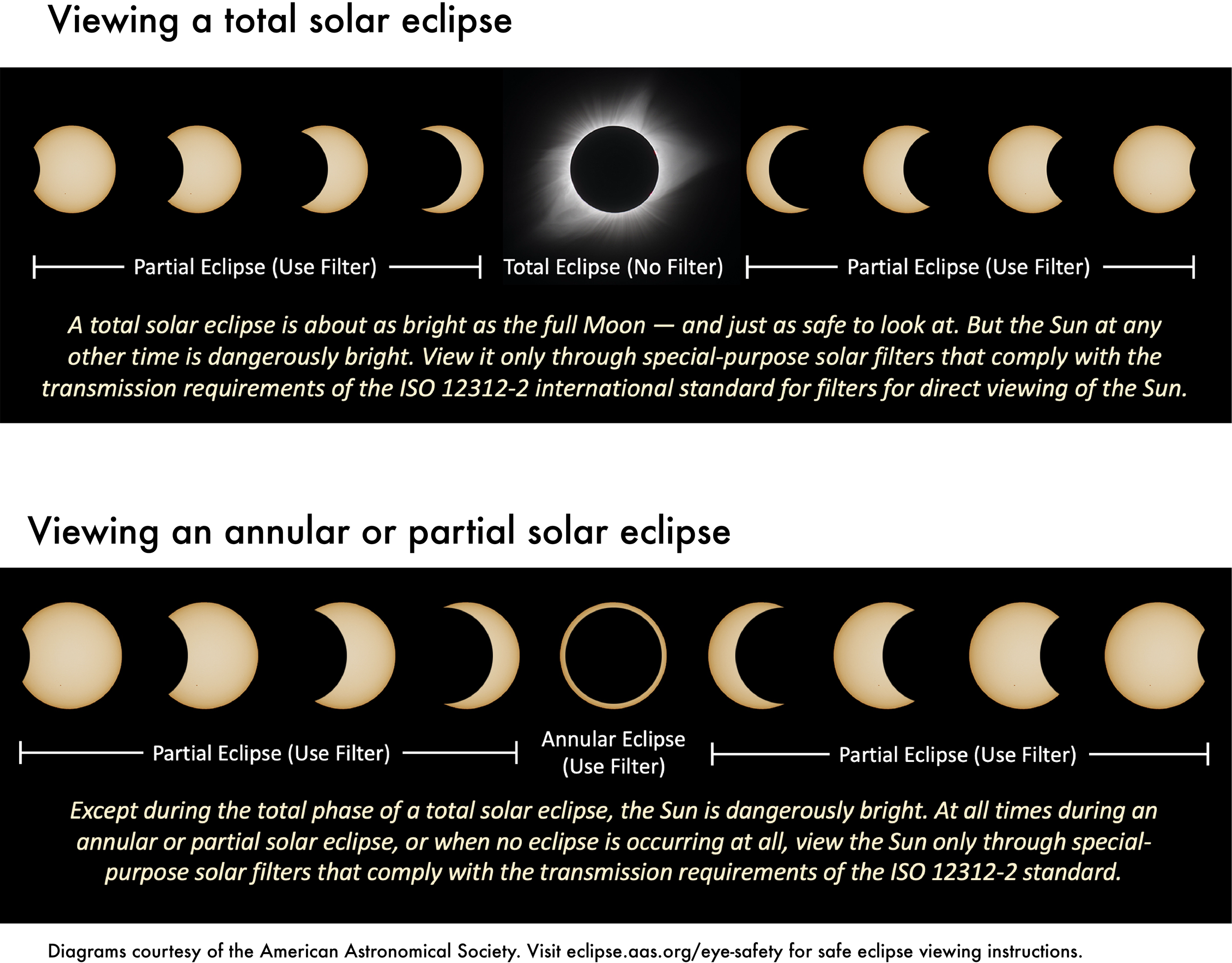
No. It is never safe to look directly at the Sun without specialized solar protection (ISO 12312-2 international standard), regardless of whether an eclipse is occurring. The only time it is safe to look with the naked eye is during the few minutes of totality during a total solar eclipse, which has now passed for 2026. For general solar viewing, always use eclipse glasses or solar filters.
Why did the 2026 eclipse season feel so long?
An eclipse season technically lasts about 35 days, but the buildup and the "shadow period" (the time when the Sun is approaching the nodes) can make the period of heightened celestial activity feel like it spans two months. In 2026, the high visibility of the August events over populated areas increased the cultural and media focus, contributing to the perception of a longer season.
When will the next Total Solar Eclipse occur in the United States?
Since the 2026 season occurred primarily over the Arctic and Europe, many in North America are looking ahead. The next major total solar eclipse visible from the contiguous United States will not occur until August 23, 2044. However, there are numerous international eclipses, such as the 2027 Egyptian eclipse and the 2028 Australian eclipse, that offer opportunities for dedicated "eclipse chasers."
Can eclipses affect the weather after they are over?
A total solar eclipse causes a localized, temporary drop in temperature and a shift in wind patterns (the "eclipse wind") during the event. These effects are transient and dissipate within an hour of the eclipse ending. There is no scientific evidence that the conclusion of an eclipse season has a long-term impact on global or local weather patterns.
What should I do with my eclipse glasses now?
If your eclipse glasses are not damaged, scratched, or punctured, you can save them for the 2027 season. However, check the manufacturer's instructions; some older glasses have a "discard after 3 years" warning, though most modern polymer glasses last indefinitely if stored in a cool, dry place. If you do not wish to keep them, many organizations, such as Astronomers Without Borders, run recycling programs to send glasses to schools in countries where the next eclipse will be visible.
Final Recommendation
With the 2026 eclipse season now officially behind us, the best course of action is to move from observation to reflection. For researchers and photographers, this is the time to finalize data sets and publish findings. For the general public, it is a time to enjoy the more stable, predictable night sky.
Take this opportunity to observe the autumn constellations or the upcoming planetary alignments that do not involve the dramatic shadows of an eclipse. Use the next several months to prepare your logistics for 2027, ensuring that when the next "portal" opens, you are ready to capture the magic of the cosmos once again.
Image Gallery
Select an image to open it in a new tab.

Celine Dubois
Contemporary Living and Global Arts Columnist
