How a Divorce Decree Affects Life Insurance in Illinois: 2026 Legal Guide

In Illinois, a divorce decree—officially known as a Judgment of Dissolution of Marriage—governs the ownership, beneficiary designations, and maintenance of life insurance policies. Unlike some states, Illinois does not have a universal "revocation on divorce" statute that automatically removes an ex-spouse as a life insurance beneficiary upon the entry of a final judgment. Consequently, the specific language within the decree and the subsequent administrative updates to the policy are the primary factors determining who receives the death benefit.
The intersection of Illinois family law and insurance contracts is complex, involving both the Illinois Marriage and Dissolution of Marriage Act (IMDMA) and federal regulations like the Employee Retirement Income Security Act (ERISA). Navigating these rules requires an understanding of how life insurance is categorized as property, how it is used to secure financial obligations, and the risks of failing to update beneficiary forms even after a divorce is finalized.
The Role of the Illinois Judgment of Dissolution of Marriage
The Judgment of Dissolution of Marriage is the final order signed by an Illinois judge that legally ends a marriage. Regarding life insurance, this document acts as the definitive roadmap for how existing policies must be handled. In Illinois, life insurance is not just an after-thought; it is often a critical component of the "equitable distribution" of marital assets.
When a judge or the parties (through a Marital Settlement Agreement) address life insurance, they must decide three primary things: who owns the policy, who pays the premiums, and who the beneficiaries will be. If a policy has a cash value, such as a whole life or universal life policy, that value is typically treated as a marital asset if the premiums were paid with marital funds. The decree will specify whether the policy must be cashed out and the proceeds divided, or if one spouse will retain the policy while the other receives a different asset of equal value.
However, the most contentious aspect is usually the death benefit. In many Illinois divorces, the decree will mandate that one spouse maintain a life insurance policy for the benefit of the other spouse or the children. This is not necessarily an act of generosity; rather, it is a legal safeguard to ensure that if the payor of maintenance (alimony) or child support dies, the financial support does not vanish.
Does Divorce Automatically Revoke Beneficiary Designations in Illinois?
One of the most dangerous misconceptions in Illinois family law is the belief that getting a divorce automatically "wipes out" an ex-spouse’s right to collect on a life insurance policy. In some jurisdictions, the law presumes that a divorced person would not want their ex-spouse to remain a beneficiary. Illinois law is more nuanced and, in many cases, less protective of those who forget to update their paperwork.
While the Illinois Probate Act (755 ILCS 5/4-7) provides that a divorce revokes provisions in a will that benefit an ex-spouse, and the Illinois Trust Code (760 ILCS 3/604) contains similar provisions for revocable trusts, life insurance occupies a different legal space. For a standard, privately purchased life insurance policy, the contract between the policyholder and the insurance company usually takes precedence. If the divorce decree says the ex-spouse is "waived" as a beneficiary, but the policyholder dies without changing the beneficiary form with the insurance company, the company is often contractually obligated to pay the person named on the form.
While Illinois courts may later impose a "constructive trust"—essentially a legal maneuver to force the ex-spouse to hand over the money to the rightful heirs—this requires expensive and lengthy litigation. The insurance company itself is often protected from liability if they pay the named beneficiary in good faith before being notified of a conflicting court order.
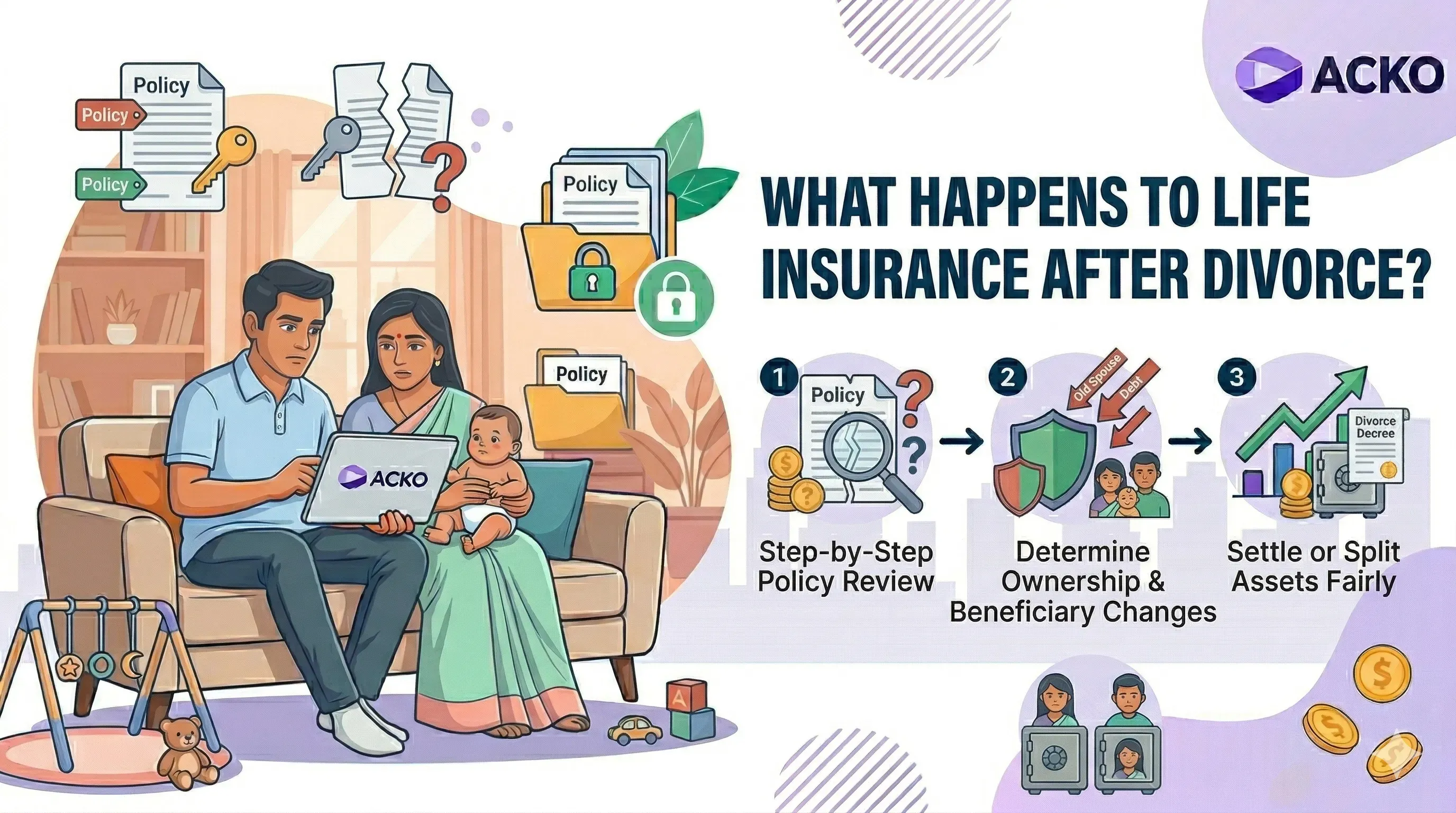
Life Insurance as Security for Support Obligations
Under the Illinois Marriage and Dissolution of Marriage Act (750 ILCS 5/504 and 505), the court has the authority to require a party to maintain life insurance to secure support obligations. This is a common requirement when one spouse is ordered to pay significant child support or maintenance.
The rationale is that child support and maintenance obligations generally terminate upon the death of the payor. To prevent the recipient from being left destitute, the court orders the payor to name the recipient (or a trust for the children) as the beneficiary of a life insurance policy for as long as the support obligation exists. The decree should specify:
- The Face Amount: The total death benefit required (e.g., $500,000).
- The Duration: How long the policy must remain in force (e.g., until the youngest child turns 18 or graduates college).
- Verification Rights: The right of the recipient spouse to receive annual "proof of insurance" or "notices of lapse" from the insurance carrier to ensure premiums are being paid.
If the payor spouse fails to maintain the policy as required by the decree, their estate may be held liable for the amount of the death benefit that should have been in place. However, if the estate is insolvent, the recipient spouse may have no recourse, making the annual verification of the policy a vital task.
The ERISA Preemption: Employer-Provided Life Insurance
The rules change significantly if the life insurance policy is provided through an employer as part of a benefits package. These policies are typically governed by the federal Employee Retirement Income Security Act (ERISA), not Illinois state law. This distinction is critical because of a principle known as "federal preemption."
In the landmark case Egelhoff v. Egelhoff, the United States Supreme Court ruled that ERISA preempts state laws regarding the revocation of beneficiaries upon divorce. This means that if you have a life insurance policy through your job and you divorce in Illinois, even if an Illinois statute or your divorce decree says your ex-spouse is no longer the beneficiary, the plan administrator is legally required to pay whoever is named on the official beneficiary designation form.
For Illinois residents, this creates a "trap" where a divorce decree might state that the ex-spouse waives all interest in the life insurance, but because the policy is an ERISA-governed plan, the waiver in the decree is ignored by the insurance company. To protect against this, the policyholder must submit a new beneficiary designation form to their HR department or plan administrator immediately following the divorce. Relying on the language of the Illinois decree alone is insufficient for employer-provided plans.
Valuation and Division of "Cash Value" Policies
Not all life insurance is "term" insurance (which only pays out upon death). Permanent policies, such as whole life or universal life, accumulate a cash surrender value over time. In an Illinois divorce, this cash value is considered "marital property" if the policy was acquired or the premiums were paid during the marriage with marital earnings.
The court must determine the value of this asset just like a bank account or a house. There are generally three ways Illinois courts handle cash value policies:
- Offsetting Assets: One spouse keeps the policy and its full cash value, while the other spouse receives an equivalent amount from another asset, such as a retirement account or home equity.
- Liquidation: The court orders the policy to be surrendered for its cash value, and the proceeds are divided between the spouses according to the percentage of equitable distribution.
- Co-Ownership/Division: In rarer cases, the policy may be "split" or "divided" if the insurance company allows it, though this is administratively difficult.
If a policy was owned prior to the marriage, it may be considered non-marital property. However, if marital funds were used to pay the premiums during the marriage, the non-owning spouse may be entitled to a "reimbursement" for the marital estate’s contribution to the policy’s value (750 ILCS 5/503(c)).
Mandatory Policy Comparisons in Illinois Divorce
When drafting or reviewing a divorce decree in 2026, it is helpful to categorize how different types of insurance are treated under Illinois law.
| Feature | Term Life (Individual) | Whole/Universal Life (Individual) | Employer-Provided (ERISA) |
|---|---|---|---|
| Marital Asset Value | None (No cash value). | Yes (Cash surrender value). | None (Usually term-based). |
| Primary Governing Law | Illinois Contract Law/IMDMA. | Illinois Contract Law/IMDMA. | Federal ERISA Law. |
| Automatic Revocation | No. Requires decree + update. | No. Requires decree + update. | No. Federal law ignores state decrees. |
| Common Use in Divorce | Security for support. | Asset division and security. | Security for support (if permitted). |
| Proof of Compliance | Annual certificate of insurance. | Annual statement of value/status. | Annual benefits summary. |
Administrative Steps Following the Entry of the Decree
Once the judge signs the Judgment of Dissolution of Marriage, the legal work is only half finished. The "administrative phase" is where many individuals fail, leading to future litigation. To ensure the divorce decree is properly executed regarding life insurance, the following steps are necessary:
1. Update Beneficiary Designations Immediately
Even if the decree states that the ex-spouse is no longer a beneficiary, the policyholder should contact the insurance company and submit a change-of-beneficiary form. This prevents the insurance company from paying the "wrong" person and protects the estate from having to sue the ex-spouse later to recover the funds.
2. Provide Notice to the Insurance Company
If the decree requires one spouse to maintain a policy for the benefit of the other, the beneficiary spouse should send a certified copy of the Judgment of Dissolution to the insurance company's legal department. Some companies will "flag" the policy to prevent the owner from changing the beneficiary or taking out a loan against the cash value in violation of the court order.
3. Establish a "Constructive Trust" Clause
Attorneys often include language in Illinois decrees stating that if a party fails to change a beneficiary or maintain a policy as ordered, the proceeds shall be held in a "constructive trust" for the intended beneficiaries. This provides a stronger legal basis for the rightful heirs to sue the ex-spouse if they inadvertently receive the death benefit.
4. Address the "Contingent" Beneficiaries
Often, people remember to remove their ex-spouse but forget to update the "contingent" or secondary beneficiaries. If the contingent beneficiary is a former in-law or a trust that has been dissolved, the policy could end up in probate, causing delays and extra costs for the heirs.
Common Pitfalls and Legal Disputes
Despite clear language in a decree, disputes over life insurance proceeds remain common in Illinois courts. One frequent issue is the "stale beneficiary" problem, where a policyholder remarries but never removes their first spouse from a policy. Under Illinois law, if the decree from the first marriage waived the first spouse's rights, the second spouse or the children may have a claim, but it often requires a lawsuit to resolve.
Another issue arises when a policyholder "over-insures." For example, if a decree requires a father to maintain $250,000 in life insurance for his children, but he actually has a $1,000,000 policy and fails to name a beneficiary for the remaining $750,000, the court must determine how the "excess" is distributed. Clear language in the decree specifying that the insurance requirement is "only to the extent of the remaining support obligation" can prevent these ambiguities.
Finally, the "Insurable Interest" doctrine must be considered. In Illinois, you must have an insurable interest in someone's life to own a policy on them. While spouses have an automatic insurable interest, ex-spouses generally do not—unless there is a financial tie like child support or maintenance. The divorce decree provides the legal basis for that continued insurable interest.
Summary of Practical Recommendations
If you are navigating a divorce in Illinois in 2026, do not assume the legal system will automatically protect your interests regarding life insurance.
- For the Payor: If you are required to maintain insurance to secure support, ensure the decree includes a "declining death benefit" clause. This allows you to reduce the amount of insurance you carry as your total remaining support obligation decreases over the years, saving you premium costs.
- For the Recipient: Always demand the right to be notified by the insurance company if a premium is missed. Do not rely on your ex-spouse's word that the policy is active.
- For Everyone: Review your employer-provided benefits. Because of ERISA preemption, your HR department's records are more powerful than your divorce decree. If you do not update your employer's beneficiary form, your ex-spouse will likely get the money regardless of what your Illinois judge ordered.
Life insurance is a "non-probate asset," meaning it passes outside of a will. Because it does not go through the probate court's oversight, errors in beneficiary designations are often only discovered after it is too late to fix them. Diligence in the weeks following a divorce is the only way to ensure the financial protections intended by the decree are actually realized.
FAQ
Does an Illinois divorce decree automatically remove my ex-spouse as a beneficiary? No. Illinois is not a "revocation on divorce" state for life insurance. You must manually update your beneficiary designation form with the insurance company. If you have an employer-provided policy, federal ERISA law specifically requires the company to pay whoever is on the form, regardless of the divorce decree.
Can a judge order me to buy life insurance during a divorce? Yes. Under the IMDMA, an Illinois judge can order a spouse to maintain or purchase life insurance to secure the payment of child support or maintenance. This ensures that the financial support continues even if the payor passes away prematurely.
What happens if my ex-spouse was supposed to keep life insurance but let the policy lapse? If the decree required the policy and the payor allowed it to lapse, their estate can be held liable for the full amount of the intended death benefit. However, this is only helpful if the estate has enough assets to pay the claim. It is better to include a provision in the decree allowing you to pay the premiums and deduct them from support if the payor fails to pay.
How is the "cash value" of a policy divided in Illinois? If the premiums were paid with marital funds, the cash surrender value is marital property. It is usually valued at the time of the divorce and either split between the spouses or used as an "offset" against other assets like a house or a 401(k).
Is life insurance through my job treated differently than a private policy? Yes. Employer-provided life insurance is usually governed by federal ERISA law. Federal law is much stricter about following the beneficiary form exactly as written, often ignoring state divorce decrees that say an ex-spouse "waives" their right to the money.
Image Gallery
Select an image to open it in a new tab.


Declan O'Connor
Higher Education and Campus Culture Reporter
