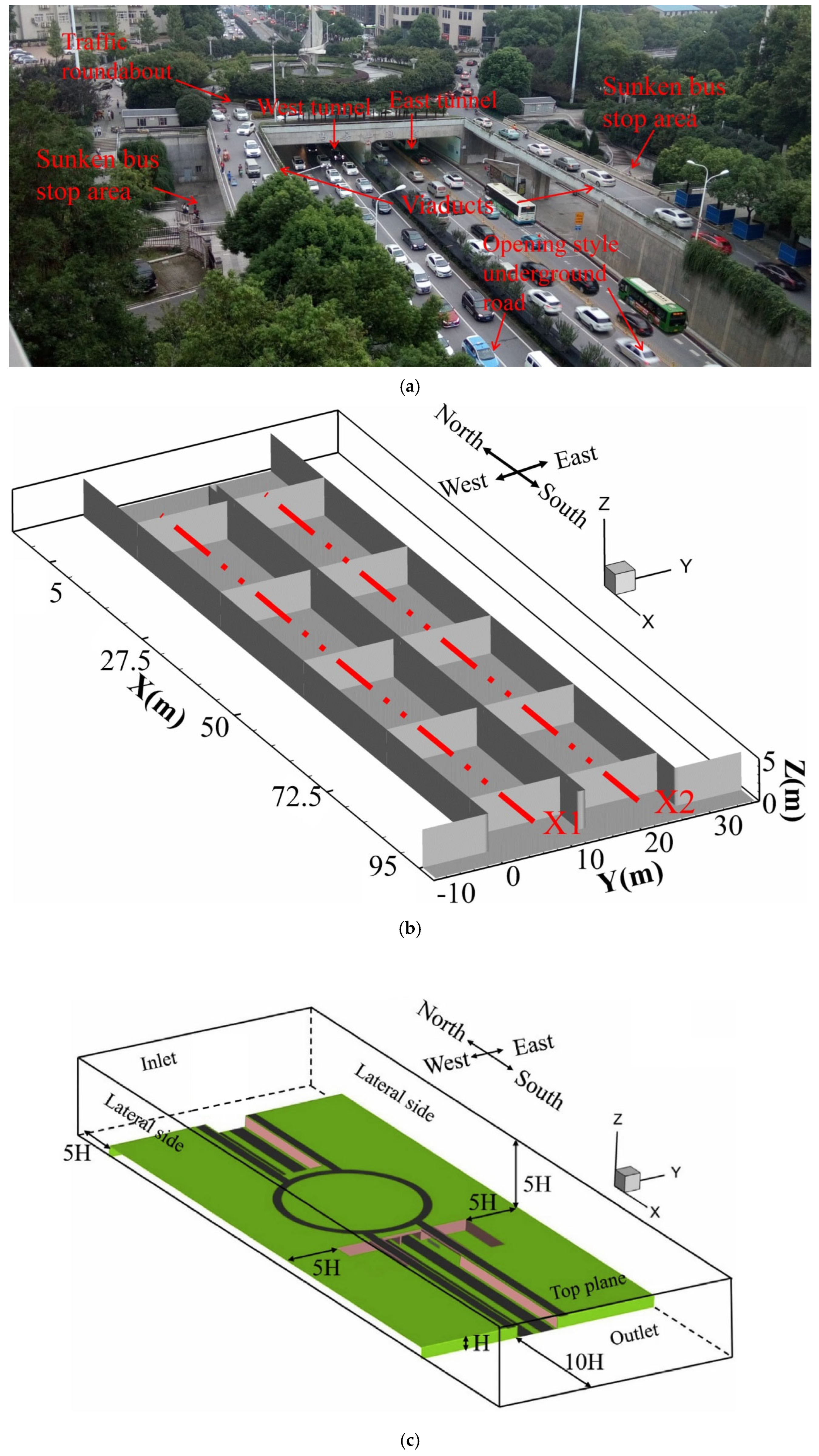
Car tunnels alleviate urban traffic congestion by decoupling through-traffic from local street-level activity, effectively increasing road capacity without requiring additional surface-level land acquisition. By redirecting high-volume transit underground, cities can reduce surface bottlenecks, improve commute times for long-distance drivers, and reallocate precious street space for pedestrians, public transit, and cyclists.
Urban centers worldwide face an inherent geometric constraint: a finite amount of surface space must accommodate an ever-growing number of vehicles. As cities expand, surface-level intersections become critical points of failure, where the convergence of different traffic streams, pedestrian crossings, and transit stops creates perpetual gridlock. The implementation of car tunnels—subterranean road passages—serves as a structural solution to this spatial limitation by adding a vertical dimension to the city’s transportation network.
The Structural Mechanics of Tunnel-Based Congestion Relief
The primary function of a car tunnel in a dense urban environment is the separation of traffic flows. Traffic engineers classify road usage into "through-traffic"—vehicles traversing from one side of the city to another—and "local traffic"—vehicles navigating to specific street-level destinations. In a standard city layout, these two types of vehicles compete for the same road capacity, leading to friction at every stoplight and intersection.
When a tunnel is introduced, through-traffic is diverted away from the surface. This removal of vehicles from the ground level has a multiplicative effect on traffic flow. First, it reduces the volume of cars that need to stop at signalized intersections. Second, it reduces the frequency of lane changes and braking maneuvers that characterize heavy congestion. Third, it lowers the "latent demand" on surface streets, allowing local traffic to move more fluidly. By creating a high-speed bypass, the city effectively increases its total throughput capacity without having to demolish existing buildings or widen roads, which is often physically impossible in historic or densely built-up urban cores.
Benefits Beyond Speed: Safety and Urban Integration
While the reduction of commute times is the most measurable benefit of car tunnels, the integration of these structures offers significant secondary advantages for city planning.
Safety is improved through the physical segregation of different transit modes. By moving passenger vehicles into a controlled, limited-access environment, cities reduce the potential for collisions involving pedestrians and cyclists. In a tunnel, there are no cross-streets, no turning vehicles cutting across bike lanes, and no erratic pedestrian crossings. The environment is predictable and monitored.
Furthermore, tunnels enable "surface reclamation." When a significant portion of traffic is moved underground, urban planners have the opportunity to repurpose the surface level. A once-congested boulevard can be transformed into a pedestrian-friendly transit corridor, complete with widened sidewalks, dedicated bus lanes, and green spaces. This shift improves the "livability" of a city, encouraging active transportation and reducing the noise and air pollution typically associated with high-density vehicular traffic.
Comparison of Urban Infrastructure Solutions
Addressing congestion requires a portfolio approach. Tunnels are rarely the sole solution but serve as a high-impact intervention for specific bottlenecks.
| Strategy | Primary Benefit | Implementation Cost | Spatial Impact |
|---|---|---|---|
| Car Tunnels | High-speed through-flow | Extremely High | Low (Surface-level) |
| Surface Road Widening | Incremental capacity gain | Medium | High (Disruptive) |
| Dedicated Bus Lanes | Efficient passenger movement | Low | Moderate |
| Congestion Pricing | Demand reduction | Low (Administrative) | Neutral |
The table above illustrates why cities often look to tunnels despite their high costs. While road widening is often impossible due to the proximity of private property, and bus lanes address transit efficiency rather than total vehicle volume, tunnels provide a unique solution that removes the conflict between high-speed vehicle flow and dense urban activity without requiring additional surface-level footprint.
Technical Requirements and Operational Challenges
Building a tunnel under a functioning city is an engineering challenge that goes far beyond excavation. Engineers must account for complex geological, structural, and safety requirements.
1. Geological and Structural Integrity
Before a tunnel project commences, comprehensive geotechnical surveys are required to determine soil stability, water tables, and the presence of existing utility lines, subway systems, or building foundations. Modern tunnel boring machines (TBMs) are sophisticated tools that minimize vibration and settlement, but they must be managed with extreme precision to avoid structural damage to heritage buildings or existing underground infrastructure.
2. Ventilation and Air Quality
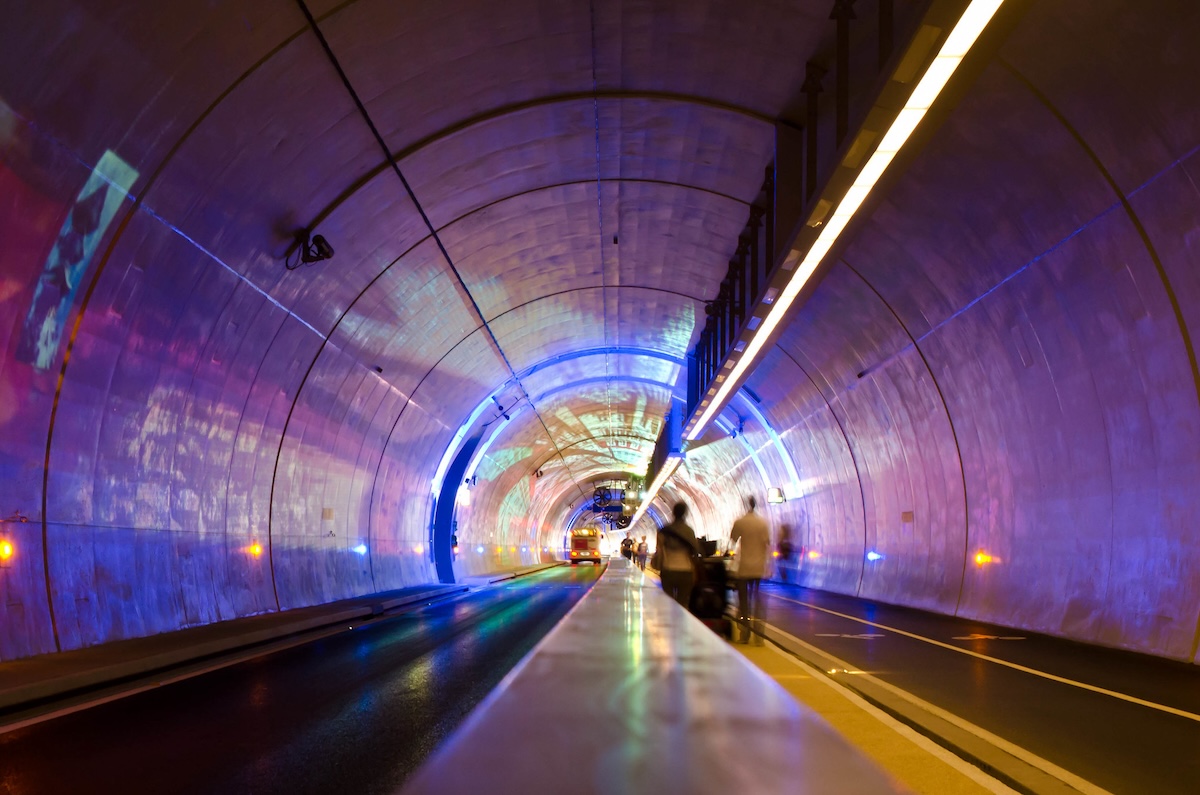
A critical requirement for any enclosed vehicular space is a robust ventilation system. In long tunnels, the accumulation of carbon monoxide, nitrogen oxides, and particulate matter from vehicle exhausts poses a significant health and safety risk. Modern facilities use powerful jet fans to move air longitudinally, often paired with air filtration plants or specialized scrubbing systems that treat the air before it is exhausted back to the surface.
3. Fire and Emergency Response
Safety protocols in tunnels are highly stringent. Because the environment is enclosed, fire incidents pose extreme risks. Design requirements include fire-rated construction materials, emergency exits at regular intervals, sophisticated fire suppression systems (such as high-pressure water mist systems), and emergency communication networks. Real-time surveillance, utilizing sensors to detect stalled vehicles or incidents, is standard practice in all modern urban car tunnels.
Financial and Long-Term Considerations
The investment required for tunnel construction is significant. Funding models for these projects often involve a mix of public tax revenue, long-term bonds, and, in some cases, private-sector partnerships. Because tunnels involve immense capital expenditure, cities often perform a "value of time" analysis to justify the cost. This analysis calculates the economic benefit of reduced congestion—such as time saved by commuters and reduced idling costs for freight—against the multi-year construction budget.
Maintenance costs also represent a long-term fiscal commitment. Unlike surface roads, tunnels require constant power for lighting, ventilation, and air quality control systems, as well as specialized crews for pavement repair, tunnel lining maintenance, and incident management.
Common Misconceptions: The Induced Demand Argument
A frequently raised concern regarding car tunnels is the concept of "induced demand." Critics argue that by increasing capacity and reducing travel time, tunnels will inevitably attract more drivers, eventually filling the new space and leading back to the original level of congestion.
While induced demand is a documented phenomenon in transportation economics, it does not render tunnels obsolete. In many cases, tunnels are designed not merely to "add lanes," but to bypass specific "choke points" that prevent the rest of the network from functioning. By clearing these bottlenecks, the efficiency of the entire urban grid improves. Furthermore, if a tunnel is accompanied by policies that promote public transit, the increased capacity can be used to move more people even if the total vehicle count remains stable or changes in composition.
Troubleshooting and Managing Urban Traffic
Cities currently implementing or considering tunnel solutions must navigate several operational hurdles:
- Intermodal Integration: A common mistake is building a tunnel without considering how the traffic exits into the existing street grid. If the exits are poorly planned, the tunnel merely pushes the bottleneck from one location to another. Traffic management must be integrated across the entire network.
- Maintenance Downtime: Tunnels require regular closures for maintenance of lighting, ventilation, and road surfaces. Clear communication with the public and robust detouring strategies are essential to prevent night-time or off-peak congestion.
- Technological Obsolescence: With the advent of autonomous and electric vehicles, tunnels built today must be future-proofed. This includes provisions for EV charging infrastructure within the tunnel and the integration of V2X (Vehicle-to-Everything) communication sensors to help manage flow and emergency responses.
Next Steps for Urban Development
For cities looking to address severe congestion through subterranean infrastructure, the following steps are vital:
- Conduct a Multi-Modal Feasibility Study: Before prioritizing a tunnel, assess whether the congestion can be mitigated by better transit connectivity or improved signal timing.
- Geotechnical Mapping: Perform extensive, multi-layer mapping of the city's subsurface to identify potential risks to current infrastructure.
- Community Impact Assessment: Engage with residents and business owners early to address concerns regarding noise, surface-level construction disruption, and long-term land-use changes.
- Operational Funding Plan: Secure not just the construction budget, but a long-term maintenance fund to ensure the tunnel remains safe and efficient for decades to come.
Car tunnels, when planned as part of a wider strategic vision for mobility, remain one of the most effective ways to reclaim city surfaces for people while maintaining the movement of goods and commuters necessary for a functioning urban economy.
Image Gallery
Select an image to open it in a new tab.
Mateo Castillo
Decentralized Finance and E-Payments Strategist
