
Canceling a debit card payment requires immediate action because debit transactions are often processed near-instantly, making them significantly harder to reverse than credit card charges. To stop a payment, you must determine whether the transaction is still pending, has already posted to your account, or involves a recurring billing agreement, as each scenario requires a different regulatory and operational approach.
Understanding the Lifecycle of a Debit Transaction
To successfully intervene in a debit card payment, it is necessary to understand how the banking system processes money. When you swipe, insert, or enter your card details online, the merchant sends a request to your bank to authorize the purchase. This creates a "pending" transaction. During this phase, the funds are effectively held—removed from your available balance but not yet transferred to the merchant.
Once the merchant submits the batch of transactions for settlement—usually at the end of the business day—the funds officially move from your account to the merchant’s bank. Once this "posting" occurs, the transaction is settled. You cannot simply "cancel" a settled transaction; instead, you must initiate a formal dispute or seek a refund from the merchant. Recognizing this distinction is the most critical step in determining your next move.
Identifying the Type of Payment
Not all debit card payments are processed the same way. The method of cancellation depends on the nature of the transaction:
- One-time merchant payments: These are individual purchases made at a store or online. If the payment is still pending, you may be able to contact your bank's fraud or support department to place a stop-payment order, though this is rarely successful for standard debit card swipes because of the nature of the Electronic Fund Transfer Act (EFTA).
- Recurring electronic transfers: These are automated payments, such as monthly subscription services or utility bills, authorized to pull directly from your account using your debit card number. You have the right to revoke authorization for these payments at any time.
- Unauthorized or fraudulent transactions: If you did not authorize the payment, do not attempt to "cancel" it via the merchant. Instead, report the card as compromised immediately.
Action Plan: If the Payment is Still Pending
If you have just made a mistake or changed your mind, check your mobile banking app or online portal immediately. If the transaction status is "Pending," you have a narrow window of opportunity.
- Contact the Merchant First: In many cases, the merchant has more control over the pending transaction than the bank does. If you contact the merchant’s customer service department immediately, they may be able to void the transaction from their terminal before it settles. This is the fastest and most effective way to prevent the money from leaving your account.
- Contact Your Financial Institution: Simultaneously, call your bank’s customer service line. Inform them that you wish to stop a pending payment. While banks are often limited in their ability to stop a standard Point-of-Sale (POS) debit transaction, they may be able to provide specific guidance based on your account agreement or their internal processing schedules.
- Document Everything: Keep a record of the time you contacted the merchant, the name of the representative you spoke with, and any confirmation number provided. This evidence is vital if the payment settles despite your efforts.
Handling Recurring Debit Card Payments
If you are trying to cancel a subscription or a recurring payment set up through your debit card, the process is governed by the Electronic Fund Transfer Act (EFTA). You have a legal right to stop an automatic payment from your account.
To stop these payments effectively:
- Notify the Merchant in Writing: Send a formal cancellation notice to the company receiving the payments. Use email or an online cancellation portal and save a copy of the confirmation for your records.
- Revoke Authorization with Your Bank: If the merchant continues to charge your account after you have canceled the service, contact your bank and request to revoke the merchant’s authorization. You may need to ask for a "stop payment" on any future debits from that specific merchant.
- Monitor Your Statements: Even after taking these steps, keep a close watch on your transaction history for the next 60 days to ensure that no further debits occur.
Comparison of Cancellation Strategies
| Method | Best For | Success Rate | Time Sensitivity |
|---|---|---|---|
| Merchant Void | Recent one-time purchases | High | Extremely High |
| Bank Stop Payment | Recurring subscriptions | High | Moderate |
| Transaction Dispute | Unauthorized charges | Moderate | Low (up to 60 days) |
| Card Replacement | Recurring payments (failed) | Moderate | Moderate |
When a Payment Has Already Posted
If the transaction has cleared, the money has left your account and reached the merchant. You can no longer "cancel" it. Your primary path forward is to request a refund from the merchant, which is a private business matter.
If the merchant refuses to refund an item that was broken, missing, or significantly different from what was described, you may then escalate to a formal dispute with your bank under the protections provided by the EFTA. Note that you generally have 60 days from the date the bank sent the statement showing the error to report it. Do not use the dispute process for buyer’s remorse; it is reserved for errors, unauthorized activity, or merchant non-delivery.
Common Mistakes and Misconceptions
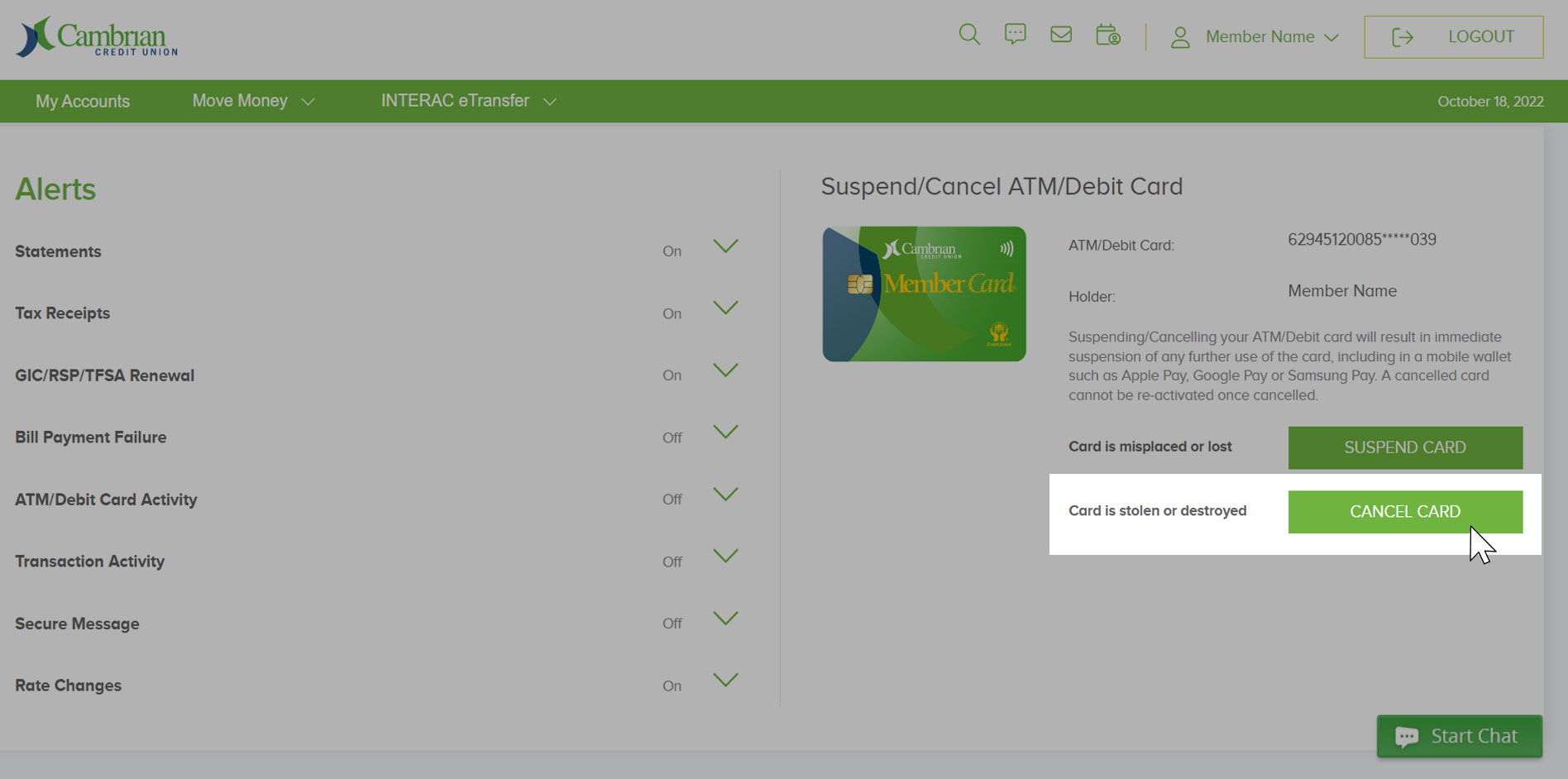
A common error is assuming that blocking a card will stop all pending transactions. While canceling a lost or stolen card is excellent for preventing future fraud, it does not always stop a pending transaction that was already authorized before the card was deactivated.
Another misconception involves "pre-authorized holds," such as those seen at gas stations or hotels. If a hold for a higher amount than the actual purchase appears on your account, wait for the transaction to settle. The bank cannot "cancel" these temporary holds; they typically drop off automatically within 3 to 7 business days once the merchant confirms the final, lower transaction amount.
Reporting Fraudulent Activity
If you suspect your card information was stolen and the payment you see is not yours, do not treat it as a cancellation issue—treat it as a security breach.
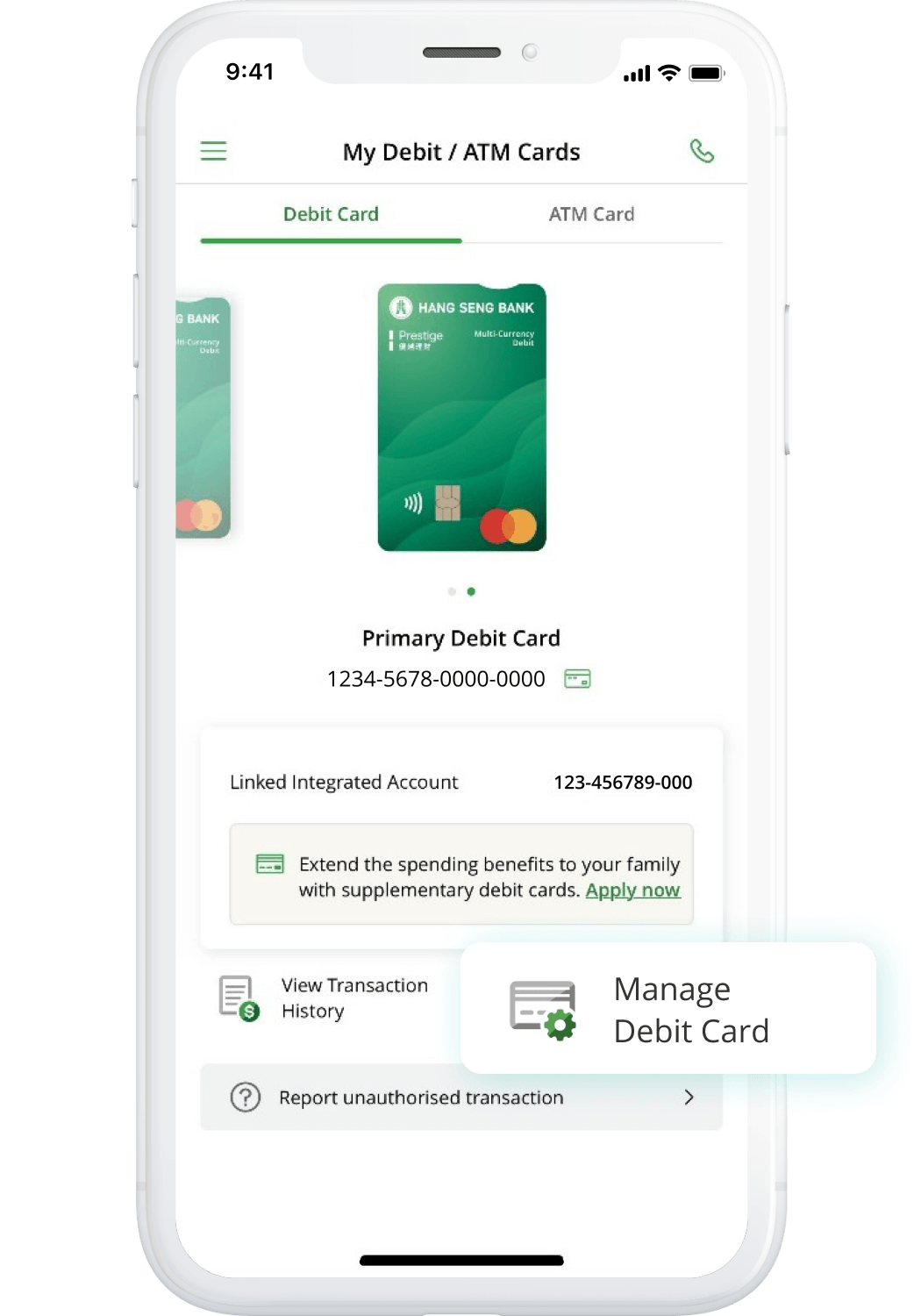
- Freeze or Lock Your Card: Use your banking app to immediately lock your debit card. This prevents further unauthorized charges.
- Report the Fraud: Contact your bank’s fraud department immediately. Under federal law, if you report a lost or stolen card within two business days, your liability for unauthorized transfers is generally capped at $50. If you wait longer, your liability could increase significantly.
- File a Police Report: For high-value fraud, filing a report with your local law enforcement can provide additional documentation if the bank requires it to finalize your claim.
Frequently Asked Questions
Can I cancel a debit card payment once it is marked as "posted"? No. Once a payment is posted, the transaction is settled. You must reach out to the merchant directly for a refund. If the merchant is unresponsive or refuses a legitimate refund, you should then initiate a formal dispute with your bank.
Does calling my bank stop a pending transaction? Not always. Banks have limited control over pending POS transactions. However, if the payment is a recurring electronic withdrawal (ACH or debit-based), the bank is required to honor a stop-payment request if you provide notice at least three business days before the scheduled transfer.
How long do I have to dispute a debit card transaction? Under the Electronic Fund Transfer Act, you typically have 60 days from the date the bank sends the statement containing the error to report it. However, reporting it as soon as possible is always recommended to improve your chances of a successful recovery.
Why is my account balance lower than my available balance? This is likely due to pending transactions or a "pre-authorization hold." Merchants, particularly hotels and rental car agencies, place temporary holds on funds to ensure you have enough money for potential incidental expenses. These are not charges and will be released once the merchant submits the final transaction.
Is there a fee for a stop-payment order? Many banks charge a fee for placing a stop-payment order on a pre-authorized recurring transfer. Review your bank's current fee schedule, as this can range from $20 to $40 per request.
Professional Advice Limitation
The information provided here is for educational purposes based on general banking practices as of 2026. Banking regulations can vary by jurisdiction and specific bank policy. Always consult your account agreement or speak directly with a representative at your financial institution for advice tailored to your specific account type and current financial status.
Next Steps
If you are currently facing an unwanted debit card payment, follow these steps immediately:
- Log into your banking portal to confirm the status (Pending vs. Posted).
- If pending, contact the merchant immediately and ask them to void the authorization.
- If the payment is recurring and you wish to stop it, provide a written request to the merchant to cancel the service, and concurrently notify your bank to revoke future authorizations for that specific merchant.
- If you have been a victim of fraud, lock your card via your app and contact your bank’s fraud hotline immediately.

Image Gallery
Select an image to open it in a new tab.

Vivian Cho
Executive IT and Emerging Technologies Reporter
