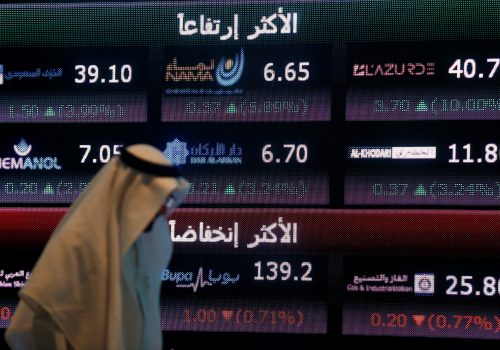
The multi-billion-dollar acquisition of a 70% stake in Saudi Basic Industries Corporation (SABIC) by the Saudi Arabian Oil Company (Saudi Aramco) fundamentally reshapes the global energy architecture by creating an integrated downstream powerhouse that bridges upstream hydrocarbon extraction with high-value petrochemical manufacturing.
The Strategic Anatomy of the Aramco SABIC Transaction
To understand why the integration of Saudi Aramco and SABIC carries such profound weight for international energy markets, one must examine the baseline operational scales of both state-backed titans. Saudi Aramco has historically operated as the world's preeminent crude oil producer, supplying a significant fraction of global petroleum liquids while wielding immense influence over production quotas. SABIC, on the other hand, stands among the globe’s largest petrochemical manufacturers, producing specialized plastics, intermediates, agri-nutrients, and chemicals utilized across consumer and industrial supply chains worldwide.
The acquisition, finalized through a historic $69.1 billion share purchase agreement, represents a structural pivot away from simply pumping crude oil and toward owning the entire value chain. By absorbing SABIC, Aramco secured guaranteed internal demand for its oil and gas feedstocks while acquiring advanced technological capabilities in chemical engineering. This transaction transitions Aramco from a traditional volume-driven petroleum supplier into an agile, diversified chemical and energy conglomerate capable of weathering crude price volatility.
- GLOBAL ENERGY INTEGRATION MATRIX
- Upstream Sector
- Crude Oil Exploration
- Natural Gas Extraction
- Midstream Logistics
- Pipeline Infrastructure
- Maritime Transport
- Downstream & Petrochem
- Refining Operations
- SABIC Chemical Output
- Upstream Sector
Hedging Against the Energy Transition
Global energy markets face an accelerating transition toward lower-carbon alternatives, electric mobility, and stringent environmental regulations. Demand growth for raw transportation fuels is projected to plateau over the coming decades, forcing traditional oil majors to reassess their long-term viability. The Aramco-SABIC merger serves as a masterclass in strategic hedging against this structural shift.
Petrochemicals represent the fastest-growing sector of oil demand. Unlike gasoline and diesel, which face direct displacement by battery-electric vehicles and efficiency standards, petrochemicals are foundational inputs for electronics, medical devices, renewable energy infrastructure, wind turbine blades, and modern packaging. By integrating SABIC, Aramco ensures that a substantial and growing percentage of its crude oil is funneled directly into chemical conversion rather than combustion engines. This operational pivot safeguards the company's long-term revenues against peak-oil demand scenarios while aligning its business model with the physical realities of modern manufacturing.

Operational Synergies and Supply Chain Optimization
The industrial logic underpinning the merger extends far beyond financial consolidation, unlocking massive operational efficiencies across procurement, technology sharing, and logistics. Historically, upstream oil producers and downstream chemical manufacturers operated in distinct silos, negotiating feedstock prices and facing margin pressures during cyclical market downturns.
By bringing SABIC under the corporate umbrella, Aramco achieves unprecedented vertical integration:
- Feedstock Optimization: Refineries can be directly engineered to maximize the yield of petrochemical precursors such as naphtha, ethane, and propane, channeling them straight into SABIC cracking facilities.
- Capital Efficiency: Joint mega-projects in key growth markets—particularly across Asia—combine Aramco’s massive capital resources with SABIC’s proprietary conversion technologies, eliminating redundant spending.
- Research and Development Convergence: Shared R&D initiatives focus heavily on crude-oil-to-chemicals (COTC) technologies, bypassing traditional refining steps entirely to convert raw crude directly into high-value chemical products with minimal energy loss.
Geopolitical and Market Share Implications
The consolidation of these two national champions concentrates immense economic and strategic leverage within the Kingdom of Saudi Arabia, altering competitive dynamics across international energy corridors.
Major competitors in Europe, Asia, and North America—ranging from integrated supermajors like ExxonMobil and Shell to state-backed Asian giants—must contend with a competitor possessing unparalleled access to low-cost raw materials. Aramco’s ultra-low production costs, combined with SABIC’s expansive global distribution network and customer base across more than 50 countries, create a formidable global competitor.
Furthermore, this integration fortifies Saudi Arabia’s broader economic diversification strategy, commonly known as Vision 2030. By capturing higher-margin segments of the hydrocarbon value chain domestically and internationally, the Kingdom generates high-tech employment opportunities, fosters local manufacturing ecosystems, and reduces its structural reliance on unrefined crude oil export revenues.
| Feature / Metric | Saudi Aramco (Pre-Merger) | SABIC (Pre-Merger) | Integrated Entity Impact |
|---|---|---|---|
| Primary Focus | Crude oil & gas extraction | Petrochemicals & polymers | Complete hydrocarbon-to-chemical chain |
| Market Positioning | Volume-driven upstream leader | Value-added manufacturing | Margin resilience across commodity cycles |
| Feedstock Security | Unlimited raw material access | Dependent on market pricing | Guaranteed internal supply integration |
| Transition Readiness | Vulnerable to fuel demand peaks | Positioned for non-combustion growth | Diversified portfolio mitigating peak oil risks |
Frequently Asked Questions
What was the financial valuation of the Aramco SABIC transaction?
The definitive agreement involved Saudi Aramco acquiring a 70% equity stake in SABIC from the Public Investment Fund (PIF) of Saudi Arabia for a total purchase price of approximately $69.1 billion, making it one of the largest corporate transactions in energy sector history.
How does the merger protect Aramco from renewable energy adoption?
As electrification and clean energy reduce petroleum consumption for internal combustion engines, demand for petrochemicals continues to expand. The merger allows Aramco to convert crude oil directly into plastics and industrial chemicals, decoupling its revenue model from the transportation fuel market.
What are crude-oil-to-chemicals (COTC) technologies?
COTC technologies bypass traditional oil refining steps—such as producing gasoline and diesel—and instead convert crude oil feedstock directly into petrochemical building blocks like ethylene and propylene, significantly lowering production costs and carbon intensity per barrel.
How does this deal affect global petrochemical competitors?
International competitors face intensified pricing pressure because the merged entity commands an unmatched combination of ultra-low-cost feedstock production, extensive proprietary chemical technologies, and deep integration across global supply chains.
Is SABIC still a publicly traded company?
Yes, SABIC remains a publicly listed joint-stock company on the Saudi Exchange (Tadawul), with Saudi Aramco holding the controlling 70% stake and the remaining 30% held by public shareholders.
Strategic Outlook and Next Actions
For energy analysts, institutional investors, and industrial stakeholders monitoring global commodity flows, the Aramco-SABIC merger serves as a definitive blueprint for how traditional hydrocarbon giants must adapt to a changing world. Tracking the progress of joint crude-oil-to-chemicals complexes, particularly in high-growth Asian markets, provides vital insight into the future equilibrium of global energy and manufacturing supply chains.
Image Gallery
Select an image to open it in a new tab.
Akira Tanaka
International Academic Trends Correspondent
