Understanding the Baby Perch: Biology, Life Cycle, and Ecological Role
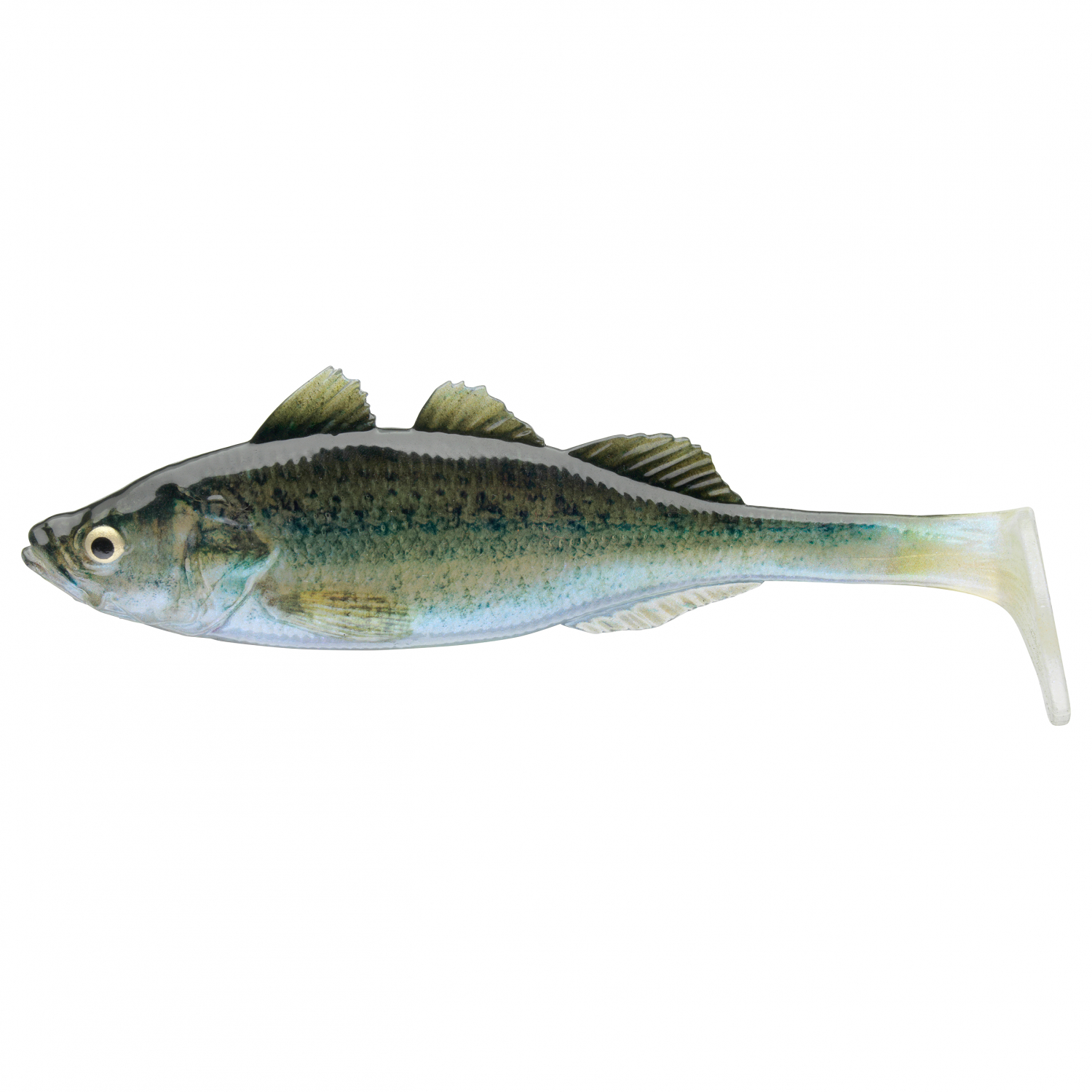
A baby perch, or larval perch, refers to the early developmental stage of fish belonging to the genus Perca. These small, transparent, and highly vulnerable organisms represent the critical transition period between hatching from eggs and developing into free-swimming, predatory juveniles. Understanding their biological requirements is essential for assessing aquatic ecosystem health and managing fisheries.
The Developmental Stages of a Perch
To understand what constitutes a "baby" perch, one must look at the progression from the egg to the fingerling stage. The lifecycle of a perch, such as the yellow perch (Perca flavescens) in North America or the European perch (Perca fluviatilis), is characterized by specific milestones that dictate their survival.
Immediately after hatching, the organism is referred to as a larva. During this phase, the perch is often just a few millimeters long. It possesses a yolk sac, which provides its initial nutritional requirements. At this stage, the fish is poorly developed; it lacks functional fins for sustained swimming and often drifts with water currents. This is the period of highest mortality for the species, as they are susceptible to predation by macroinvertebrates, larger fish, and even cannibalism by older conspecifics.
Once the yolk sac is absorbed, the larva must transition to exogenous feeding—hunting for microscopic prey like rotifers, copepods, and cladocerans. As they begin to grow and develop pigmentation and functional fin rays, they transition into the fry stage. Finally, as they reach a size of several centimeters and move toward the juvenile stage, they are often referred to as fingerlings.
Ecological Requirements for Survival
The survival of a baby perch is dictated by the precise intersection of water temperature, photoperiod, and food availability. In temperate climates, perch spawning occurs in the spring, typically as water temperatures rise toward 45°F to 50°F (7°C to 10°C).
- Substrate Quality: Perch eggs are laid in gelatinous, ribbon-like strands that are often draped over submerged vegetation, branches, or rocks. If the water level fluctuates significantly after spawning, these egg strands can be stranded above the waterline, leading to total brood failure.
- Foraging Efficiency: The transition from yolk-sac nutrition to active hunting is the "critical period." If the hatching of the perch larvae does not synchronize with the peak abundance of their zooplankton prey, the larvae will starve.
- Water Quality: Baby perch are sensitive to changes in pH, turbidity, and dissolved oxygen. High turbidity can hinder their visual hunting ability, while low dissolved oxygen levels—common in stagnant, eutrophic waters—can suffocate the delicate larvae before they reach the fry stage.
Behavioral Characteristics
Unlike adult perch, which are often schooling fish that prefer specific benthic or limnetic zones, baby perch exhibit behaviors dictated by the need for concealment. During the larval and early fry stages, they exhibit positive phototaxis, meaning they are attracted to light, which draws them toward the surface where temperatures are slightly warmer and plankton is more abundant.
As they grow into the juvenile stage, their behavior shifts. They begin to associate with submerged cover, such as weeds or woody debris. This behavioral shift is a defense mechanism against predators. Because they are transparent during their earliest days, they are difficult for predators to see, but as they develop scales and pigmentation, they rely more on structural complexity in their environment to avoid detection by larger piscivorous fish like bass, northern pike, or walleye.
Comparison of Early Development Stages
| Developmental Stage | Approximate Size | Key Characteristics |
|---|---|---|
| Larva | 5–10 mm | Yolk sac present, transparent, weak swimmer, drifting. |
| Post-Larva | 10–20 mm | Yolk sac absorbed, active predator of micro-zooplankton. |
| Fry | 20–50 mm | Pigmentation developing, schooling behavior begins, fins fully formed. |
| Fingerling | 50–100 mm | Scaled, resembles adult form, diet shifts to small insects/crustaceans. |
The Role of Temperature and Climate
Temperature is the primary driver of growth rates in baby perch. Because perch are ectothermic (cold-blooded), their metabolic rate increases with the water temperature. In the warmer months of 2026, biologists observing local perch populations note that those in shallower, sun-warmed bays often reach the fingerling stage significantly faster than those in deeper, cooler areas.
However, excessive warmth can be detrimental. If water temperatures rise beyond the optimal range for the species, it can lead to thermal stress, increased metabolic demand that exceeds caloric intake, and reduced levels of dissolved oxygen. The balance between growth-promoting warmth and physiological stress is a narrow window that determines the strength of a given year-class of perch.
Common Threats to Larval Populations
The mortality rate of baby perch is extreme; out of the hundreds of thousands of eggs a single female might produce, only a tiny fraction survive to adulthood. Understanding these threats is vital for those interested in conservation or fishery management.
- Predation: The most significant threat. Insects like dragonfly nymphs, water boatmen, and larger fish feed heavily on perch larvae.
- Starvation: As mentioned, the temporal mismatch between larval hatching and zooplankton blooms is a common cause of population crashes.
- Habitat Loss: The removal of submerged aquatic vegetation, often due to shoreline development, destroys the critical nursery habitats that baby perch rely on for shelter from the elements and predators.
- Contaminants: Agricultural runoff, which introduces pesticides or excess nutrients, can create conditions unfavorable for the sensitive larval stages.
FAQs Regarding Baby Perch
1. At what age does a baby perch become an adult? Perch generally reach sexual maturity between two and four years of age, depending on the latitude and local water temperatures. A "baby" perch is only considered such during its first year of life, primarily moving past this designation once it successfully navigates its first winter.
2. Are baby perch the same thing as minnows? No. Minnows belong to the family Cyprinidae. While a baby perch may be similar in size to an adult minnow, they are taxonomically distinct. A baby perch will grow into a large, predatory fish, whereas a minnow will remain a relatively small forage fish throughout its life.
3. Do baby perch eat plants? No. Throughout their lifecycle, perch are carnivorous. As larvae, they consume microscopic zooplankton; as they grow, they move to small aquatic insects, crustaceans, and eventually other small fish.
4. Why are some baby perch yellow while others are clear? Transparency is a survival trait in the larval stage, helping them avoid predators. As they grow and develop, their natural coloration—which is often yellow or gold with darker vertical bars—begins to emerge as they transition from being "drifters" to "hiders."
5. How can I tell if there are baby perch in my local pond? During late spring and early summer, you may spot small, slender, translucent schools of fish swimming near the surface or along the edges of weed beds. Their movement is usually jerky and rapid. If you have access to a fine-mesh net, you can perform a plankton tow to observe them closely, though it is recommended to return them immediately to minimize stress.
Practical Steps for Protecting Local Populations
If you are an angler or a pond owner interested in supporting perch populations, focus your efforts on habitat protection. The most effective way to help baby perch is to maintain or restore native aquatic vegetation in the littoral zone (the near-shore area). This vegetation acts as both a nursery for the larvae and a sanctuary from predators.
Additionally, avoid disturbing shorelines during the peak spawning season, which typically occurs when water temperatures hit the 45°F to 50°F range. By allowing the egg strands to develop undisturbed, you ensure the highest possible recruitment of the next generation. If you are managing a private water body, consult with a local fisheries biologist to conduct a survey and determine if your water quality parameters support the delicate transition from larva to fingerling.
Image Gallery
Select an image to open it in a new tab.
Celine Dubois
Contemporary Living and Global Arts Columnist
