The Truth About Latex-Free Sports Bras: Materials, Allergies, and Hidden Triggers

Many sports bras advertised as latex-free still cause skin irritation, redness, and severe allergic reactions during workouts. The truth is that while synthetic fibers like spandex rarely contain natural latex proteins, chemical accelerators in elastic bands, hidden rubber cores, and textile dyes frequently trigger allergic contact dermatitis when exposed to heat and sweat.
Medical Disclaimer
This guide is intended for informational and educational purposes only. It does not constitute formal medical advice, diagnosis, or treatment. If you experience severe skin reactions, swelling, hives, or breathing difficulties during or after athletic activity, consult a board-certified allergist or dermatologist immediately.
Understanding Latex in Activewear: Why It Is Used and Where It Hides
Natural rubber latex (NRL) has historically served as the foundation of stretch textiles due to its exceptional elasticity, recovery strength, and durability. Derived from the sap of the Hevea brasiliensis tree, natural latex contains plant proteins that provide high tensile strength. In high-impact activewear—specifically sports bras—elasticity is paramount. Chest bands, shoulder straps, and edge bindings require sustained recovery force to prevent bounce and support breast tissue during physical exertion.
Despite advancements in synthetic materials, natural rubber latex remains common in garment manufacturing, often concealed within the construction of the garment rather than declared on the outer fabric label.
SPORTS BRA ELASTIC ANATOMY
- Outer Fabric Layer: Polyester / Nylon / Cotton
- Core Elastic Band: Wrapped Natural Rubber OR Synthetic Elastomer
- Inner Stitching Thread & Grippers: Polyurethane / Latex / Silicone
Latex hides in several discrete components of standard sports bras:
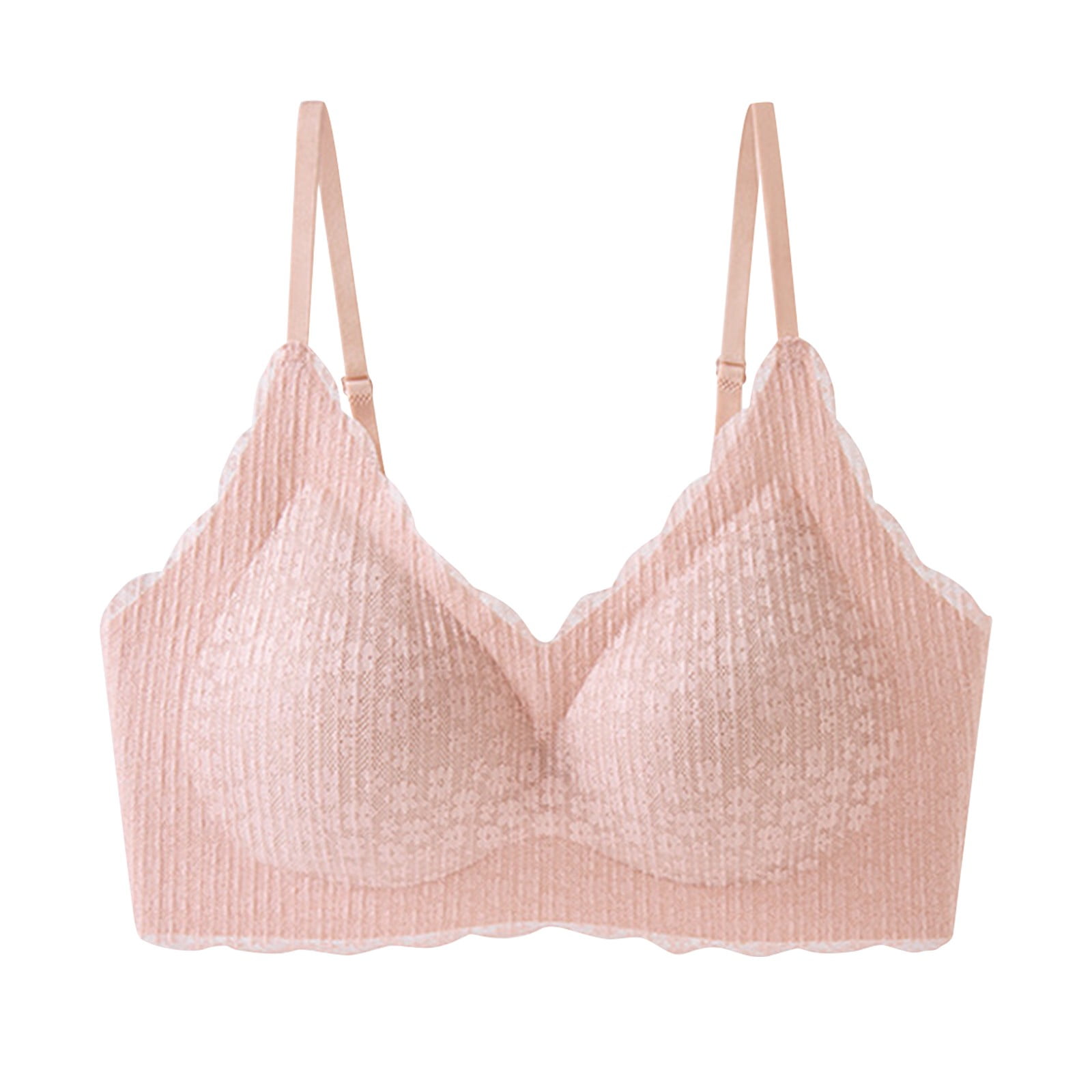
- Enclosed Chest Bands: Manufacturers frequently use low-cost natural rubber elastic cores wrapped inside synthetic fabric casings. While the skin does not touch the rubber directly when the garment is new, microscopic breaks in the outer wrapping allow latex proteins to migrate outward.
- Strap Bindings and Seams: Shoulder straps and armhole bindings often utilize core elastic threads containing natural rubber to retain tension over repeated wash cycles.
- Silicone and Rubber Anti-Slip Grippers: High-impact sports bras and compression tops often incorporate rubberized print bands or internal dots around the ribcage to prevent the garment from riding up. These grippers frequently incorporate raw latex or chemical sensitizers.
- Covered Stitching Thread: Stretchable seams require elastic thread. In budget activewear, this thread may utilize a core of natural latex wrapped in cotton or polyester thread.
Medical Reality: Type I Latex Allergy vs. Type IV Chemical Contact Dermatitis
Understanding skin reactions to activewear requires distinguishing between two entirely different biological pathways: Type I immediate hypersensitivity and Type IV delayed hypersensitivity. A common point of confusion among consumers is assuming that any skin reaction under a sports bra band is a "latex allergy."
Type I Latex Hypersensitivity (IgE-Mediated)
Type I reactions are true allergic responses to water-soluble proteins (Hev b proteins) found in natural rubber latex. Triggered by the body's immune system producing Immunoglobulin E (IgE) antibodies, Type I reactions occur rapidly—often within minutes of contact.
Symptoms of a Type I latex allergy range from localized contact urticaria (hives and raised welts) to system-wide anaphylaxis, facial swelling, rhinitis, and asthma. For individuals with a diagnosed Type I latex allergy, exposure to even microgram quantities of natural rubber proteins leaching through garment fabric poses a severe health risk.
Type IV Allergic Contact Dermatitis (ACD)
Type IV reactions are delayed, cell-mediated immune responses governed by T-lymphocytes. Unlike Type I allergies, Type IV reactions are not caused by natural rubber proteins; instead, they are caused by chemical accelerators used during the chemical vulcanization process of both natural rubber and synthetic elastics.
Type IV symptoms typically appear 12 to 72 hours after exposure and present as localized eczema, intense itching, erythema (redness), scaling, and fluid-filled blisters directly beneath the area of skin contact (such as the under-bust line).
Common chemical additives responsible for Type IV contact dermatitis in sports bras include:
- Thiurams (e.g., tetramethylthiuram disulfide): Vulcanization accelerators used to harden rubber and synthetic elastomers.
- Carbamates: Accelerators used in rubber processing that frequently cross-react with sensitive skin.
- Mercaptobenzothiazole (MBT) and Mercapto Compounds: Chemical compounds used to accelerate elasticity retention in athletic bands.
- P-Phenylenediamine (PPD) and Textile Dyes: Dark dyes (especially synthetic disperse dyes used on polyester and nylon) that leach onto sweaty skin.
Because sweat, pressure, and skin friction act as solvents and catalysts, high-intensity workouts create the ideal environment for chemical accelerators to migrate out of synthetic fabrics and penetrate the stratum corneum (the outermost skin layer). Consequently, an athlete may react severely to a sports bra that is technically "100% natural latex-free" due to chemical accelerators present in synthetic elastics.
The Spandex Myth: Is Elastane Safe for Latex Sensitivities?
A widespread misconception in the apparel industry is that replacing natural latex with Spandex (also known as Elastane or Lycra) solves all allergy issues.
Spandex is a synthetic block copolymer composed of polyurethanes. Because Spandex is entirely synthetic, it contains no natural rubber latex proteins. From a strict Type I latex allergy perspective, pure Spandex is safe. An individual with a high-risk IgE latex allergy will not experience anaphylaxis from pure polyurethane Spandex.
However, labeling a bra as containing Spandex does not guarantee it is completely free from natural rubber or non-allergenic:
- Blended Core Elastics: Garment tags stating "85% Polyester, 15% Spandex" describe the main body fabric. They rarely detail the composition of the internal chest band, which may blend Spandex with natural rubber threads to reduce manufacturing costs.
- Chemical Processing Aids: Spandex production relies on residual solvents, polyurethane catalysts, and finishing oils. Sensitivity to polyurethane additives can trigger non-allergic irritant contact dermatitis (ICD) or Type IV chemical contact dermatitis that closely mimics a latex allergy.
- Friction and Heat Occlusion: Spandex fabrics fit tightly to provide compression. Compression increases occlusion, trapping sweat, salts, and residual detergent chemicals against the skin barrier. This microclimate disrupts skin lipid layers, making the skin hyper-reactive to mechanical friction and chemical traces.
Apparel Labeling Laws and Hidden Additives
Consumers seeking pure, allergy-safe athletic wear face significant structural challenges in garment labeling regulations.
Under federal regulations, such as the United States Federal Trade Commission (FTC) Textile Fiber Products Identification Act and comparable international regulations, apparel labels are only required to disclose the fiber content of the main body fabric.
WHAT GARMENT LABELS SHOW VS. HIDE
- REQUIRED ON LABEL:
- Main Body Fabric Fiber Content (e.g., 80% Nylon, 20% Spandex)
- Country of Origin
- Care Instructions
- EXEMPT FROM LABEL MANDATES:
- Core Elastic Bands inside hemlines and under-bust bands
- Elastic Thread used in stretch stitching
- Chemical Accelerators (Thiurams, MBT, Carbamates)
- Textile Dyes, Flame Retardants, and Water Repellents
- Chemical Finishing Agents and Formaldehyde Resins
Furthermore, medical labeling standards established by the U.S. Food and Drug Administration (FDA)—which strictly prohibit the term "latex-free" on medical devices due to the difficulty of testing for total protein absence—do not apply directly to consumer activewear. Consequently, a fashion brand may market a garment as "latex-free" based on its body fabric, even if the internal trim contains natural rubber components or chemical accelerators.
Emerging Chemical Concerns: PFAS and BPA in Activewear
Testing by consumer advocacy groups and independent laboratories has revealed additional chemical concerns in synthetic athletic wear. High concentrations of Bisphenol A (BPA) and per- and polyfluoroalkyl substances (PFAS) have been detected in polyester-spandex blend sports bras produced by major activewear brands.
BPA is used as a chemical stabilizer and color-fastness agent in synthetic fabrics. When synthetic sports bras rely heavily on polyester-spandex formulations, BPA can be absorbed through the skin, particularly when sweating. For individuals with sensitive skin or compromised skin barriers, these synthetic additives add another layer of potential dermatological irritation beyond traditional latex or rubber accelerators.
Comparing Activewear Elastic Types and Allergenic Risks
Selecting a safe sports bra requires evaluating the specific materials used in both the fabric and the elastic bands. The table below outlines common elastic and fiber constructions, their allergy risk profiles, and their suitability for athletic performance.
| Elastic / Fiber Construction | Type I Latex Allergy Risk | Type IV Chemical ACD Risk | Sweat & Friction Resistance | Athletic Support Level | Best Suited For |
|---|---|---|---|---|---|
| Natural Rubber Latex (NRL) Core | High | High (Thiurams/Carbamates) | High elasticity, degrades under oily sweat | High to Very High | Non-sensitive individuals requiring high compression |
| Covered Natural Rubber Elastic | Moderate to High (Proteins leach over time) | High | Degrades over wash/wear cycles | High | Standard activewear (Avoid if allergic) |
| Standard Spandex / Elastane Blend | None (No natural proteins) | Moderate (Processing agents/finishes) | High chemical stability | High | General population, Type I latex-allergic individuals |
| Latex-Free Polyurethane Elastic | None | Low to Moderate | High resistance to heat and oils | Medium to High | Individuals with confirmed Type I latex hypersensitivity |
| 100% Organic Cotton (Elastic-Free / Drawstring) | None | Very Low | Excellent absorption, zero elastic stretch | Low to Moderate | Severe Type I & Type IV allergic contact dermatitis |
| Encased Spandex-Free Natural Cotton | None | Very Low | Absorbs moisture; requires frequent washing | Moderate | Sensitive skin, low-impact activities (Yoga, walking) |
Hypoallergenic and Truly Latex-Free Alternatives
For individuals dealing with verified latex allergies, Type IV contact dermatitis, or extreme chemical sensitivities, standard off-the-rack synthetic sports bras are rarely suitable. Navigating safe activewear requires choosing specific fabric architectures designed to isolate or eliminate elastic triggers.
1. 100% Organic Cotton with Encased Polyurethane Elastics
Organic cotton certified under the Global Organic Textile Standard (GOTS) eliminates synthetic chemical pesticides, heavy metal dyes, and formaldehydes. Brands specializing in hypoallergenic athletic wear use GOTS-certified organic cotton constructed with 100% latex-free polyurethane elastic bands. Crucially, higher-quality allergy-safe garments completely encase the elastic inside layers of 100% organic cotton fabric so that no synthetic elastic material ever makes direct contact with the skin.
2. Elastic-Free and Spandex-Free Designs
For individuals suffering from Type IV allergic contact dermatitis triggered by vulcanization chemicals (thiurams and carbamates), even synthetic elastics can cause severe reactions.
Elastic-free sports bras rely on heavy-gram-weight natural cotton knits, double-layered fabric panels, adjustable drawstring ties, or metal eyelet closures to provide support without using stretch bands. While these bras offer lower compression than synthetic high-impact bras, they eliminate the chemical catalysts responsible for exercise-induced contact dermatitis.
3. Independent Textile Certifications
When evaluating latex-free sports bras, do not rely solely on store marketing copy. Look for third-party certifications verifying chemical purity:
- OEKO-TEX Standard 100 (Class I or Class II): Guarantees that every component of the garment—including threads, buttons, zip closures, and elastic linings—has been tested for over 300 harmful chemicals, banned azo dyes, nickel, and formaldehyde.
- GOTS (Global Organic Textile Standard): Ensures at least 95% organic fibers, strict non-toxic processing rules, and complete exclusion of aromatic solvents, heavy metals, and natural rubber latex trims.
- Global Recycled Standard (GRS) with Chemical Screening: Ensures recycled synthetic fibers are screened for residual industrial chemical contamination.
Step-by-Step Guide: How to Select and Test a Safe Sports Bra
If you suspect your activewear is causing skin irritation or allergic reactions, follow this structured process to select and test new garments.
5-STEP ACTIVEWEAR ALLERGY SCREENING
- Step 1: Audit Current Activewear (Identify symptoms & placement)
- Step 2: Read Fabric Composition & Request Elastic Material Specs
- Step 3: Verify Independent Certification (OEKO-TEX / GOTS)
- Step 4: Perform a Pre-Wash & Patch Test (Wear unwashed/washed)
- Step 5: Conduct a Controlled Workout Trial (Monitor 72 hrs)
Step 1: Audit Your Current Garments
Examine where your skin reaction occurs.
- If the rash appears exclusively along the under-bust line or armhole bindings, the trigger is likely the core elastic, rubber grippers, or chemical accelerators in the band.
- If the rash is widespread across the chest and back, the cause is more likely disperse textile dyes, synthetic fabric finishes, or trapped detergent residues.
Step 2: Request Full Material Transparency from the Manufacturer
Before purchasing, contact the manufacturer's customer support directly. Ask three specific questions:
- Does the elastic inside the chest band or stitching contain Natural Rubber Latex (NRL)?
- Are the elastic components made from 100% latex-free synthetic polyurethane?
- Is the elastic band completely encased in outer fabric, or does exposed elastic touch the skin?
Step 3: Check Certification Labels
Prioritize garments carrying certified OEKO-TEX Standard 100 or GOTS labels. These independent standards verify that the garment has undergone rigorous laboratory testing for skin-sensitizer chemicals.
Step 4: Perform a Pre-Wash and Skin Patch Test
Always wash new activewear prior to use using a fragrance-free, dye-free, hypoallergenic liquid detergent. Double-rinse the garment to eliminate residual manufacturing surfactants.
Before wearing the bra during an intense workout, perform an inactive patch test:
- Place a section of the bra's chest band against your inner forearm or lower ribcage.
- Secure it with non-allergenic medical tape for 2 to 4 hours while at rest.
- Remove the fabric and inspect the skin immediately, then re-inspect at 24, 48, and 72 hours for delayed Type IV contact dermatitis reactions.
Step 5: Conduct a Controlled Exercise Trial
If no reaction occurs during the inactive patch test, wear the bra during a short, moderate workout. Sweat acts as a solvent for residual chemicals; testing under real exertion conditions allows you to observe how your skin handles combined moisture, friction, and heat. Monitor the contact areas for 72 hours following the workout.
Frequently Asked Questions
Can I be allergic to a sports bra even if the label says "Latex-Free"?
Yes. The term "latex-free" only means the garment does not contain natural rubber proteins derived from the rubber tree. It does not mean the bra is free of chemical accelerators (such as thiurams or carbamates used in synthetic elastic), disperse textile dyes, formaldehyde finishing resins, or BPA, all of which cause allergic contact dermatitis.
Does Spandex/Elastane contain natural rubber latex?
No. Spandex (Elastane) is a 100% synthetic polyurethane block copolymer. It does not naturally contain latex proteins. However, garments containing Spandex may still feature internal bands made with natural rubber latex, or use chemical processing agents that trigger skin sensitivities.
Why does my rash only appear hours after my workout ends?
This delay is characteristic of Type IV Allergic Contact Dermatitis (ACD). Type IV reactions are cell-mediated responses triggered by white blood cells (T-cells) reacting to chemical sensitizers. It typically takes 12 to 72 hours for the immune system to manifest redness, swelling, and itching after exposure.
Are sports bras made of 100% organic cotton supportive enough for running?
Standard 100% organic cotton bras without elastic provide lower compression than synthetic spandex blends, making them best suited for low-to-moderate impact activities like walking, yoga, and weightlifting. However, high-impact hypoallergenic sports bras constructed with high-density double-knit cotton and fully encased, latex-free polyurethane elastics can provide sufficient support for running without placing synthetic materials in contact with the skin.
How do sweat and friction make sports bra allergies worse?
Sweat contains water, salts, and lipids that act as solvents, dissolving trace chemicals from fabric fibers and elastic bands. Combined with mechanical friction during exercise and heat-induced vasodilation (opening of skin pores), these dissolved chemicals penetrate the skin barrier much faster than they would on dry skin at rest.
What detergent should I use to wash hypoallergenic sports bras?
Use a free-and-clear liquid laundry detergent formulated for sensitive skin that contains zero fragrances, optical brighteners, fabric softeners, or enzymes. Avoid commercial fabric softeners completely, as they coat synthetic and natural fibers with chemical film that traps heat, locks in sweat, and degrades elastic components over time.
Practical Recommendations and Next Steps
If you suffer from recurring rashes or allergic reactions beneath your sports bra, take these immediate steps to resolve your symptoms and protect your skin:
- Schedule a Dermatological Patch Test: Consult a board-certified dermatologist or allergist for a standardized chemical patch test (such as the TRUE Test). This diagnostic procedure tests for specific chemical sensitivity drivers, identifying whether your reaction is caused by thiurams, carbamates, mercaptobenzothiazole, disperse dyes, or natural rubber proteins.
- Transition to Encased-Elastic or Synthetic-Free Options: Replace traditional synthetic compression bras with GOTS-certified 100% organic cotton options that feature completely encased elastics or adjustable tie closures.
- Inspect Your Activewear Care Routine: Wash all activewear in fragrance-free detergent, execute an extra rinse cycle, and air-dry garments away from direct high heat to prevent chemical degradation of internal elastic fibers.
Image Gallery
Select an image to open it in a new tab.


Akira Tanaka
International Academic Trends Correspondent
