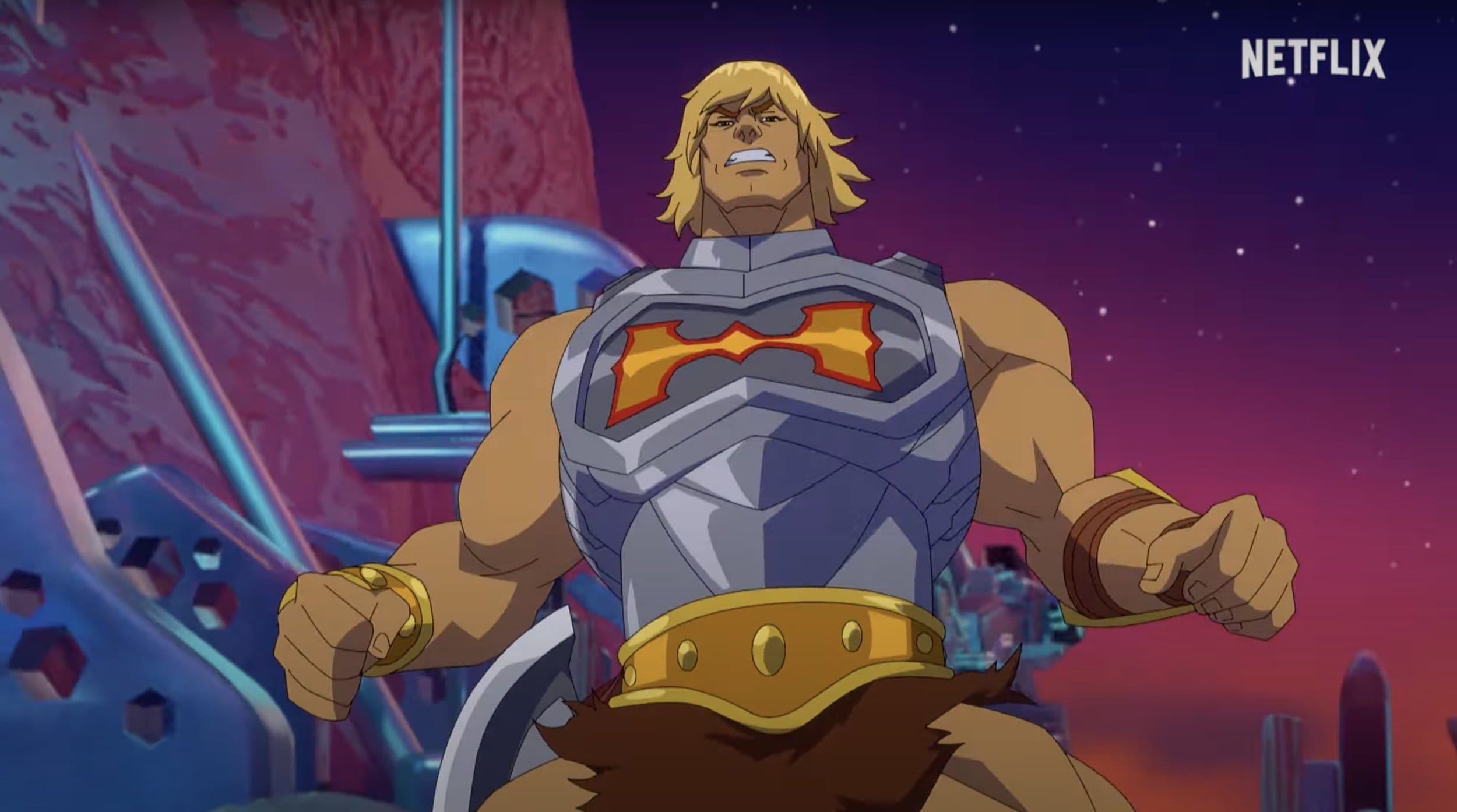
The original 1980s He-Man and the Masters of the Universe cartoon cast features an iconic ensemble of voice actors—most notably John Erwin as He-Man and Alan Oppenheimer as Skeletor—whose performances cemented a toy-driven television franchise into a enduring cornerstone of pop culture history.
Introduction: The Phenomenon of Eternia
When Filmation released He-Man and the Masters of the Universe in syndicated television markets in 1983, it defied traditional animation development. Rather than originating as a comic book or a classic literary adaptation, the series was built directly to support a line of action figures created by Mattel. Yet, the resulting cartoon transcended its commercial origins. At the heart of this success was a distinct voice cast, a dedicated creative team, and a mythological backdrop that blended sword-and-sorcery tropes with advanced science fiction.
Understanding the legacy of the He-Man cartoon cast requires examining the individual voice talent, the vocal versatility required by Filmation's production style, the cultural impact of the series, and how these performances continue to resonate in contemporary media. This comprehensive review explores the actors behind the heroes and villains of Eternia, the production mechanics of the era, and the enduring footprint of the Masters of the Universe franchise.
The Production Landscape of Filmation in the 1980s
To understand the work of the He-Man cartoon cast, one must examine the studio behind them. Filmation, founded by Lou Scheimer, Lou Feinstein, and Hal Sutherland in 1963, operated under a distinct business and creative model. Unlike competitors who outsourced animation overseas, Filmation kept the majority of its production in-house in Los Angeles, California. This localized approach extended to voice recording.
Filmation frequently utilized a relatively small, core repertory company of voice actors. This practice was cost-effective and allowed for rapid production schedules, but it placed immense demands on the vocal talents involved. Actors were required to voice multiple characters per episode, dynamically altering their pitches, accents, and cadences to ensure that heroes and villains sounded distinct, even when performed by the same individual.
Furthermore, Filmation productions were bound by the strict broadcast standards and practices of the era, particularly the Federal Communications Commission (FCC) guidelines regarding children's television programming and the Television Code of the National Association of Broadcasters. These rules mandated that shows incorporate explicit moral lessons, avoid excessive graphic violence, and resolve conflicts with clear, constructive takeaways. The voice cast had to deliver these educational wrap-ups at the end of each episode—a signature element of the show's format—while maintaining the dramatic weight of the fantasy narrative.

Core Heroes of the Heroic Warriors
The Heroic Warriors of Eternia defended Castle Grayskull and the secrets of the Power of Grayskull against the evil forces of Skeletor. The vocal performances for these characters established archetypes that influenced animated television for decades.
He-Man / Prince Adam (Voiced by John Erwin)
John Erwin provided the dual voice for Prince Adam, the seemingly carefree ruler of Eternia, and He-Man, the most powerful man in the universe. Erwin approached the role with a commanding, resonant baritone for He-Man, projecting physical strength, moral certainty, and steady calm. Conversely, for Prince Adam, Erwin adjusted his vocal placement to be slightly higher, lighter, and more relaxed, successfully conveying a distinct alter ego without requiring an elaborate disguise. Erwin's ability to maintain this dual identity became central to the dramatic tension of the series, as viewers watched Adam conceal his secret identity from his peers while transforming at moments of crisis.
Teela and Sorceress (Voiced by Linda Gary)
Linda Gary was a prolific voice actress whose work formed the backbone of Filmation’s female character roster. As Teela, the Captain of the Royal Guard, Gary delivered a performance defined by athleticism, tactical intelligence, and sharp wit. She portrayed Teela not as a passive damsel in distress, but as an active, combat-ready warrior who frequently challenged Prince Adam's perceived timidity. As the Sorceress of Castle Grayskull, Gary shifted her vocal register entirely, utilizing a softer, echoing, and ethereal tone that conveyed ancient wisdom, mystical authority, and solemn duty. Gary also voiced Evil-Lyn, demonstrating remarkable range by pivoting seamlessly from benevolent mystic to treacherous villainess.
Man-at-Arms / Duncan (Voiced by Alan Oppenheimer)
Alan Oppenheimer voiced Man-at-Arms, the royal weapons master, mentor to Prince Adam, and adoptive father to Teela. Oppenheimer imbued Duncan with a warm, paternal authority blended with scientific curiosity. His voice provided a grounding, stabilizing presence in the royal court of Eternia. Oppenheimer's vocal work helped establish Man-at-Arms as the intellectual anchor of the Heroic Warriors, capable of explaining complex technological devices and magical artifacts with equal conviction.
Orko (Voiced by Lou Scheimer)
Orko, the Trollan magician and comedic relief character, was voiced by studio co-founder Lou Scheimer under the pseudonym "Alan Oppenheimer" on rare occasions, though Scheimer primarily used the moniker Erik Gunden or performed uncredited. Orko's voice was famously modulated using an audio effect to create a high-pitched, warbling sound, though Scheimer provided the base vocal track with a light, whimsical cadence. Orko's physical comedy and bumbling magic spells provided necessary levity for younger audiences, balancing the serious fantasy stakes established by He-Man.
Cringer / Battle Cat (Voiced by Alan Oppenheimer)
In addition to Man-at-Arms, Alan Oppenheimer voiced Cringer, Prince Adam’s cowardly, green pet tiger who transformed into the ferocious armored mount Battle Cat. For Cringer, Oppenheimer adopted a nervous, whiny, high-pitched vocal style that accentuated the feline's reluctance to face danger. When transformed into Battle Cat, Oppenheimer dropped his vocal register into a deep, guttural, echoing roar, emphasizing power and loyalty.
The Evil Warriors and Malicious Forces
No heroic epic functions without an opposing force of villains. The cast of antagonists in He-Man and the Masters of the Universe relied on theatricality, distinct vocal signatures, and dark humor.
| Character | Primary Voice Actor | Vocal Style & Signature Traits |
|---|---|---|
| Skeletor | Alan Oppenheimer | Raspy, theatrical, echoing baritone with dark humor and booming laughter. |
| He-Man / Adam | John Erwin | Commanding baritone (He-Man); lighter, relaxed tenor (Adam). |
| Teela / Sorceress | Linda Gary | Athletic, sharp (Teela); ethereal, echoing mystic (Sorceress). |
| Man-at-Arms | Alan Oppenheimer | Warm, paternal, authoritative scientific mentor tone. |
| Evil-Lyn | Linda Gary | Seductive, sharp, calculating, and ambitious sorceress register. |
| Beast Man | John Erwin | Low, guttural, grunting animalistic snarls mixed with speech. |
Skeletor (Voiced by Alan Oppenheimer)
Alan Oppenheimer’s portrayal of Skeletor stands as one of the most memorable villain performances in animation history. Eschewing a generic monster voice, Oppenheimer crafted a theatrical, raspy, and booming baritone that dripped with sarcasm, arrogance, and thwarted ambition. Skeletor’s high-pitched, echoing cackle became an instant auditory identifier for the series. Oppenheimer balanced Skeletor's genuine menace with a comedic self-awareness, ensuring that the villain remained entertaining even when his plans for world domination repeatedly failed. This vocal blueprint directly influenced subsequent iterations of the character in later television reboots and feature projects.
Evil-Lyn (Voiced by Linda Gary)
As Skeletor’s second-in-command and resident sorceress, Linda Gary gave Evil-Lyn a cool, calculating, and ambitious vocal delivery. Unlike Skeletor’s bombastic outbursts, Evil-Lyn spoke with a smooth, sharp, and confident tone. Gary portrayed her as intellectually superior to many of Skeletor’s brutish henchmen, often highlighting her willingness to betray her master if an opportunity for personal power arose.
Beast Man and Trap Jaw (Voiced by John Erwin)
John Erwin demonstrated his range by voicing several members of Skeletor’s inner circle, including Beast Man and Trap Jaw. For Beast Man, Erwin utilized a low, guttural, rasping voice filled with animalistic snarls, grunts, and clipped sentences that reflected the character’s subservient and wild nature. For Trap Jaw, Erwin added a mechanical edge, playing up the character's aggressive and unhinged personality.
The Cultural and Commercial Impact of the Cast
The success of He-Man and the Masters of the Universe proved that syndicated animation could achieve massive commercial penetration without a network television backing. Within two years of its 1983 debut, the show was broadcast in dozens of countries, generating billions of dollars in retail merchandise sales for Mattel.
The voice cast played a vital role in grounding the surreal, high-concept premise. By treating the material with dramatic sincerity while embracing its pulp fantasy roots, actors like John Erwin, Alan Oppenheimer, and Linda Gary gave emotional weight to plastic action figures. Children across the globe identified not just with the physical molds of the toys, but with the distinct vocal personas established on screen.
Furthermore, the series paved the way for subsequent toy-etic animation syndication blocks in the mid-to-late 1980s, including Filmation's spin-off series She-Ra: Princess of Power (which featured overlapping cast members such as Melendy Britt and George DiCenzo) as well as competing properties like G.I. Joe: A Real American Hero and Transformers.
The Legacy in Modern Media and Collectibles
As the original audience of the 1980s animated series grew into adulthood, the cultural footprint of the He-Man cartoon cast and its legacy evolved from Saturday morning nostalgia into celebrated pop culture history.
Retrospective documentaries, such as those featured in physical media releases and pop culture programs, have frequently highlighted the grueling recording sessions and creative camaraderie of the Filmation voice actors. Despite working under tight deadlines and restricted budgets, the cast maintained a level of professionalism that elevated standard toy commercial animation into memorable storytelling.
In subsequent revivals—such as the 2002 Cartoon Network reboot produced by Mike Young Productions and modern iterations released on streaming platforms—producers often sought out original cast members or paid direct homage to their vocal styling. While newer technology allowed for more fluid animation and serialized storytelling, the character templates established by Erwin, Oppenheimer, and Gary remained the definitive standard for the inhabitants of Eternia.
Frequently Asked Questions
Who voiced He-Man in the original 1980s cartoon?
John Erwin provided the definitive voice for He-Man and his alter ego Prince Adam in the 1983 Filmation animated series, delivering a commanding baritone that defined the character.
Did the same actors voice multiple characters on He-Man?
Yes. Due to Filmation's repertory voice acting model, a small group of actors performed multiple roles. Alan Oppenheimer voiced both Skeletor and Man-at-Arms, while John Erwin voiced He-Man, Beast Man, and Trap Jaw.
How did Alan Oppenheimer create Skeletor's voice?
Alan Oppenheimer crafted Skeletor's voice by combining a raspy, theatrical baritone with heightened emotional delivery and a signature echoing laugh, balancing menace with campy humor.
What was the relationship between Filmation and Mattel?
Mattel created the action figure line, and Filmation produced the animated series as a promotional vehicle. However, the cartoon expanded the lore and established distinct personalities and voices for characters that initially had minimal backstory on toy packaging.
Are the original episodes of the 1980s He-Man cartoon still available?
Yes, the series has been released across various home video formats over the years, including DVD and digital streaming platforms, allowing new generations to experience the original voice performances.
Conclusion and Next Actions
The He-Man cartoon cast and its legacy represent a high-water mark of 1980s syndicated animation. Through disciplined vocal acting, distinct character differentiation, and genuine dedication to the source material, voice talents like John Erwin, Alan Oppenheimer, and Linda Gary transformed plastic action figures into enduring cultural icons. For collectors, media historians, and fans revisiting Eternia, examining the behind-the-scenes production of Filmation provides a deeper appreciation for how classic Saturday morning animation was built. To explore this legacy further, examine archival voice actor interviews, explore remastered home video releases, or study the production history of Filmation studios.
Image Gallery
Select an image to open it in a new tab.


Lars Thomsen
Global Labor Markets and Economic Strategy Editor
