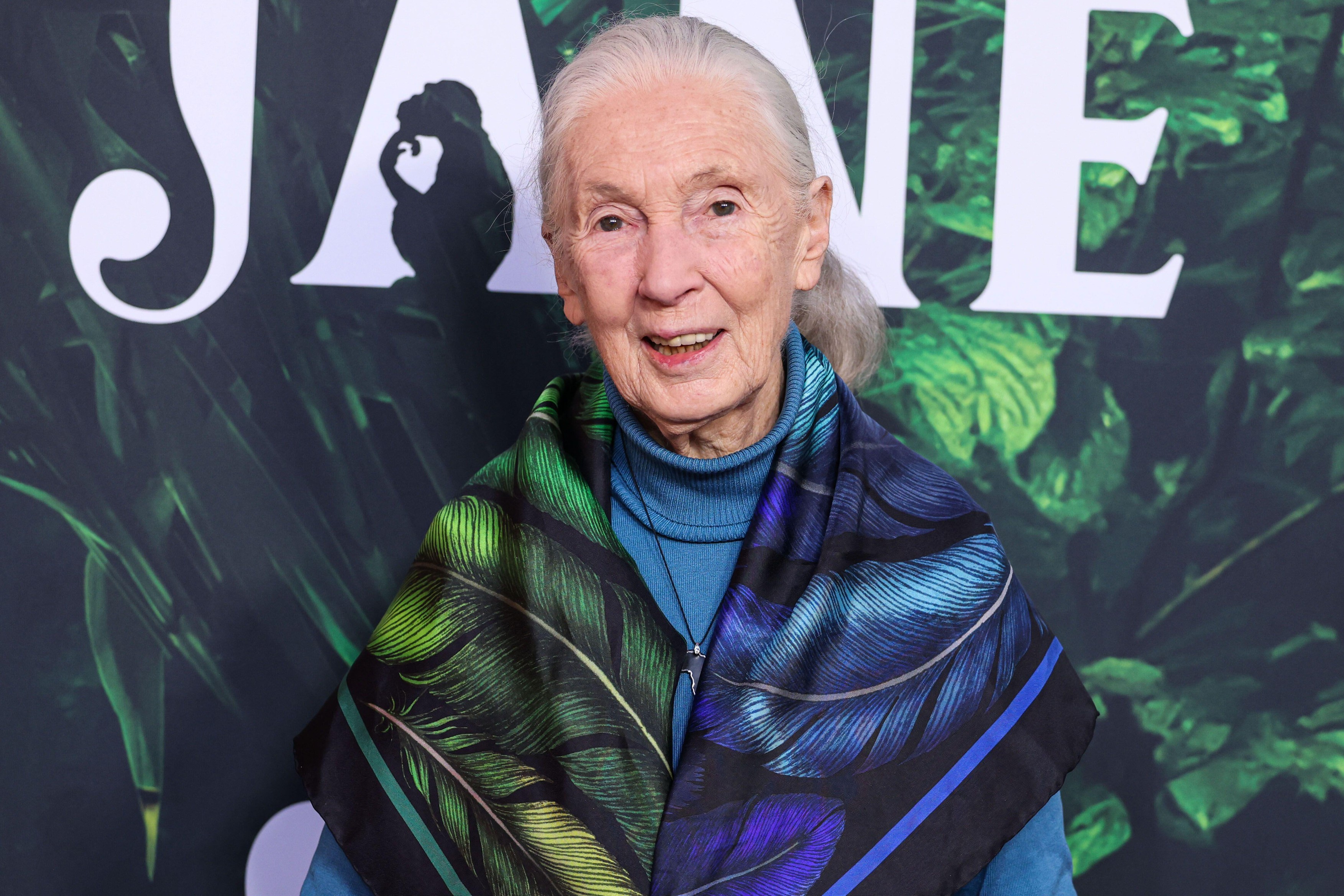
Jane Goodall is a pioneering primatologist because her groundbreaking, decades-long research on wild chimpanzees in Gombe Stream National Park revolutionized the scientific understanding of animal behavior, tool-making, emotion, and humanity’s place in the natural world.
The study of animal behavior underwent a profound paradigm shift in the 1960s, largely due to the work of a young researcher who arrived in the forests of East Africa with no formal university degree, but with boundless patience, profound empathy, and an unyielding commitment to observation. Jane Goodall’s work redefined what science understood about non-human primates and fundamentally altered the philosophical boundary between humans and the rest of the animal kingdom. Understanding why she is celebrated as a pioneering figure requires examining her methodological breakthroughs, her monumental discoveries, and her lasting influence on conservation science and animal welfare.
The Context of Primatology Before Gombe
Before Goodall began her research at Gombe Stream in Tanganyika (now Tanzania) in July 1960, the scientific study of primates was largely confined to laboratory settings, museums, and brief, observational field expeditions. Anthropologists and zoologists typically viewed animals through a rigid, mechanistic lens. Mainstream behaviorists operated under the assumption that animals were driven almost entirely by blind instinct, stimulus-response conditioning, and basic physiological needs.
Furthermore, traditional scientific methodology strictly discouraged anthropomorphism—attributing human emotions, thoughts, or motivations to animals. Researchers numbered their subjects rather than naming them to maintain professional objectivity. When Goodall arrived in Gombe, her mentor, the renowned paleoanthropologist Louis Leakey, believed that studying the behavior of our closest living evolutionary relatives could provide vital clues about the behavior of early hominids. However, the scientific establishment was deeply skeptical that an untrained woman could produce data of academic value. This skepticism ultimately worked to Goodall's advantage, as she was free from the rigid academic dogma of the era, allowing her to forge a radically different path of inquiry.
Methodological Innovations in Field Research
Goodall’s status as a pioneer rests heavily on her revolutionary methodological approach to field primatology. Where previous researchers observed from a distance, collected specimens, or intervened in natural settings, Goodall pioneered a method of immersive, long-term observational fieldwork.
Individual Identification and Naming
Rather than assigning numbers to the chimpanzees she observed, Goodall broke convention by giving them names such as David Greybeard, Goliath, Fifi, and Flo. This practice was initially criticized by traditional scientists as unscientific sentimentality. However, Goodall recognized that chimpanzees possessed distinct personalities, moods, and social preferences. Naming them allowed her to track complex familial relationships, dominance hierarchies, and individual life histories over decades, yielding a depth of data previously thought impossible to gather in the wild.
Patient Habituating Techniques
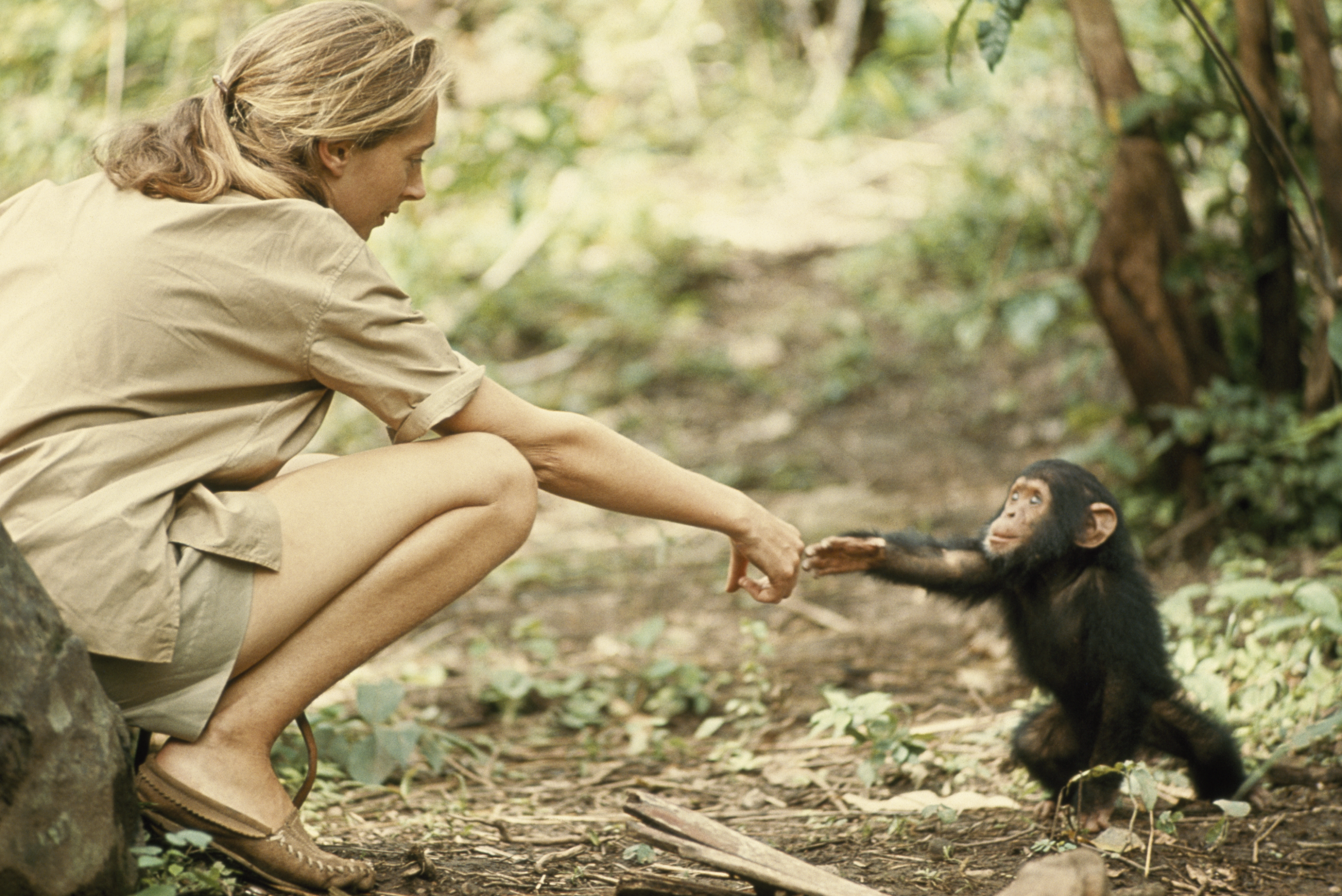
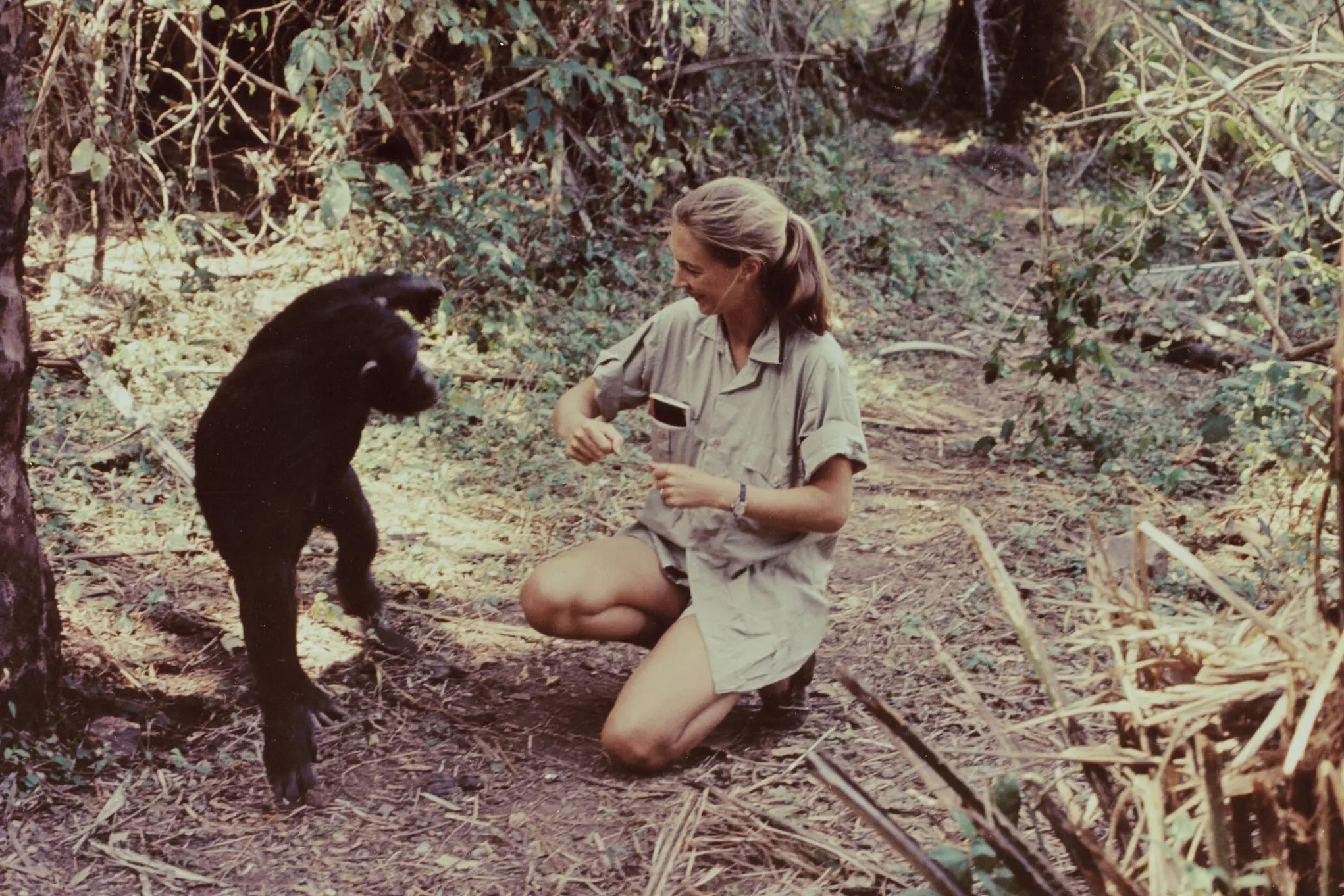
Habituating wild chimpanzees—getting them to accept a human presence without altering their natural behavior—was a painstaking process that took many months. In the early days, the chimpanzees fled whenever they saw her. Instead of chasing them, Goodall sat quietly at a distance day after day, allowing them to adjust to her presence organically. This patient, non-intrusive methodology established the gold standard for behavioral ecology and field primatology, proving that long-term trust yields far more accurate data than intrusive tracking methods.
Qualitative Observation Combined with Quantitative Rigor
Goodall combined meticulous, detailed field journals with systematic behavioral sampling. While her early work relied on rich qualitative descriptions of social dynamics, it was backed by rigorous, consistent daily observation schedules. This dual approach allowed her to document rare, fleeting behaviors that short-term studies routinely missed, bridging the gap between anecdotal natural history and rigorous academic science.
Groundbreaking Scientific Discoveries
The methodological choices Goodall made led directly to discoveries that shattered long-held scientific dogmas about human uniqueness. Her findings forced a total reassessment of human evolution and animal cognition.
| Discovery | Previous Scientific Assumption | Goodall’s Finding at Gombe | Scientific Significance |
|---|---|---|---|
| Tool Manufacture | Only humans make and use tools ("Man the Toolmaker"). | Chimpanzees modify twigs to fish for termites and strip leaves to make sponges. | Redefined the biological definition of humanity; forced Louis Leakey to famously declare, "We must now redefine man, redefine tool, or accept chimpanzees as humans." |
| Predation and Meat-Eating | Chimpanzees are strictly vegetarian or opportunistic herbivores. | Chimpanzees actively hunt small mammals, such as colobus monkeys, in coordinated groups and share the meat. | Demonstrated that complex hunting strategies and meat consumption were not exclusive to early hominids. |
| Aggression and Warfare | Animals live peacefully in nature; human violence is an anomaly of civilization. | Documented systematic territorial conflict, lethal aggression, and intergroup violence (the "Gombe Chimpanzee War"). | Showed that dark aspects of social conflict, warfare, and territorial defense have deep evolutionary roots shared with our closest relatives. |
| Complex Family Bonds | Maternal care in animals is brief and driven purely by instinct. | Mother-infant bonds last for years, with prolonged childhood dependency, sibling support, and lifelong emotional ties. | Highlighted the evolutionary importance of extended parental investment and emotional security in primate development. |
Challenging Anthropocentrism and Redefining Humanity
Before Goodall’s publications, humanity viewed itself as entirely separate from the animal kingdom—a unique creation perched at the pinnacle of nature, separated from beasts by an unbridgeable cognitive chasm. Goodall systematically dismantled this rigid binary.
By documenting chimpanzees showing grief over the death of loved ones, engaging in political maneuvering for social status, adopting orphaned infants, and displaying joy, rage, and empathy, she provided undeniable evidence of rich inner lives in non-human animals. Her observations demonstrated that the traits once thought to define humanity—such as intelligence, altruism, tool-making, and capacity for cruelty—existed on a continuum rather than as an isolated human monopoly. This philosophical shift laid the groundwork for the modern animal welfare and animal rights movements, prompting ethicists, philosophers, and scientists to reconsider humanity's moral obligations to the natural world.
Transition from Researcher to Global Conservationist
Goodall’s pioneering work extended far beyond academic journals. As she witnessed the rapid decimation of wild chimpanzee populations and their forest habitats due to deforestation, the bushmeat trade, and the live pet trade, she made a pivotal transition from field scientist to global activist and conservationist.
In 1977, she established the Jane Goodall Institute (JGI), an organization dedicated to wildlife research, conservation, and habitat protection. Rather than adopting a fortress conservation model—which often excludes local human populations from protected areas—Goodall pioneered community-centered conservation initiatives. Programs like TACARE (Take Care), founded in villages around Gombe in 1994, recognized that protecting wildlife is impossible without improving the livelihoods, education, and health of the human communities living alongside animal habitats.
Furthermore, in 1991, Goodall founded Roots & Shoots, a global youth-led environmental and humanitarian program operating in over 60 countries. The program empowers young people to identify local problems in their communities—whether relating to animals, the environment, or human needs—and take hands-on action to solve them. Through this initiative, Goodall ensured that her pioneering spirit would inspire successive generations of environmental stewards.
Legacy and Influence on Modern Primatology
Jane Goodall’s legacy is visible in every corner of contemporary primatology, behavioral ecology, and conservation biology. She broke gender barriers in a male-dominated scientific field, paving the way for a generation of legendary female field researchers—including Dian Fossey, who studied mountain gorillas, and Birutė Galdikas, who studied orangutans—collectively known as Leakey’s Angels.
Modern primatology relies heavily on the long-term field site model that Goodall helped establish at Gombe, which remains one of the longest-running continuous field studies of a wild animal population in history. Her work transformed primatology from a descriptive hobby into a rigorous, interdisciplinary science encompassing genetics, neurology, ecology, and conservation ethics.
Frequently Asked Questions
What was Jane Goodall's most famous discovery?
Her most famous discovery was documenting chimpanzees making and using tools—specifically modifying twigs to fish for termites. This finding shattered the long-held scientific belief that tool use was uniquely human.
Did Jane Goodall have a formal degree when she started her research?
No. When Louis Leakey sent her to Gombe in 1960, Goodall did not have a university degree. Leakey preferred an observer without preconceived academic biases. She later earned a Ph.D. in ethology from Cambridge University in 1965, overcoming skepticism from academics who initially questioned her unorthodox methods.
How did Jane Goodall change how scientists view animals?
Goodall proved that chimpanzees possess distinct personalities, complex emotions, and rich social lives. By naming her subjects instead of numbering them and documenting traits like grief, empathy, warfare, and tool-making, she bridged the perceived gap between humans and animals.
What is the Jane Goodall Institute?
Founded in 1977, the Jane Goodall Institute is a global wildlife and conservation organization that advances scientific research at Gombe, protects chimpanzee habitats, supports animal sanctuaries, and runs community-led conservation and youth empowerment programs.
Why is long-term field research important in primatology?
Long-term studies allow researchers to observe multiple generations of animals, tracking life-history traits, long-term social dynamics, and demographic shifts that short-term studies miss. Goodall’s decades at Gombe revealed patterns of behavior, such as territorial warfare and extended familial bonds, that would have been invisible in a short-term study.
Conclusion and Next Actions
Jane Goodall stands as a pioneering primatologist because she changed how humanity views animals, science, and the natural world. Her immersive field methods, willingness to challenge established dogmas, and lifelong dedication to conservation transformed our understanding of evolutionary biology. To honor her legacy, individuals can support community-centered conservation efforts, reduce their environmental footprint, participate in youth-focused environmental education programs like Roots & Shoots, and advocate for the ethical treatment of all living creatures.
Image Gallery
Select an image to open it in a new tab.


Simon Caldwell
Enterprise Technology and Systems Editor
