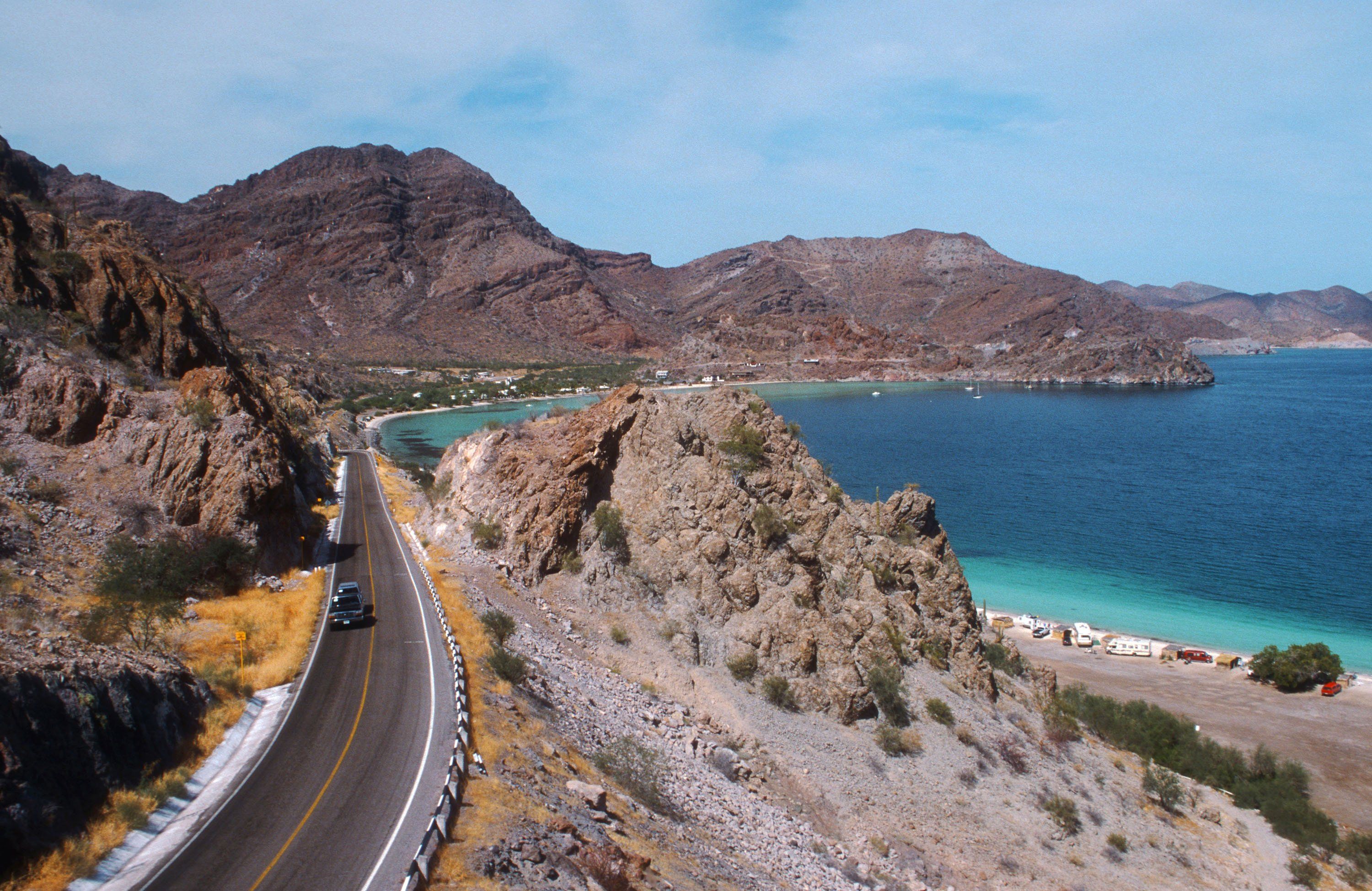
Determining whether Baja California is safe for travelers depends heavily on the specific region you plan to visit, your mode of transportation, and your adherence to basic security precautions. While major tourist corridors like Los Cabos and parts of the Wine Valley feature robust security measures and welcome millions of visitors annually, other areas experience elevated risks related to cartel activity, highway crime, and localized violence, prompting government travel advisories.
Understanding the Geographic Nuance: Baja California vs. Baja California Sur
When evaluating travel safety on the peninsula, it is crucial to understand that the landmass is divided into two distinct federal entities: the state of Baja California in the north and Baja California Sur in the south. Conflating the two states is one of the most common mistakes travelers make when researching safety conditions. Each state operates under entirely different local governments, policing structures, and security dynamics.
Baja California (the northern state) contains major border cities like Tijuana, Mexicali, and Tecate, as well as the coastal route down to Ensenada and San Quintín. This northern territory frequently records higher rates of violent crime, property theft, and drug cartel conflicts. Conversely, Baja California Sur (the southern state) encompasses popular resort destinations such as La Paz, Loreto, Todos Santos, and Los Cabos (Cabo San Lucas and San José del Cabo). The southern state generally maintains significantly lower violent crime rates, particularly within designated tourist zones.
Current Official Travel Advisories
Government bodies, such as the United States Department of State and the Government of Canada, issue continuous travel advisories for Mexico that break down safety recommendations by state and municipality.
- Baja California (North): Typically assigned a higher advisory level (such as "Reconsider Travel" or "Exercise Increased Caution"), driven by violent crime and organized crime presence in urban centers like Tijuana and Mexicali.
- Baja California Sur (South): Generally maintains a more favorable advisory level (such as "Exercise Increased Caution"), highlighting that while crime occurs, major tourist areas do not experience the same level of targeted cartel violence.
Travelers should always check the most recent official advisories immediately before departure, as security conditions can shift rapidly based on local political and criminal developments.
Regional Safety Breakdown: Where to Go and What to Watch
To plan a secure itinerary, examine how safety conditions manifest across different zones of the peninsula.
Tijuana, Tecate, and Mexicali (The Border Zone)
The immediate border zone sees heavy pedestrian and vehicular cross-border traffic daily. While millions cross without incident, Tijuana and Mexicali suffer from high rates of homicide and property crime associated with drug trafficking organizations. While violence is rarely directed at foreign tourists, bystanders can be affected. Travelers visiting these cities should exercise extreme vigilance, avoid unfamiliar neighborhoods after dark, and use reputable transportation services rather than hailing random street taxis.
Ensenada and the Valle de Guadalupe
Ensenada is a major cruise port and coastal hub, while the adjacent Valle de Guadalupe serves as Mexico’s premier wine-producing region. Both areas are generally considered safe for daytime tourism, dining, and resort stays. Petty theft and vehicle break-ins represent the primary risks here. Visitors should keep valuables secured, park in attended lots, and avoid isolated rural roads late at night.
San Felipe and the Sea of Cortez Coast
Located on the eastern side of the northern state, San Felipe attracts off-road racers and beachgoers. The town itself is relatively calm, but the long desert highways leading to it require careful planning regarding fuel, vehicle maintenance, and daylight travel.
La Paz, Todos Santos, and Los Cabos (Baja California Sur)
The southern half of the peninsula prioritizes tourism infrastructure, resulting in a visible police and military presence in tourist corridors. Los Cabos features private security teams, gated resort communities, and modern emergency services. While petty crime like pickpocketing exists on beaches or in crowded markets, violent crime targeting tourists is rare. Sticking to well-lit, populated areas minimizes most risks.

Highway Safety and Driving Realities
Road trips are among the most popular ways to experience the peninsula, particularly via Federal Highway 1 (Carretera Federal 1). However, driving in Mexico introduces unique hazards that require strict protocols.
Daytime vs. Nighttime Driving
The golden rule of driving in Baja California is to complete all journeys during daylight hours. Night driving exposes motorists to unlit livestock on the road, unmarked speed bumps (topes), disabled vehicles without hazard lights, and an increased risk of highway robbery or extortion by corrupt officials.
Vehicle Preparation and Documentation
Before attempting a road trip down the peninsula, ensure your vehicle is in top mechanical condition. Auto parts for foreign-plated vehicles can be difficult to source in remote areas. Furthermore, standard domestic auto insurance policies are invalid in Mexico. Drivers must purchase mandatory Mexican third-party liability insurance from a licensed provider before crossing the border.
Checkpoints and Interactions with Authorities
Travelers will encounter numerous military and police checkpoints along Mexican federal highways. These checkpoints are designed to deter drug trafficking and illegal firearms. When approaching a checkpoint, turn on your interior dome light at night, lower your windows, and remain calm, polite, and cooperative. Answer questions directly. While systemic corruption and police shakedowns (mordidas) do occur, remaining respectful and knowing your rights helps de-escalate minor friction.
Common Safety Risks and How to Mitigate Them
Understanding the most frequent threats faced by travelers allows for effective preparation.
| Risk Factor | Severity | Prevention Strategy |
|---|---|---|
| Petty Theft & Pickpocketing | Moderate | Keep valuables in hotel safes, use money belts, and avoid flashing expensive jewelry or electronics in crowds. |
| Highway Vehicle Break-ins | Moderate to High | Never leave luggage or valuables visible in parked cars. Utilize secure, attended parking garages (estacionamientos). |
| Driving Accidents & Hazards | High | Avoid night driving, watch out for unannounced topes (speed bumps), and obey all local traffic laws. |
| Scams and Extortion | Low to Moderate | Use authorized taxi stands (sitios), verify tour operators, and do not engage with illicit street economies. |
| Waterborne and Foodborne Illness | Moderate | Drink only bottled or purified water, avoid ice of unknown origin, and eat at establishments with high turnover. |
Essential Safety Checklist for Travelers
Implementing a structured safety routine ensures peace of mind throughout your journey.
- Register Your Trip: Enroll in the Smart Traveler Enrollment Program (STEP) if you are a U.S. citizen, allowing your home embassy to contact you in an emergency.
- Secure Digital and Physical Copies: Keep digital copies of your passport, tourist card (Forma Migratoria Múltiple), and driver’s license stored securely in cloud storage, separate from physical documents.
- Establish Communication: Ensure your mobile phone plan includes international roaming in Mexico, or purchase a local SIM card upon arrival to maintain continuous connectivity.
- Carry Cash Wisely: While credit cards are widely accepted in major resorts and restaurants, smaller towns and roadside vendors operate strictly on cash (Mexican Pesos). Avoid carrying large sums in a single wallet.
- Monitor Local News: Keep track of local weather conditions, particularly during hurricane season on the Pacific and Sea of Cortez coasts, and pay attention to civil unrest warnings.
Frequently Asked Questions
Is it safe to drive my own car from the United States into Baja California?
Yes, driving your own car is common, provided you obtain temporary vehicle importation permits (if traveling beyond the Free Zone, which includes all of Baja California Sur and parts of northern Baja) and purchase mandatory Mexican auto insurance. Keep all vehicle registration documents accessible and strictly avoid driving after dark.
Are Uber and rideshare apps safe to use in Baja California?
Uber operates in major cities like Tijuana, Mexicali, Ensenada, and La Paz, and is generally considered safer and more reliable than hailing street cabs, as routes are digitally tracked and fares are predetermined. However, verify the license plate and driver identity before entering the vehicle.
What should I do if I am pulled over by Mexican police?
Pull over safely and turn off your engine. Keep your hands visible on the steering wheel. Be polite and provide requested documentation. If an officer implies a cash fine must be paid on the spot to avoid detention, politely request a written ticket (multa) to be paid at the police station, as roadside cash payments are frequently unauthorized shakedowns.
Is tap water safe to drink in Baja California?
No. Tap water throughout the peninsula is generally not potable for visitors and can cause severe gastrointestinal illness. Always drink bottled or purified water, use bottled water for brushing your teeth, and ensure that ice served in drinks is made from purified water.
What parts of Baja California should tourists avoid entirely?
Travelers should exercise extreme caution or avoid entirely the known high-crime neighborhoods in the eastern and southeastern peripheries of Tijuana, remote desert areas near known cartel trafficking routes, and any non-essential travel along unpaved rural passes after dark. Sticking to well-traveled federal highways and established tourist districts mitigates these exposures.
Practical Next Steps for Your Trip
To ensure a secure journey, begin by reviewing the latest official state advisories from your home country's foreign ministry. Book accommodations with verified security measures, secure comprehensive Mexican auto insurance if driving, and share your detailed itinerary with a trusted contact back home. By respecting local laws, exercising situational awareness, and prioritizing daytime travel, visitors can safely experience the rich culture, diverse landscapes, and world-class hospitality of Baja California.
Image Gallery
Select an image to open it in a new tab.



Zara El-Hashem
Sociocultural Dynamics and Academics Writer
