Chase Bank IBAN Number: How to Receive International Transfers in the US
Chase Bank does not have an IBAN number because financial institutions in the United States do not participate in the International Bank Account Number system. To receive an international wire transfer into a US-based Chase account, you must supply the sender with Chase's SWIFT/BIC code, your specific wire routing number, and your individual account number.
Why Chase Bank USA Does Not Have an IBAN Number
The International Bank Account Number (IBAN) is an internationally agreed-upon standard (ISO 13616) developed to identify bank accounts across national borders safely and efficiently. Originally designed by the European Committee for Banking Standards, the IBAN framework was adopted across Europe, the Middle East, parts of the Caribbean, and select nations in Latin America and Africa.
However, the United States financial system—including JPMorgan Chase Bank, N.A.—does not use the IBAN format. Instead of adopting IBAN, US banks rely on a domestic clearing and settlement network built around ABA (American Bankers Association) routing numbers, alongside the global SWIFT (Society for Worldwide Interbank Financial Telecommunication) messaging network for cross-border transactions.
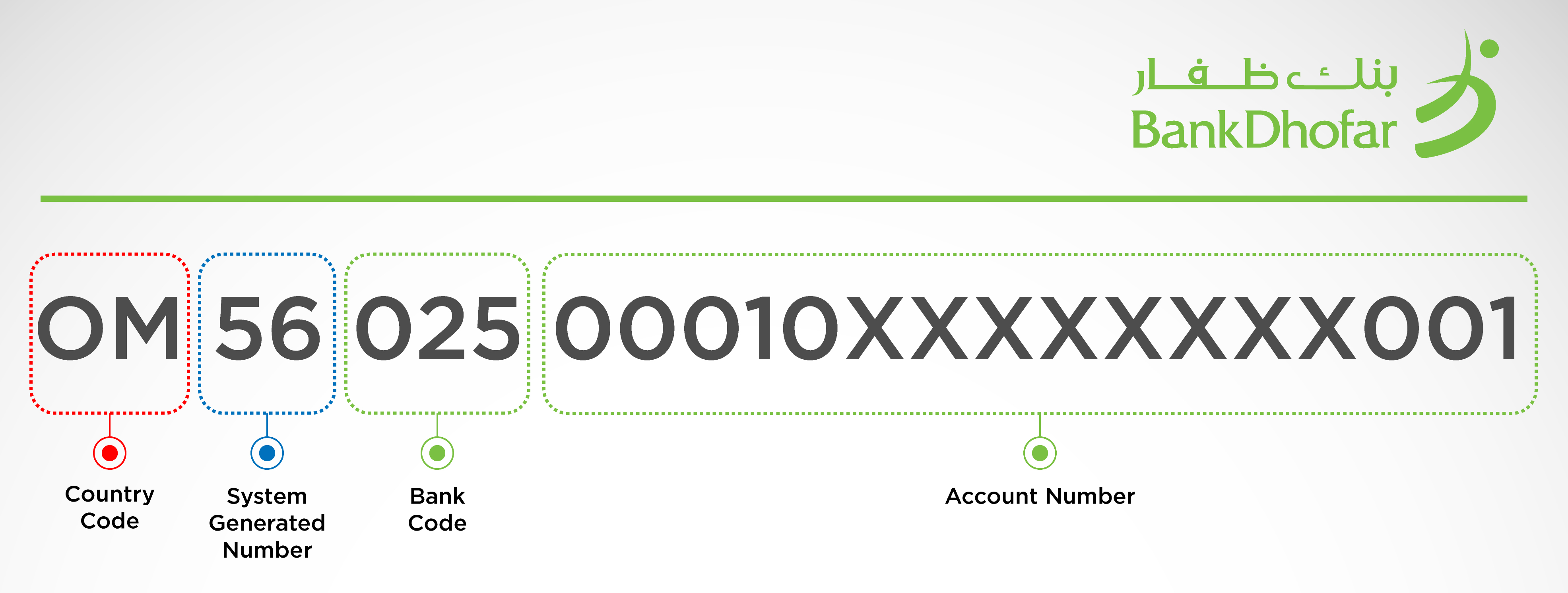
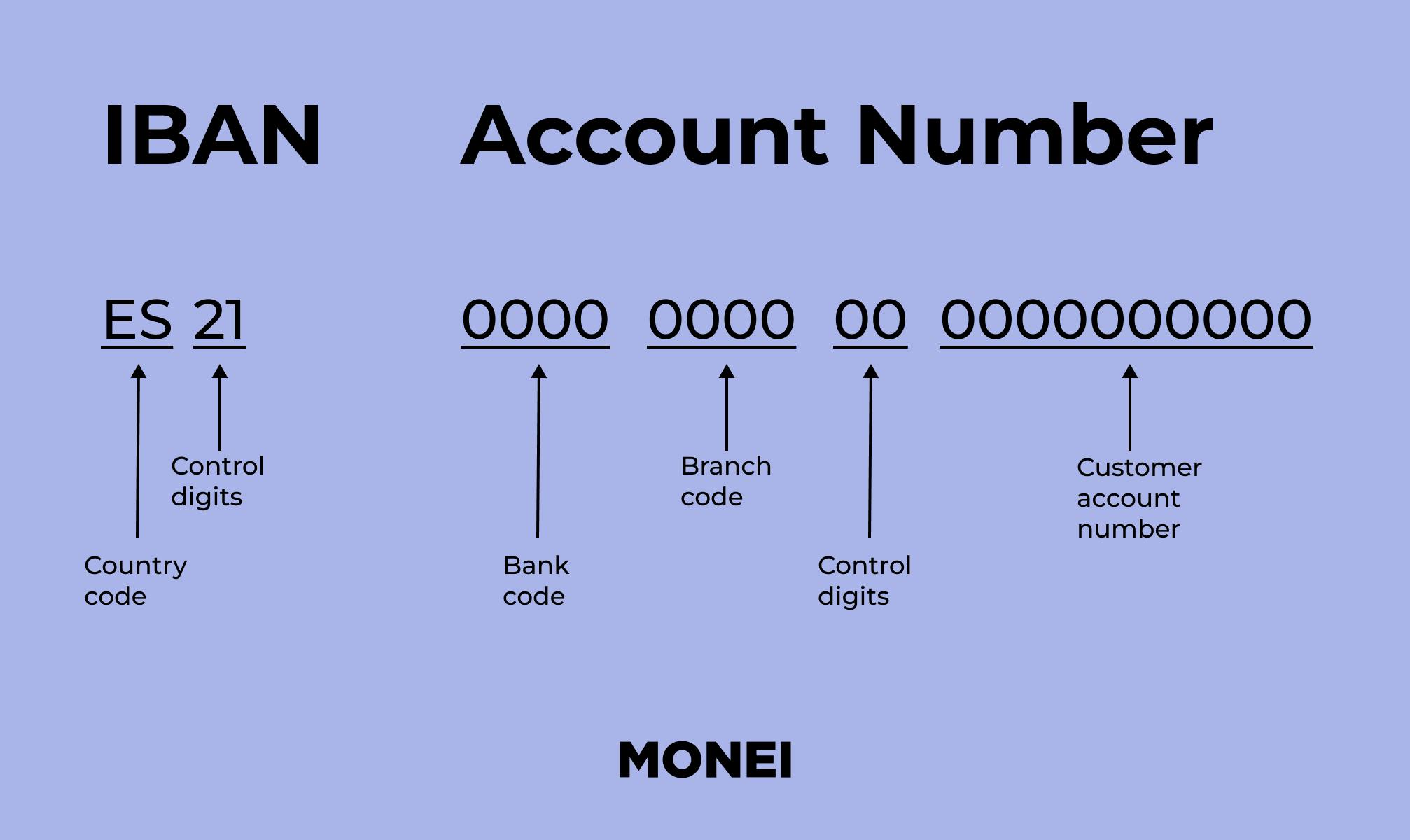
An IBAN integrates a country code, check digits, bank identifier, branch code, and local account number into a single alphanumeric string of up to 34 characters. Because US financial institutions maintain their own routing infrastructure managed by the Federal Reserve (Fedwire) and the Clearing House Interbank Payments System (CHIPS), they never generated IBAN structures for domestic accounts.
If a foreign bank, online platform, or overseas employer asks for your "Chase IBAN," giving them a standard US account number framed as an IBAN will result in failed transfers or delayed processing. To complete a cross-border transfer into a US Chase account, foreign senders must use a standard international wire format combining Chase’s BIC/SWIFT code, an ABA wire routing number, and your checking or savings account number.
Important Distinction: Chase US vs. Chase UK
When researching Chase IBAN numbers, account holders frequently stumble upon references to Chase Bank providing IBANs. It is crucial to distinguish between JPMorgan Chase Bank, N.A. (USA) and Chase UK.
- Chase USA (US-based checking, savings, and credit accounts): Does not use IBANs under any circumstances. Accounts are assigned an 8-to-12-digit account number and a 9-digit ABA routing number.
- Chase UK (digital retail bank launched in the United Kingdom): Operates under UK banking regulations. Chase UK accounts utilize UK Sort Codes and 8-digit account numbers, and they possess valid IBANs starting with the country code "GB" for processing international transfers within the European and global networks.
If your account was opened within the United States through Chase.com or a US physical branch, your account falls under Chase USA, which means no IBAN exists for your account.

Required Wire Information to Receive Money in a US Chase Account
Because Chase Bank USA does not use IBANs, overseas senders require a specific combination of banking identifiers to route funds directly into your account. Providing incomplete or inaccurate information can lead to rejected payments, return processing fees, or extended hold times by intermediary banks.
To successfully receive an international wire transfer at Chase USA, provide the sender with the following five pieces of information:
1. Receiving Bank Name and Corporate Address
- Bank Name: JPMorgan Chase Bank, N.A.
- Bank Address: 270 Park Avenue, New York, NY 10017, USA (or the address of the main domestic wire receiving office designated by Chase).
2. SWIFT / BIC Code
The SWIFT code (also known as a BIC or Bank Identifier Code) identifies JPMorgan Chase on the international wire network.
- Primary Chase SWIFT Code:
CHASUS33(orCHASUS33XXXfor the head office). - Senders must enter this 8-character code accurately so the originating bank routes funds through the SWIFT network directly to Chase in the United States.
3. Wire ABA Routing Number
US banks maintain separate routing numbers for Automated Clearing House (ACH) transfers and wire transfers. Senders entering an ACH routing number for an international wire will cause the transaction to fail.
- You must provide the Wire Routing Number designated for your specific account branch or regional office.
- National and New York area wire transfers frequently use routing number
021000021, but state-specific wire routing numbers exist. Always verify your account's exact wire routing number within your online banking dashboard.
4. Account Number and Account Type
- Provide your complete 10-to-12-digit Chase checking or savings account number.
- Specify whether the destination account is a checking or savings account, as some foreign banks require account classification.
5. Beneficiary Name and Physical Street Address
- Full Name: The exact legal name appearing on your Chase account statement.
- Physical Address: Your registered US residential or business street address.
- Crucial Caution: Regulations enforced by the Financial Crimes Enforcement Network (FinCEN) and the Office of Foreign Assets Control (OFAC) require a physical address. Listing a P.O. Box or incomplete street details can trigger mandatory compliance reviews and delay wire settlement.
Complete Chase International Transfer Data Reference
The following table provides a breakdown of the fields required for international incoming wire transfers into Chase USA accounts compared to standard European IBAN structures.
| Payment Requirement Field | What to Provide for Chase USA | Purpose / System Function | Where to Find in Chase Account |
|---|---|---|---|
| IBAN Number | Not Applicable / None | Primary account structure in Europe/Middle East | N/A (US banks do not generate IBANs) |
| SWIFT / BIC Code | CHASUS33 |
Identifies Chase on the global SWIFT network | Chase Wire Transfer Instructions page |
| Routing Number (ABA) | 9-Digit Wire Routing Number | Routes wire inside the US Fedwire/CHIPS system | Chase Mobile App / Check bottom line |
| Account Number | 10 to 12 Digits | Identifies individual beneficiary account | Top of bank statement or online portal |
| Bank Name | JPMorgan Chase Bank, N.A. | Legal name of destination financial institution | Official account documents |
| Bank Address | 270 Park Ave, New York, NY | Institutional routing location for compliance | Standard Chase corporate address |
| Beneficiary Address | Your Full Physical Address | Satisfies anti-money laundering regulations | Personal profile settings in Chase app |
How to Find Your Specific Chase Wire Details
While the general SWIFT code for Chase USA remains CHASUS33, finding your specific account wire routing number and account number takes only a few steps through Chase’s digital platforms.
Via the Chase Mobile App
- Log into the Chase Mobile app.
- Tap the specific checking or savings account you wish to fund.
- Scroll down to the Account Details section.
- Tap Show details to display your full Account Number and Routing Numbers.
- Confirm that you select the Wire Routing Number rather than the ACH routing number.
Via Chase Online Banking
- Navigate to Chase.com and sign in with your credentials.
- Select your account from the primary dashboard.
- Click on the Things you can do menu or select Account Details.
- Look for the dedicated link labeled See wire transfer instructions or review the routing details section to copy your specific account credentials.
Troubleshooting Foreign Forms Demanding an IBAN
A major challenge for Chase customers receiving funds from abroad occurs when foreign banking portals, online payment gateways, or payroll systems feature a mandatory "IBAN" entry box that rejects standard 9-digit US routing numbers or 10-digit account numbers.
If a foreign sender's portal demands an IBAN, use these troubleshooting steps to complete the payment:
Select "SWIFT", "Wire Transfer", or "Non-IBAN Country"
Most European and Asian online banking portals feature an option toggle switch or drop-down menu near the payment entry form. Senders should switch the transfer mode from "Local/IBAN Transfer" to "International Transfer," "SWIFT Transfer," or "Wire Transfer." Choosing this option reconfigures the input form from an IBAN field to separate boxes for SWIFT/BIC, Routing/Sort Code, and Account Number.
Select "United States" as the Destination Country
In many international wire systems, selecting "United States" as the recipient country automatically disables the IBAN validation rule and opens designated fields for the SWIFT Code and the ABA Routing Number.
What if the Portal Cannot Bypass the IBAN Field?
If an automated system strictly enforces an IBAN requirement and offers no alternative wire fields, the sender cannot send funds directly to a US bank account through that specific web form. In such scenarios, the sender has two primary options:
- Initiate an In-Person or Manual SWIFT Transfer: The sender can instruct their home bank directly (via phone or branch visit) to execute an international SWIFT MT103 wire transfer to Chase USA using the SWIFT code
CHASUS33. - Use an International Money Transfer Service: The sender can use a cross-border payment platform such as Wise, Revolut, OFX, or PayPal. These services maintain local bank accounts in foreign jurisdictions to accept IBAN payments locally, then forward the equivalent funds via local domestic ACH or Fedwire directly into your US Chase account.
Fees, Exchange Rates, and Processing Times for Chase Incoming Wires
Receiving funds internationally involves administrative processing, foreign exchange management, and potential intermediary banking levies.
Incoming Wire Fees at Chase
Chase charges a flat fee for receiving wire transfers originating outside the United States into consumer checking or savings accounts:
- Standard Incoming International Wire Fee: Typically $15 USD per transaction for personal checking accounts (certain premium tiers, such as Chase Sapphire Banking or Chase Private Client, may waive this fee).
- Outgoing Foreign Wires: Senders pay transaction fees determined by their local foreign financial institution.
Intermediary Bank Fees (Correspondent Banking Costs)
International wires move through a chain of correspondent banks via the SWIFT network. These intermediary banks often deduct service fees from the principal amount while the money is in transit.
- Depending on how the payment instruction is flagged by the originating bank—under international standard codes OUR (sender pays all fees), BEN (beneficiary pays all fees), or SHA (fees are shared)—the net amount arriving in your Chase account may be lower than the original sum dispatched.
Foreign Currency Conversion Spreads
If funds are sent to Chase in a foreign currency (such as Euros, British Pounds, or Canadian Dollars), Chase will automatically convert the incoming payment into US Dollars (USD) at the prevailing Chase retail exchange rate. This rate includes a spread over the wholesale mid-market rate, which represents an indirect cost of the transaction. To minimize currency conversion costs, ask senders to lock in exchange rates or send the wire already denominated in USD whenever possible.
Settlement Timeframes
International wire transfers sent via SWIFT into a US Chase account generally settle within 1 to 5 business days. Settlement speeds depend on timezone differences, national bank holidays in both countries, and potential compliance clearing checks conducted by intermediary institutions under federal regulations.
Common Mistakes to Avoid During International Wires to Chase
Errors in international transfers can lead to stranded funds, delayed crediting, or rejection penalties. Avoid these frequent pitfalls:
- Confusing ACH Routing with Wire Routing: Using the 9-digit ACH routing number printed on checks instead of the dedicated Wire Routing Number will result in an automated wire rejection.
- Truncating Account Numbers: Omitting leading zeros or typing an incomplete account number causes payments to fail automatically during automated clearing house matching.
- Mismatching Account Names: The legal name provided by the sender must match your registered name on Chase's systems. Discrepancies (such as using informal nicknames or missing business entity designations) trigger compliance holds under OFAC guidelines.
- Including P.O. Boxes in Address Fields: Federal anti-money laundering (AML) protocols prohibit accepting P.O. Box addresses for cross-border wire documentation. Always use a standard street address.
- Assuming Chase USA Uses IBANs: Never attempt to generate a fake IBAN by combining
US, your routing number, and account number. The US banking system does not validate synthesized IBAN structures, and the transaction will be returned.
Frequently Asked Questions
Does Chase Bank in the US have an IBAN number?
No. Chase Bank in the United States does not use or issue IBAN numbers because US financial institutions do not participate in the IBAN system. International transfers to Chase accounts use a SWIFT code (CHASUS33), an ABA wire routing number, and a standard US account number.
What is the SWIFT code for Chase Bank USA?
The standard primary SWIFT/BIC code for JPMorgan Chase Bank, N.A. in the United States is CHASUS33. For international transfers specifying a branch location, CHASUS33XXX is also commonly accepted.
How do I send money from Europe to a US Chase account without an IBAN?
To send funds from Europe, select the "International Wire" or "SWIFT Transfer" option within your European bank's online portal. Enter Chase’s SWIFT code (CHASUS33), the US Chase wire routing number, the 10-to-12-digit US account number, and the recipient's full physical street address.
What is the difference between a Chase ACH routing number and a Wire routing number?
An ACH routing number is used for domestic electronic transfers, direct deposits, and bill payments cleared through the Automated Clearing House system. A Wire routing number is specifically designated for real-time electronic wire transfers processed through Fedwire or international SWIFT connections.
Why did my incoming wire arrive with less money than sent?
International wires pass through intermediary correspondent banks that may deduct processing fees along the SWIFT chain before the funds reach Chase. Additionally, if the sender transferred non-USD currency, foreign exchange conversion spreads applied by the originating or receiving bank will alter the final USD settlement total.
Actionable Recommendations for Chase Account Holders
If you are expecting an international payment into your Chase USA account, take the following steps to ensure a smooth transfer:
- Verify Your Specific Wire Routing Number: Log into Chase.com or your Chase Mobile app to confirm the designated wire routing number for your region. Do not assume your checkbook routing number applies to international wires.
- Provide Complete Instructions to the Sender: Copy and send the complete set of parameters—Bank Name, Corporate Address, SWIFT Code (
CHASUS33), Wire Routing Number, Account Number, and your Physical Address—to the originating party. - Instruct the Sender on Payment Flags: If you need to receive an exact dollar amount, request that the sender instruct their foreign bank to cover intermediary charges by selecting the "OUR" fee option on the wire application.
- Consider Alternative Transfer Services for Small Amounts: For transfers under $1,000 USD, traditional SWIFT wires may incur high relative fees between sender charges, intermediary deductions, and incoming Chase wire fees. Third-party platforms (such as Wise or Revolut) can route payments locally, avoiding SWIFT wire overhead.
Disclaimer: Financial regulations, banking routing details, and fee structures are subject to change by financial institutions and regulatory authorities. This article is intended for educational purposes only and does not constitute formal legal, financial, or banking advice. Account holders should confirm current transfer instructions directly within their official Chase online account portal or by contacting Chase customer support.
Image Gallery
Select an image to open it in a new tab.
Akira Tanaka
International Academic Trends Correspondent
