The Facts About Roofing You Should Know: A Comprehensive Guide

A roof is the most critical protective component of a building, serving as the primary barrier against environmental elements like moisture, wind, and UV radiation. Understanding its structural composition, material lifespans, maintenance requirements, and the indicators of degradation is essential for homeowners to prevent catastrophic water damage and preserve long-term property value.
Understanding the Components of a Roofing System
Many homeowners view a roof merely as the shingles or tiles visible from the street. However, a professional-grade roofing system is a complex assembly of multiple layers designed to work in synergy. Ignoring any single component can compromise the entire structure.
The Decking (Substrate)
The foundation of your roof is the decking, typically composed of plywood or oriented strand board (OSB). This layer provides the structural integrity necessary to support the weight of the roofing materials and the loads imposed by snow or maintenance workers. If the decking has been compromised by chronic leaks, rot is likely present, necessitating a complete plywood replacement rather than a simple shingle patch.
Underlayment and Moisture Barriers
Beneath the exterior finish lies the underlayment, a protective layer—often synthetic or felt—that acts as a secondary defense against water infiltration. In modern residential construction, this is supplemented by ice and water shields in critical areas such as valleys, chimney flashings, and low-slope sections. These self-adhering membranes are vital for preventing ice damming, where melting snow refreezes at the eaves and forces water backward under the shingles.
Ventilation Systems
Proper attic ventilation is arguably the most misunderstood aspect of roofing. An effective system relies on a balance between intake (usually at the soffits) and exhaust (at the ridge or through attic fans). Proper airflow prevents heat buildup in the summer, which can "cook" shingles from the underside, and prevents condensation buildup in the winter, which leads to mold, mildew, and premature decay of structural rafters.
Common Roofing Materials: Longevity and Performance
Selecting a roofing material involves balancing aesthetics, budget, local climate, and weight limitations. Because roofing materials are subjected to continuous environmental stress, their performance varies significantly based on regional weather patterns.
Asphalt Shingles
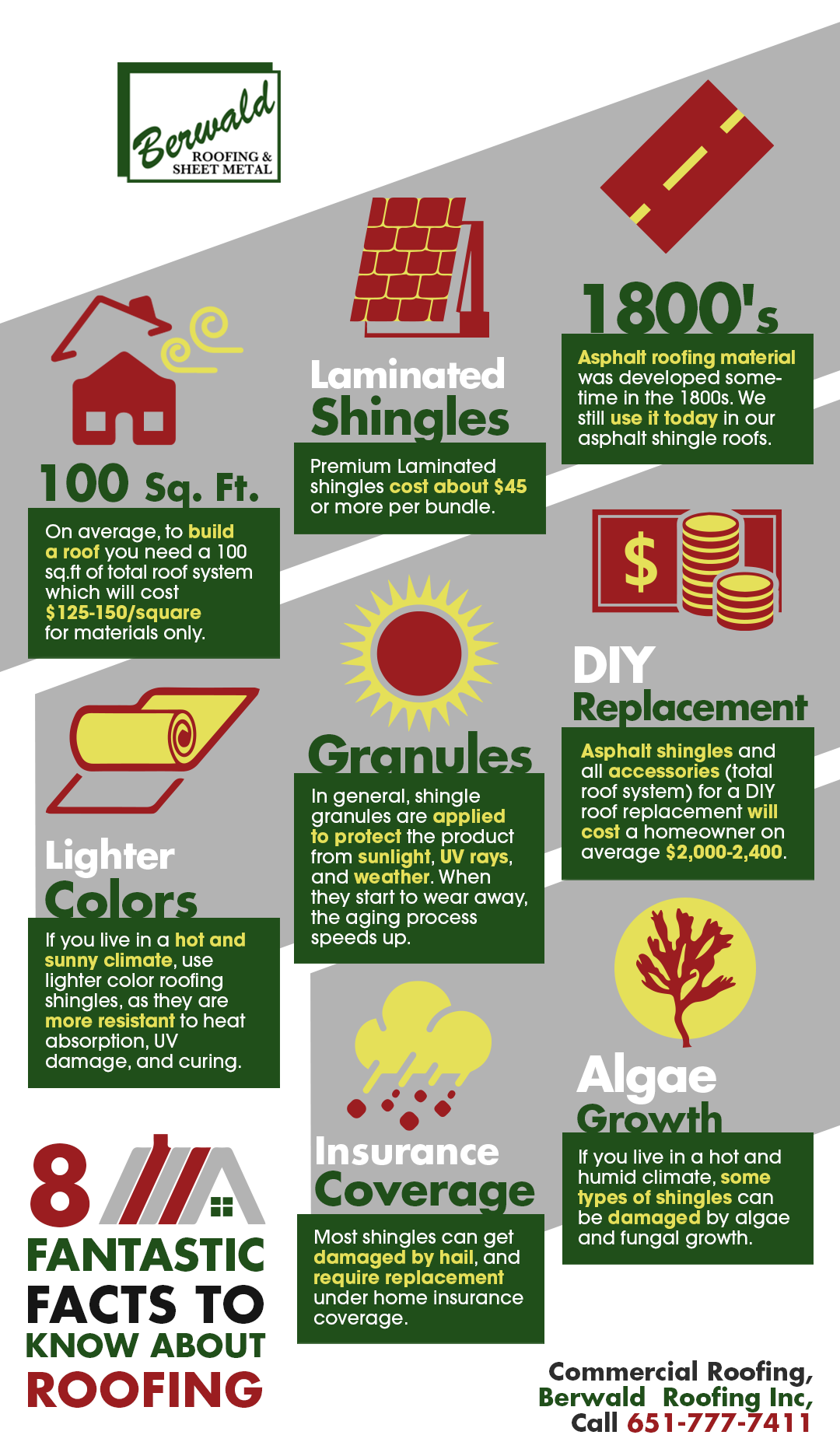
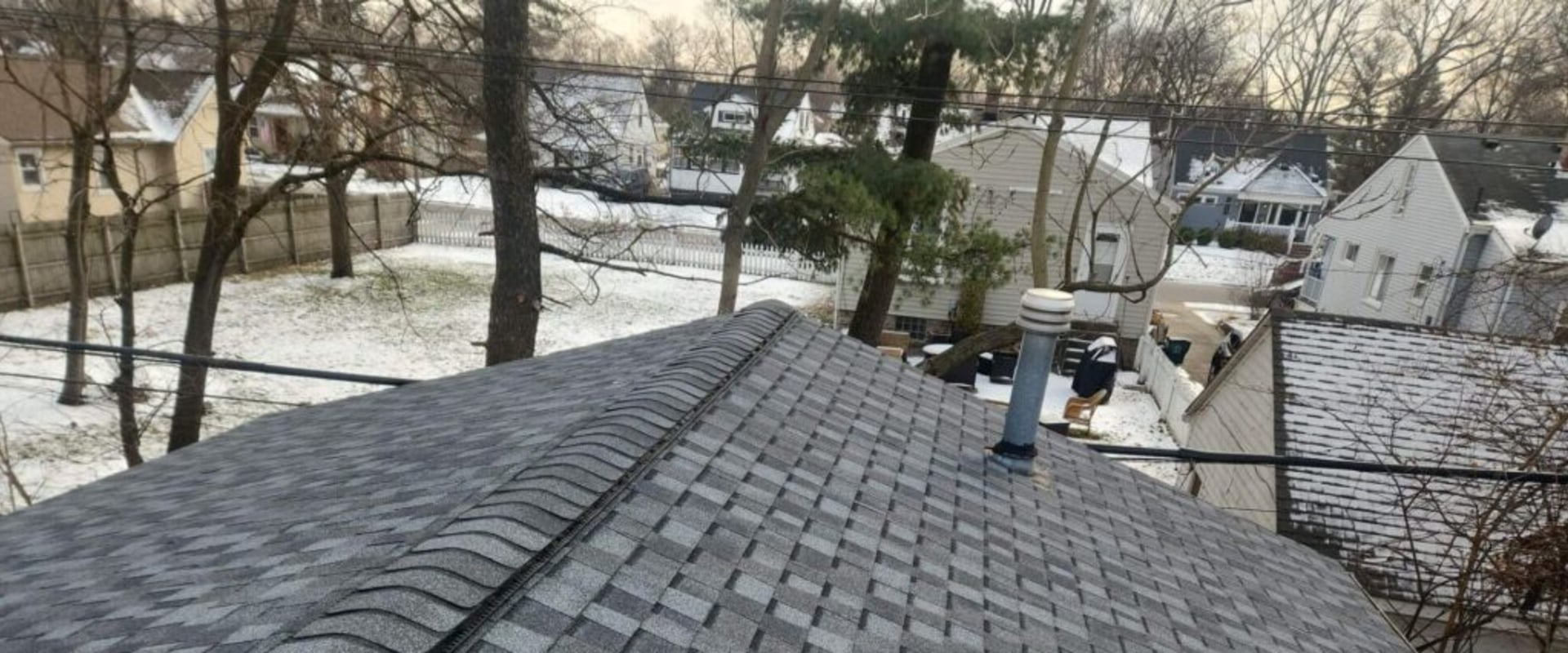
The most prevalent material in North America, asphalt shingles (specifically architectural or laminated shingles), offer a balance of cost and durability. While manufacturers often provide 30-year or "lifetime" warranties, the actual service life in harsh climates is typically 15 to 22 years. They are vulnerable to granule loss from wind and thermal cycling, which eventually exposes the asphalt base to UV degradation.
Metal Roofing
Metal systems, including standing seam or stone-coated steel, are increasingly popular for their longevity and fire resistance. A well-installed metal roof can last 40 to 70 years. While the initial installation cost is significantly higher than asphalt, the lifecycle cost is often lower due to the reduced frequency of replacement and high energy efficiency, as these materials reflect solar radiant heat.
Tile and Slate
Concrete and clay tiles are exceptionally durable and common in arid or coastal climates. They are non-combustible and highly resistant to rot. However, they are extremely heavy; an existing structure designed for asphalt shingles may require additional structural reinforcement before supporting tile or slate.
| Material Type | Estimated Lifespan | Primary Maintenance Requirement | Best Climate Suitability |
|---|---|---|---|
| Asphalt Shingles | 15–22 Years | Debris clearing/Inspection | Moderate/Variable |
| Standing Seam Metal | 40–70 Years | Fastener check/Sealant | All, including high-wind |
| Concrete Tile | 50+ Years | Underlayment inspection | Arid/Hot |
| Slate | 75–100+ Years | Individual slate repair | Temperate |

Identifying Signs of Roofing Failure
Roofing systems rarely fail spontaneously. They exhibit progressive symptoms that, if caught early, can be resolved through targeted repairs rather than a full roof replacement.
Granule Loss and Bald Spots
As asphalt shingles age, the protective mineral granules that shield the asphalt from the sun begin to shed. If you notice large amounts of granules in your gutters or observe "bald" spots on your shingles, the base material is exposed. Once this happens, the shingles become brittle and will eventually crack or curl, losing their water-shedding capability.
Flashing Degradation
Flashing—the metal strips installed around chimneys, vents, skylights, and valleys—is the most common failure point in a roof. Because these areas represent a transition between different materials, they are the first to experience thermal expansion and contraction. If the caulk or metal is damaged, water will find its way into the home long before the shingles themselves fail.
Interior Water Staining
Visible stains on ceilings or walls are often late-stage indicators of failure. By the time water reaches the interior drywall, it has likely already traveled across the attic, saturated the insulation, and potentially caused structural rot. Professional inspections should be performed annually to catch these leaks while they are still confined to the attic floor.
The Importance of Professional Inspection and Maintenance
While minor debris removal—such as cleaning gutters—can be done by a homeowner, a full roof inspection requires a trained eye. Professionals look for signs of "nail pops," improper flashing seals, and localized rot that are invisible to the casual observer.
The Role of Manufacturer Specifications
Every roofing material comes with a specific installation manual provided by the manufacturer. Failure to follow these—such as using an incorrect nailing pattern or failing to install the proper starter strips—can void the material warranty. When hiring a contractor, it is essential to verify they are certified to install the specific brand of materials they are providing.
Regulatory and Insurance Requirements
In 2026, many insurance companies are becoming more stringent regarding roof age and condition. Some providers may decline coverage or raise premiums significantly for roofs older than 15 years, regardless of their visual appearance. Before filing a claim for storm damage, homeowners should consult their policy details, as some carriers now treat "cosmetic" damage from hail differently than "functional" damage.
Troubleshooting Common Issues
What to do if you find a leak?
If a leak occurs during a storm, the immediate goal is containment. Place a bucket under the drip and, if possible, access the attic to trace the water back to its entry point. Do not attempt to repair the roof from the exterior during inclement weather, as the risk of injury is extreme. Once the weather clears, hire a contractor to perform a moisture survey; sometimes, water travels along rafters, meaning the roof leak is located several feet away from where the drip is hitting your ceiling.
Can you overlay a new roof on an old one?
While some building codes allow for one "overlay" (installing new shingles over old ones), it is generally discouraged. Adding a second layer increases the roof weight, traps heat, and hides potential damage to the underlying decking. It also makes finding the source of future leaks significantly more difficult.
Frequently Asked Questions
How often should I have my roof inspected?
You should have a professional inspect your roof at least once every two years, or immediately following a severe weather event involving high winds or large hail. Annual inspections are recommended for roofs older than 15 years.
Do I really need to clean my gutters?
Yes. Clogged gutters prevent water from moving away from the house. When water backs up into the gutter, it can overflow behind the fascia board, leading to wood rot, or back up under the shingles, leading to significant interior water damage.
Does roof color affect my energy bill?
Yes, in warm climates. Lighter-colored materials, often rated by the Cool Roof Rating Council (CRRC), reflect more solar energy, reducing the amount of heat absorbed into the attic. However, in colder climates, the energy savings are often negligible, and a dark roof may assist in melting snow.
How do I verify a roofing contractor's credentials?
Always check for a valid state contractor license, comprehensive general liability insurance, and worker’s compensation insurance. Ask for a physical office address and verify that they have an established history in your local community.
Should I prioritize a repair or a full replacement?
If the roof has widespread issues, such as curling shingles, recurring leaks, or extensive granule loss, a replacement is usually more cost-effective. Minor issues, such as a single damaged boot around a vent pipe, are best handled with a targeted repair.
Next Steps for Homeowners
To maintain your roofing system effectively, start by scheduling a professional inspection with a local, licensed roofer. Document the condition of your attic and roof deck, and keep copies of all installation and repair invoices. If your roof is approaching the 15-year mark, begin budgeting for a future replacement to ensure you are not caught off guard by sudden structural failure or insurance coverage limitations.
Image Gallery
Select an image to open it in a new tab.


Omar Farooq
EdTech Innovation and Virtual Pedagogy Journalist
