Celebrating the Day of the Dead in Cemeteries: A Guide to Traditions and Etiquette

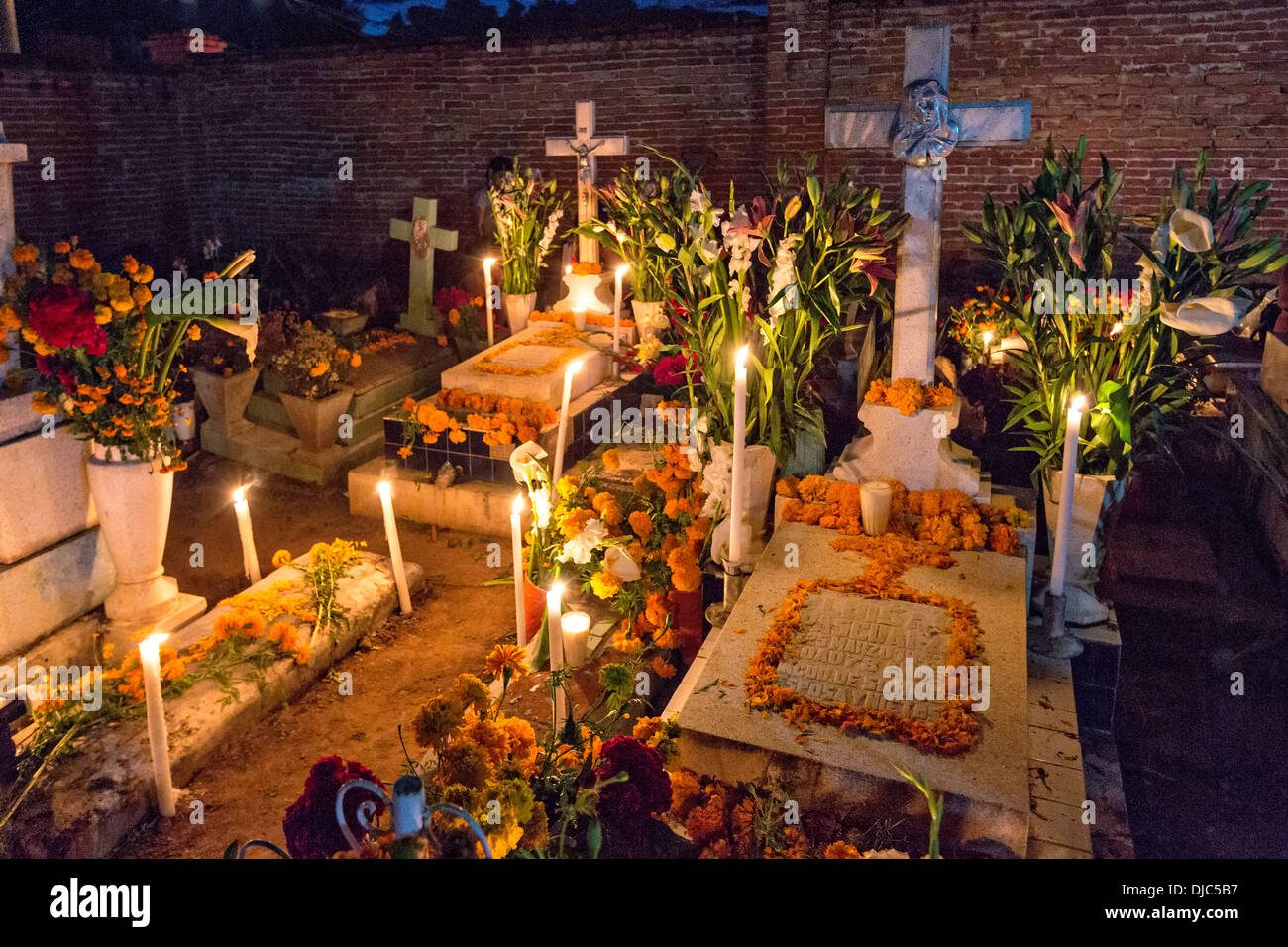
Celebrating the Day of the Dead (Día de los Muertos) in cemeteries involves an overnight vigil known as la velación, where families gather to clean and decorate gravesites with marigolds, candles, and food to welcome returning souls. It is a sacred period of communion between the living and the deceased, characterized by a unique blend of solemnity and festive remembrance.
The Significance of the Cemetery in Day of the Dead Traditions
The cemetery, or panteón, serves as the primary physical and spiritual bridge during the celebrations held from October 31 through November 2. While the construction of ofrendas (altars) within the home is a private act of devotion, the cemetery rituals represent a communal acknowledgment of the cycle of life and death. In Mexican culture, death is not viewed as a finality but as a transition. Consequently, the cemetery is not a place of perpetual mourning but a temporary meeting ground where the veil between the world of the living and the world of the dead is at its thinnest.
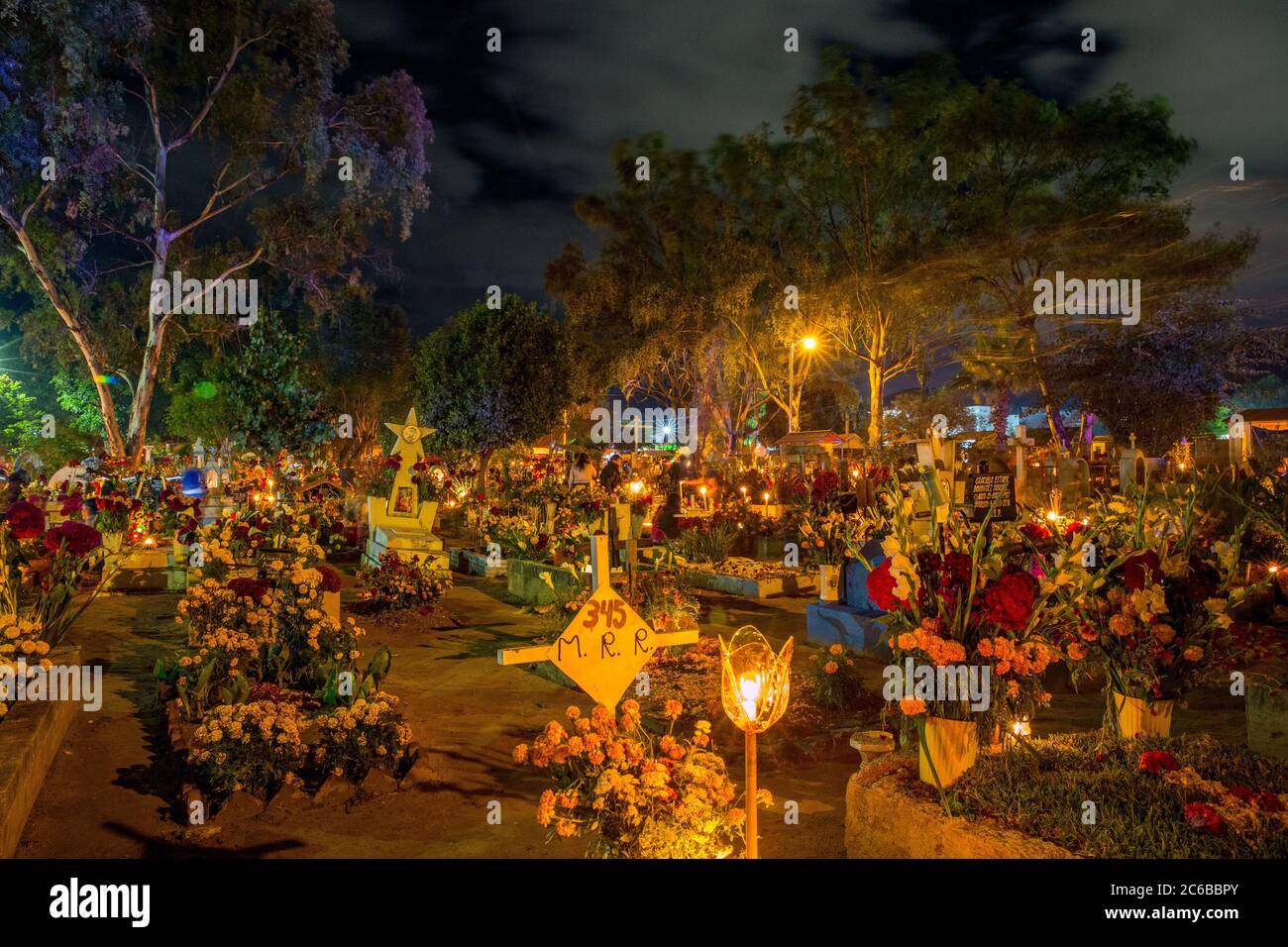
During the 2026 season, these traditions continue to serve as a vital expression of cultural identity. The act of going to the cemetery is rooted in the belief that the souls of the departed return to earth once a year. To facilitate this journey, families must prepare the "home" of the deceased—the grave—to make it inviting and recognizable. This practice transforms these often-stark environments into vibrant landscapes of orange, gold, and flickering light.
The focus on the cemetery is also deeply tied to the Intangible Cultural Heritage of Humanity designation by UNESCO. This recognition highlights that the celebration is not merely a holiday but a complex social fabric that reinforces community bonds and ancestral lineages. For visitors, understanding this depth is essential to moving beyond the surface-level aesthetics of the celebration.
The Ritual of Preparation: Cleaning and Decoration
The process of celebrating in the cemetery begins long before the sun sets on November 1. The first phase is the limpieza, or cleaning of the gravesite. Throughout late October, families visit the panteón to scrub tombstones, pull weeds, and apply fresh coats of paint to crosses or monuments. This physical labor is an act of love and respect, ensuring that the soul returns to a well-kept resting place.
The Use of Cempasúchil (Marigolds)
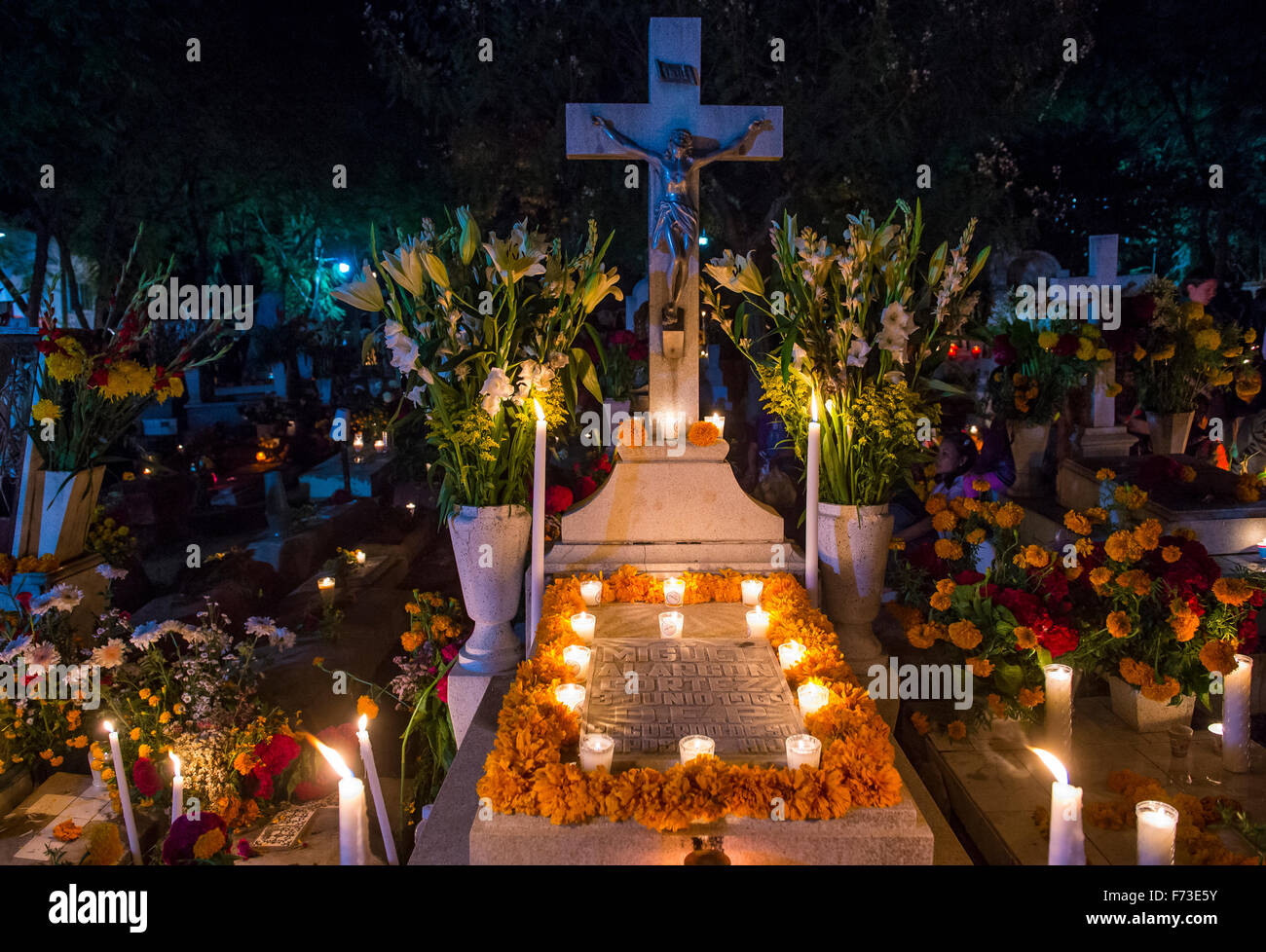
The Cempasúchil, often called the "flower of the dead," is the most critical element of cemetery decoration. These vibrant orange marigolds are chosen for their color and their strong, pungent scent. Tradition dictates that the scent and the brightness of the petals help guide the spirits from the afterlife back to their specific gravesite. Families often create intricate "paths" of petals leading from the entrance of the cemetery directly to the tomb.
Lighting the Path with Candles
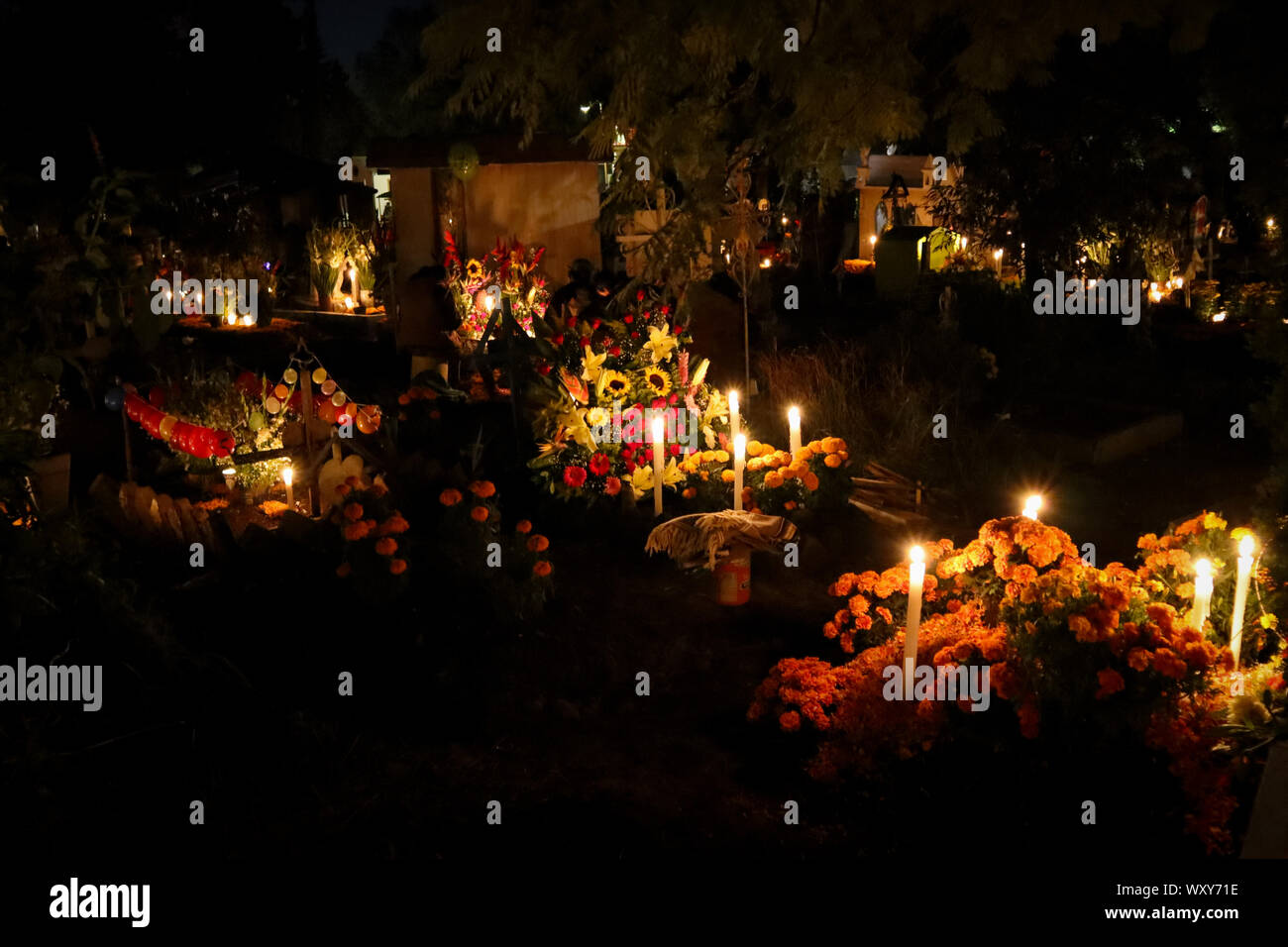
Candles (velas or veladoras) are placed in abundance around the grave. Each candle represents a departed soul, and in many traditions, an extra candle is lit for the "forgotten soul" who has no one left to remember them. The light serves a dual purpose: it illuminates the path for the spirits and symbolizes the light of faith and hope that transcends death. In 2026, many cemeteries maintain strict rules about open flames, though traditional wax candles remain the standard for their symbolic melting and scent.

The Vigil: La Velación and Communal Remembrance
The heart of the cemetery celebration is the velación, or the overnight vigil. This typically occurs on the night of November 1, leading into the morning of November 2 (All Souls' Day). Families bring chairs, blankets, and baskets of food to the gravesite, settling in for a night of vigil.
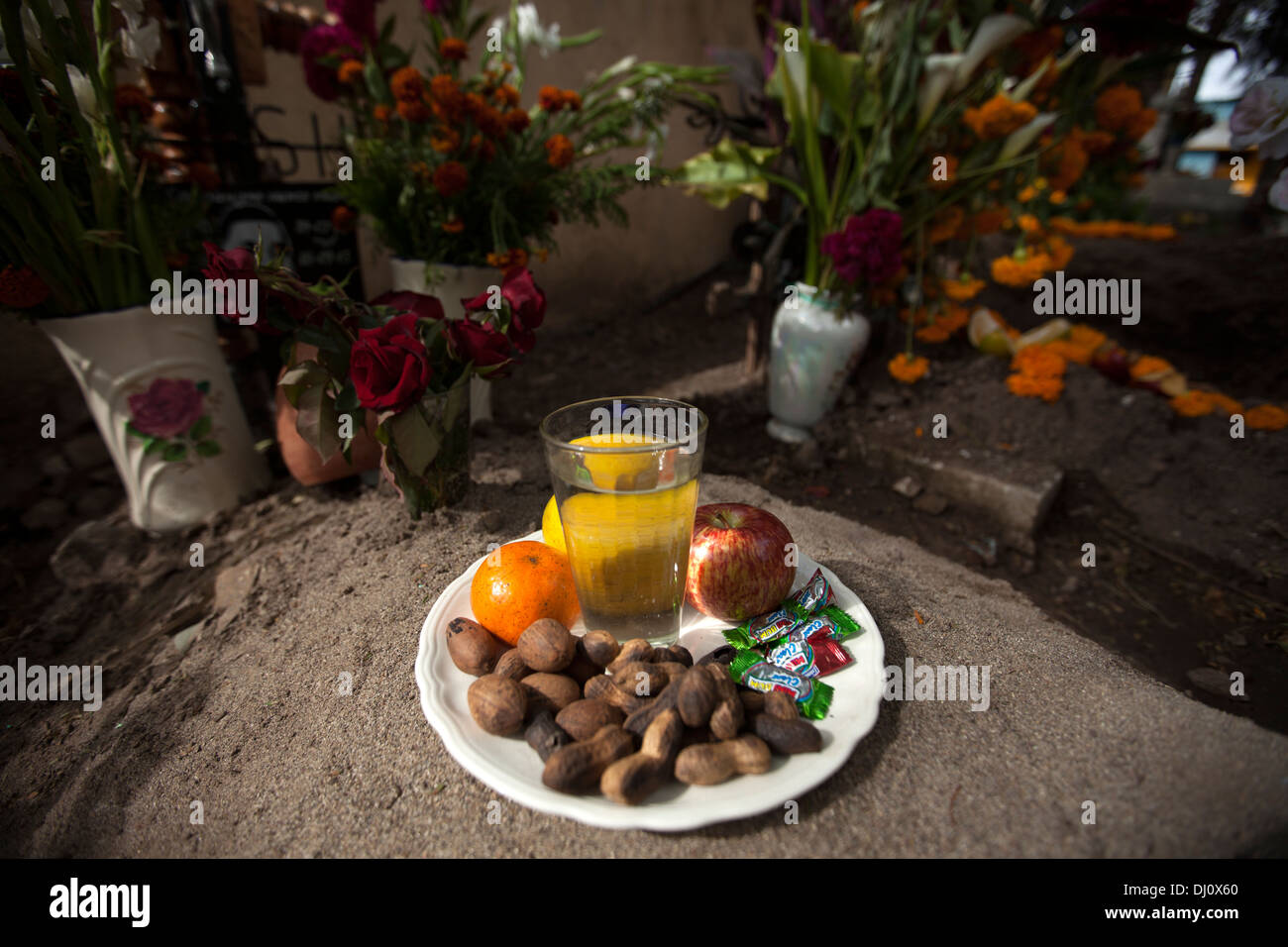
The atmosphere during the vigil is a complex mixture of emotions. In some areas, it is quiet and contemplative, filled with the low murmur of prayers and the crackling of wax. In others, it is a lively party featuring Mariachi or Norteño bands playing the deceased’s favorite songs. The core philosophy is to provide the spirit with the things they enjoyed in life. If the deceased loved a particular brand of tequila or a specific type of pan de muerto, those items are placed on the grave and often shared among the living members of the family.
Food plays a central role in the cemetery. Common items include:
- Pan de Muerto: A sweet bread topped with bone-shaped dough.
- Mole Negro: A complex, savory sauce often served with chicken.
- Tamales: Steamed corn dough with various fillings.
- Atole: A warm, corn-based beverage.
Sharing a meal at the gravesite is a way of "eating with the dead." It is believed that the spirits consume the essence or the "aroma" of the food, while the living consume the physical substance.
Regional Variations in Cemetery Celebrations
While the core elements of the Day of the Dead are consistent, the way cemeteries are utilized varies significantly across different regions of Mexico.
San Andrés Mixquic, Mexico City
Located in the southeast of the capital, Mixquic is famous for the Alumbrada. In this cemetery, the lighting of thousands of candles at dusk creates a glowing horizon that is world-renowned. The celebration here is deeply traditional, and the local community maintains a strict distinction between the religious solemnity of the cemetery and the more commercial festivities in the surrounding town.
Janitzio and Pátzcuaro, Michoacán
The Purépecha people of Michoacán have some of the most ancient and visually stunning cemetery rituals. On the island of Janitzio in Lake Pátzcuaro, the procession of fishermen with butterfly-shaped nets leads up to the cemetery on the hill. The vigil here is often silent and profoundly spiritual, with women and children sitting by the graves while men stand guard.
Pomuch, Campeche
One of the most unique and perhaps misunderstood traditions occurs in Pomuch. Here, the ritual involves bone washing. After a person has been buried for several years, their remains are exhumed, cleaned, and placed in an open wooden box lined with embroidered cloth. During the Day of the Dead, family members return to the cemetery to meticulously clean the bones and change the cloths, viewing it as a way of physically caring for their ancestors.
Comparison of Key Cemetery Traditions for 2026
| Location | Primary Ritual | Atmosphere | Best Time to Observe |
|---|---|---|---|
| Mixquic | The Alumbrada (Mass Lighting) | Vibrant & Crowded | Night of Nov 2 |
| Janitzio | Lake Procession & Silent Vigil | Solemn & Spiritual | Night of Nov 1 |
| Oaxaca City | Comparsas & Grave Decorating | Festive & Artistic | Oct 31 – Nov 1 |
| Pomuch | Bone Washing (Limpieza de Huesos) | Intimate & Traditional | Late Oct – Nov 2 |
| Xantolo (Huasteca) | Dancing and Masked Vigils | Energetic & Communal | Nov 1 – Nov 2 |
Essential Etiquette for Visitors
Visiting a cemetery during the Day of the Dead requires a high level of cultural sensitivity. These are active places of mourning and remembrance, not merely tourist attractions. For the 2026 season, local authorities and community leaders emphasize the following guidelines to ensure respect for the practitioners.
Photography and Filming
Always ask for permission before photographing a family at a gravesite. While many families are proud of their altars and happy to share their traditions, others view the vigil as a private religious act. Avoid using flash photography at night, as it is intrusive and ruins the natural ambiance created by the candles. In some indigenous communities, photography within the cemetery may be strictly prohibited; always look for posted signs or ask a local official.
Physical Space and Behavior
Do not step on or walk over graves. Many cemeteries in Mexico are old and crowded, making navigation difficult, but it is essential to stay on established paths. Keep noise levels appropriate to the specific cemetery’s atmosphere—if the families are praying silently, do not talk loudly or play music.
Supporting the Local Economy
Many of the decorations and food items are produced by local artisans. Purchasing flowers, candles, or food from vendors outside the cemetery is a way to support the community that makes these celebrations possible. Avoid haggling excessively over the price of handmade crafts, as these represent hours of labor and cultural expertise.
Logistics and Planning for 2026
If you are planning to attend cemetery celebrations in 2026, logistics are a major consideration. Popular locations like Oaxaca and Michoacán see a massive influx of visitors, which can strain local infrastructure.
- Accommodation: Book lodging at least six to eight months in advance. For the 2026 dates (which fall across a weekend), demand is expected to be exceptionally high.
- Transportation: Many cemeteries are located in small villages with limited parking. Utilize public shuttles or organized tours that handle the navigation of narrow, crowded streets.
- Weather and Attire: Even in central Mexico, November nights can be quite cold, especially in highland areas like Michoacán and Mexico City. Wear layers and comfortable, closed-toe shoes suitable for uneven cemetery terrain.
- Health and Safety: Be mindful of the smoke from thousands of candles and copal incense, which can be irritating to those with respiratory issues. Stay hydrated and be aware of your surroundings, as cemeteries can become very crowded after dark.
Common Misconceptions
One of the most frequent errors is equating the Day of the Dead with Halloween. While they share a calendar proximity and some themes of the macabre, their origins and intentions are entirely different. Halloween is traditionally rooted in warding off evil spirits, whereas Día de los Muertos is about welcoming beloved spirits.
Another misconception is that the cemetery celebrations are "macabre" or "spooky." In reality, the mood is often one of warmth and nostalgia. It is a time for families to recount stories about their ancestors, ensuring that their memory persists through the generations. The presence of skulls (calaveras) and skeletons (catrinas) is not meant to be frightening but to serve as a reminder that underneath our skin, we are all the same, and that death is a natural part of the human experience.
FAQs
Is it disrespectful for tourists to enter the cemetery during the vigil?
It is generally not considered disrespectful as long as you behave as a guest in a place of worship. Most Mexican communities are welcoming and happy to see outsiders taking an interest in their culture. However, you must remain a "silent observer" rather than a participant unless specifically invited by a family to join them.
What time should I arrive at the cemetery?
For the most impactful experience, arrive just before sunset. This allows you to see the transition as the candles are lit and the cemetery begins to glow. Many vigils last until the early hours of the morning, with the peak atmosphere often occurring between 10:00 PM and midnight.
Do I need to bring anything to the cemetery?
If you are a visitor, you do not need to bring offerings unless you have a personal connection to someone buried there. It is helpful to carry a small flashlight for navigating dark paths and some small denominations of pesos for purchasing food or supporting local donation boxes for cemetery maintenance.
Is the celebration the same every year?
While the core dates of Oct 31–Nov 2 remain constant, the specific "feel" of the event can change based on the day of the week. In 2026, with the peak dates falling toward the weekend, expect larger crowds and more organized cultural events surrounding the cemetery vigils.
Can I participate in the "bone washing" in Pomuch?
No. The bone washing is a deeply personal family ritual. Visitors are often allowed to observe from a respectful distance, but you should never touch the remains or interfere with the cleaning process. It is a sacred act of service performed by direct descendants.
Final Recommendation
For those seeking to experience the Day of the Dead in its most authentic form, focus your visit on the smaller community cemeteries rather than the large urban ones. While the Alumbrada in Mixquic is iconic, smaller panteones in the Oaxaca Valley or the villages surrounding Lake Pátzcuaro often offer a more intimate look at the enduring power of family memory. Always prioritize respect over the "perfect photo," and take the time to sit quietly and observe the profound connection between the living and the dead that defines this tradition.
Image Gallery
Select an image to open it in a new tab.

Simon Caldwell
Enterprise Technology and Systems Editor
