
The car in redwood tree phenomenon refers to the iconic drive-through and walk-in tourist attractions carved into living and fallen coastal redwoods (Sequoia sempervirens) in Northern California during the mid-to-late 19th and 20th centuries. These engineering marvels allowed early motorists to drive automobiles directly through hollowed-out tree trunks, creating a globally recognized symbol of American roadside culture and a focal point for modern discussions regarding ecological conservation.
Origins of the Drive-Through Redwood Phenomenon
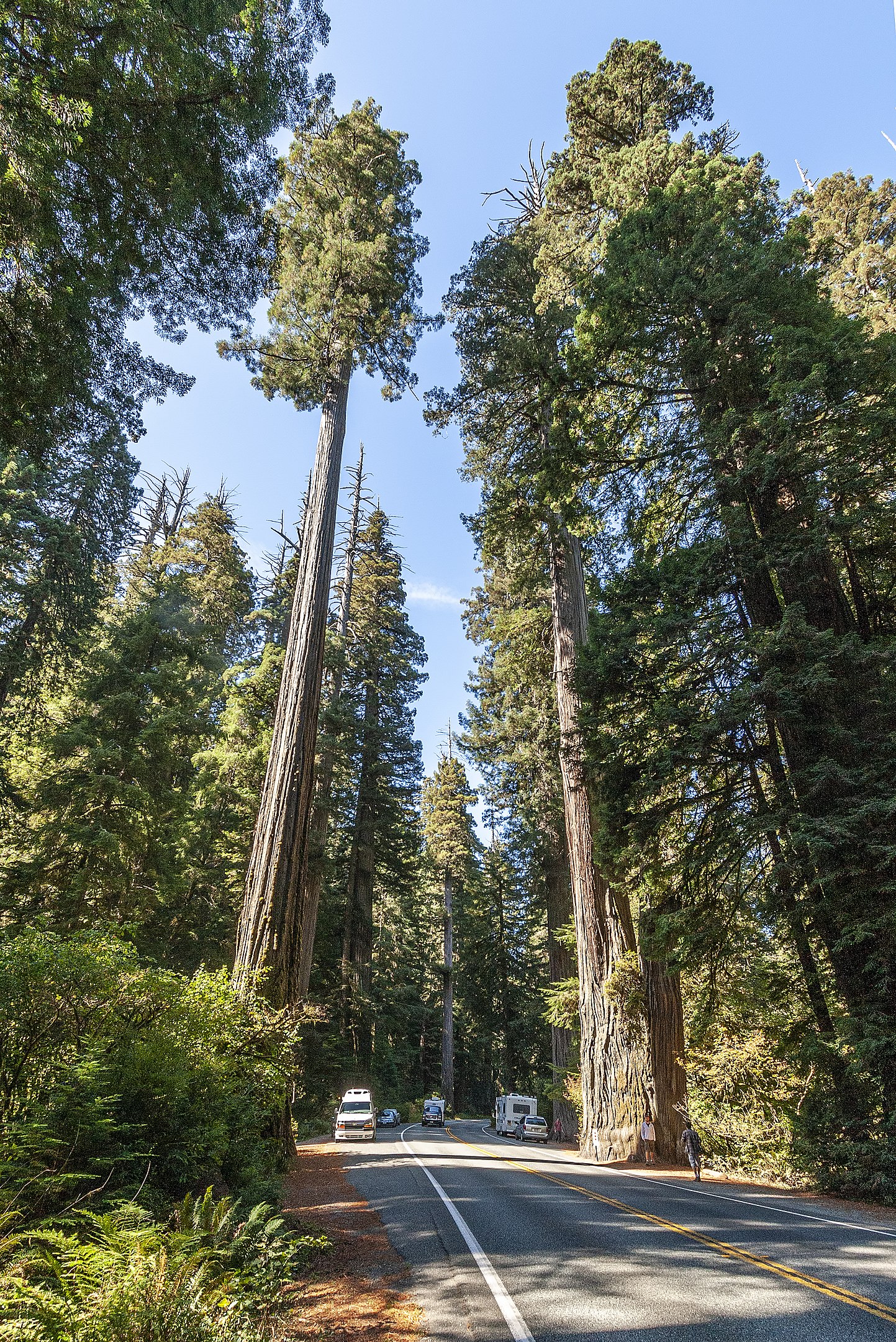
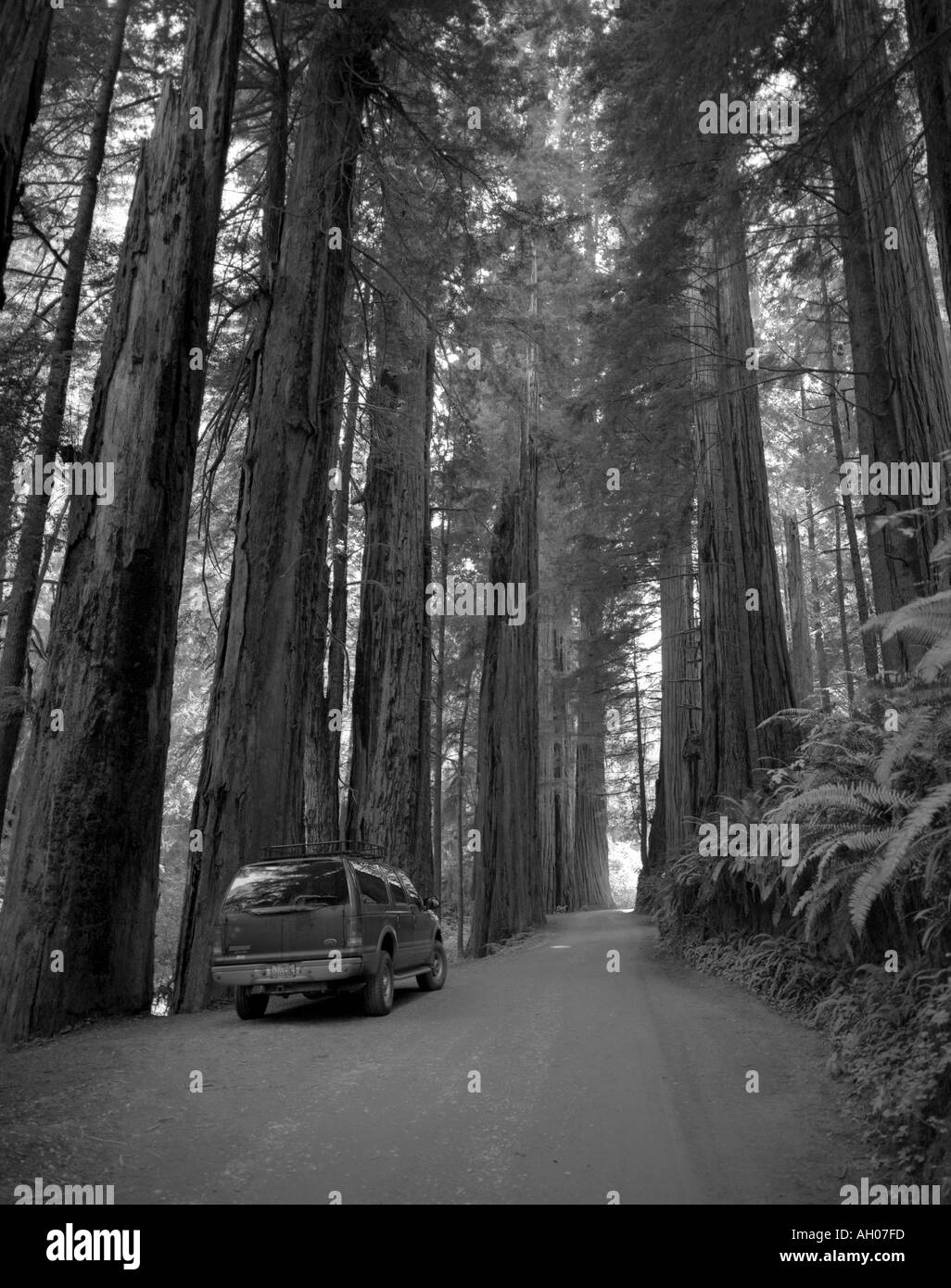
The practice of carving tunnels through massive redwood trees began long before the widespread adoption of the automobile. During the late 1800s, as logging operations pushed deeper into the ancient redwood forests of California, timber companies and early entrepreneurs realized that these monumental natural wonders could serve as powerful tourist attractions. The sheer scale of coastal redwoods—which routinely exceed 300 feet in height and 20 feet in diameter—made them prime candidates for structural modification.
Initially, these tunnels were carved out for horse-drawn carriages and pedestrians. As the internal decay of ancient trees often created natural hollows known locally as "goose pens," operators utilized these cavities to anchor their expansion projects. Workers employed crosscut saws, axes, and sometimes low-explosive charges to widen the natural openings. This process required immense physical labor, often taking weeks or months of manual excavation to carve an archway large enough to accommodate early transport vehicles without destabilizing the living tree's structural integrity.
When the internal wood, known as heartwood, was removed, it did not immediately kill the tree. Coastal redwoods possess a unique biological resilience: their outer layer of bark is thick, fire-resistant, and tannin-rich, and their root systems interconnect to share nutrients. Furthermore, redwoods have the rare ability to sprout new growth from the cambium layer surrounding a wound. Consequently, many of the trees subjected to this early forestry tourism survived the initial carving process, anchoring a booming tourism industry that celebrated both the majesty of the forest and humanity's ability to conquer it.
Evolution from Carriages to Automobiles
As the automotive age dawned in the early 20th century, the appeal of the drive-through redwood shifted rapidly. Highway expansion projects, such as the development of the Redwood Highway (now U.S. Route 101), brought thousands of road-tripping vacationers to the remote forests of Humboldt and Mendocino counties. Private landowners and roadside entrepreneurs recognized a lucrative business opportunity in catering to these early motorists.
Driving a vehicle through a living tree quickly became a quintessential American rite of passage. Families loaded into Model T Fords and touring cars, paying a small admission fee to maneuver their vehicles through the trunks of iconic redwoods. Postcards featuring cars framed perfectly inside the wooden arches were mailed worldwide, cementing the phenomenon in global popular culture. During this era, multiple drive-through trees operated concurrently, each competing for tourist dollars by offering distinct architectural features, gift shops, and scenic picnic areas.
However, the transition from carriages to increasingly heavy automobiles placed severe physical stress on the host trees. The vibrations from internal combustion engines, the compaction of surrounding soil by heavy tires, and the constant exposure of the exposed interior cambium layer to exhaust fumes and moisture all contributed to long-term physiological decline. Operators frequently attempted to mitigate this damage by installing wooden support beams, concrete reinforcements, and protective asphalt flooring inside the tunnels, yet the underlying stress on the living organisms remained significant.

Major Drive-Through Redwood Locations
Historically, several specific trees captured the public imagination. Today, only a small number of these historical landmarks remain accessible to the public, while others have succumbed to natural forces or structural failures. Understanding the status of these locations requires examining both surviving attractions and those lost to time.
The Shrine Drive-Thru Tree
Located in Myers Flat, California, along the Avenue of the Giants, the Shrine Drive-Thru Tree is one of the most famous surviving examples. Unlike some of its historical counterparts, this tree features a natural opening that was widened over the years. Notably, the Shrine Tree also features a loop through which smaller vehicles can drive, as well as a "drive-through log" where visitors can pilot their cars onto a fallen timber section. It stands as a privately owned tourist attraction that continues to operate under modern safety and preservation guidelines.
The Chandelier Tree (Drive-Thru Tree Park)
Situated in Leggett, California, the Chandelier Tree is a 276-foot-tall coast redwood with a six-foot-wide by nine-foot-high tunnel carved through its base in 1937 by engineer Harry Anderson. The name derives from the massive, chandelier-like branches that measure up to six feet in diameter and begin 100 feet above the ground. Privately managed within a dedicated park, the Chandelier Tree remains active, though modern vehicle sizing restrictions strictly limit which cars and light trucks are permitted to attempt the drive.
The Wawona Tree and Pioneer Cabin Tree (Lost Landmarks)
Two of the most prominent casualties of natural forces were located outside the coastal redwood range, involving their close relatives, the giant sequoias (Sequoiadendron giganteum) in the Sierra Nevada mountains. The Wawona Tunnel Tree in Yosemite National Park, carved in 1881, famously collapsed under a heavy load of winter snow in February 1969. Similarly, the Pioneer Cabin Tree in Calaveras Big Trees State Park—famous for its hollowed cavity that allowed cars to drive directly through it—toppled during a severe winter storm in January 2017 after centuries of weathering and root decay.
| Tree Name | Species | Location | Current Status | Access Type |
|---|---|---|---|---|
| Chandelier Tree | Coast Redwood | Leggett, CA | Standing / Active | Drive-through (Fee required) |
| Shrine Drive-Thru Tree | Coast Redwood | Myers Flat, CA | Standing / Active | Drive-through & Walk-through |
| Wawona Tree | Giant Sequoia | Yosemite National Park | Collapsed (1969) | Historical Reference Only |
| Pioneer Cabin Tree | Giant Sequoia | Calaveras Big Trees SP | Collapsed (2017) | Historical Reference Only |
Ecological Impacts and Modern Conservation Perspectives
The practice of carving tunnels through living trees is viewed today through a dramatically different lens than it was a century ago. Modern forestry science, arboriculture, and environmental ethics emphasize habitat preservation, structural integrity, and the protection of old-growth ecosystems. The physical act of removing structural heartwood drastically weakens a tree, making it exceptionally vulnerable to high winds, fungal infections, and root rot.
Furthermore, increased human foot traffic and vehicle emissions directly compact the fragile soil surrounding old-growth root systems. Coastal redwoods rely on a vast, shallow network of roots that interlock with neighboring trees to maintain stability against coastal gales and saturated winter soils. When heavy vehicles pass directly over or through these root zones, the soil loses its porosity, inhibiting the exchange of oxygen and water necessary for survival.
Public land management agencies, including the National Park Service and the California Department of Parks and Recreation, prohibit the creation of new drive-through tunnels on public lands. Federal and state parks prioritize the preservation of remaining old-growth groves in their natural state, shifting tourism away from structural novelty and toward education, trail hiking, and ecological appreciation. Consequently, surviving drive-through redwoods exist exclusively on private property, where owners balance historical roadside tourism with modern arboricultural care and safety inspections.
Visitor Guidance: Visiting Surviving Drive-Through Trees
For travelers interested in experiencing the car in redwood tree phenomenon firsthand, visiting surviving private attractions requires adherence to specific guidelines to ensure personal safety and the continued protection of the trees.
- Vehicle Sizing Limitations: Modern full-size pickup trucks, large SUVs, and recreational vehicles are generally prohibited from attempting the drive. Visitors must check current vehicle clearance dimensions at each park entrance before purchasing a ticket.
- Safety Protocols: Drivers must follow the precise instructions of site attendants, fold in vehicle side mirrors, and idle slowly through the cavity to avoid scraping the internal bark or damaging vehicle body panels.
- Alternative Access: For larger vehicles or visitors uncomfortable driving through a narrow trunk, all surviving locations offer designated parking areas, walking paths, and viewing platforms that allow visitors to examine the interior architecture and massive scale safely on foot.
Frequently Asked Questions
Do cars still drive through redwood trees today?
Yes, but only at a few privately owned tourist attractions, such as the Chandelier Tree in Leggett and the Shrine Tree in Myers Flat. All such trees located within state and national parks have either collapsed naturally over the decades or are strictly protected from vehicular modification.
How did cutting a hole in a redwood tree not kill it immediately?
Coastal redwoods are exceptionally resilient organisms. They possess thick, fire-resistant bark, store water and nutrients efficiently, and can regenerate lost tissue from their surrounding cambium layer. While the carving causes severe internal damage and shortens the tree's natural lifespan, many individuals survived the initial excavation due to these biological adaptations.
Can any modern car fit through the remaining drive-through trees?
No. While compact cars, sedans, and small crossovers easily fit through the carved arches, modern full-size SUVs, dual-wheel pickup trucks, vans, and all RVs cannot pass safely. Operators enforce strict clearance rules to prevent vehicle damage and protect the tree from further mechanical injury.
Why did people start carving cars into redwood trees?
The practice began as a marketing strategy by 19th-century timber entrepreneurs and 20th-century roadside attraction developers to attract vacationers traveling along early California highways. It capitalized on the novelty of combining the immense scale of ancient forests with the rising popularity of automobile touring.
Are drive-through redwood trees legal to create today?
No new drive-through trees can be created on public lands, and strict environmental regulations protect remaining old-growth groves from structural alteration. Surviving attractions operate exclusively on private land parcels subject to local zoning, safety codes, and ongoing arboricultural monitoring.
Conclusion and Next Actions
The car in redwood tree phenomenon remains a fascinating window into the evolution of American travel culture, roadside entertainment, and shifting environmental ethics. While historical novelty once prioritized automotive access over botanical preservation, contemporary approaches emphasize balancing heritage tourism with the long-term health of surviving old-growth specimens. Travelers wishing to witness these botanical landmarks should verify vehicle size requirements, respect private property guidelines, and explore nearby state and national parks to understand the broader ecological context of California's coastal redwood forests.
Image Gallery
Select an image to open it in a new tab.


Mateo Castillo
Decentralized Finance and E-Payments Strategist
