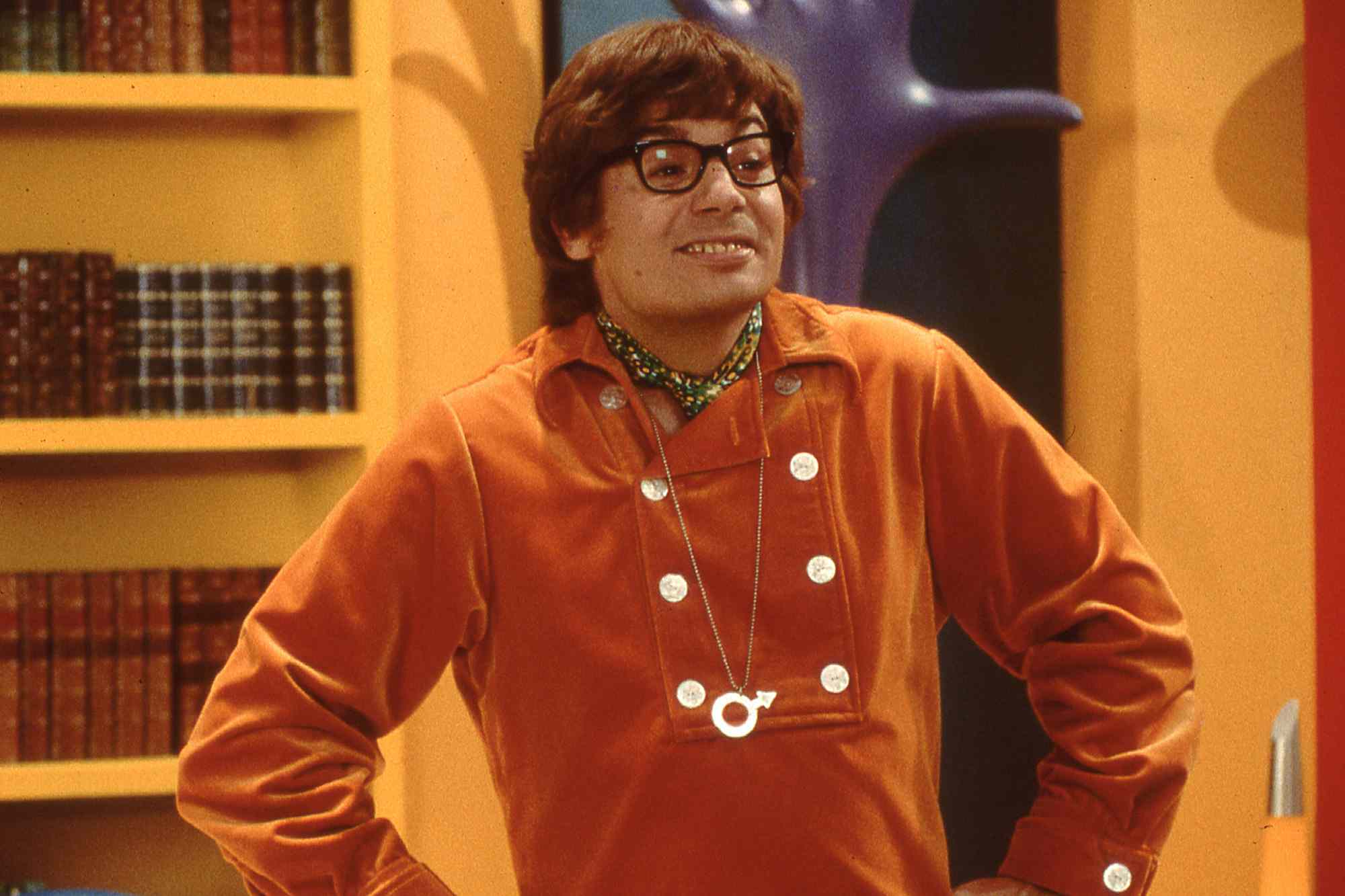
The ongoing debate surrounding Austin Powers scenes stems from the friction between 1990s "ironic" humor and 2026 cultural standards regarding body image, gender identity, and racial representation. While the films were intended as parodies of 1960s tropes, modern audiences frequently clash over whether the series successfully critiqued bigotry or merely profited from it.
The Cultural Collision: 1990s Irony vs. 2026 Sensitivity
To understand why Austin Powers: International Man of Mystery (1997) and its sequels continue to ignite heated discussions in 2026, one must first analyze the era in which they were conceived. The late 1990s and early 2000s were defined by a specific brand of "ironic" comedy. The prevailing logic among writers like Mike Myers and Jay Roach was that by depicting Austin Powers as a "swinging" relic of the 1960s, they were mocking the sexism and absurdity of the early James Bond era.
However, as the films have aged, the distinction between the target of the joke and the joke itself has blurred. In 2026, media literacy often prioritizes the impact of a scene over its satirical intent. For many viewers, a joke that relies on a caricature—even if framed as a parody of a previous era's caricature—still perpetuates the same harmful stereotypes. This tension is the primary engine of the modern debate: Is Mike Myers deconstructing the "Great British Spy" or is he simply using that framework to deliver "gross-out" humor that would otherwise be indefensible?
The Fat Bastard Controversy and Body Positivity
Perhaps no character in the trilogy sparks more vitriol today than Fat Bastard, introduced in The Spy Who Shagged Me (1999). At the time of release, the character was viewed as a masterclass in prosthetic makeup and physical comedy, earning an Academy Award nomination for Best Makeup. In 2026, the character is often cited as a prime example of "fatphobia" in legacy media.
The debate centers on the "gross-out" nature of the character’s scenes. Critics argue that Fat Bastard’s humor is derived entirely from his weight and physiological functions, which reinforces the societal stigma that plus-sized individuals are inherently unhygienic or "monstrous." Proponents of the film argue that the character is a villainous caricature meant to be repulsive, similar to the exaggerated villains in the Bond franchise like Jaws or Baron Samedi. Yet, the persistent use of Fat Bastard as a punchline suggests that the films were not critiquing the 1960s' view of weight, but rather indulging in the 1990s' obsession with fat-suit comedy—a trend that has largely been retired in modern Hollywood.
Mini-Me and the Ethics of Portrayal
The character of Mini-Me, played by the late Verne Troyer, remains a complex subject of discussion. On one hand, Troyer became a global superstar and a household name, providing a level of visibility for actors with dwarfism that was rare at the turn of the century. On the other hand, the character’s very existence is rooted in being a "half-sized" clone of Dr. Evil, which many modern critics argue is dehumanizing.
The debate in 2026 often focuses on the physical gags involving Mini-Me. Scenes where he is treated like a pet, put in a carrier, or used as a projectile are frequently scrutinized. The question remains: was Verne Troyer being empowered by a lead comedic role, or was he being exploited for visual "sight gags" that mocked his stature? The discourse is further complicated by Troyer’s own historical comments, where he often expressed gratitude for the role while acknowledging the limitations it placed on his subsequent career.
The "Man or Woman" Scene and Gender Identity
One of the most intensely debated scenes in the current landscape occurs in the first film, when Austin Powers encounters a character he suspects is a "fembot" or a man in disguise. The "Man or Woman?" gag, which involves Austin physically accosting a woman he believes to be an operative in drag, is viewed by many in 2026 as a transphobic trope.
In the context of 1997, the scene was intended to parody the "unmasking" trope found in 1960s spy thrillers. However, for the transgender and non-binary communities, the scene echoes real-world harassment and the "trans panic" defense. The debate here isn't just about whether the scene is "offensive," but about how such legacy content should be handled on streaming platforms. Some argue for content warnings, while others believe the scene should be viewed strictly as a historical artifact of a less-informed era.
Satirizing the "Male Gaze" or Indulging It?
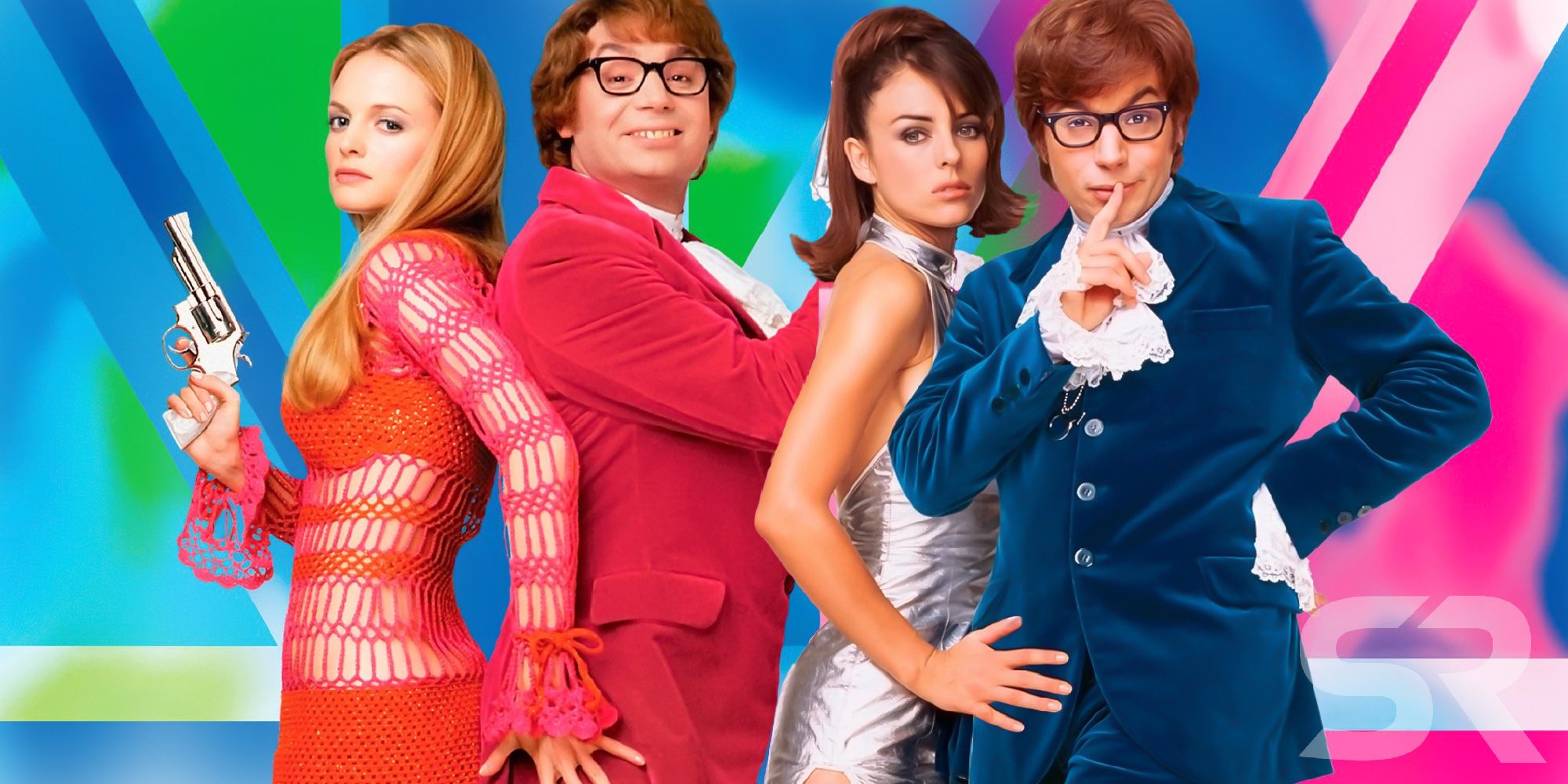
The Austin Powers series is built on the foundation of 1960s sexual liberation—or at least the Hollywood version of it. Characters like Vanessa Kensington (Elizabeth Hurley), Felicity Shagwell (Heather Graham), and Foxxy Cleopatra (Beyoncé) are central to the films' appeal. The debate persists over whether these characters are strong, independent women who subvert the "Bond Girl" trope, or if they are merely updated versions of the same objectified archetypes.
- Vanessa Kensington: Often credited as the "straight man" who points out Austin’s ridiculousness and sexism.
- Felicity Shagwell: Criticized for being a more passive character who exists primarily as a romantic foil.
- Foxxy Cleopatra: Sparks debate regarding "Blaxploitation" tropes and whether Mike Myers was paying homage to or mocking the 1970s genre.
The 2026 perspective often leans toward the idea that while the women in Austin Powers are frequently smarter than the protagonist, the camera and the script still prioritize their physical appearance in a way that aligns with the "Male Gaze" the films claim to be satirizing.
Historical Context: The Bond Parody Element
To accurately analyze these scenes, one must reference the specific James Bond films they were skewering. Dr. Evil is a direct parody of Ernst Stavro Blofeld from You Only Live Twice (1967), and many of the "problematic" elements in Austin Powers were direct lifts from Bond's more questionable moments.
| Element | James Bond Origin | Austin Powers Parody/Scene | Modern Debate Point |
|---|---|---|---|
| Villain Henchmen | Oddjob / Random Task | Random Task throwing a shoe | Racial caricature vs. Parody |
| Sexualized Names | Pussy Galore / Plenty O'Toole | Alotta Fagina / Ivana Humpalot | Adolescent humor vs. Misogyny |
| Disability Tropes | Blofeld's scarring | Dr. Evil's pinky / Mini-Me | Mocking physical differences |
| Cultural Tropes | Live and Let Die (1973) | Goldmember (2002) / Foxxy Cleopatra | Appropriation vs. Homage |
The Role of Streaming and Legacy Content in 2026
As of 2026, the way we consume older media has changed. The Austin Powers trilogy is a staple of streaming libraries, leading to a "re-discovery" by younger generations who did not live through the 90s. This has led to a digital divide: Gen X and Millennials often view the films through a lens of nostalgia, remembering them as "harmless" fun that poked fun at their parents' generation. Conversely, Gen Z and Gen Alpha viewers, raised with different social imperatives, often find the humor jarring or outright hostile.
This disconnect is why the debate never truly dies. Every time a new streaming platform acquires the rights or a "4th movie" rumor surfaces, these scenes are re-evaluated. The discussion has moved past simple "like/dislike" metrics and into the realm of cultural sociology. We are no longer just talking about a movie; we are talking about what that movie says about the progress (or lack thereof) in Western humor over thirty years.
FAQ: Understanding the Austin Powers Discourse
Is Austin Powers "cancelled" in 2026?
No, the franchise is not "cancelled." It remains a commercial success and is frequently cited for its influence on comedy. However, specific scenes are widely recognized as having "aged poorly," leading to more critical discussions in academic and film-journalism circles than existed during its original run.
Why didn't people find these scenes offensive in the 1990s?
The cultural climate of the 1990s prioritized "edginess" and the subversion of political correctness. At the time, the act of being "offensive" was often equated with being "honest" or "rebellious." Furthermore, the marginalized groups being parodied did not have the same digital platforms to voice their critiques that they do today.
What has Mike Myers said about the controversy?
In various retrospectives, Mike Myers has maintained that the films were a "labor of love" and a tribute to his father's British heritage. While he has not issued formal apologies for specific scenes, he has acknowledged that the world has changed and that the humor was a product of its specific time.
Are there plans for an Austin Powers 4 that addresses these issues?
Rumors of a fourth film have circulated for decades. In 2026, industry insiders suggest that any potential revival would likely pivot away from the "gross-out" humor of the sequels and lean more into a "meta-commentary" on how a character like Austin Powers would function in a post-Me-Too world.
Does the satire of the 60s excuse the jokes?
This is the core of the debate. Some film historians argue that because Austin is frequently the "butt of the joke" for his outdated views, the film is actually progressive. Others argue that if the audience is still laughing at the marginalized person (like Fat Bastard or Mini-Me) rather than at Austin’s reaction to them, the satire has failed.
Practical Recommendation for Viewers
If you are revisiting the Austin Powers trilogy in 2026, the most productive approach is to view it as a dual-layered historical document. It provides a window into the 1960s through its parody of Bond, but more importantly, it provides a window into the 1990s through its choice of what to find funny.
For parents or educators, watching these films provides an excellent opportunity to discuss how social norms evolve. Rather than avoiding the scenes that spark debate, use them as a starting point to analyze why certain tropes—such as the use of fat suits or the mockery of gender non-conformity—have largely disappeared from modern mainstream cinema. Understanding the "why" behind the debate is more valuable than simply labeling the content as "good" or "bad."
Image Gallery
Select an image to open it in a new tab.

Vivian Cho
Executive IT and Emerging Technologies Reporter
