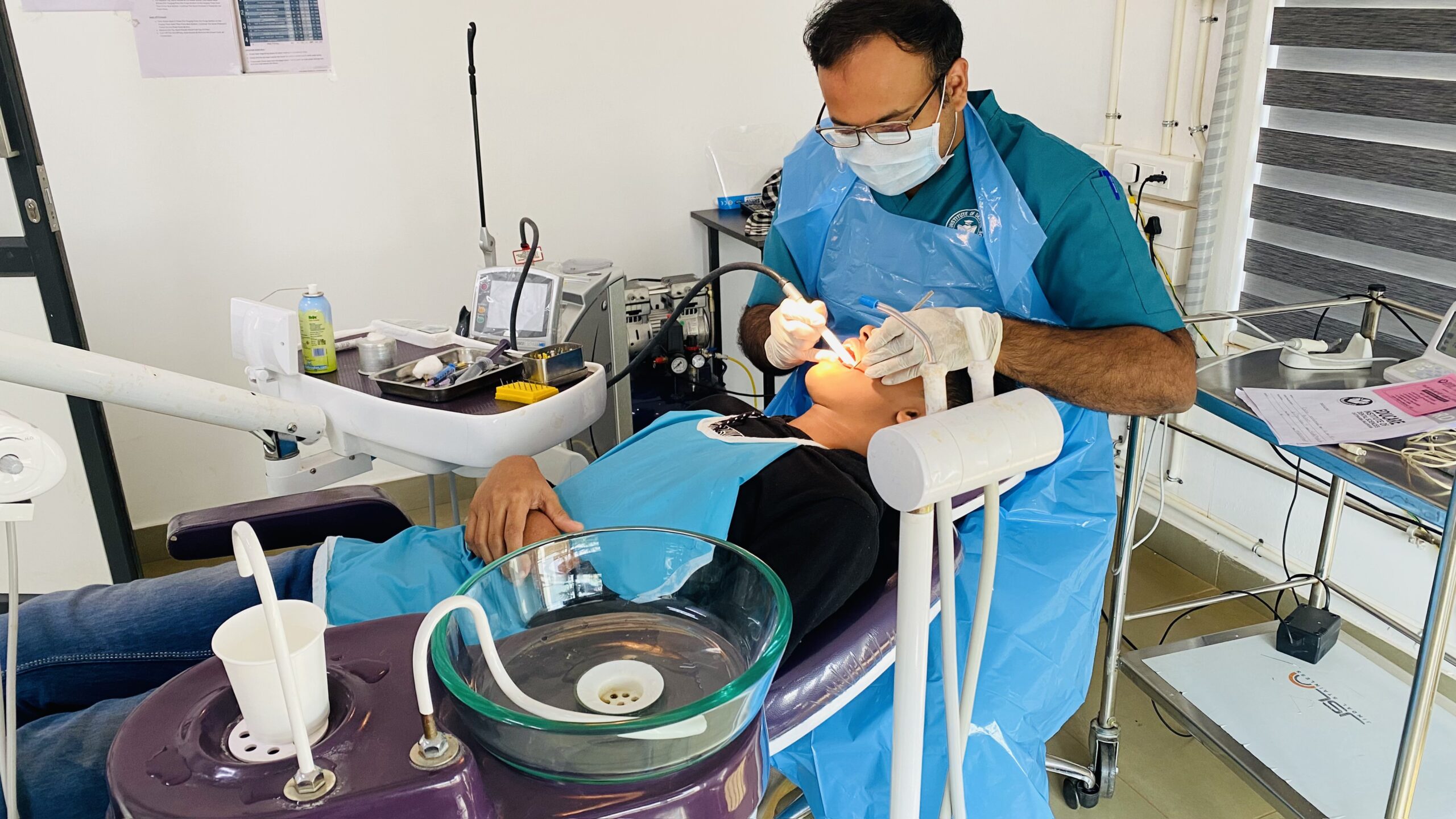
Becoming a surgical oncologist requires a rigorous, multi-decade educational and professional journey that bridges general surgery and advanced cancer care. The process involves completing undergraduate education, earning a medical degree, finishing a demanding general surgery residency, and securing a specialized surgical oncology fellowship. Because this career path deals with complex malignancies, operating on delicate tissues, and managing multidisciplinary cancer treatment plans, prospective physicians must commit to continuous academic, technical, and emotional resilience.
Understanding the Role of a Surgical Oncologist
A surgical oncologist is a specialized surgeon who focuses on the surgical management of cancer. Unlike general surgeons who handle a wide variety of abdominal, soft tissue, and trauma cases, surgical oncologists receive intensive training in the biology of cancer, advanced staging, and complex resections involving critical structures like major blood vessels, nerves, and organs.
Their day-to-day responsibilities extend far beyond the operating room. They evaluate patients, interpret advanced diagnostic imaging and pathology reports, determine whether surgery is appropriate based on cancer staging, and collaborate closely with medical oncologists, radiation oncologists, radiologists, and pathologists in multidisciplinary tumor boards. They also manage postoperative care, monitor for recurrence, and participate in clinical trials to advance cancer therapies. Understanding this scope is essential before embarking on the training pipeline, as the emotional and physical demands of managing advanced malignancies require high dedication.
Step 1: Laying the Educational Foundation (Undergraduate Studies)
The journey to becoming a surgical oncologist begins during undergraduate studies. While medical schools do not mandate a specific major, aspiring physicians must complete strict prerequisite coursework in the sciences.
- Required Coursework: Standard prerequisites typically include one year of general biology, general chemistry, organic chemistry, and physics, often accompanied by calculus or statistics.
- Major Selection: Many students choose pre-med, biology, chemistry, or biochemistry, but humanities and social science majors are equally acceptable provided science requirements are fulfilled.
- Extracurricular Activities: Beyond maintaining a high grade point average (GPA), candidates must build a competitive medical school application through clinical volunteering, physician shadowing, healthcare employment (such as an EMT or medical scribe), and scientific research.
- The MCAT: The Medical College Admission Test (MCAT) is a critical standardized exam that evaluates problem-solving, critical thinking, and knowledge of natural, behavioral, and socio-cultural sciences. Achieving a competitive score is mandatory for medical school admission.

Step 2: Earning a Medical Degree (Medical School)
Securing admission to an allopathic (MD) or osteopathic (DO) medical school marks the official entry into professional medical training. Medical school spans four years and is divided into preclinical and clinical phases.
- Preclinical Years (Years 1 and 2): Students spend the first two years in classrooms and laboratories mastering foundational medical sciences, including gross anatomy, physiology, biochemistry, pathology, pharmacology, and microbiology.
- Clinical Rotations (Years 3 and 4): During the final two years, students transition into teaching hospitals and clinics as clinical clerks. They rotate through core specialties—including surgery, internal medicine, pediatrics, obstetrics and gynecology, psychiatry, and family medicine.
- Licensing Examinations: Medical students must pass Step 1 and Step 2 Clinical Knowledge (CK) of the United States Medical Licensing Examination (USMLE) for MD students, or the Comprehensive Medical Licensing Examination (COMLEX-USA) for DO students, to progress and graduate.
- The Match Process: In the final year of medical school, students participate in the National Resident Matching Program (NRMP) to secure a residency position. For a future surgical oncologist, matching into a highly competitive categorical General Surgery residency is the mandatory next step.
Step 3: Completing General Surgery Residency
General surgery residency is widely recognized as one of the most grueling and demanding training periods in modern medicine.
- Duration and Structure: A traditional categorical general surgery residency lasts five years, though some programs incorporate dedicated research years, extending the total time to seven years.
- Surgical Training: Residents gain hands-on experience under the supervision of attending surgeons, progressing from basic wound management and assisting in minor cases to performing major oncological, trauma, vascular, and emergency operations as chief residents.
- Work Hours and Intensity: Residents routinely work 80 hours per week or more, managing critically ill patients, taking overnight call, and balancing clinical duties with academic conferences and examinations.
- Board Certification Eligibility: Throughout residency, trainees must pass annual in-training examinations (ABSITE) administered by the American Board of Surgery (ABS). Upon successful completion of residency, graduates are eligible to take the American Board of Surgery qualifying and certifying examinations to become board-certified general surgeons.
Step 4: Pursuing a Surgical Oncology Fellowship
General surgery residency provides a broad foundation, but it does not confer specialized expertise in complex cancer operations. To become a true surgical oncologist, physicians must complete an accredited fellowship.
- Application Process: Fellowships are highly competitive and use the San Francisco Match (SF Match) or a similar residency matching service. Applicants must submit letters of recommendation, medical school transcripts, board scores, and a record of research productivity.
- Fellowship Structure: Most accredited fellowships last for two years and are approved by the Society of Surgical Oncology (SSO). Fellows receive dedicated training in complex surgical oncology, including operations for hepato-pancreato-biliary cancers, melanoma, sarcoma, breast cancer, endocrine tumors, and peritoneal surface malignancies.
- Multidisciplinary Training: Fellows spend significant time rotating through medical oncology, radiation oncology, and pathology departments to ensure a comprehensive understanding of multimodal cancer therapy.
- Research and Publications: Most programs require fellows to engage in clinical or translational research, often presenting at national meetings and publishing peer-reviewed manuscripts.
Step 5: Licensure, Board Certification, and Continuing Practice
Upon completing a surgical oncology fellowship, the physician must finalize credentialing before entering independent practice.
- State Medical Licensure: Physicians must hold an active, unrestricted medical license in the state where they intend to practice.
- Subspecialty Certification: While the American Board of Surgery offers a specific complex general surgical oncology board certification, surgeons must first maintain their general surgery certification and meet specific case volume and examination requirements.
- Hospital Privileges: Hospital credentialing committees review a surgeon's training log, references, and outcomes data before granting privileges to perform specialized cancer surgeries.
| Training Stage | Typical Duration | Primary Focus | Key Milestones |
|---|---|---|---|
| Undergraduate Education | 4 Years | Science prerequisites and foundational learning | Earning a Bachelor’s degree, high GPA, MCAT exam |
| Medical School | 4 Years | Basic sciences and clinical rotations | Earning an MD or DO degree, USMLE/COMLEX exams |
| General Surgery Residency | 5 Years | Broad surgical competency and patient management | ABSITE exams, General Surgery Board Certification |
| Surgical Oncology Fellowship | 2 Years | Advanced cancer resections and multidisciplinary care | SSO Fellowship completion, Complex General Surgical Oncology certification |
Frequently Asked Questions
How many total years does it take to become a surgical oncologist?
The entire process takes approximately 14 to 16 years after graduating from high school. This includes four years of undergraduate education, four years of medical school, five years of general surgery residency, and a two-year specialized surgical oncology fellowship. Some trainees also choose to add one to three years of dedicated laboratory or clinical research during residency.
Is a surgical oncology fellowship mandatory?
Yes. While a general surgeon is legally permitted to perform cancer operations, modern oncology demands highly specialized training due to complex staging, multidisciplinary management, and intricate technical resections. Completing an accredited Society of Surgical Oncology fellowship is the recognized standard for practicing as a dedicated surgical oncologist.
What is the difference between a surgical oncologist and a medical oncologist?
A surgical oncologist is a physician who treats cancer primarily through operations, removing tumors and surrounding lymph nodes. A medical oncologist uses systemic therapies, such as chemotherapy, immunotherapy, targeted therapy, and hormonal therapy, to treat cancer. Both specialists work closely together alongside radiation oncologists to manage patient care.
What are the lifestyle and career demands of a surgical oncologist?
Surgical oncology is a high-stakes, high-stress specialty. Surgeons often manage patients with advanced, life-threatening diseases, leading to emotionally taxing patient relationships. Work hours can be long and unpredictable, requiring emergency interventions, intensive postoperative management, and a commitment to lifelong medical learning and research.
How competitive is the match for a surgical oncology fellowship?
The match for an accredited complex general surgical oncology fellowship is highly competitive. Programs look for strong letters of recommendation, exceptional performance during general surgery residency, leadership potential, and a robust portfolio of research and peer-reviewed publications.
Next Actions and Career Realization
For those committed to entering this field, the immediate priority is to assess current academic standing and secure robust mentorship. Medical students should seek out general surgery and surgical oncology mentors early, participate in clinical research projects, and perform exceptionally well on core clerkships and board examinations. Reaching this elite level of medicine requires unwavering dedication, but for those passionate about advancing cancer care, the career offers profound professional fulfillment and the ability to significantly impact patient survival and quality of life.
Image Gallery
Select an image to open it in a new tab.

Vivian Cho
Executive IT and Emerging Technologies Reporter
