The Legacy of Abby and Libby: Understanding the Delphi Investigation, Community Impact, and Long-Term Pursuit of Justice
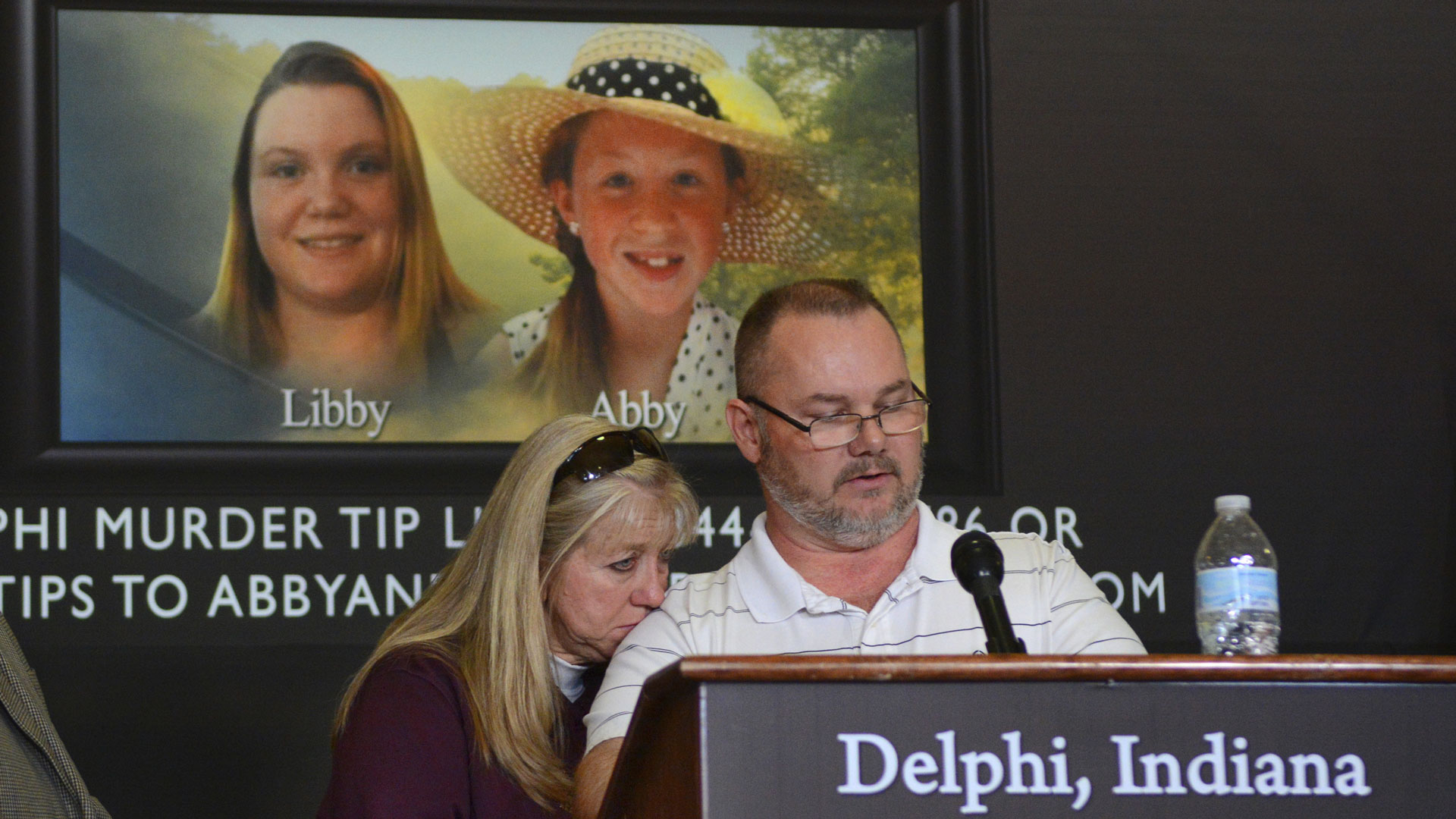
The 2017 murders of Abigail Williams and Liberty German in Delphi, Indiana, profoundly shaped American true crime discourse, investigative journalism, and local community resilience. This case examines the historical timeline of the investigation, the legal proceedings surrounding Richard Allen, and the enduring cultural impact on public safety and digital forensics.
Introduction to the Delphi Tragedy and Its Scope
On February 13, 2017, eighth-graders Abigail "Abby" Williams (13) and Liberty "Libby" German (14) went missing while hiking along the Monon High Bridge Trail near Delphi, Indiana. Their bodies were discovered the following day in a wooded area near the trail. The tragedy immediately captured national attention, transforming a quiet rural community into the epicenter of one of the most scrutinized homicide investigations in modern United States history.
For years, the case remained an open mystery, fueled by limited initial law enforcement disclosures, community-led search efforts, and the release of crucial digital evidence captured on Libby German's smartphone. The investigation reached a major turning point in October 2022 with the arrest of local resident Richard Allen, culminating in court proceedings that tested the boundaries of digital evidence, media coverage, and constitutional rights in high-profile rural trials. Understanding this case requires an examination of the investigative timeline, the role of digital evidence, the legal proceedings, and the broader societal impacts that continue to resonate.
Chronological Overview of the Investigation
The investigation into the deaths of Abby and Libby unfolded across distinct phases, marked by shifts in investigative strategy, public appeals, and technological applications. Law enforcement agencies—including the Delphi Police Department, the Carroll County Sheriff's Department, the Indiana State Police, and the Federal Bureau of Investigation (FBI)—formed a joint task force to process thousands of tips.
Phase One: The Initial Search and Discovery (February 2017)
The timeline of February 13, 2017, established the framework for the initial search. Dropped off by family members near the Monon High Bridge, the teenagers planned an afternoon hike. When they failed to meet at their designated pick-up location later that afternoon, family members notified authorities.
- February 13, 2017: Family members report Abby and Libby missing after they fail to return.
- February 14, 2017: Search parties discover the bodies of both girls approximately 4,100 feet north of the abandoned Monon High Bridge, near Deer Creek.
- February 19, 2017: Law enforcement holds a press conference confirming the investigation is a double homicide and releasing the first details regarding an unknown suspect.
Phase Two: The Evolution of Public Appeals (2017–2019)
During the early years, investigators realized they possessed unique digital clues. On February 15, 2017, law enforcement released a still image of a man walking on the Monon High Bridge, captured on Libby German’s phone.
In April 2019, during a high-profile press conference, the Indiana State Police released an expanded audio clip ("Guys... down the hill") and a short video snippet of the suspect. Authorities also released a second sketch, indicating that the composite sketch released in 2017 depicted a younger person of interest, while the 2019 sketch represented a second individual who investigators believed more closely resembled the actual perpetrator. This dual-sketch strategy created temporary confusion among the public and amateur sleuths, a point later emphasized by defense attorneys during court proceedings.
Phase Three: The Arrest of Richard Allen (2022)
For over five years, the case generated extensive online speculation, true crime podcasts, and independent investigations. The breakthrough arrived in late 2022 when investigators re-examined a 2017 tip sheet.
Richard Allen, a resident of Delphi who worked locally at a pharmacy, had come forward in the days following the murders in 2017 to state he was on the trails that afternoon. Due to an administrative oversight, his original statement had been misfiled or overlooked. Upon re-examination, investigators matched his timeline, vehicle description, and admissions, leading to his arrest on October 28, 2022. Allen was formally charged with two counts of murder.
| Investigation Phase | Key Timeframe | Primary Milestones & Actions |
|---|---|---|
| Discovery | February 2017 | Search initiated; bodies found near Deer Creek; task force formed. |
| Public Appeals | April 2019 | Release of updated audio, video, and second suspect sketch by Indiana State Police. |
| Breakthrough | October 2022 | Re-examination of historical tip files leads to the identification and arrest of Richard Allen. |
| Trial Proceedings | October–November 2024 | Comprehensive court hearings, motions, testimonies, and jury verdict. |

Digital Forensics and Evidence Collection
The investigation into the deaths of Abby and Libby stands as a landmark case for the integration of consumer digital media into homicide investigations. The pivotal piece of evidence—often referred to by the public as the "Down the Hill" video—was retrieved from Libby German's smartphone.
The Significance of the Smartphone Video
Libby German’s decision to record video footage on her phone as an unknown male approached them proved critical. While the video footage is brief and low-resolution, it provided investigators with:
- Visual Evidence: A moving image of a male subject wearing a dark jacket, blue jeans, and a cap, walking across the Monon High Bridge.
- Audio Evidence: The voice of the suspect directing the girls, establishing the exact phrasing ("Guys... down the hill") that became central to public identification efforts.
- Metadata: Timestamp data confirming the exact timing of the encounter, narrowing the window of the crime.
Challenges in Digital Forensics
While digital evidence provided direction, it also introduced complications. The grainy nature of the video allowed for widespread subjective interpretation. Amateur online sleuths generated numerous theories based on enhancements of the footage, occasionally spreading misinformation that hindered official channels. Law enforcement repeatedly cautioned the public against relying on unverified internet analyses, emphasizing that professional forensic enhancement labs performed rigorous analysis on the original device data.
Legal Proceedings and Trial of Richard Allen
The legal path from Richard Allen's 2022 arrest to the 2024 trial involved extensive pretrial motions, changes of venue requests, security protocols, and intense media scrutiny managed by Allen County Judge Frances Gull.
Pretrial Motions and Defense Strategies
Defense attorneys Bradley Rozzi and Andrew Baldwin filed numerous motions challenging the state's case. Key legal battles included:
- Alternative Theory Defenses: The defense introduced alternative theories involving third-party culpability, suggesting that the murders bore hallmarks of a ritualistic crime committed by external actors. The prosecution successfully moved to limit the introduction of these theories during trial, arguing they lacked a direct evidentiary link to Allen.
- Conditions of Confinement: Allen's defense team repeatedly challenged his pretrial detention conditions, arguing that his isolation in state correctional facilities violated his constitutional rights and impacted his mental health.
- Franks Hearings: The defense challenged the validity of the search warrant used to search Allen's home, claiming investigators omitted or misrepresented facts in their probable cause affidavit.
The Trial and Verdict
The trial commenced in October 2024 in Delphi, with proceedings moved to Carroll County/Allen County jurisdictions due to extensive local pre-trial publicity. The prosecution presented cell phone metadata, witness testimony placing Allen near the trail during the relevant time window, unspent bullet evidence matched to a firearm owned by Allen, and alleged incriminating statements made by Allen while incarcerated.
In November 2024, the jury found Richard Allen guilty of two counts of murder in the deaths of Abby and Libby. The verdict brought a legal conclusion to the primary criminal proceeding, though appellate processes and discussions surrounding the thoroughness of the initial investigation continue within legal and public forums.
Cultural and Community Impact
The impact of the Delphi murders extends far beyond the courtroom, influencing local community structures, public safety awareness, and the true crime media landscape.
Impact on Delphi, Indiana
The small town of Delphi experienced profound trauma. The community rallied during the early search efforts and maintained memorials for Abby and Libby over the years. Local institutions, schools, and families adjusted daily routines regarding youth safety and outdoor recreation. The Monon High Bridge Trail itself became a site of solemn reflection, leading to discussions about how communities balance public access to natural spaces with personal security.
Evolution of True Crime Media and Amateur Sleuthing
The case became a defining moment for the digital true crime community. Podcasts, YouTube channels, and social media groups dedicated hundreds of hours to analyzing every public filing, press conference, and rumor. While this sustained public interest kept the case in the national spotlight, it also highlighted the ethical challenges of amateur investigations, including the spread of false accusations against innocent local residents and the pressure placed on law enforcement agencies.
Frequently Asked Questions
When did the Delphi murders take place?
Abby Williams and Libby German disappeared on February 13, 2017, and their bodies were discovered the following day, February 14, 2017, near Delphi, Indiana.
Who was arrested and convicted for the crimes?
Richard Allen, a local resident of Delphi, was arrested in October 2022. Following a trial in late 2024, a jury found him guilty of two counts of murder.
What evidence was most critical in identifying the suspect?
Key evidence included historical tip records placed in law enforcement files, witness observations placing Allen near the trail, cell phone metadata, and digital video and audio recorded on Libby German's smartphone.
How did the video from Libby German's phone help the investigation?
The video provided investigators with a visual depiction of the suspect, audio of his voice directing the victims, and precise timestamp data that established the timeline of the encounter.
Where did the events take place?
The victims were abducted and killed near the Monon High Bridge Trail, a popular hiking path situated along Deer Creek just outside Delphi, Indiana.
Next Actions and Memorial Preservation
For those following the case or seeking to understand its ongoing legacy, attention remains focused on official court transcripts, appellate filings, and community-led initiatives dedicated to preserving the memory of Abby Williams and Liberty German. Local organizations and the families of the victims have established scholarship funds and community safety programs to ensure that the lives of Abby and Libby are remembered through positive civic contributions rather than solely by the tragedy of their deaths.
Image Gallery
Select an image to open it in a new tab.


