
Workers’ compensation coverage is a state-mandated insurance system designed to provide medical benefits, wage replacement, and rehabilitation services to employees who suffer work-related injuries or illnesses. While the specific benefits vary by jurisdiction, the fundamental structure remains consistent across most of the United States: it is a "no-fault" system, meaning you generally do not need to prove your employer was negligent to receive benefits, provided your injury arose out of and in the course of your employment.
To determine what sort of coverage you have, you must look at your specific state’s labor laws and the terms of your employer’s policy. In most instances, your coverage includes medical expenses for injury treatment, a portion of your lost wages while you are unable to work, permanent disability payments if an injury results in a lasting impairment, and death benefits for surviving dependents in the event of a fatal workplace accident. Because this insurance is paid for entirely by your employer, you should not be responsible for premiums or out-of-pocket costs for covered medical care related to your claim.
The Core Pillars of Workers’ Compensation Benefits
Workers’ compensation acts as a legal compromise between employers and employees. By accepting these benefits, employees typically waive their right to sue their employer for damages related to a work injury, regardless of whether the employer was at fault. Conversely, the employer gains immunity from most personal injury lawsuits, while ensuring that injured workers receive prompt medical and financial assistance.
Medical Coverage
Medical coverage is the most fundamental aspect of your workers’ compensation policy. It is designed to cover 100% of the costs associated with the reasonable and necessary treatment of your work-related injury or occupational illness. This includes:
- Emergency room visits and hospital stays.
- Surgery and follow-up procedures.
- Prescription medications related to the injury.
- Physical therapy and rehabilitation services.
- Diagnostic testing, including X-rays, MRIs, and CT scans.
- Medical devices such as crutches, braces, or wheelchairs.
Crucially, in many jurisdictions, you are required to use a physician approved by your employer or their insurance carrier to ensure the costs are covered under the policy. Failing to follow the "panel of physicians" or network requirements can lead to complications in claim approval.
Wage Replacement (Indemnity Benefits)
If your injury prevents you from working for a period longer than the state-mandated waiting period, you are generally entitled to wage replacement benefits, often referred to as "indemnity" benefits. These are typically calculated as a percentage of your average weekly wage, usually two-thirds (66.6%) of your pre-injury earnings, subject to state-established minimums and maximums. These payments are generally tax-free.
Permanent and Temporary Disability
When an injury results in long-term consequences, the classification of your disability becomes critical:
- Temporary Total Disability (TTD): You are completely unable to work during the recovery period.
- Temporary Partial Disability (TPD): You can return to work, but only in a limited capacity or at reduced pay.
- Permanent Partial Disability (PPD): You have recovered as much as possible, but have a permanent impairment that restricts your work or daily life.
- Permanent Total Disability (PTD): You are unable to return to any form of gainful employment.
How to Verify Your Specific Coverage
Verifying your coverage is a proactive step that every employee should take before an incident occurs. Do not wait until an injury happens to discover the limitations or specific protocols required by your employer.
1. Review Your Employee Handbook
Most employers outline their workers' compensation reporting procedures in the employee handbook. This document often identifies the insurance carrier, the designated medical provider network, and the specific timeframe within which an injury must be reported.
2. Consult Your State Labor Board
Because workers' compensation is regulated at the state level, the most accurate information regarding your rights can be found on your state’s Department of Labor or Workers’ Compensation Board website. These government portals provide clear summaries of:
- Waiting periods before benefits kick in.
- Deadlines for reporting injuries to your employer.
- Statutes of limitations for filing formal claims.
- Your rights regarding the choice of medical provider.
3. Contact Human Resources
Your Human Resources department is legally required to maintain information regarding the company’s workers' compensation policy. You can formally ask:
- Who is the insurance carrier providing our coverage?
- What is the process for reporting a workplace injury?
- Does our company use a managed care organization (MCO) or a specific physician network?

Comparative Overview of Benefit Types
| Benefit Type | Primary Goal | Duration/Scope |
|---|---|---|
| Medical Care | Restore health/function | Until Maximum Medical Improvement (MMI) |
| Temporary Total | Replace lost income while recovering | Until release to light or full duty |
| Permanent Partial | Compensate for lasting impairment | Determined by state schedule/rating |
| Death Benefits | Support for surviving dependents | Subject to state-defined caps/time limits |
| Vocational Rehab | Assist in return to workforce | Targeted at retraining or job placement |
Understanding the "Arising Out of and In the Course of Employment" Standard
For a claim to be covered, the injury must meet the "AOE/COE" standard. "Arising Out of Employment" refers to the cause—the injury must be related to your job duties or the environment in which you work. "In the Course of Employment" refers to the time and space—you must have been performing work-related tasks during work hours at the time of the incident.
Common exclusions or disputes often involve:
- Commuting: Generally, travel to and from work is not covered unless you are traveling for a specific business purpose or are a field employee.
- Horseplay: Injuries resulting from voluntary "roughhousing" are frequently denied.
- Intoxication: If an injury is caused by the employee’s voluntary intoxication (drug or alcohol use), many states deny coverage.
- Pre-existing conditions: While these are not automatically excluded, they are often the subject of intense medical review to determine if the work incident aggravated the condition or if the condition is the primary driver of the current disability.
FAQ: Common Questions Regarding Workers’ Compensation Coverage
What if my injury is a repetitive strain or occupational disease?
Occupational illnesses and repetitive motion injuries (such as carpal tunnel syndrome) are generally covered, provided you can provide medical evidence linking the condition to your work duties. These claims can be more complex because they lack a "specific event" timestamp, making documentation of the injury's progression vital.
Can I be fired for filing a workers’ compensation claim?
In most states, it is illegal for an employer to retaliate against an employee for filing a legitimate workers' compensation claim. However, this does not mean your position is guaranteed if you are unable to perform your duties for an extended period, provided the employer follows federal and state laws such as the Americans with Disabilities Act (ADA) or the Family and Medical Leave Act (FMLA).
What if I disagree with the insurance carrier’s decision?
If your claim is denied or you feel your medical benefits are insufficient, you have the right to appeal. This process usually involves a formal hearing before a state administrative law judge or a workers' compensation board. It is highly recommended to consult with a workers’ compensation attorney if you decide to contest a denied claim.
Are all employees covered?
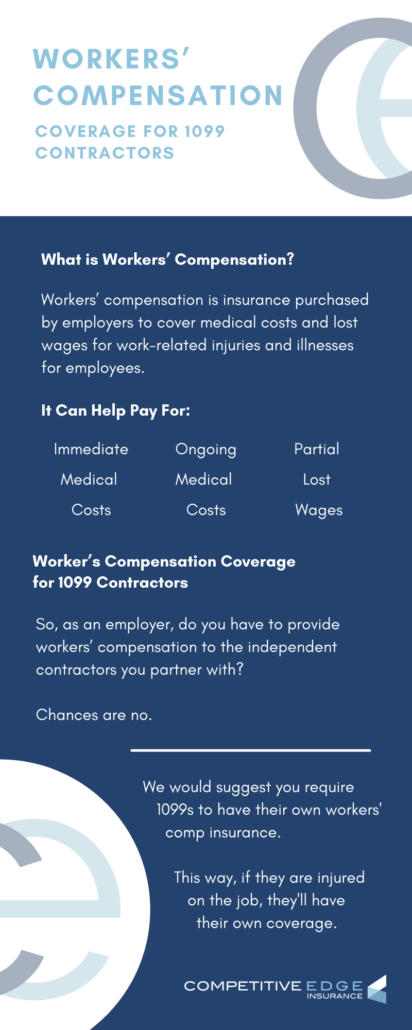
Most employers are required by law to carry insurance if they have a certain number of employees (often one or more). However, there are exceptions for certain classifications, such as independent contractors, agricultural workers, or domestic employees in some states. Check your specific state laws to ensure your employment classification qualifies.
How long do I have to report an injury?
This varies significantly by jurisdiction. Some states require notification within 24 to 48 hours, while others allow up to 30 days. Reporting an injury as soon as it occurs is the best way to protect your rights and ensure your claim is processed without unnecessary delays.
Recommended Next Actions
- Locate your employer’s official Workers' Compensation poster. By law, most workplaces must display this in a common area. It contains the name of the insurance carrier and the contact for reporting injuries.
- Document everything. If you suffer an injury, keep a detailed record of the time, date, witnesses, and the exact nature of the work you were performing.
- Prioritize medical treatment. Do not delay seeing a doctor if you are hurt. Inform the medical provider immediately that the injury happened at work so they can code the visit correctly for workers' compensation insurance.
- Confirm your status. If you are an independent contractor, verify your status. Many employers mistakenly classify employees as contractors, which can jeopardize your access to benefits.
Image Gallery
Select an image to open it in a new tab.

Vivian Cho
Executive IT and Emerging Technologies Reporter
