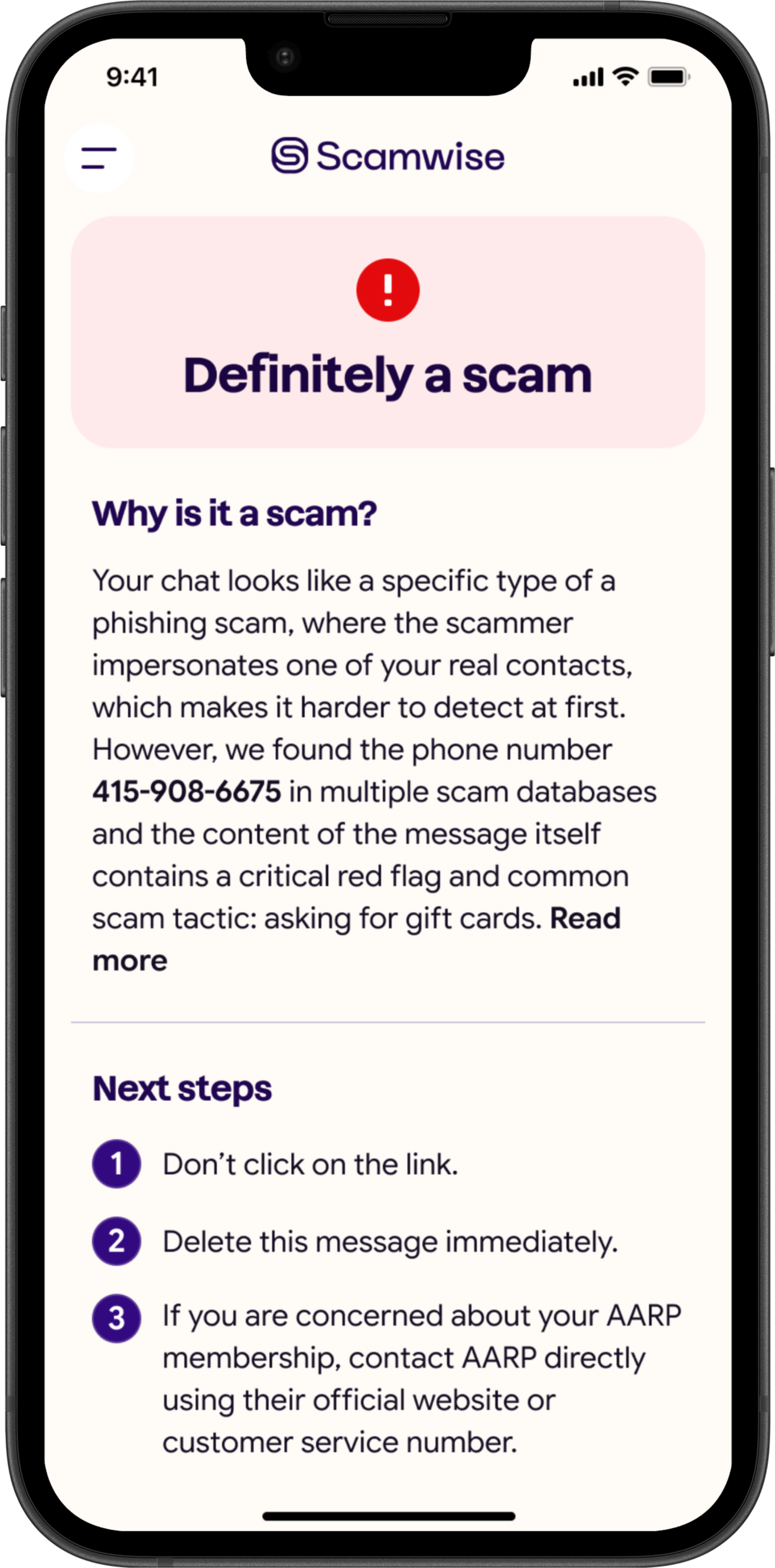
A scam number is a telephone line used by fraudsters to impersonate legitimate entities—such as banks, government agencies, or tech support—to steal money or sensitive personal information. These numbers often utilize "spoofing" technology to appear local or official, masking the true identity and location of the caller to bypass a victim’s skepticism.
In 2026, phone-based fraud remains one of the most pervasive threats to personal and financial security. While telecommunications technology has advanced significantly, the methods used by bad actors have become more sophisticated, often leveraging artificial intelligence and Voice over Internet Protocol (VoIP) to conduct large-scale campaigns with minimal overhead. Understanding the nature of a scam number, how these calls are generated, and the psychological tactics behind them is essential for self-protection.
The Technical Reality of Scam Numbers
To understand what a scam number is, one must first understand that the number displayed on a caller ID is often a digital mask. In the traditional analog phone system, a phone number was tied to a specific physical copper wire. In the modern digital era, however, most scam calls originate from computers using VoIP software.
Caller ID Spoofing
The most common technique associated with scam numbers is caller ID spoofing. This occurs when a caller deliberately falsifies the information transmitted to your caller ID display. Scammers use specialized software or service providers to choose exactly what name and number show up on your screen.
By 2026, "neighbor spoofing" has become the standard. This is a tactic where the scammer displays a number with your local area code and sometimes even the first three digits of your own phone number. The logic is simple: people are significantly more likely to answer a call if it looks like it is coming from a local neighbor or a local business rather than an unknown international code.
VoIP and Virtual Numbers
Scam numbers are rarely tied to a permanent physical location. Scammers purchase blocks of virtual numbers from legitimate or grey-market VoIP providers. These numbers can be discarded as soon as they are flagged by telecommunications carriers or reported by enough users. This "disposability" makes it difficult for law enforcement to track the physical origin of the call, which is frequently located in a different country than the victim.
How to Identify a Scam Number Before and During a Call
Identifying a scam number requires a combination of technical awareness and healthy skepticism. While some scam calls are obvious, others are designed to be indistinguishable from legitimate business communications.
Red Flags on the Caller ID
While spoofing makes it difficult to trust the screen, there are certain patterns that suggest a number is fraudulent:
- Unusual Prefixes: If you receive a call from a country code where you have no acquaintances or business dealings, it is highly likely to be a scam.
- Inconsistent Branding: If the caller ID says "Internal Revenue Service" but the number is a standard 10-digit mobile number rather than an official government line, it is a fraud.
- Verified Labels: Many modern smartphones and carriers now include "Scam Likely" or "Spam Risk" labels. These are generated by analyzing call patterns; if a single number makes 10,000 calls in one hour, it is automatically flagged.
Indicators During the Conversation
Once the call is answered, the nature of the "number" becomes less important than the nature of the "request." Legitimate organizations, particularly financial institutions and government agencies, adhere to strict communication protocols.
| Feature | Legitimate Call | Scam Call |
|---|---|---|
| Urgency | Provides time for review and official documentation. | Demands immediate action to avoid arrest or loss of funds. |
| Payment Method | Standard bank transfers, checks, or secure portals. | Demands gift cards, cryptocurrency, or wire transfers. |
| Information Request | Verifies identity using pre-established security questions. | Asks for full Social Security numbers or passwords upfront. |
| Tone | Professional, calm, and informative. | Aggressive, threatening, or overly "helpful" (tech support). |
| Call Origin | Traceable to a known business headquarters. | Often uses AI-generated voices or noisy "call center" backgrounds. |

Common Categories of Scam Number Campaigns
Scammers use different "scripts" depending on the demographic they are targeting. By 2026, these scripts have been refined through data breaches, allowing scammers to know more about their victims before they even dial.
The Government Impersonator
These calls often use numbers that appear to originate from Washington, D.C. The caller claims to be from the Social Security Administration (SSA) or the Internal Revenue Service (IRS). They may claim your Social Security number has been suspended due to suspicious activity or that you owe back taxes. They use the threat of legal action to coerce the victim into "verifying" their identity by providing sensitive data.
Tech Support Fraud
In this scenario, the scam number is often associated with a pop-up on a victim's computer. The message claims the computer is infected with a virus and provides a "toll-free" number for assistance. Once the victim calls, the scammer attempts to gain remote access to the computer to "fix" it, eventually installing malware or stealing banking credentials stored in the browser.
The "Grandparent" or Family Emergency Scam
This is one of the most emotionally manipulative uses of a scam number. The fraudster calls an elderly person, often using AI voice cloning to sound like a grandchild. They claim to be in trouble (arrested, in the hospital, or stranded abroad) and need money immediately. Because the caller ID may be spoofed to look like the grandchild's number, the victim is more likely to bypass their usual critical thinking.
Bank Fraud Alerts
You may receive a call from a number that perfectly matches your bank's actual customer service line (via spoofing). The "agent" claims there has been a fraudulent transaction on your account. To "stop" the transaction, they ask you to provide a one-time password (OTP) sent to your phone. In reality, they are attempting to log into your account and are using you to bypass two-factor authentication.
Protecting Yourself from Scam Numbers
The most effective defense against scam numbers is a "zero-trust" policy regarding unsolicited calls.
Utilize Carrier-Level Blocking
Most major telecommunications providers have integrated tools such as AT&T ActiveArmor, Verizon Call Filter, or T-Mobile Scam Shield. These services use the STIR/SHAKEN framework—a set of protocols designed to authenticate caller ID information. While STIR/SHAKEN has significantly reduced the volume of unauthenticated calls, it is not a perfect solution, as scammers constantly find ways to register "legitimate" VoIP numbers.
Device Settings
Both iOS and Android have built-in features to mitigate the risk of scam numbers.
- Silence Unknown Callers (iOS): This feature automatically silences calls from numbers not in your contacts and sends them to voicemail.
- Clear Calling and Spam Filtering (Android): Google’s dialer app uses a massive database to identify and block suspected spam numbers automatically.
The "Hang Up and Call Back" Rule
If you receive a call from a number claiming to be your bank, utility company, or a government agency, the safest action is to hang up immediately. Do not use the number provided by the caller or the number shown on your caller ID to call back. Instead, find the official phone number from a trusted source—such as the back of your credit card, an official monthly statement, or a verified ".gov" or ".com" website—and initiate the call yourself.
What to Do If You Have Interacted with a Scam Number
If you have already answered a scam call and provided information or money, time is of the essence. The actions you take in the first 24 hours can significantly impact your ability to recover funds or protect your identity.
- Secure Your Financial Accounts: If you provided banking information or a credit card number, contact your financial institution immediately to freeze your accounts and request new cards.
- Change Passwords: If the scammer gained remote access to your computer, change all of your passwords—starting with your email and banking accounts—from a different, "clean" device.
- Place a Fraud Alert: Contact the three major credit bureaus (Equifax, Experian, and TransUnion) to place a fraud alert or a credit freeze on your file. This prevents scammers from opening new lines of credit in your name.
- Report the Number: Reporting the scam number helps authorities track patterns and protects others.
- In the United States, report to the Federal Trade Commission (FTC) at ReportFraud.ftc.gov.
- Report spoofing and unwanted calls to the Federal Communications Commission (FCC) via their consumer complaint center.
- For Social Security scams, report to the Office of the Inspector General (OIG) at oig.ssa.gov.
The Future of Phone Scams: AI and Beyond
As we move through 2026, the definition of a "scam number" is evolving. Scammers are moving beyond simple voice calls to integrated multi-channel attacks. This often starts with a smishing (SMS phishing) message from a scam number containing a link. Clicking the link may trigger a phone call from a "representative" who already has the information you entered into the fake website.
Furthermore, the rise of Generative AI allows scammers to conduct highly personalized "vishing" (voice phishing) at scale. They can scrape social media for audio of a target's voice to clone it, making the "Grandparent Scam" and corporate "CEO Fraud" significantly more convincing.
Frequently Asked Questions
Can I get a virus just by answering a scam call?
No, you cannot typically get a virus or have your phone hacked simply by answering a voice call. However, the danger lies in the interaction. Scammers use the call to trick you into revealing information, visiting a malicious website, or downloading a compromised app. The only technical risk of answering is that it confirms your number is "active," which may lead to an increase in future scam calls.
Why do I get calls from my own phone number?
This is a common spoofing tactic used to pique curiosity. Scammers know that seeing your own number on the caller ID is jarring, making you more likely to answer. This is a clear indicator of a scam, as there is no legitimate technical reason for your own number to be calling you.
Does the National Do Not Call Registry actually work?
The National Do Not Call Registry is effective against legitimate telemarketers who follow the law. However, scammers are criminals who intentionally ignore these regulations. Being on the registry will not stop scam numbers from calling you, but it does make it easier to identify a call as a scam: if you are on the registry and an unknown company calls you to sell something, you already know they are a bad actor.
Can a scammer use my number to call other people?
Yes, this is known as "spoofing your number." If your number is spoofed, you might receive angry callbacks or texts from people claiming you called them. In most cases, the scammers only use a specific number for a short period. There is little you can do other than wait for them to move on to a different number, or temporarily change your voicemail greeting to explain that your number is being spoofed.
How do scammers get my phone number in the first place?
Scammers obtain numbers through several channels: large-scale data breaches of retailers or social media platforms, "scraping" public directories or websites, and buying lists from "lead generators" on the dark web. In some cases, they simply use auto-dialers to call every possible numerical combination in a specific area code.
Final Recommendations
The best defense against the evolving threat of scam numbers is a combination of technical barriers and skepticism. Always keep your phone’s operating system updated to benefit from the latest security patches and call-filtering databases. Never rely on the caller ID as proof of identity. If a caller creates a sense of panic or asks for unconventional payment methods, hang up. In the digital landscape of 2026, protecting your "voice" and your "number" is as critical as protecting your social security number or your bank account password.
Image Gallery
Select an image to open it in a new tab.


Declan O'Connor
Higher Education and Campus Culture Reporter
