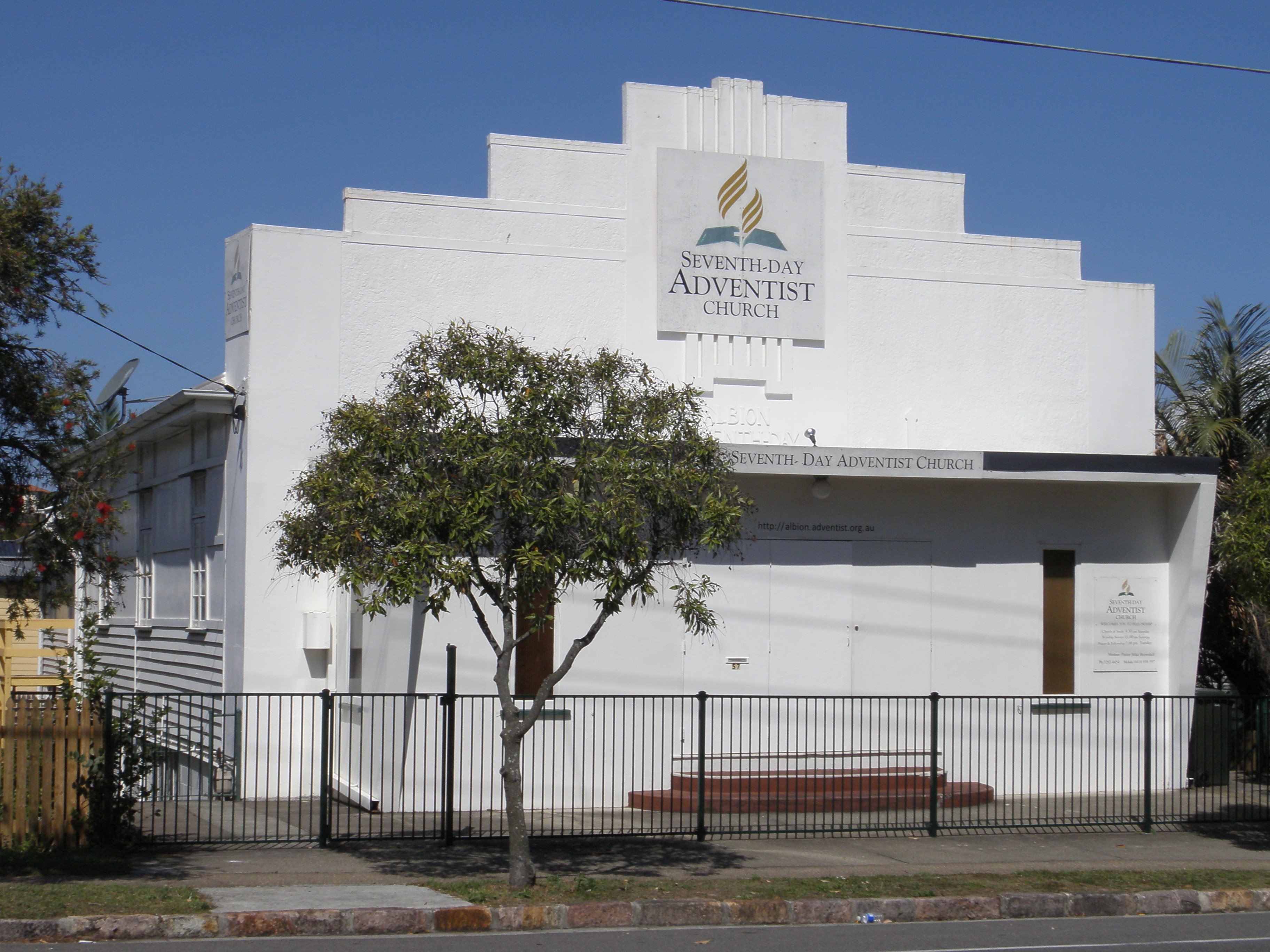
The United Church of God (UCG) is not a Seventh-day Adventist (SDA) church. While both denominations observe the seventh-day Sabbath and follow biblical dietary laws, they have distinct origins, different theological views on the Trinity, and divergent practices regarding religious festivals and the prophetic role of Ellen G. White.
Understanding the distinction between the United Church of God and the Seventh-day Adventist Church requires a deep look into the 19th-century Advent movement and the 20th-century development of "Armstrongism." Although a casual observer might see two groups meeting on Saturday and assume they are the same, their internal structures, core doctrines, and historical trajectories are significantly different. As of 2026, these two organizations remain entirely separate entities with no formal ecclesiastical connection.
Historical Origins: Two Different Paths
To understand why these groups are distinct, one must look at their founding moments. The Seventh-day Adventist Church emerged from the Millerite movement of the 1840s. Following the "Great Disappointment" of 1844, when Jesus Christ did not return as predicted by William Miller, a group of believers led by figures such as James White, Ellen G. White, and Joseph Bates formed what would become the SDA Church in 1863. Their identity was forged in the specific context of 19th-century American revivalism.
In contrast, the United Church of God is a much younger organization with roots in the "Radio Church of God," later renamed the Worldwide Church of God (WCG), founded by Herbert W. Armstrong in the 1930s. Following Armstrong's death in 1986, the WCG underwent massive doctrinal shifts toward mainstream evangelical Protestantism. In 1995, a large group of ministers and members who wished to retain Armstrong’s original teachings broke away to form the United Church of God. Therefore, UCG is a "split" from a mid-20th-century movement, whereas the SDA Church is a 19th-century denomination with a continuous institutional history.
The Nature of God: Trinity vs. Binitarianism
One of the most significant theological divides between the two groups involves the nature of the Godhead. This is not a minor administrative difference; it is a fundamental disagreement on the identity of God.
The Seventh-day Adventist View
The Seventh-day Adventist Church is strictly Trinitarian. They believe in one God who exists as a unity of three co-eternal Persons: the Father, the Son, and the Holy Spirit. This alignment with the historical Creeds of Christianity (though the SDA Church relies on the Bible rather than the Creeds) places them within the broader umbrella of orthodox Christian theology regarding the nature of God.
The United Church of God View
The United Church of God holds a Binitarian view. They believe that God is a "Family" currently consisting of two divine Beings: God the Father and Jesus Christ the Word. They do not view the Holy Spirit as a distinct third person of the Trinity but rather as the projection of the power, mind, and essence of God. In UCG theology, the ultimate destiny of humanity is to be born into this "God Family." This rejection of the Trinity is a primary reason why many mainstream denominations—and the SDA Church—distinguish themselves from UCG.

The Sabbath and Biblical Festivals
While both groups are "Sabbatarian"—meaning they observe the Sabbath from Friday sunset to Saturday sunset—their broader calendars of worship are almost entirely different.
Saturday Sabbath Observance
Both the SDA and UCG cite the Fourth Commandment (Exodus 20:8-11) as the reason for Saturday worship. They both believe that the Sabbath was never changed to Sunday by biblical authority and that it remains a sign between God and His people. However, the application of this belief differs. For SDAs, the Sabbath is often linked to the "Third Angel's Message" and is a key component of their end-time prophetic outlook. For UCG, the Sabbath is the "test commandment" and the foundation of a weekly cycle that points toward the millennial reign of Christ.
Annual Holy Days vs. Traditional Holidays
This is perhaps the most visible difference between the two.
- The United Church of God observes the seven annual Sabbath festivals listed in Leviticus 23, such as Passover, the Feast of Unleavened Bread, Pentecost, and the Feast of Tabernacles. They believe these festivals outline God's plan of salvation for humanity. Consequently, they strictly reject traditional Christian holidays like Christmas and Easter, viewing them as having pagan origins.
- The Seventh-day Adventist Church does not observe the Old Testament festivals. They believe these were "shadows" that met their fulfillment in the sacrifice of Christ and the ministry of the heavenly sanctuary. While individual SDAs may avoid Christmas or Easter due to personal convictions regarding their origins, the denomination as a whole does not forbid their observance and often uses these times for special outreach or services.
The Role of Prophecy and Ellen G. White
Another defining characteristic of the Seventh-day Adventist Church is the role of Ellen G. White. SDAs believe she possessed the "spirit of prophecy" and that her writings are a "continuing and authoritative source of truth which provide for the church comfort, guidance, instruction, and correction" (adventist.org). Her influence on SDA health principles, education, and theology is monumental.
The United Church of God does not recognize Ellen G. White as a prophet. They do not use her writings and generally view the SDA focus on her as a theological error. UCG’s prophetic framework is instead built on "British-Israelism" (the belief that the Anglo-Saxon peoples are the literal descendants of the Ten Lost Tribes of Israel), a concept that was central to Herbert Armstrong's teaching, though the UCG today focuses more on the general "Kingdom of God" message.
Dietary Laws and Lifestyle
Both denominations are known for their health-conscious lifestyles, but the motivations and requirements differ slightly.
Clean and Unclean Meats
Both the SDA Church and the UCG follow the dietary laws of Leviticus 11 and Deuteronomy 14. They abstain from "unclean" foods such as pork, shellfish, and bottom-feeding fish. For UCG, this is a matter of biblical law that remains in effect for Christians today. For SDAs, it is both a biblical law and a part of their "Health Message."
Vegetarianism and Temperance
The Seventh-day Adventist Church strongly promotes vegetarianism as the "ideal" diet for humans, though it is not a requirement for church membership. They also strictly prohibit the use of alcohol, tobacco, and illicit drugs. The United Church of God, while encouraging health and temperance, does not mandate vegetarianism (they simply stick to "clean" meats) and does not strictly forbid the moderate use of alcohol, though they condemn drunkenness.
Summary of Key Differences
The following table provides a direct comparison of the fundamental characteristics of the United Church of God and the Seventh-day Adventist Church as they stand in 2026.
| Feature | United Church of God (UCG) | Seventh-day Adventist (SDA) |
|---|---|---|
| Origin Year | 1995 (from 1930s movement) | 1863 |
| Founding Influence | Herbert W. Armstrong | Ellen G. White, James White |
| View of God | Binitarian (Father and Son) | Trinitarian (Father, Son, Holy Spirit) |
| Weekly Sabbath | Saturday (7th Day) | Saturday (7th Day) |
| Annual Festivals | Observes Leviticus 23 Holy Days | Does not observe OT Festivals |
| Holidays | Rejects Christmas and Easter | Generally permits/observes them |
| Prophetic Figure | None recognized (Rejected E.G. White) | Ellen G. White (Spirit of Prophecy) |
| Dietary Laws | Clean/Unclean meats required | Clean/Unclean meats + Vegetarian focus |
| Alcohol | Permitted in moderation | Strictly prohibited |
| Sanctuary Doctrine | No equivalent | Belief in Investigative Judgment |
The Sanctuary Doctrine: A Unique SDA Pillar
To further distinguish the two, one must mention the Investigative Judgment. This is a core SDA doctrine that is entirely absent from UCG theology. SDAs believe that in 1844, Jesus Christ entered the second and last phase of His atoning ministry in the heavenly sanctuary—a process of "investigative judgment" where the lives of all who have ever professed faith in Christ are reviewed.
The United Church of God finds no biblical basis for the 1844 date or the specific investigative judgment doctrine. Instead, UCG focuses on a future judgment that occurs after the Second Coming of Christ, involving a "Great White Throne Judgment" for those who never had a fair opportunity to understand the gospel in this life.
Organizational Structure and Governance
The way these churches are run also sets them apart.
- The Seventh-day Adventist Church follows a representative "General Conference" structure. It is a highly centralized global organization with millions of members. It is divided into Divisions, Unions, and local Conferences. This structure allows for a massive global infrastructure of hospitals, universities, and publishing houses.
- The United Church of God is governed by a "Council of Elders." It is a much smaller organization (tens of thousands of members compared to the SDA's 20+ million). The UCG utilizes a more "congregational-synod" hybrid where the elders elect the council, but the council has final authority over doctrine and administration. They do not have the same level of global institutional infrastructure (hospitals/schools) as the SDA Church.
Common Misconceptions
Because both groups meet on Saturday, they are frequently lumped together in "cult" watchlists or comparative religion textbooks. During the mid-20th century, both were often labeled as cults by mainstream Protestant groups—the SDA Church for its views on Ellen White and the Sabbath, and the WCG (UCG’s predecessor) for its rejection of the Trinity.
However, in the late 20th century, many evangelical groups began to recognize the Seventh-day Adventist Church as a valid, albeit unique, Christian denomination. The United Church of God, because of its Binitarian stance and rejection of traditional holidays, is still often viewed as being outside the boundaries of historical Protestantism by many apologists.
Frequently Asked Questions
Is the United Church of God a branch of Adventism?
No. While they share the "Sabbatarian" label, they are not branched from the same tree. UCG comes from the "Church of God (Seventh Day)" lineage and the Worldwide Church of God, which were separate from the Millerite movement that produced the Seventh-day Adventists.
Do United Church of God members consider themselves Adventists?
Generally, no. They refer to themselves as "Christians" or "members of the Church of God." They do not use the term "Adventist" because that term is historically and culturally tied to the 1844 movement and the specific doctrines of the SDA Church.
Can a Seventh-day Adventist attend a UCG service?
Yes, and vice versa. Since both meet on Saturdays, there is sometimes cross-pollination in areas where only one Sabbatarian group is available. However, an SDA member would find the UCG’s rejection of the Trinity and their focus on Old Testament festivals very unfamiliar, while a UCG member would find the SDA’s emphasis on Ellen White and the Investigative Judgment contrary to their beliefs.
Why do both groups avoid pork?
Both groups interpret the dietary laws in the Old Testament as health-based laws given by the Creator that remain valid. They do not view these laws as "ceremonial" laws that were abolished at the cross, but as "moral" or "physical" laws intended for human well-being.
Does the United Church of God believe in the "Mark of the Beast"?
Yes, but their interpretation differs from the SDA view. SDAs traditionally teach that the "Mark of the Beast" involves enforced Sunday worship in the future. While the UCG also believes that Sunday worship will be a component of a false religious system, they place more emphasis on a literal political and economic system centered in Europe that will oppose God's law.
Final Recommendation
If you are looking for a church and are deciding between these two, it is essential to determine where you stand on the Trinity and the Annual Festivals. If you believe in the traditional Trinitarian view of God and value the prophetic insights of Ellen G. White, the Seventh-day Adventist Church is the appropriate path. However, if you find the Binitarian "God Family" view more compelling and believe that Christians should observe the biblical festivals of Leviticus 23 while rejecting Christmas and Easter, the United Church of God would align more closely with your convictions.
For further verification of these doctrines, readers are encouraged to consult the official fundamental beliefs pages of both the Seventh-day Adventist Church and the United Church of God. Always verify specific local congregational practices, as cultural nuances can vary even within the same denomination.
Image Gallery
Select an image to open it in a new tab.

Zara El-Hashem
Sociocultural Dynamics and Academics Writer
