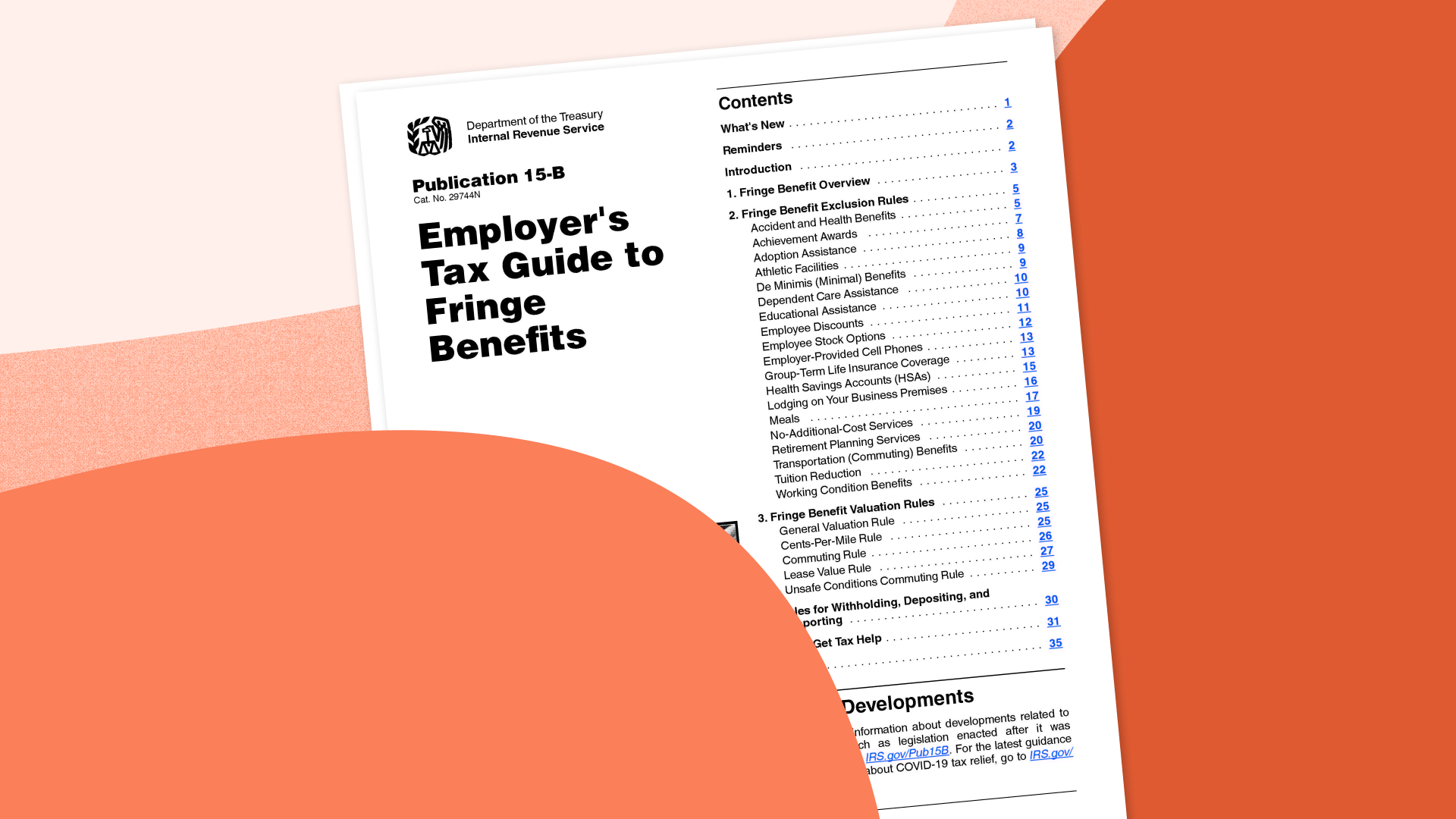
To implement non-taxable benefits effectively, employers must align specific perks with tax code regulations, ensuring that the provided advantages—such as health insurance, transit passes, or education assistance—remain excluded from an employee’s gross income. This involves meticulous record-keeping, compliance with annual contribution limits, and ensuring the benefits are administered in accordance with established federal or local tax guidelines.
Understanding the Framework of Non-Taxable Compensation
Non-taxable benefits, often referred to as fringe benefits, are forms of compensation provided by an employer that are exempt from federal income tax, social security tax, and Medicare tax. Utilizing these benefits is a strategic way for employers to increase the total value of an employee’s compensation package without incurring the additional payroll tax burden associated with direct salary increases.
For these benefits to maintain their tax-exempt status, they must generally fall under specific sections of the Internal Revenue Code (in the United States) or equivalent regional tax legislation. If an employer provides a benefit that does not meet the strict definitions of "non-taxable," the value of that perk must be included in the employee’s W-2 or equivalent tax statement as taxable income.
Core Categories of Non-Taxable Benefits
The landscape of non-taxable benefits is diverse. Understanding the classification of these benefits is the first step toward effective implementation.
1. Employer-Provided Health Benefits
Health insurance coverage is the most common non-taxable benefit. This includes medical, dental, and vision insurance premiums paid by the employer. The IRS allows the exclusion of these contributions from an employee’s gross income, provided the plan is a "qualified" health plan.
2. Education Assistance Programs
Under specific regulations (such as Section 127 in the U.S. tax code), employers can offer educational assistance—including tuition, fees, and books—up to a specific annual limit. This benefit must be part of a written, non-discriminatory plan. If the education is related to the employee’s current job or maintains the skills required for their position, the tax exemption is often more straightforward, even beyond the standard limits.
3. Retirement Plan Contributions
Employer contributions to qualified retirement plans, such as a 401(k) or a 403(b), are generally not included in an employee’s taxable income at the time of the contribution. These benefits offer a long-term tax advantage, as the investment grows tax-deferred until withdrawal.
4. Transportation and Commuter Benefits
Qualified transportation fringes, such as transit passes or vanpooling assistance, are excluded from income up to monthly limits set by tax authorities. These benefits are designed to encourage the use of public transportation and reduce the carbon footprint associated with daily commuting.
5. De Minimis Fringe Benefits
These are small, infrequent benefits that are administratively impractical to account for. Examples include occasional snacks, coffee, or small holiday gifts. Because of their minimal value, they are excluded from taxation to avoid unnecessary reporting burdens for both the employer and the employee.
Establishing a Compliant Administrative Process
Successfully using non-taxable benefits requires more than just offering them; it requires a robust administrative process to verify eligibility and ensure compliance.
Step 1: Drafting the Written Plan
Most tax-advantaged benefits require a formal, written document that outlines the terms of the benefit, the eligibility requirements, and the nondiscrimination testing. This document serves as your primary defense during an audit.
Step 2: Nondiscrimination Testing
Tax authorities generally require that benefits be provided to a broad cross-section of employees. You cannot exclusively provide tax-free perks to highly compensated employees or owners. Regular nondiscrimination testing ensures your program remains compliant and that the benefits do not lose their tax-exempt status.
Step 3: Precise Payroll Integration
Your payroll provider or internal accounting software must be configured to correctly identify and exclude these benefits from taxable wage calculations. Mistakes in this area—such as treating a taxable perk as non-taxable—can lead to significant penalties, interest, and the need for retroactive tax corrections.
Step 4: Annual Verification
Benefits such as commuter transit or education assistance may require periodic verification. For example, you must ensure that education expenses are job-related or fall within the qualified parameters of your written plan. Requiring employees to submit receipts or proof of enrollment annually keeps the program transparent and audit-ready.
Comparative Overview of Common Benefit Types
| Benefit Type | Primary Advantage | Tax Treatment | Key Requirement |
|---|---|---|---|
| Health Insurance | High perceived value | Fully Tax-Exempt | Qualified plan status |
| Retirement Matching | Future financial security | Tax-Deferred | Nondiscrimination testing |
| Commuter Passes | Reduced overhead | Tax-Exempt (up to limits) | Monthly usage tracking |
| Education Assistance | Skill development | Tax-Exempt (up to limits) | Written plan document |
| De Minimis Perks | Cultural improvement | Tax-Exempt | Infrequent/Small value |
Common Pitfalls and How to Avoid Them
Even well-intentioned employers often stumble when implementing non-taxable benefits. Being aware of these pitfalls can save significant time and legal expense.
- Failure to Document: The most common mistake is providing a benefit without a written policy. If a benefit is not codified, regulators may view it as "disguised compensation," subjecting it to back taxes and penalties.
- Misclassifying Benefits: Not all perks are tax-free. For instance, gym memberships or country club dues are generally considered taxable income unless they meet very specific criteria. Always consult current tax schedules to verify if a perk qualifies for tax-exempt status.
- Ignoring Local Laws: While federal tax rules provide a baseline, local or state regulations may have additional requirements or different treatment for specific types of fringe benefits. Always verify your program against your specific jurisdiction.
- Over-relying on Automation: While payroll software is powerful, it cannot substitute for policy knowledge. Ensure that the logic embedded in your software matches your written internal policies.
Strategic Selection of Benefits for Your Workforce
Choosing which benefits to offer should be a data-driven process. Consider the demographic of your workforce when deciding where to allocate your budget.
For a younger workforce, student loan repayment assistance or professional development funds (often structured under educational assistance) may provide higher perceived value. Conversely, for a workforce with families, prioritizing health, dental, and dependent care assistance programs often yields higher employee satisfaction and retention.
The "use it or lose it" nature of some benefits, such as flexible spending accounts (FSAs), can sometimes discourage participation. When implementing these, provide clear communication and reminders to employees to maximize the utilization of these funds before the plan year ends.
Legal and Financial Professional Consultation
While this guide provides a structural overview, it is essential to recognize that tax laws are complex and subject to change. Before launching or altering a benefits program, engage with a certified public accountant (CPA) or an employment law attorney. They can review your specific plan, ensure that your nondiscrimination testing methodologies are sound, and assist with any necessary filings required by your local tax authority.
Frequently Asked Questions
Are all employee perks tax-free? No. Only benefits specifically authorized by tax law are tax-free. Perks such as cash bonuses, personal use of company cars (above permitted limits), and gym memberships are typically classified as taxable income and must be reported on an employee's W-2.
What happens if a benefit is found to be taxable during an audit? If a benefit is incorrectly classified as non-taxable, the employer is generally responsible for the unpaid payroll taxes. You may also be subject to interest and penalties for late payment. In many cases, these taxes are then "grossed up" or deducted from the employee's subsequent paychecks, which can create significant morale issues.
Do I need a separate policy for every benefit? While you do not necessarily need a separate legal document for every single item, you must have a "Section 125" cafeteria plan or a similar framework if you are offering a choice between cash and non-taxable benefits. This legal structure is required to allow employees to choose benefits without triggering immediate tax liability.
How do I handle "de minimis" benefits for remote employees? The IRS rules regarding de minimis benefits still apply to remote workers. The key remains the "administratively impractical" standard. If it is too difficult to track the value of a small gift or coffee for a remote worker, it generally falls under the de minimis exclusion. However, keep receipts to maintain a record of the items provided.
Can I change my benefits program in the middle of the year? Generally, benefit elections are made during an open enrollment period. You can only change elections mid-year if the employee experiences a "qualifying life event," such as marriage, divorce, or the birth of a child. Consult your plan documentation for the specific "change in status" rules that apply to your benefits.
Final Recommendation
To begin, conduct an internal audit of all currently provided employee perks. Categorize them into "Tax-Exempt," "Taxable," and "Unsure." For the "Unsure" category, cross-reference them with your local tax authority’s latest publications for the 2026 tax year. Once your list is clear, draft a formal written plan for your tax-exempt offerings and ensure your payroll department is fully briefed on the reporting requirements. Consistency and documentation are the two most important factors in maintaining a successful, tax-compliant benefits strategy.
Image Gallery
Select an image to open it in a new tab.
Akira Tanaka
International Academic Trends Correspondent
