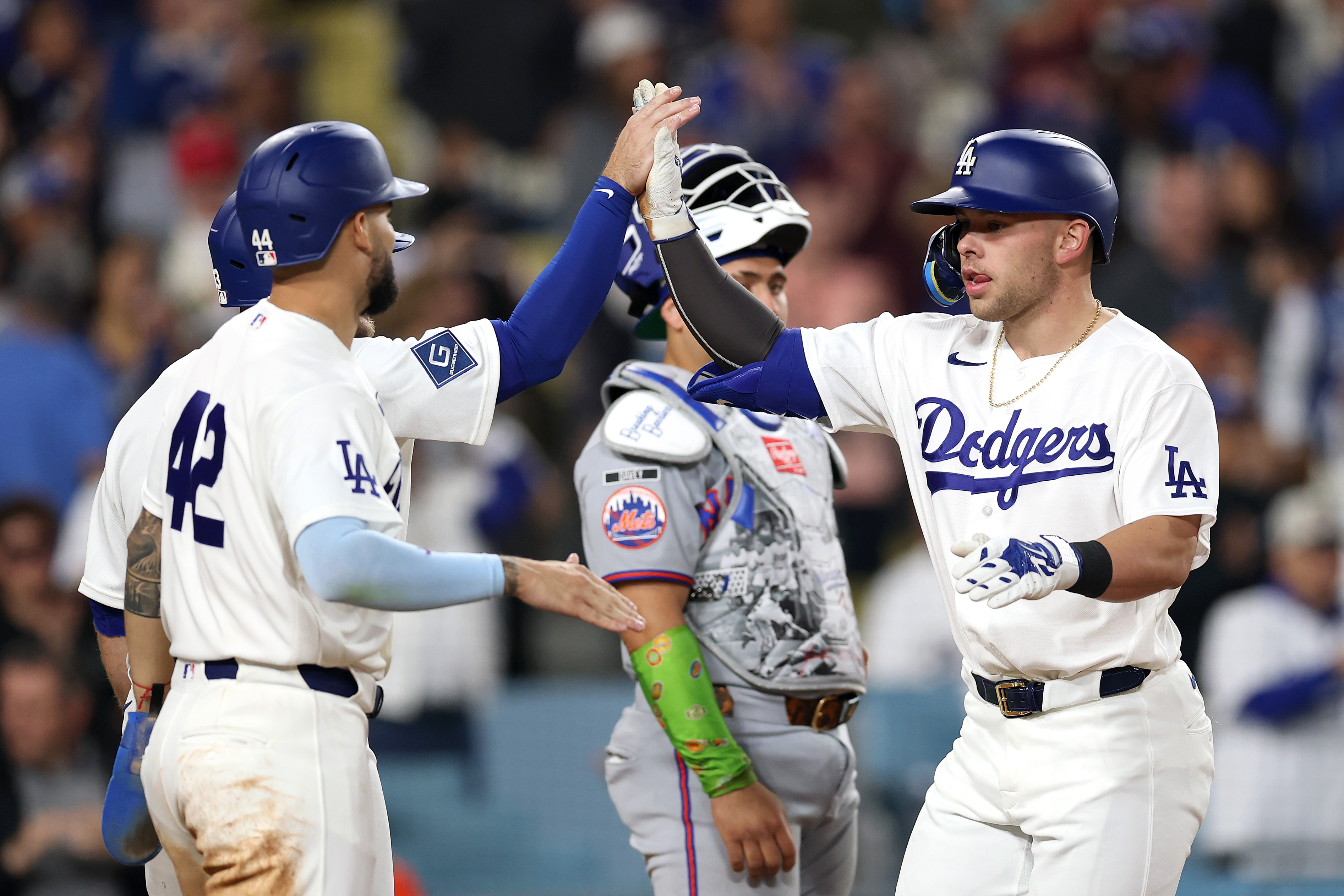
The 2018 Los Angeles Dodgers season was a campaign defined by a slow start, a mid-season roster overhaul, and a remarkable comeback that ultimately led the team to their second consecutive National League pennant and a second straight appearance in the World Series, where they ultimately fell to the Boston Red Sox.
The Context of the 2018 Campaign
Coming off a heartbreaking seven-game loss to the Houston Astros in the 2017 World Series, the 2018 Los Angeles Dodgers entered the season with sky-high expectations. Managed by Dave Roberts, the team was widely considered the class of the National League West. However, the path to the postseason proved far more treacherous than the previous year’s dominance suggested.
The season was characterized by an extreme "hangover" effect. The team struggled with early-season injuries—most notably to third baseman Justin Turner—and a bullpen that lacked the consistency of the prior year. By mid-May, the Dodgers sat well below the .500 mark, leading to widespread concern among the fanbase and media regarding the team's ability to even contend for a Wild Card spot, let alone the division title.
Mid-Season Adjustments and Roster Construction
The Dodgers' front office, led by President of Baseball Operations Andrew Friedman, was characteristically active in addressing the team’s weaknesses. Recognizing that the offense lacked a consistent spark, the organization executed a significant trade in July 2018, acquiring infielder Manny Machado from the Baltimore Orioles.
The acquisition of Machado was a watershed moment for the 2018 season. While it forced a defensive shuffle, moving Machado to shortstop to cover for the injured Corey Seager, it provided the middle-of-the-order protection the lineup had desperately lacked. Simultaneously, the team relied on the emergence of internal talent. Players like Max Muncy, who was initially signed to a minor league contract, transformed into a legitimate power threat, leading the team in home runs and providing crucial stability while star players navigated health issues.
The Defining Features of the 2018 Roster
The 2018 Dodgers were built on the philosophy of depth and positional versatility. Dave Roberts utilized an aggressive rotation strategy, frequently shuffling players to maximize platoon advantages based on opponent pitching matchups. This was not merely a stylistic choice but a necessity necessitated by the injuries that plagued the starting lineup throughout the summer.
| Position Player | Primary Role | 2018 Impact |
|---|---|---|
| Max Muncy | 1B/2B/3B | Breakout power hitter; led team in HRs |
| Manny Machado | SS | High-impact mid-season trade acquisition |
| Cody Bellinger | OF/1B | Defensive versatility and speed |
| Justin Turner | 3B | Offensive anchor upon returning from injury |
| Kenley Jansen | Closer | 38 saves; anchored a volatile bullpen |
Division Race and Game 163
The National League West race in 2018 was historic. The Colorado Rockies pushed the Dodgers to the absolute limit, resulting in a tie at the end of the 162-game schedule. To determine the division champion, Major League Baseball required a tiebreaker game—often referred to as "Game 163"—at Dodger Stadium.
The Dodgers defeated the Rockies 5–2, with Walker Buehler delivering a masterful pitching performance. This victory secured the Dodgers' sixth consecutive National League West title. While the achievement was impressive, it highlighted the grind of the season: the team had to battle every single day of the regular season, leaving less margin for rest as they entered the postseason bracket.
Postseason Performance
The Dodgers' journey through the 2018 postseason demonstrated their resilience. They faced the Atlanta Braves in the National League Division Series (NLDS), winning in four games. The National League Championship Series (NLCS) against the Milwaukee Brewers proved to be a grueling seven-game test of endurance.
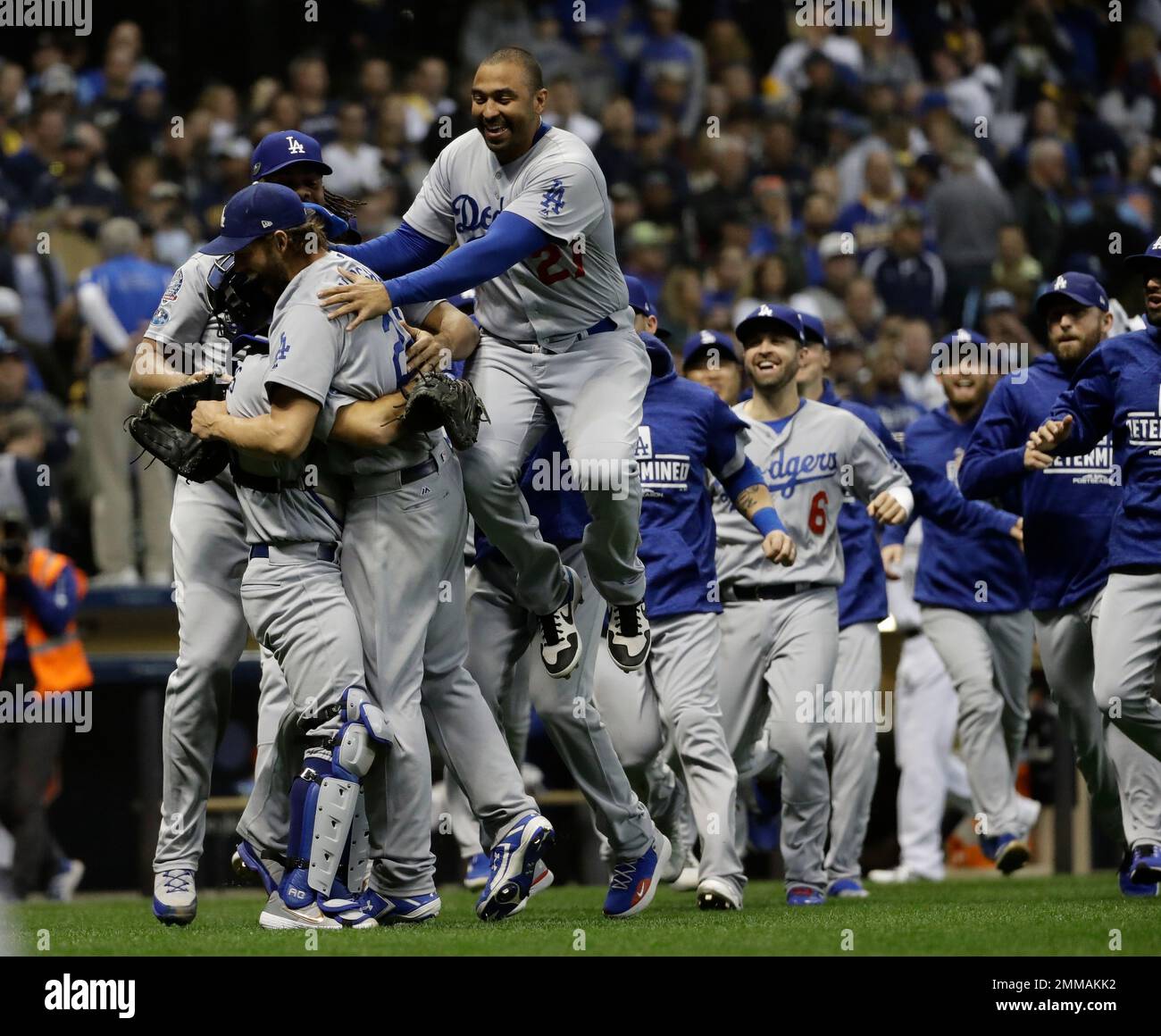
The NLCS against Milwaukee was defined by elite pitching and defensive intensity. The Dodgers eventually clinched the pennant in Game 7 at Miller Park, fueled by a key home run from Cody Bellinger and stellar relief pitching. However, the intensity of that series left the team physically and mentally exhausted heading into the World Series against the Boston Red Sox.
The World Series saw the Dodgers face a juggernaut Boston squad that had won 108 regular-season games. Despite a dramatic 18-inning victory in Game 3—a contest that remains one of the longest games in postseason history—the Dodgers were ultimately outmatched, losing the series in five games.
Comparative Analysis: 2017 vs. 2018
Comparing the two consecutive World Series appearances reveals the different identities of these teams.
- Roster Consistency: The 2017 team was largely established and relied on core veterans who played together for the entire season. The 2018 team was in a state of flux, relying on "next man up" performances from role players like Muncy and Chris Taylor.
- Path to the Postseason: The 2017 team dominated the division early, coasting to a comfortable lead. The 2018 team had to fight for survival, which hardened them but arguably depleted their pitching depth.
- Bullpen Usage: The 2018 bullpen was more suspect, forcing Dave Roberts to lean heavily on his starters in non-traditional roles during the postseason, a trend that became a hallmark of his managerial style.
Operational Challenges and Tactical Shifts
One of the primary criticisms of the 2018 campaign was the heavy reliance on data-driven substitutions. While the front office’s commitment to analytics was widely praised for maximizing production, it also led to debates regarding the "human element" of the game. Critics argued that the constant shuffling of lineups prevented players from establishing a rhythm, though proponents pointed to the team's ability to win despite significant injury absences as proof that the system was working.
The 2018 season also saw the Dodgers embrace the "launch angle" revolution in hitting, which resulted in a massive increase in home runs but also a corresponding rise in strikeouts. This offensive profile made the team dangerous in any given inning but vulnerable against elite pitching staffs that could locate fastballs consistently, as seen in the World Series against Boston’s Chris Sale and David Price.
FAQ: Understanding the 2018 Dodgers
What was the most significant move the Dodgers made during the 2018 season? The acquisition of Manny Machado from the Baltimore Orioles in July. It provided immediate offensive production and allowed the Dodgers to remain competitive at the shortstop position while Corey Seager was sidelined for the remainder of the season due to Tommy John surgery.
How did the Dodgers win the division in 2018? After finishing the regular season tied with the Colorado Rockies at 91–71, the Dodgers played a 163rd tiebreaker game at home. They won the game 5–2, powered by a strong start from rookie Walker Buehler, which officially clinched their sixth consecutive NL West title.
Why did the Dodgers lose the 2018 World Series? The Boston Red Sox were statistically superior in almost every facet of the game, boasting a historically talented roster. Additionally, the Dodgers were coming off an emotionally and physically draining seven-game series against the Milwaukee Brewers, whereas Boston had a more straightforward path to the Fall Classic.
Who was the breakout player for the 2018 Dodgers? Max Muncy. After being released by the Oakland Athletics and signing a minor league deal with the Dodgers, he emerged as the team's most potent offensive weapon, hitting 35 home runs and providing essential versatility across the infield.
How did the 2018 team's bullpen perform compared to previous years? The bullpen was notably inconsistent. While Kenley Jansen remained the primary closer, he battled health issues, and the middle-relief corps frequently struggled, forcing Dave Roberts to adapt his pitching usage patterns significantly throughout the year.
Final Assessment
The 2018 Los Angeles Dodgers season was a testament to organizational depth and the ability to pivot under pressure. While the final result—a World Series loss—was disappointing, the season solidified the Dodgers as a premier franchise capable of sustaining success despite injuries and the inherent volatility of Major League Baseball. The campaign serves as a case study in mid-season roster management and the effectiveness of platooning in a modern baseball environment.
Image Gallery
Select an image to open it in a new tab.


Mateo Castillo
Decentralized Finance and E-Payments Strategist
