
Tracking personal net worth involves calculating the difference between your total assets (what you own) and your total liabilities (what you owe). By monitoring this figure regularly, you gain a high-level view of your financial health, allowing you to measure progress toward long-term goals and adjust your spending or investment strategies.
The Significance of Net Worth as a Financial Metric
In the landscape of personal finance in 2026, many individuals mistakenly focus solely on income or monthly cash flow. While these are vital for daily operations, they do not provide a complete picture of financial stability. Net worth serves as the "bottom line" for an individual or household. It acts as a comprehensive scorecard that reflects the cumulative result of every financial decision you have made up to this point.
Tracking net worth provides a psychological and strategic advantage. Psychologically, seeing a "line go up" over time reinforces positive habits like saving and investing. Strategically, it helps you identify whether your wealth is growing through active contributions, market appreciation, or debt reduction. Without this overview, it is easy to succumb to "lifestyle creep"—where your income rises, but your debts rise faster, leaving your actual wealth stagnant.
Defining the Core Components: Assets and Liabilities
To conduct a practical overview of your net worth, you must first categorize everything you own and everything you owe. This requires honesty and access to current account balances and market valuations.
Identifying Your Assets
Assets are resources with economic value that you own or control with the expectation that they will provide a future benefit. For a practical calculation, assets are usually divided into several sub-categories:
- Cash and Cash Equivalents: This includes physical currency, checking accounts, savings accounts, and high-yield money market accounts. In 2026, these are your most liquid assets, providing a buffer against emergencies.
- Investments: This category encompasses brokerage accounts, retirement accounts (such as 401(k)s, IRAs, or Roth IRAs), stocks, bonds, and mutual funds. When tracking these, use the current market value, not the amount you initially invested.
- Real Estate: For most people, their primary residence is their largest asset. Other holdings might include rental properties or undeveloped land. Use conservative estimates based on recent local sales or reputable valuation tools.
- Personal Property: This includes vehicles, jewelry, art, or high-value collectibles. However, a practical overview often excludes common household items (like furniture or clothing) unless they have a significant resale value, as these are "depreciating assets" that lose value over time.
Identifying Your Liabilities
Liabilities are your financial obligations to other parties. Tracking these is essential because they represent a direct claim against your assets.
- Mortgages: The remaining principal balance on your home or investment properties.
- Consumer Debt: This includes credit card balances, personal loans, and "Buy Now, Pay Later" (BNPL) obligations which have remained prevalent in 2026.
- Education Loans: Federal and private student loans.
- Auto Loans: The current payoff amount for any vehicle financing.
- Taxes Owed: Any deferred tax liabilities or unpaid balances to the Internal Revenue Service (IRS).
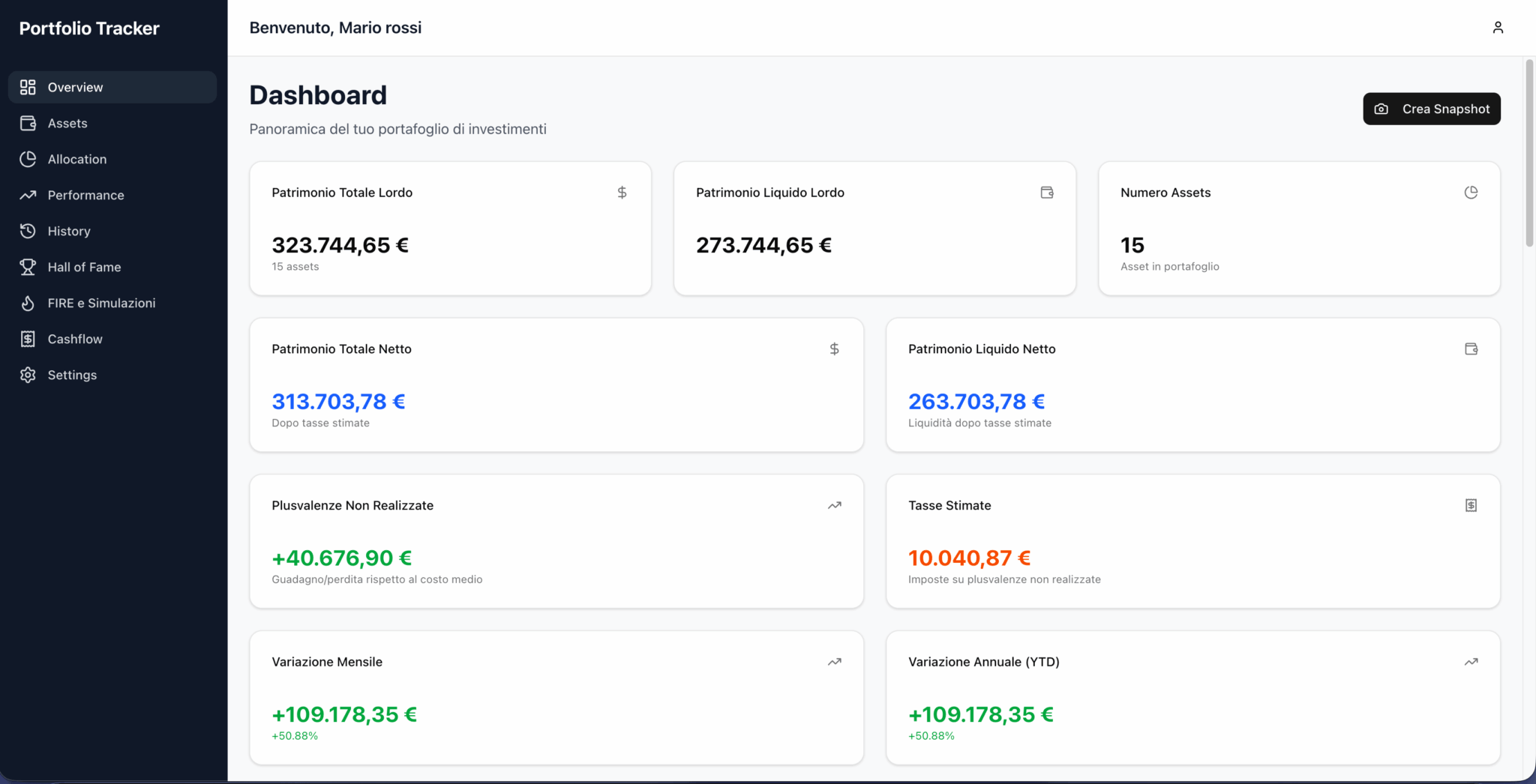
The Practical Calculation Process
The formula for net worth is deceptively simple: Total Assets - Total Liabilities = Net Worth. However, the practical execution requires a systematic approach to ensure accuracy and consistency.
Step 1: Gathering Documentation
Begin by logging into all financial portals. You will need the "settled" balances for bank accounts and the "current market value" for investment portfolios. For real estate, refer to recent appraisals or online valuation tools, but consider applying a 5% to 10% discount to account for potential selling costs and market volatility.
Step 2: Categorization and Listing
Create a comprehensive list. It is helpful to group assets by liquidity (how quickly they can be turned into cash). This distinguishes between your "Liquidity Net Worth" (cash and stocks) and your "Total Net Worth" (which includes your home equity).
Step 3: Determining Real-Time Value
For assets like vehicles, use the private party resale value from sources like Kelley Blue Book rather than the price you paid. For liabilities, use the actual payoff amount, which may include accrued interest not yet reflected in the monthly statement.
Step 4: Final Tabulation
Subtract the sum of all liabilities from the sum of all assets. If the result is negative, it indicates that you owe more than you own—a common situation for recent graduates or those early in their careers, but a signal that debt reduction should be a priority.
Selecting the Right Tracking Tools in 2026
The method you choose for tracking should align with your technical comfort level and your desire for automation. In 2026, the market offers a range of sophisticated options.
| Tool Type | Examples | Pros | Cons |
|---|---|---|---|
| Manual Spreadsheets | Microsoft Excel, Google Sheets | Total privacy; highly customizable; no subscription fees. | Requires manual data entry; prone to human error; time-consuming. |
| Automated Aggregators | Monarch Money, Empower, Copilot | Automatic syncing of accounts; real-time updates; visual charts. | Often requires a subscription; privacy concerns; sync errors with small banks. |
| Specialized Apps | YNAB (You Need A Budget) | Excellent for linking net worth to daily spending habits. | Steeper learning curve; focused more on cash flow than complex investments. |
| Professional Portals | Wealth management platforms | High-level security; integration with tax planning tools. | Usually restricted to clients of a specific financial advisor or firm. |
Analyzing the Results: What the Numbers Mean
Calculating the number is only the first half of a practical overview; the second half is interpretation. A static number is a snapshot, but the trend over time (the "trajectory") is what reveals your true financial health.
The Role of Market Volatility
It is important to recognize that a dip in net worth does not always mean you made a bad financial decision. If the stock market or real estate market declines, your net worth will follow, even if you are saving aggressively. This is why many experts recommend tracking "Contributed Capital" alongside Net Worth to see how much of your growth is from your own savings versus market movement.
Pre-Tax vs. Post-Tax Considerations
A common mistake in net worth tracking is treating a $100,000 401(k) the same as $100,000 in a savings account. Because the 401(k) will be taxed upon withdrawal, its "real" value is lower. For a more accurate practical overview, some individuals apply a "tax haircut" (e.g., 20-25%) to their pre-tax retirement accounts to estimate their true spendable wealth.
Benchmarks and Formulas
While net worth is personal, benchmarks can provide context. One classic formula from The Millionaire Next Door suggests that an "Expected Net Worth" can be calculated by: (Age × Pre-tax Annual Income from all sources) / 10. While this is a high bar, it serves as a useful long-term target for wealth accumulation.
Common Pitfalls to Avoid
When tracking net worth, certain habits can distort the data and lead to poor decision-making.
- Overvaluing Personal Items: Including the original purchase price of electronics, furniture, or clothes can artificially inflate your net worth. These items usually have negligible resale value and should generally be excluded.
- Ignoring Small Debts: Neglecting to track "hidden" liabilities like BNPL balances or small personal IOUs can lead to a false sense of security.
- Tracking Too Frequently: Checking your net worth daily can lead to unnecessary anxiety due to daily market fluctuations. Monthly or quarterly tracking is generally sufficient for long-term planning.
- Forgetting Liquidity: Having a high net worth on paper (e.g., $1 million in real estate) is not the same as having cash available for an emergency. Always ensure a portion of your net worth remains liquid.
Strategic Next Actions Based on Your Net Worth
Once you have established your net worth, use the data to drive your 2026 financial strategy.
If your net worth is negative, your primary focus should be on high-interest debt elimination. If your net worth is positive but stagnant, analyze your expenses to increase your savings rate or review your investment allocations for better performance. If your net worth is growing, you can begin to shift focus toward "legacy" planning, such as estate planning, tax optimization, and charitable giving.
Disclaimer: This overview is for informational purposes only and does not constitute professional financial, legal, or tax advice. Consult with a certified financial planner or tax professional before making significant financial decisions.
Frequently Asked Questions
How often should I update my net worth statement? For most individuals, a monthly or quarterly update is ideal. Updating too frequently (daily) can cause stress due to normal market volatility, while updating too infrequently (once a year) may cause you to miss important trends in your spending or debt accumulation. Consistency is more important than frequency.
Should I include my primary residence in my net worth? Yes, your primary residence is a significant asset, and the mortgage is a significant liability. However, because you always need a place to live, many people calculate a "Non-Home Net Worth" separately. This helps you understand how much wealth you have available to support your lifestyle independent of your housing situation.
Is negative net worth always a bad sign? Not necessarily. It is very common for young professionals who have recently invested in their "human capital" through student loans. The key is the direction of the trend. A negative net worth that is becoming "less negative" each month indicates you are on the right path toward financial stability.
Should I include my car in my net worth calculation? While a car is an asset, it is a rapidly depreciating one. If you include it, use the current "Blue Book" resale value rather than what you paid for it. Many conservative trackers choose to exclude vehicles entirely or only include them if the vehicle is fully paid off and has significant value.
How do I track net worth if I have a pension? Pensions are difficult to value because they represent a future stream of income rather than a current lump sum. You can contact your plan administrator for a "Present Value" estimate, or simply track it as a separate note in your financial plan without adding a specific dollar amount to your current net worth total.
Does net worth include my salary? No. Salary is income, which is a "flow" of money. Net worth is a "stock" of wealth at a specific point in time. Your salary helps you build your net worth, but only the portion of your salary that you save or use to pay down debt contributes to the final net worth figure.
Recommended Next Step
To begin, select a tracking method—either a simple spreadsheet or a dedicated financial app—and input your largest three assets and largest three liabilities. This "mini-calculation" takes less than ten minutes and provides the immediate momentum needed to build a full, comprehensive net worth profile.
Image Gallery
Select an image to open it in a new tab.

Zara El-Hashem
Sociocultural Dynamics and Academics Writer
