
Root cause analysis (RCA) is the systematic process of identifying the fundamental underlying issues that lead to security incidents in cloud environments. By moving beyond immediate symptoms—such as blocking an malicious IP or patching a vulnerability—RCA enables organizations to address architectural flaws, misconfigurations, and process failures, effectively preventing the recurrence of similar security breaches.
The complexity of modern cloud infrastructure, characterized by ephemeral assets, distributed microservices, and shared responsibility models, makes security incidents inevitable. Without a formal RCA framework, security teams are condemned to a state of perpetual reactive firefighting. When an incident occurs, the natural impulse is to remediate the immediate symptom: resetting credentials, isolating a compromised container, or closing an exposed S3 bucket. While these steps are vital for containment, they do not resolve the "why." If the exposure occurred due to an automated deployment script lacking proper validation or an identity and access management (IAM) policy that was overly permissive by design, the incident will almost certainly repeat. Root cause analysis transforms these incidents into data points for architectural hardening, turning a security failure into a measurable improvement in the organization’s defensive posture.
The Unique Challenges of Cloud-Native Incident Analysis
Unlike traditional on-premises data centers, the cloud introduces variables that complicate the investigative process. Traditional forensics often relied on physical access to hardware or static virtual machines. In a cloud-native ecosystem, resources are frequently transient, scaling up or down in seconds. This volatility creates a "disappearing act" for evidence; if an attacker compromises a serverless function or a containerized microservice, that asset may be destroyed or replaced long before an analyst can examine its memory state or logs.
Furthermore, the abstraction of infrastructure adds layers of complexity. When an incident involves an infrastructure-as-code (IaC) template or a managed service provided by a cloud service provider (CSP), the "root cause" might reside in the interaction between your application logic and the provider’s configuration. This requires a deep understanding of the shared responsibility model. Analysts must determine whether the failure was a result of user-side misconfiguration or a broader systemic issue within the cloud environment. Relying on superficial analysis leads to false confidence, leaving architectural vulnerabilities masked by temporary patches.
Implementing a Structured RCA Framework
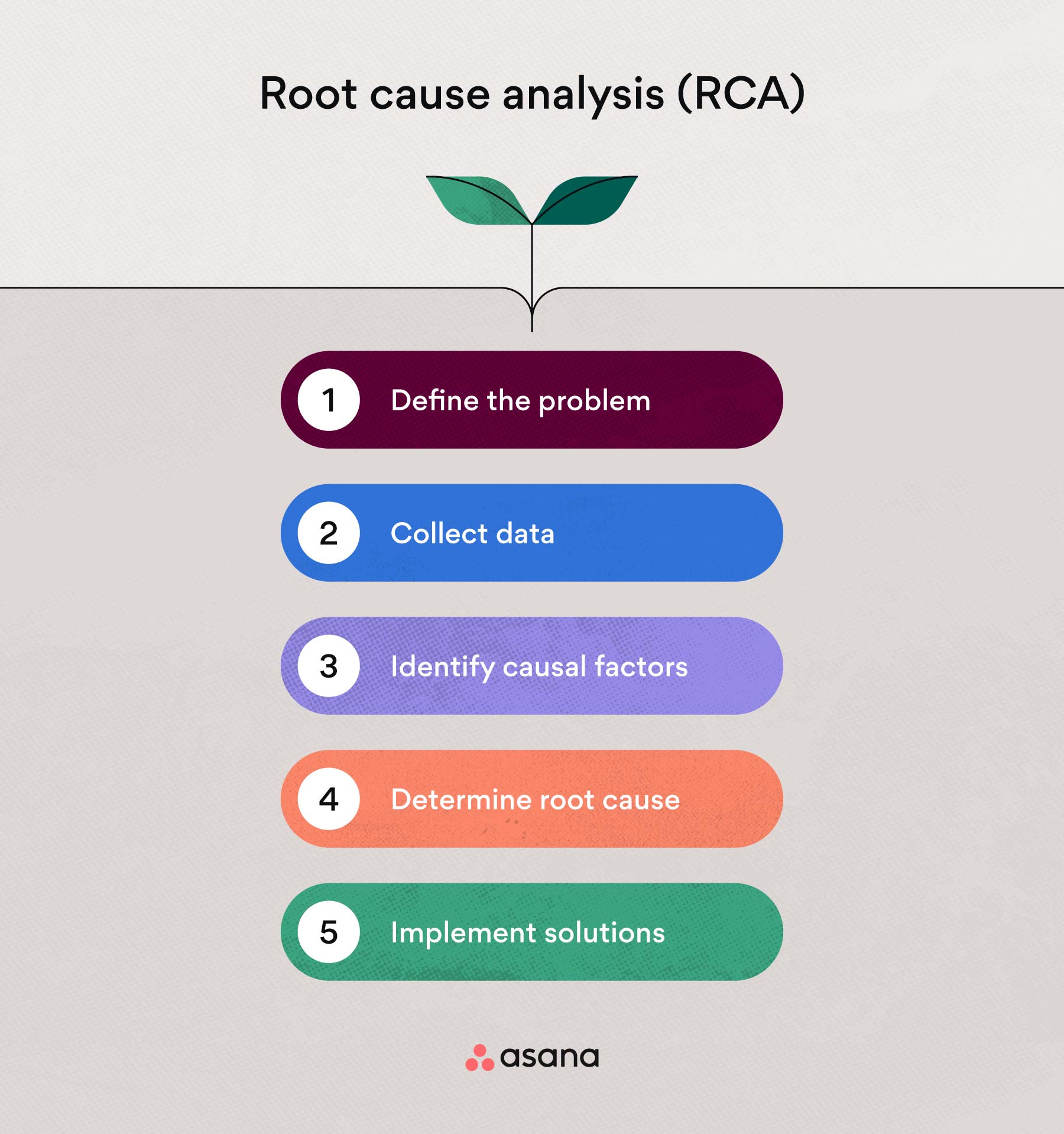
For root cause analysis to be effective in cloud security, it must be embedded into the incident response lifecycle. It is not merely a post-mortem exercise but a structured investigation that begins during containment and concludes with actionable remediation plans.
1. Data Collection and Preservation
The first step is ensuring that logs and telemetry data are centralized and immutable. Cloud environments generate massive volumes of logs from sources like AWS CloudTrail, Google Cloud Audit Logs, or Microsoft Sentinel. If these logs are stored on the compromised instance or in an unhardened bucket, they risk tampering. An effective RCA requires a clean audit trail that survives the incident.
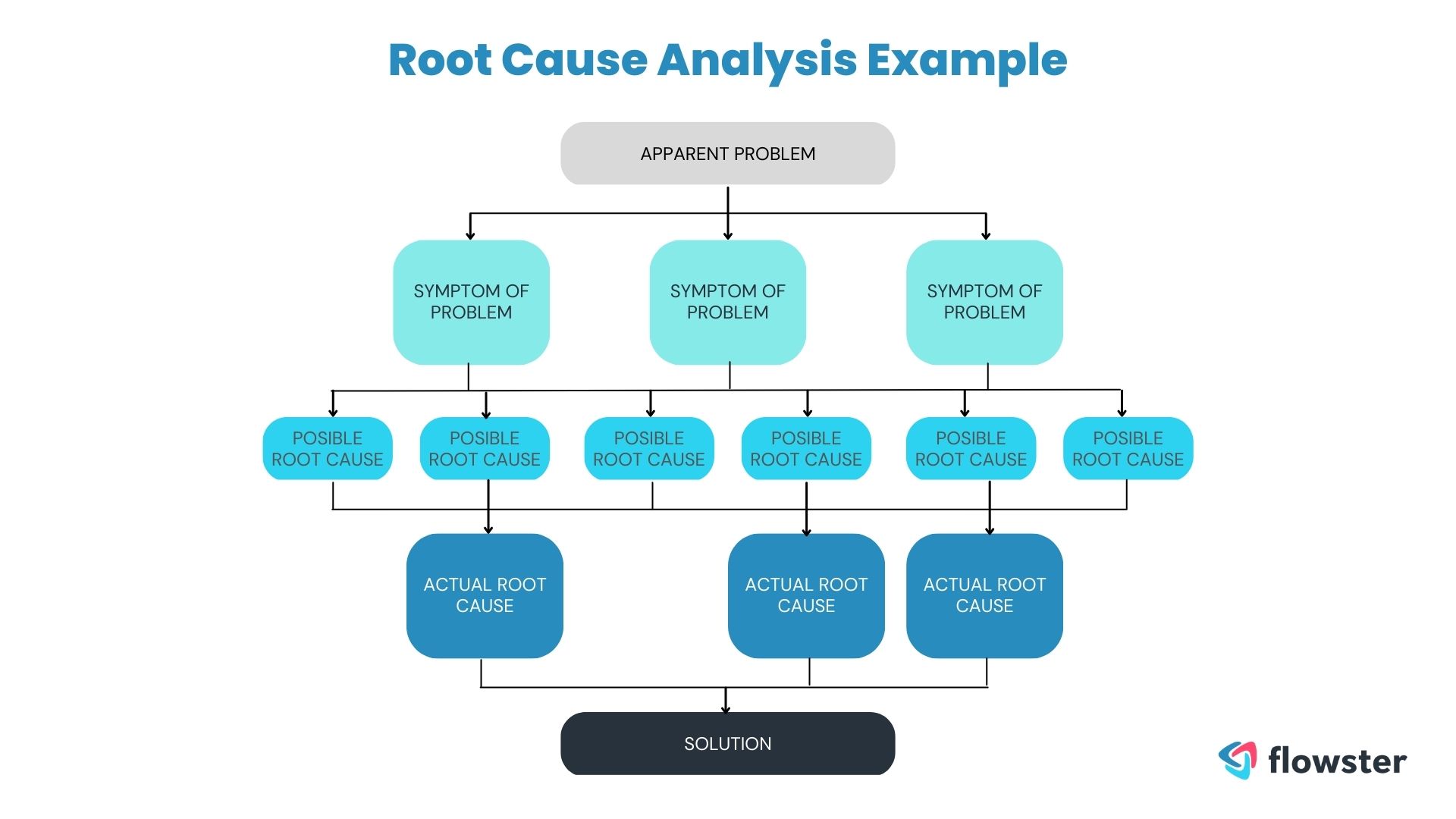
2. Identifying the Causal Chain
Most security incidents are the result of multiple failures rather than a single event. Analysts often use the "Five Whys" technique or a "Fishbone Diagram" to trace the path from the symptom back to the source.
- Symptom: Unauthorized access to a production database.
- Why 1: An attacker obtained a valid API key.
- Why 2: The key was hardcoded in a public GitHub repository.
- Why 3: The developer pushed the code without running a pre-commit secret scanning tool.
- Why 4: The security team never enforced secret scanning in the CI/CD pipeline.
- Why 5: The organization prioritized feature velocity over security gate integration.
By drilling down to the fifth "why," the organization realizes that the problem is not just a leaked key, but a missing governance control in the software development lifecycle (SDLC).
3. Verification and Remediation
Once the root cause is identified, the remediation must address the systemic gap. In the example above, remediation is not simply "revoke the key." It is "implement a mandatory secret-scanning integration in the CI/CD pipeline and conduct a company-wide scan of all repositories for legacy secrets."
Comparison of Reactive versus Proactive RCA Integration
| Feature | Reactive Patching | Structured Root Cause Analysis |
|---|---|---|
| Focus | Eliminating the immediate threat | Identifying the architectural gap |
| Outcomes | Temporary relief; repeat incidents | Systemic hardening; long-term prevention |
| Resource Usage | High (recurring manual work) | Initial high, then lower over time |
| Culture | Blame-focused ("Who failed?") | Process-focused ("What failed?") |
| Metric Success | Reduced MTTR (Mean Time to Respond) | Reduced MTBF (Mean Time Between Failures) |
The Role of Automation in Modern RCA
By 2026, the volume of logs and the speed of cloud operations have made manual RCA nearly impossible for large-scale enterprise environments. Security teams are increasingly relying on Security Orchestration, Automation, and Response (SOAR) platforms to assist in the analysis phase. These tools can automatically correlate disparate log sources across environments to reconstruct the timeline of an attack.
Automated RCA tools can also perform drift analysis—comparing the current state of a resource against a known-good configuration baseline (like an approved IaC template). If a resource is modified in a way that creates a vulnerability, the tool can trigger an alert that includes the specific change set and the identity that performed the action, drastically reducing the time spent on initial investigation. However, automation should support, not replace, human intuition. The final synthesis of why a system failed requires an understanding of business context and risk tolerance that current AI models cannot fully replicate.
Overcoming Cultural Barriers: The "No-Blame" Requirement
A significant hurdle to successful RCA is the culture of blame. If engineers fear being held personally responsible for a security incident, they are likely to hide information or minimize the scope of their mistakes during an investigation. Effective RCA thrives in an environment of psychological safety.
Organizations must emphasize that the goal of the RCA is to improve the security of the ecosystem, not to punish individuals. When an engineer feels safe reporting that they accidentally left an S3 bucket open, the organization can fix that specific vulnerability and—more importantly—implement guardrails (like Service Control Policies or automated remediation scripts) to ensure that no other user can make the same mistake in the future.
Frequently Asked Questions
How does RCA differ from standard incident response?
Incident response focuses on containment, eradication, and recovery to minimize business impact. RCA is the investigative phase that occurs during or immediately after the incident to identify the systemic vulnerability that allowed the incident to occur, preventing a repeat.
Can RCA be performed on serverless or ephemeral infrastructure?
Yes, but it requires mature logging. Because the resource may no longer exist, you must rely on centralized logs, audit trails, and configuration snapshots stored outside the ephemeral environment. Without these logs, you cannot conduct a meaningful RCA for transient resources.
What is the biggest mistake teams make during RCA?
The most common mistake is stopping at the "direct cause." Many teams identify the immediate technical vulnerability (e.g., "a credential was leaked") and stop there. True RCA requires moving up the chain to the process, policy, or architectural failure that allowed that vulnerability to exist.
How often should an RCA be conducted?
An RCA should be conducted for every "significant" security incident. While it is impractical to perform a full, formal RCA for low-severity alerts, identifying patterns of recurring low-severity alerts is a form of RCA that can reveal larger underlying issues.
Should we use external auditors for our RCA?
For major breaches or high-compliance environments, an objective third party can provide valuable perspective. External auditors can identify blind spots that internal teams might overlook due to "normalization of deviance"—the gradual process where unsafe security practices become accepted as standard procedure over time.
Next Steps for Organizations
To move toward a more robust security posture, start by establishing an incident review board. Ensure that for every major security event, a formal RCA document is produced, reviewed by stakeholders, and—most crucially—translated into a Jira ticket or project requirement for the security engineering team. Do not allow these findings to languish in a report; hold engineering leaders accountable for closing the architectural gaps identified in the analysis. By institutionalizing the "Five Whys" approach and prioritizing systemic remediation over quick fixes, you convert the chaotic reality of cloud security into a disciplined, measurable, and continuous improvement program.
Image Gallery
Select an image to open it in a new tab.





Akira Tanaka
International Academic Trends Correspondent
