
Original Medicare (Part A and Part B) generally does not cover routine eyeglasses or contact lenses. However, Medicare Part B provides a specific exception, covering one pair of corrective lenses following cataract surgery that involves the implantation of an intraocular lens. For routine vision care, many beneficiaries utilize Medicare Advantage (Part C) plans.
The Scope of Medicare Vision Coverage in 2026
Navigating the complexities of Medicare coverage often requires a clear distinction between "routine" care and "medical" necessity. As of 2026, the fundamental structure of Original Medicare remains focused on the treatment of illness and injury rather than preventative or routine wellness hardware like eyeglasses. For the millions of Americans enrolled in Original Medicare, the baseline answer to whether the program pays for glasses is a conditional "no."
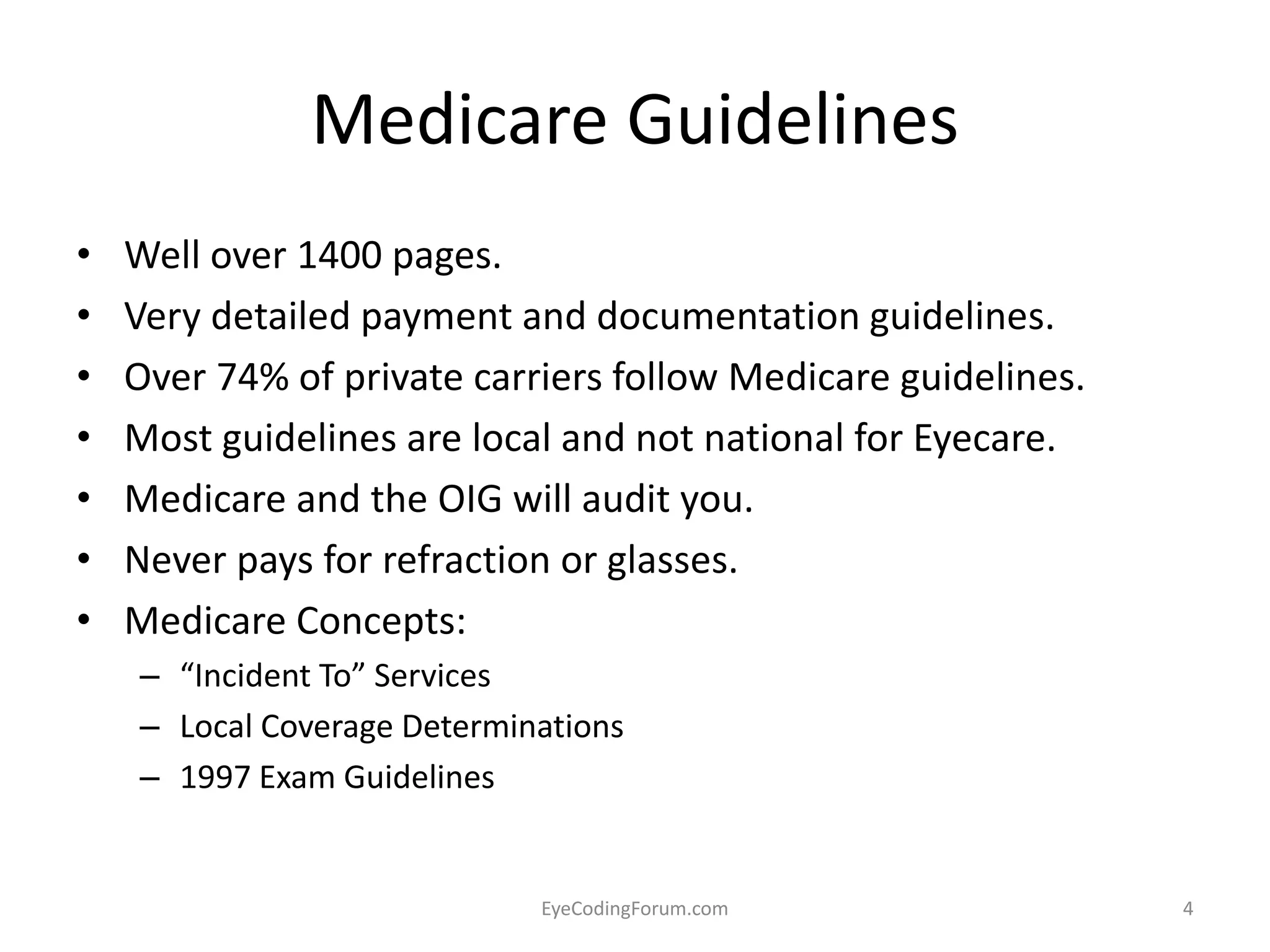
Standard vision care, which includes routine eye examinations, refractions (the test to determine your eyeglass prescription), and the purchase of frames or lenses, is excluded under Section 1862(a)(7) of the Social Security Act. This exclusion applies regardless of whether a beneficiary's vision is deteriorating due to age-related changes such as presbyopia. However, because Medicare is designed to address surgical outcomes and chronic medical conditions, there are critical nuances where coverage is triggered.
The Post-Cataract Surgery Exception
The most significant exception to the no-coverage rule is for beneficiaries who undergo cataract surgery. When a surgeon removes a natural lens clouded by a cataract and replaces it with an artificial intraocular lens (IOL), Medicare recognizes the subsequent need for corrective eyewear as a prosthetic necessity.
Criteria for Post-Cataract Coverage
To qualify for this benefit under Medicare Part B in 2026, the following conditions must be met:
- The Surgery: You must have had a cataract operation that included the implantation of an IOL. If the surgery is performed but no IOL is implanted (a rare occurrence in modern medicine), coverage may still apply under different prosthetic rules, but the IOL is the standard trigger.
- The Supplier: The glasses or contact lenses must be obtained from a supplier that is enrolled in Medicare and has a Medicare supplier number. If you purchase glasses from a high-end boutique that does not "accept assignment" or is not enrolled in the Medicare program, you will likely be responsible for the full cost.
- The Quantity: Medicare pays for exactly one pair of eyeglasses with standard frames or one set of contact lenses. This is a "once-per-lifetime-per-eye" benefit following surgery. If you have surgery on both eyes, you may wait until both are completed to get one pair of glasses, or you may be eligible for a second pair if the surgeries are spaced out, though typically it is treated as one benefit for the final visual correction.
What Specifically is Covered?
Medicare's definition of "standard" is vital here. Part B will cover the cost of basic frames and lenses. If a beneficiary chooses to upgrade their eyewear—opting for designer frames, anti-reflective coatings, photochromic lenses (Transition lenses), or progressive "no-line" bifocals—Medicare will only pay the amount equivalent to the cost of standard components. The beneficiary is required to pay the difference out-of-pocket through a process often referred to as an Advanced Beneficiary Notice of Noncoverage (ABN), where the provider informs the patient that certain upgrades are not medically necessary and thus not covered.

Medicare Part B Costs and Financial Responsibility
Even when you qualify for glasses after cataract surgery, they are not "free." Because this hardware is covered under Medicare Part B, the standard cost-sharing rules apply.
Coinsurance and Deductibles
In 2026, the Medicare Part B deductible must be met before Medicare begins to pay its share. Once the deductible is satisfied, Medicare pays 80% of the Medicare-approved amount for the corrective lenses. The beneficiary is responsible for the remaining 20% coinsurance.
For example, if the Medicare-approved amount for a pair of post-cataract glasses is $150, Medicare would pay $120, and the patient would pay $30 (assuming the annual deductible has already been met). If the patient chooses frames that cost $300, Medicare still only bases its 80% payment on the "approved amount" for standard frames, leaving the patient to pay the 20% coinsurance plus the full $150 overage for the premium frames.
The Importance of Assignment
It is essential to use a provider who accepts assignment. This means the doctor or supplier agrees to accept the Medicare-approved amount as full payment for covered services. Providers who do not accept assignment may charge more than the Medicare-approved amount, up to a certain limit known as the "limiting charge." However, for durable medical equipment (DME), which includes prosthetic lenses, suppliers must often be specifically contracted to avoid significantly higher out-of-pocket costs for the patient.
Medicare Advantage (Part C) and Routine Vision
Because Original Medicare’s vision benefits are so narrow, many beneficiaries opt for Medicare Advantage (MA) plans. These are private insurance plans (like HMOs or PPOs) that Medicare pays to manage your benefits. In 2026, nearly all Medicare Advantage plans offer "supplemental benefits" that go beyond what Original Medicare covers.
Routine Vision Benefits in MA Plans
Most Medicare Advantage plans include a vision package that covers:
- Annual Routine Eye Exams: Often with a $0 or low co-pay.
- Eyeglass Frames/Lenses Allowance: Many plans provide an annual or biennial "allowance" (e.g., $150 to $300) that can be used toward any glasses or contacts, regardless of whether you have had surgery.
- Contact Lens Fittings: Coverage for the specific exam needed to prescribe contacts.
Network Restrictions
While Medicare Advantage offers broader coverage, it comes with the trade-off of provider networks. Beneficiaries must typically use eye doctors and optical retailers within the plan's specific network. If a beneficiary sees an out-of-network provider, they may have to pay the full cost themselves, or a significantly higher coinsurance, depending on whether the plan is an HMO or a PPO.
Comparison of Coverage Options in 2026
The following table outlines the differences in how various Medicare-related options handle the cost of glasses and vision care.
| Feature | Original Medicare (Part A & B) | Medicare Advantage (Part C) | Medigap (Supplement Insurance) |
|---|---|---|---|
| Routine Eye Exams | Not Covered | Generally Covered (Annual) | Not Covered |
| Routine Glasses/Contacts | Not Covered | Generally Covered (Allowance) | Not Covered |
| Post-Cataract Glasses | Covered (80% after deductible) | Covered (Varies by plan) | Covers the 20% coinsurance |
| Medical Eye Exams (Glaucoma/Diabetes) | Covered | Covered | Covers the 20% coinsurance |
| Network Requirements | Any provider accepting Medicare | Specific Plan Network | Same as Original Medicare |
The Role of Medigap (Medicare Supplement Insurance)
A common misconception is that a Medigap policy will provide routine vision coverage. In 2026, Medigap policies are standardized (Plans A through N) and are designed to "bridge the gap" in Original Medicare’s out-of-pocket costs, such as the 20% coinsurance.
If you have Original Medicare and a Medigap plan, and you qualify for the post-cataract glasses, your Medigap policy will typically pay the 20% coinsurance that you would otherwise owe. However, Medigap does not add routine vision benefits. If Original Medicare does not cover the service (like a routine eye exam or a pair of glasses not related to surgery), the Medigap policy will not pay anything toward that service.
Medically Necessary Coverage Beyond Glasses
While "glasses" are strictly limited, Medicare's coverage for the health of the eye is quite robust. In 2026, Medicare Part B continues to cover several vision-related services that are deemed medically necessary:
- Glaucoma Screenings: For high-risk individuals (those with diabetes, a family history of glaucoma, African Americans aged 50+, or Hispanics aged 65+), Medicare covers a screening once every 12 months.
- Diabetic Retinopathy Exams: For beneficiaries with diabetes, an annual exam by an eye doctor is covered to check for retina damage.
- Macular Degeneration: Medicare covers certain diagnostic tests and treatments (including injectable drugs like Lucentis or Eylea) for patients with age-related macular degeneration (AMD).
In these cases, the exam is covered as a medical service, but if the doctor discovers your vision has changed and you need a new prescription for glasses, the cost of the refraction and the resulting glasses remains the patient's responsibility.
Practical Steps to Obtain Coverage
If you are approaching cataract surgery or are looking for routine vision support in 2026, follow these steps to ensure you minimize your out-of-pocket expenses:
- Verify Your Plan Type: Determine if you are on Original Medicare or a Medicare Advantage plan. This is the single most important factor in knowing if your glasses will be covered.
- Ask for an ABN: If you are getting glasses after cataract surgery, ask your optician for an Advanced Beneficiary Notice. This document will show you exactly what Medicare is expected to pay and what "upgrades" you are choosing that will be your financial responsibility.
- Check the Supplier’s Status: Ensure the optical shop is a "Medicare-enrolled" supplier. Many commercial retailers are enrolled, but some small boutique shops are not.
- Review the Evidence of Coverage (EOC): If you have a Medicare Advantage plan, look at the "Vision" section of your EOC. It will list your annual allowance amount and your co-pay for exams.
- Coordinate Timing: If you need surgery on both eyes, discuss the timing of your eyeglass purchase with your doctor. Most beneficiaries wait until both eyes have healed and the vision has stabilized (usually several weeks after the second surgery) before using their one-time Medicare hardware benefit.
Frequently Asked Questions
Does Medicare cover reading glasses?
Original Medicare does not cover over-the-counter reading glasses. It also does not cover prescription reading glasses unless they are the specific pair provided after cataract surgery. Medicare Advantage plans may allow you to use your vision allowance toward prescription reading glasses, but they typically do not reimburse for "cheaters" purchased at a pharmacy or retail store.
How often does Medicare pay for glasses after cataract surgery?
Under Original Medicare, this is a one-time benefit per surgery involving an IOL. It does not provide for replacement glasses if your prescription changes years later, nor does it pay for replacements if your glasses are lost, broken, or stolen. Some Medicare Advantage plans, however, provide a fresh allowance for glasses every 12 or 24 months.
Does Medicare cover tinting or scratch-resistant coatings?
Generally, no. Medicare views lens coatings like tinting, scratch-resistance, and anti-reflective (AR) coating as "elective" or "deluxe" features. Unless a physician provides a specific medical justification (e.g., severe photosensitivity that cannot be managed otherwise), the patient must pay the full cost for these additions.
Can I get contact lenses instead of glasses?
Yes. Medicare Part B will cover one set of contact lenses instead of one pair of eyeglasses following a qualifying cataract surgery. You cannot get both. If you choose contact lenses, Medicare will pay 80% of the approved amount for the lenses, but you will still be responsible for the contact lens fitting fee, which is often billed separately.
What happens if I have surgery and don't get an IOL?
In some medical cases, an intraocular lens cannot be implanted. In these instances, Medicare may cover glasses or contact lenses as a prosthetic device because they are replacing the function of a missing body part (the natural lens). This coverage may be more flexible than the standard post-cataract rule, but it requires specific medical coding from the ophthalmologist.
Recommendations for 2026
For those who rely on Original Medicare, the best strategy for managing vision costs is to budget for routine exams and glasses as an out-of-pocket expense or to look into stand-alone vision insurance policies. These private policies function similarly to dental insurance, providing a set of benefits for a monthly premium.
If you are currently in an Open Enrollment period and vision care is a high priority—especially if you do not anticipate needing cataract surgery soon—transitioning to a Medicare Advantage plan with a strong vision rider is often the most cost-effective way to secure coverage for annual exams and the ongoing cost of frames and lenses. Always confirm that your preferred eye doctor is in the plan's network before switching.
Image Gallery
Select an image to open it in a new tab.



Declan O'Connor
Higher Education and Campus Culture Reporter
