Can Medicaid Take My Life Insurance Policy? Understanding Asset Rules and Exemptions

Whether Medicaid can take or count your life insurance policy as an asset depends entirely on the type of policy you own, its cash value, and the specific Medicaid program for which you are applying. In many cases, term life insurance—which holds no cash value—is ignored by Medicaid, while whole or universal life policies may be considered a countable asset if their cash surrender value exceeds certain state-defined limits.
The Distinction Between Types of Life Insurance Policies
To understand how Medicaid views your life insurance, you must first distinguish between "term" and "permanent" life insurance. This distinction is the primary factor in determining whether your policy will negatively impact your eligibility for long-term care benefits.
Term Life Insurance Term life insurance provides coverage for a specific period, such as 10, 20, or 30 years. These policies do not accumulate cash value; they simply provide a death benefit if the policyholder passes away during the term. Because these policies have no "surrender value" that can be accessed or liquidated by the policyholder, Medicaid generally does not count them as an asset. They are treated similarly to an auto insurance policy—they protect against a future event but hold no immediate monetary value that could be used to pay for long-term care.
Permanent Life Insurance (Whole, Universal, Variable) Permanent life insurance policies, often referred to as "cash value" policies, function differently. They are designed to last for the lifetime of the insured and often include a savings component. As you pay premiums, a portion of the money accumulates as "cash value." If you were to cancel or "surrender" the policy, the insurance company would pay you that accumulated cash. Because this cash represents a liquid asset, Medicaid views it differently than term insurance. If the cash surrender value (CSV) exceeds the state’s exemption limit, it may disqualify you from receiving assistance until the policy is liquidated or adjusted.
How Medicaid Evaluates Cash Value Policies
Medicaid is a "means-tested" program, meaning it is designed to provide coverage only for individuals with limited income and assets. When you apply for Medicaid, you are required to disclose all assets, including life insurance policies with a cash surrender value.
The "countable asset" rule applies to the cash surrender value, not the death benefit. For example, if you have a policy with a $50,000 death benefit but only a $2,000 cash surrender value, Medicaid focuses only on that $2,000.
Most states impose a limit on the total value of countable assets an individual can hold to remain eligible. In 2026, many states set the individual asset limit for long-term care Medicaid at $2,000. If your cash surrender value plus your other countable assets (such as savings accounts and stocks) exceeds this limit, you are considered "over-resourced."
Exemption Rules and "Face Value"
There is a crucial technical distinction between "cash surrender value" (what you get now) and "face value" (the amount paid upon death).
Some state Medicaid programs allow an exemption based on the face value of the policy, provided the face value is low. If the total face value of all your life insurance policies is below a certain threshold—often $1,500 in many states—the policy may be considered an "exempt asset" regardless of its cash value. This rule is designed to ensure that people do not lose their ability to cover basic burial or funeral expenses. However, if the face value exceeds this limit, the cash surrender value is then counted as an asset toward your eligibility limit.
What Happens If Your Policy Puts You Over the Limit?
If you find that your life insurance policy puts you over the asset threshold, you have several options before applying for Medicaid. It is essential to consult with a qualified elder law attorney before taking action, as "divesting" or gifting assets can trigger a penalty period during which Medicaid will refuse to pay for your care.
- Surrender the Policy: You can cash out the policy and use the proceeds to pay for your care until you reach the asset eligibility threshold.
- Irrevocable Burial Trust: In some jurisdictions, you may be able to convert the cash value of a life insurance policy into an irrevocable burial trust. Because the money is now legally earmarked for funeral expenses and cannot be reclaimed by you, it is often no longer considered a countable asset.
- Change Ownership: You might consider transferring ownership of the policy to a spouse or another individual, but be aware that this may be viewed as a "transfer for less than fair market value," which could result in a period of ineligibility.
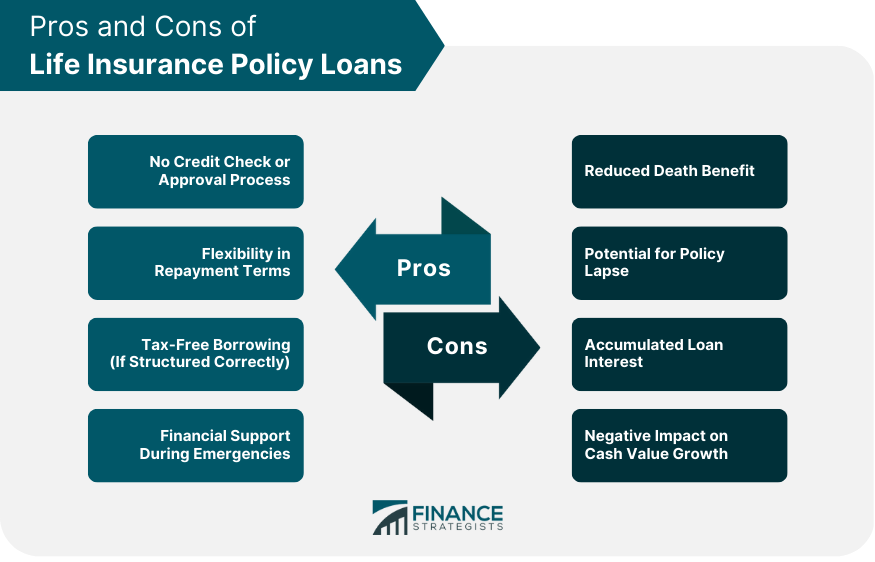
- Policy Loans: Borrowing against the cash value can reduce the surrender value, but this is a complex financial maneuver that requires careful coordination with your insurance provider and legal counsel to ensure the loan does not inadvertently increase your countable income or violate Medicaid rules.
Comparative Summary of Policy Impacts
| Policy Type | Countable Asset Status | Primary Medicaid Consideration |
|---|---|---|
| Term Life | Typically Exempt | Generally ignored because it lacks cash value. |
| Whole Life | Potentially Countable | Cash Surrender Value (CSV) is measured against asset limits. |
| Universal Life | Potentially Countable | CSV is subject to scrutiny; requires annual statements for verification. |
| Burial Policy | Often Exempt | Policies specifically designated for funeral costs may be excluded. |
Does Medicaid Take the Policy Upon Death (Estate Recovery)?
Many applicants confuse "eligibility" (during life) with "estate recovery" (after death). Medicaid Estate Recovery (MERP) is a federal mandate that requires states to attempt to recover costs paid for long-term care from the estate of the deceased.
If your life insurance policy has a named beneficiary (other than "my estate"), the death benefit typically passes directly to that beneficiary upon your death. Because the proceeds bypass the probate process, they are often protected from Medicaid estate recovery. However, if you name "my estate" as the beneficiary, the death benefit becomes part of your estate and becomes available for the state to claim to recoup the costs of the care you received. Always ensure your beneficiary designations are current and intentional.
Common Mistakes to Avoid
When dealing with life insurance and Medicaid, small oversights can lead to significant financial consequences.
- Failing to Disclose: Some applicants assume that because they do not intend to cash out their policy, they do not need to report it. Medicaid requires disclosure of all policies. Failure to disclose can be classified as fraud or lead to the denial of your application.
- Canceling Policies Prematurely: Do not cancel your policy without first verifying whether it is actually a countable asset. In some cases, your policy may be exempt or have a surrender value so low that it does not affect your eligibility.
- Ignoring the "Look-Back" Period: Any action taken to move money or change policy ownership within the 60-month look-back period (five years) prior to your Medicaid application can trigger a penalty. You must discuss any plan to alter your life insurance status with an elder law professional to ensure compliance with the look-back rules.
Frequently Asked Questions
1. Does Medicaid count the death benefit of my life insurance policy? No, Medicaid does not count the death benefit (the face value) as a countable asset while you are alive, provided the policy is not owned by your estate. They only evaluate the "cash surrender value" of permanent policies to see if you have liquid assets that could be used to pay for your own care.
2. Can I keep my life insurance if I am on Medicaid? Yes, you can often keep your life insurance, provided the total value of your countable assets—including the cash surrender value of your policy and other savings—remains below your state’s specific resource limit. If the cash value is high, you may need to reduce that value or shelter it in an exempt format like a burial trust.
3. What if my insurance policy has a "burial exclusion"? Many states allow for a specific exemption for life insurance policies intended for burial expenses. If your policy is designated as a funeral or burial policy, and it meets state-specific criteria for face value and type, it may be entirely excluded from your asset count. Check your state's specific Medicaid manual for the exact face-value limits for burial exclusions.
4. Will the state take the death benefit after I die? Generally, if you have a named beneficiary, the death benefit goes directly to that person and is not subject to Medicaid estate recovery. If you name your estate as the beneficiary, the proceeds will enter the probate estate, where they can be accessed by the state to pay back Medicaid for your long-term care costs.
5. How do I verify the cash surrender value? Contact your insurance carrier and request a "policy ledger" or a "verification of cash surrender value" document. This document should clearly state the current cash value of the policy. Submit this verification to your local Medicaid office during the application process to ensure your documentation is accurate.
Recommended Next Actions
If you are preparing to apply for Medicaid, start by gathering all your life insurance documents. Determine if your policies are term-based or permanent. If you have permanent policies, call your insurance agents to get a written statement of the current cash surrender value.
Once you have this information, compare the total cash surrender value against your state’s Medicaid asset limit. If you are over the limit, do not take immediate action to surrender the policy or transfer ownership. Instead, schedule a consultation with an elder law attorney or a certified Medicaid planner. These professionals can help you structure your assets to protect your family’s interests while ensuring you meet the legal requirements to qualify for the coverage you need.

Image Gallery
Select an image to open it in a new tab.


Vivian Cho
Executive IT and Emerging Technologies Reporter
