
To support a Tempur-Pedic mattress without using a branded foundation, you must select a base that is solid, flat, and non-spring. Compatible alternatives include platform beds, reinforced metal frames, or slatted bases where the gaps are 3 inches or less. These options prevent the dense foam from sagging and ensure your 10-year warranty remains valid.
While Tempur-Pedic heavily markets its own line of foundations and adjustable bases, the physical requirements for supporting their proprietary visco-elastic foam are shared by many third-party products. As we move through 2026, the market for high-quality mattress supports has expanded significantly, offering consumers durable, aesthetic, and more affordable alternatives to name-brand foundations. Understanding the specific structural needs of your mattress is the key to choosing an alternative that preserves both your comfort and your investment.
Why Tempur-Pedic Mattresses Require Specific Support
Tempur-Pedic mattresses are significantly different from traditional innerspring or even standard memory foam beds. The "Tempur-Material" is a high-density, temperature-sensitive open-cell foam originally derived from NASA technology. This density translates to two critical factors: weight and "flow."
The Weight Factor
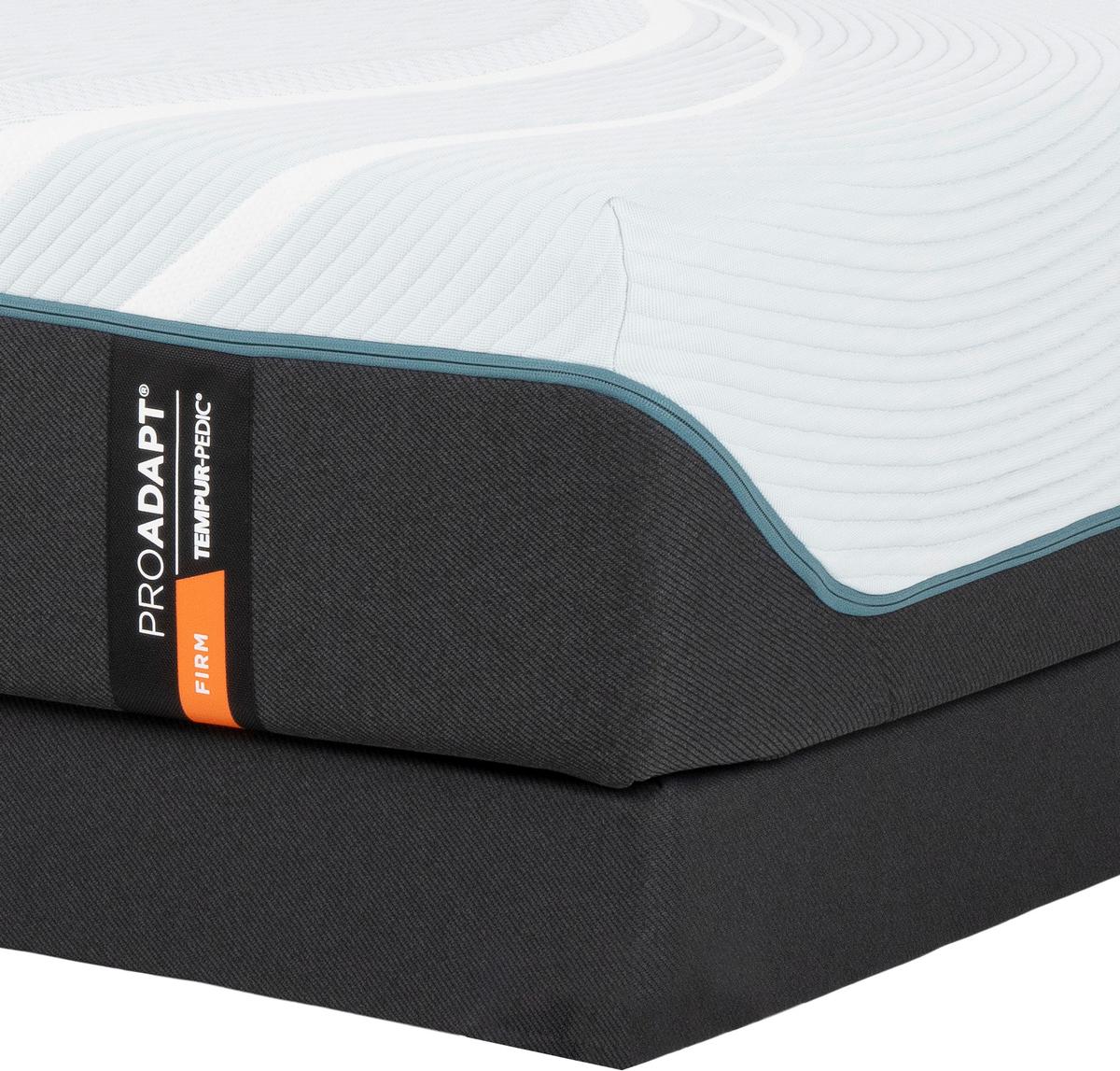
A Queen-sized Tempur-Pedic mattress can weigh anywhere from 100 to 150 pounds, depending on the specific model (such as the LUXEbreeze or ProAdapt series). When you add the weight of two adult sleepers, the foundation must be capable of supporting 400 to 600 pounds of static weight without bowing or shifting. Traditional box springs, which contain flexible coils, are designed to "give" under pressure. If a Tempur-Pedic mattress is placed on a flexible surface, the foundation will dip, causing the foam to lose its alignment properties and potentially leading to permanent structural damage.
The Material Flow
Because Tempur-Material reacts to heat and pressure, it behaves somewhat like a slow-moving liquid over time. If the mattress is placed on a surface with large gaps—such as wide wooden slats—the foam will eventually begin to "extrude" or migrate into those gaps. This creates a "waffle effect" on the bottom of the mattress and leads to a lumpy, uneven sleeping surface on the top.
Decoding the 2026 Warranty Requirements
One of the primary concerns when choosing an alternative foundation is the manufacturer's warranty. Tempur-Pedic’s warranty remains one of the more stringent in the industry. As of 2026, the warranty generally stipulates that the mattress must be used on a "firm, solid-surface, non-spring base."
Using a non-Tempur-Pedic foundation does not automatically void your warranty. However, if a warranty claim is made for sagging or indentations, a technician will inspect the support system. If the foundation is found to be inadequate—for example, if it uses a traditional coil box spring or if the slats are too far apart—the claim will likely be denied. To remain compliant, any alternative you choose must mimic the structural integrity of the official Tempur-Flat Foundation.

Top Alternative Categories for Tempur-Pedic Support
When shopping for an alternative, you can generally categorize your options into four main types. Each has its own benefits and specific requirements for compatibility.
1. Platform Beds
A platform bed is perhaps the most popular alternative. These frames feature a built-in support system that eliminates the need for any additional foundation or box spring.
- Solid Platforms: These are ideal. Usually made of reinforced plywood or solid hardwood, they provide a 100% flat surface.
- Slatted Platforms: These are acceptable if they meet the "3-inch rule." Ensure the slats are thick (at least 0.75 inches) and made of a non-flexible wood like yellow pine or steel.
2. Steel Grid or Reinforced Metal Frames
Modern metal bed frames have evolved beyond the simple perimeter rails of the past. "Heavy-duty" metal platforms now feature a dense grid of steel wires or crossbars.
- Verification: Ensure the metal grid is tight enough that the foam cannot sink through. If the gaps are larger than 2 inches, you may need to add a bunkie board (discussed below).
- Weight Capacity: Look for frames rated for at least 1,500 pounds of static pressure to ensure the metal doesn't fatigue over years of use.
3. Bunkie Boards
If you already have a bed frame that you love—perhaps an antique or a decorative frame that requires a box spring—a bunkie board is your best solution. A bunkie board is a slim (usually 2-inch) profile support made of wood or steel wrapped in fabric.
- The Fix: You can place a bunkie board on top of an existing slatted frame or even an old (non-damaged) box spring to create the necessary flat surface.
- Material Choice: Avoid the cheapest particle-board versions, which can crack under the weight of a Tempur-Pedic. Opt for solid wood or steel-framed versions.
4. Third-Party Adjustable Bases
Many sleepers choose Tempur-Pedic for its pressure-relieving qualities and want an adjustable base to match. While Tempur-Pedic sells the Ergo and Extend lines, several third-party manufacturers (such as Leggett & Platt or Reverie) offer compatible bases at a lower price point.
- Compatibility: Most modern adjustable bases are "zero-clearance," meaning they can sit directly on the floor or on a platform bed. They provide the necessary solid, non-flexing surface required by the warranty.
Technical Comparison of Foundation Alternatives
| Alternative Type | Material Stability | Airflow Rating | Warranty Safety | Typical Cost (2026) |
|---|---|---|---|---|
| Official Tempur-Flat | Maximum | Moderate | 100% Guaranteed | $400 - $600 |
| Solid Wood Platform | High | Low | High | $300 - $1,000+ |
| Heavy-Duty Steel Slat | High | High | Medium (Check Gaps) | $150 - $300 |
| Bunkie Board | High | Very Low | High | $80 - $150 |
| 3rd-Party Adjustable | Maximum | Moderate | High | $600 - $1,500 |
Essential Technical Specifications to Verify
Before purchasing an alternative, use this checklist to ensure the product meets the technical thresholds for high-density foam mattresses.
Slat Spacing and Width
If you choose a slatted base, the distance between the slats is the most critical measurement. Tempur-Pedic traditionally recommended slats be no more than 4 inches apart, but as foam technology has become more sophisticated, many experts and retailers in 2026 suggest a 3-inch maximum gap. Furthermore, each slat should be at least 2.5 to 3 inches wide to provide enough surface area to grip the bottom of the mattress.
Center Support Leg Requirement
For Queen, King, and California King sizes, a foundation alternative must have a center support beam that touches the floor. Without a center leg, the middle of the bed will eventually sag under the weight of the mattress and the sleepers. This sag is often imperceptible to the eye at first but will lead to significant back pain and mattress degradation.
Surface Friction
Tempur-Pedic mattresses are heavy, but they can still "creep" or slide on very smooth surfaces like polished metal or finished hardwood platforms. Look for foundations that have a "non-skid" fabric cover or a raised edge (lip) to keep the mattress in place.
Common Mistakes to Avoid
Using an Old Box Spring
This is the most common error. Traditional box springs are designed to act as shock absorbers for innerspring mattresses. They contain springs that compress. If you place a Tempur-Pedic on an old box spring, the mattress will not have the rigid support it needs to contour to your body. Over time, the box spring's coils will weaken unevenly, leading to a ruined mattress.
Relying on Particle Board or MDF
Some inexpensive platform beds use thin sheets of Medium Density Fiberboard (MDF) or particle board as the support surface. These materials are susceptible to moisture and can sag or even snap under the heavy concentrated load of a high-end foam mattress. Always prioritize solid plywood, kiln-dried hardwoods, or steel.
Ignoring Airflow
While a solid piece of plywood provides excellent support, it offers zero breathability. In humid climates, moisture can trap between the mattress and a solid board, potentially leading to mold growth. If you use a solid platform, consider a "moisture barrier" or look for a platform with small ventilation holes that are not large enough to allow the foam to sag through.
DIY Reinforcement: Making an Existing Frame Work
If you have a bed frame that almost meets the requirements but has slats that are too far apart, you do not necessarily need to buy a new foundation.
- The Plywood Method: Purchase a sheet of 3/4-inch moisture-rated plywood. Have it cut to the dimensions of your bed frame (standard Queen is 60" x 80"). Drill several 1-inch holes in the plywood to allow for airflow, then place it directly on your existing slats. This creates a "solid platform" that meets all warranty requirements.
- Adding Slats: You can often buy additional individual slats from hardware stores. By "interleaving" new slats between your existing ones, you can reduce 5-inch gaps to 2-inch gaps, making the frame safe for your Tempur-Pedic.
Frequently Asked Questions
Will using a non-Tempur-Pedic foundation void my warranty?
No, using a third-party foundation does not void the warranty, provided the foundation meets the manufacturer's requirements. It must be a "firm, solid-surface, non-spring" base. If the alternative foundation causes the mattress to fail, the mattress warranty will not cover the damage, but the mattress itself remains "under warranty" for manufacturing defects.
Can I put a Tempur-Pedic mattress on the floor?
Technically, yes. The floor is the ultimate solid, flat surface. However, this is not recommended for long-term use because it prevents airflow. Moisture from your body can seep through the mattress and become trapped against the floor, causing mold or mildew. If you must use the floor, prop the mattress up frequently to let it air out.
What is the difference between a foundation and a box spring?
A box spring contains internal coils and is flexible. A foundation is a rigid frame, often made of wood or metal, with a flat top. Tempur-Pedic mattresses require foundations, not box springs.
Do I need a bunkie board if I have a platform bed?
Only if the slats on your platform bed are more than 3 inches apart. If your platform bed has a solid surface or very closely spaced slats, a bunkie board is unnecessary and will only add height to your bed.
Can I use a metal "Easy-to-Assemble" foundation?
Yes, many "box spring replacement" metal foundations sold today are designed specifically for memory foam mattresses. Just verify that the top surface has enough crossbars to support the foam without it dipping between the metal rails.
Final Recommendation
When choosing a Tempur-Pedic foundation alternative in 2026, the safest and most cost-effective choice is a high-quality platform bed with reinforced center support and slats spaced no more than 3 inches apart. If you prefer the look of a traditional bed set, a heavy-duty steel foundation or a solid wood bunkie board placed over a standard bed frame provides the necessary rigidity without the premium price tag of branded accessories. Always prioritize structural stiffness and weight capacity over aesthetics to ensure your mattress provides the pressure relief it was designed to deliver for its full ten-year lifespan.
Image Gallery
Select an image to open it in a new tab.



Lars Thomsen
Global Labor Markets and Economic Strategy Editor
