When Chapter 7 Is Removed from Credit Report: Understanding the Timeline and Process

Under the Fair Credit Reporting Act (FCRA), a Chapter 7 bankruptcy filing is legally permitted to remain on your credit report for no longer than 10 years from the date of the order for relief. In practice, the three major credit reporting agencies—Equifax, Experian, and TransUnion—typically remove these filings automatically once this 10-year period expires, though users should monitor their reports to ensure accurate data reflection.
Understanding the 10-Year Rule for Chapter 7 Bankruptcy
The inclusion of bankruptcy information on a consumer credit report is governed by the Fair Credit Reporting Act (FCRA), a federal law that regulates the collection and use of consumer information. According to 15 U.S.C. § 1681c, credit reporting agencies are prohibited from reporting bankruptcies that have reached a specific age.
For Chapter 7 bankruptcy, the statutory limit is 10 years from the date of the initial filing. It is a common misconception that the clock begins when the bankruptcy is "discharged." The discharge date is the day the court officially releases the debtor from personal liability for most debts. However, the federal mandate for credit reporting timelines is anchored to the "date of the order for relief," which, in a voluntary Chapter 7 case, is the date the petition is filed with the bankruptcy court.
Because this is a matter of federal law, the bureaus generally maintain automated systems designed to purge these records once the 10-year threshold is crossed. This process is largely invisible to the consumer; you do not need to submit a formal request for the removal of a Chapter 7 filing once it has hit its 10-year anniversary.
How the Removal Process Works
Credit bureaus operate sophisticated data management systems that ingest information from public records, including the Public Access to Court Electronic Records (PACER) system and private vendors that aggregate court data. When a bankruptcy is filed, the information is verified and added to the "Public Records" or "Bankruptcy" section of your credit file.
The automated removal process typically functions as follows:
- Periodic Review: Bureaus perform monthly or quarterly scrubs of their database to identify entries that have aged beyond their permissible reporting window under the FCRA.
- System Purge: Once an entry is flagged as exceeding the 10-year limit, the system triggers an internal "delete" command for that specific trade line or public record entry.
- Report Refresh: The next time a consumer pulls their credit report or a lender requests a credit score, the bankruptcy information will no longer be present.
While these systems are highly efficient, they are not infallible. Technical errors, clerical delays, or synchronization issues between court databases and credit bureaus can occasionally result in a record remaining past the 10-year mark. If you find your bankruptcy is still reported after 10 years and one month, you have the right to initiate a dispute.
Impact of Bankruptcy Removal on Credit Scores
Many consumers operate under the belief that the moment a Chapter 7 bankruptcy vanishes from their report, their credit score will immediately jump into the "excellent" range. In reality, the removal of a bankruptcy is only one factor in a complex scoring algorithm.
By the time a Chapter 7 bankruptcy reaches its 10-year anniversary, its mathematical impact on your FICO or VantageScore has often significantly diminished. Credit scoring models prioritize recent activity. A bankruptcy that is nine years old carries substantially less weight than a bankruptcy that is two years old.
Once the record is removed, your score will likely see an increase, but the magnitude of that increase depends on:
- Current Account Status: Do you have open, active accounts with positive payment histories?
- Credit Utilization: Are your revolving credit balances low compared to your limits?
- Recent Delinquencies: Have you incurred any late payments or collections in the intervening years?
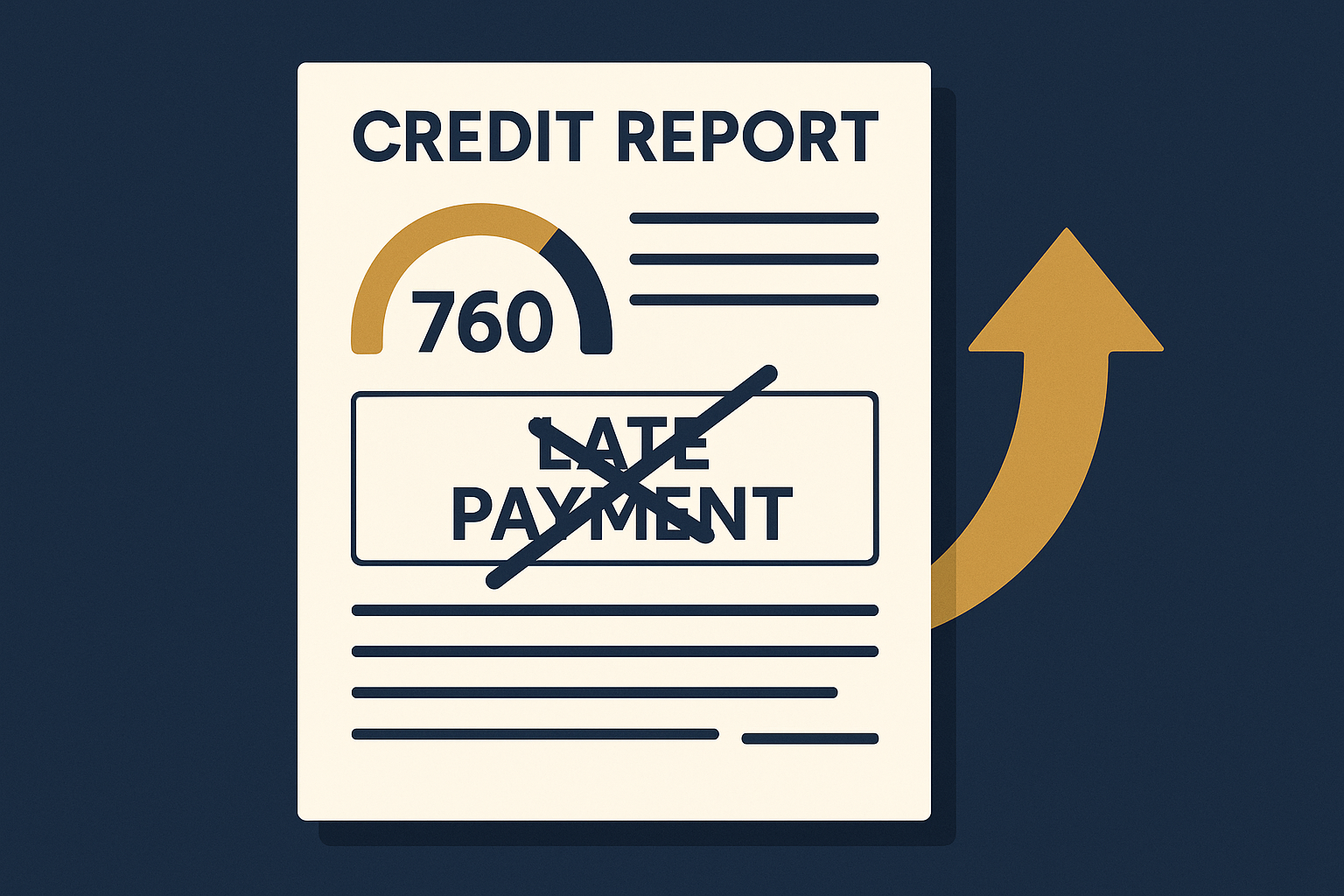
If you have rebuilt your credit successfully, the removal of the bankruptcy should serve as the final hurdle to unlocking more favorable borrowing terms.
Comparing Bankruptcy Reporting Timelines
It is important to distinguish Chapter 7 bankruptcy from other forms of negative information, as the removal timelines vary significantly based on the type of entry.
| Type of Negative Information | Maximum Reporting Period |
|---|---|
| Chapter 7 Bankruptcy | 10 years from filing date |
| Chapter 13 Bankruptcy | 7 years from filing date |
| Late Payments | 7 years from the date of delinquency |
| Collections Accounts | 7 years from the date of original delinquency |
| Civil Judgments | 7 years or statute of limitations (whichever is longer) |
| Hard Inquiries | 2 years |
While Chapter 13 bankruptcies are removed after seven years to encourage repayment-based bankruptcy structures, Chapter 7 remains for the full decade. If you are ever unsure of the filing date, you can refer to your original bankruptcy discharge papers or retrieve your case details through the PACER system.
Verification and Dispute Procedures
If you have determined that your Chapter 7 filing has exceeded the 10-year limit and it is still appearing on your credit report, you should take immediate action. Do not wait for the bureau to correct it on their own, as errors in public records can persist indefinitely if not challenged.
Step 1: Obtain Official Reports Request a copy of your credit report from each of the three major bureaus—Equifax, Experian, and TransUnion—via AnnualCreditReport.com. This is the official site authorized by federal law to provide free weekly credit reports.
Step 2: Gather Documentation Find your bankruptcy discharge notice or the original filing document that shows the date the petition was submitted. This is your primary evidence.
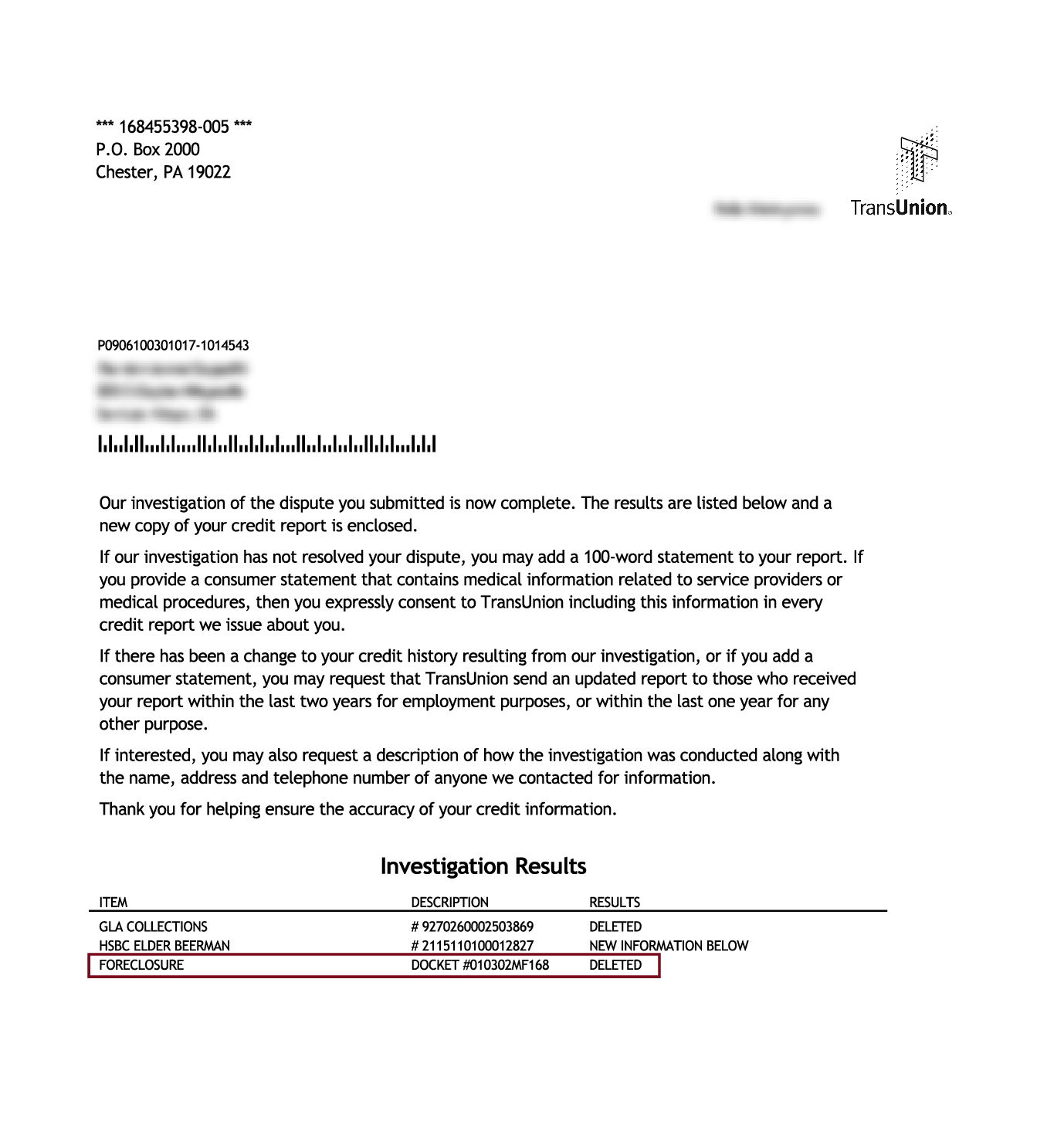
Step 3: File a Dispute You can file a dispute online through the websites of the individual credit bureaus. Provide the bankruptcy case number and the date of filing. State clearly that the record is beyond the 10-year reporting limit set by the FCRA.
Step 4: Follow Up The bureaus are legally required to investigate your dispute, typically within 30 days. If the entry is not removed, you should receive a notification explaining why. If you remain unsatisfied, you can file a complaint with the Consumer Financial Protection Bureau (CFPB).
Practical Tips for Credit Recovery
Rebuilding credit after a Chapter 7 filing should be a continuous process, rather than a single event triggered by the removal of the record. Because the bankruptcy will remain on your report for 10 years, focus on the following strategies:
- Maintain Current Accounts: Open a secured credit card or a credit-builder loan. Use these tools to establish a record of on-time payments. A history of consistent, positive usage is the best counterweight to a bankruptcy notation.
- Keep Balances Low: High credit utilization can harm your score regardless of whether a bankruptcy is present. Aim to keep your balances below 30% of your total credit limit.
- Monitor Regularly: Use the 2026 credit reporting standards to your advantage. Many banking apps now provide free monthly credit score monitoring. Consistent monitoring helps you catch inaccuracies before they impact your ability to secure a loan or housing.
- Avoid "Credit Repair" Scams: There is no service that can legally remove a Chapter 7 bankruptcy before the 10-year window has closed. Any company promising to "erase" your bankruptcy early for a fee is likely engaging in deceptive practices.
Frequently Asked Questions
Does the Chapter 7 bankruptcy "fall off" automatically, or do I need to notify the bureaus? In most cases, the removal is automated. The credit bureaus are required to follow the FCRA guidelines, which trigger a system-wide purge of bankruptcy filings once they hit the 10-year mark. You should check your report periodically, but no manual application is typically required.
Does a dismissed Chapter 7 bankruptcy also stay on for 10 years? Yes. Even if your case was dismissed and you did not receive a discharge of your debts, the filing itself is a public record. The FCRA allows the fact that a bankruptcy was filed to remain on the report for the same 10-year duration from the filing date.
Will the removal of my Chapter 7 bankruptcy result in a massive credit score increase? It depends. If you have a thin credit file or a file filled with recent negative marks, the removal might have a noticeable impact. However, if you already have a history of positive payments and low utilization, the removal is more of a "clean slate" event that removes a significant red flag for future lenders.
Can a lender see my bankruptcy after it is removed from the credit report? Once a credit bureau removes the bankruptcy from your report, it is no longer visible to lenders who use that bureau's data to make credit decisions. While the bankruptcy remains a matter of public court record forever, lenders rarely perform independent searches of court databases unless they are conducting an extremely high-level manual underwriting process for significant loans.
What should I do if a company asks about my bankruptcy after it has been removed? Some credit applications, particularly for high-dollar mortgages or specific security clearances, may ask if you have "ever" filed for bankruptcy. Always answer truthfully based on your own history, even if the record no longer appears on your credit report. The removal of the record from a credit report does not negate the fact that the legal event occurred.
Recommendation for Next Actions
If you are approaching the 10-year anniversary of your Chapter 7 filing, do not make major financial plans—such as applying for a large mortgage—based solely on the assumption that your score will skyrocket the day the record vanishes. Instead, pull your reports from all three bureaus 30 days after your 10-year anniversary date. If the entry remains, gather your court-issued filing documentation and immediately initiate a dispute with the respective bureau. By proactively managing this transition, you ensure that your financial profile accurately reflects your history and your progress toward full credit recovery.
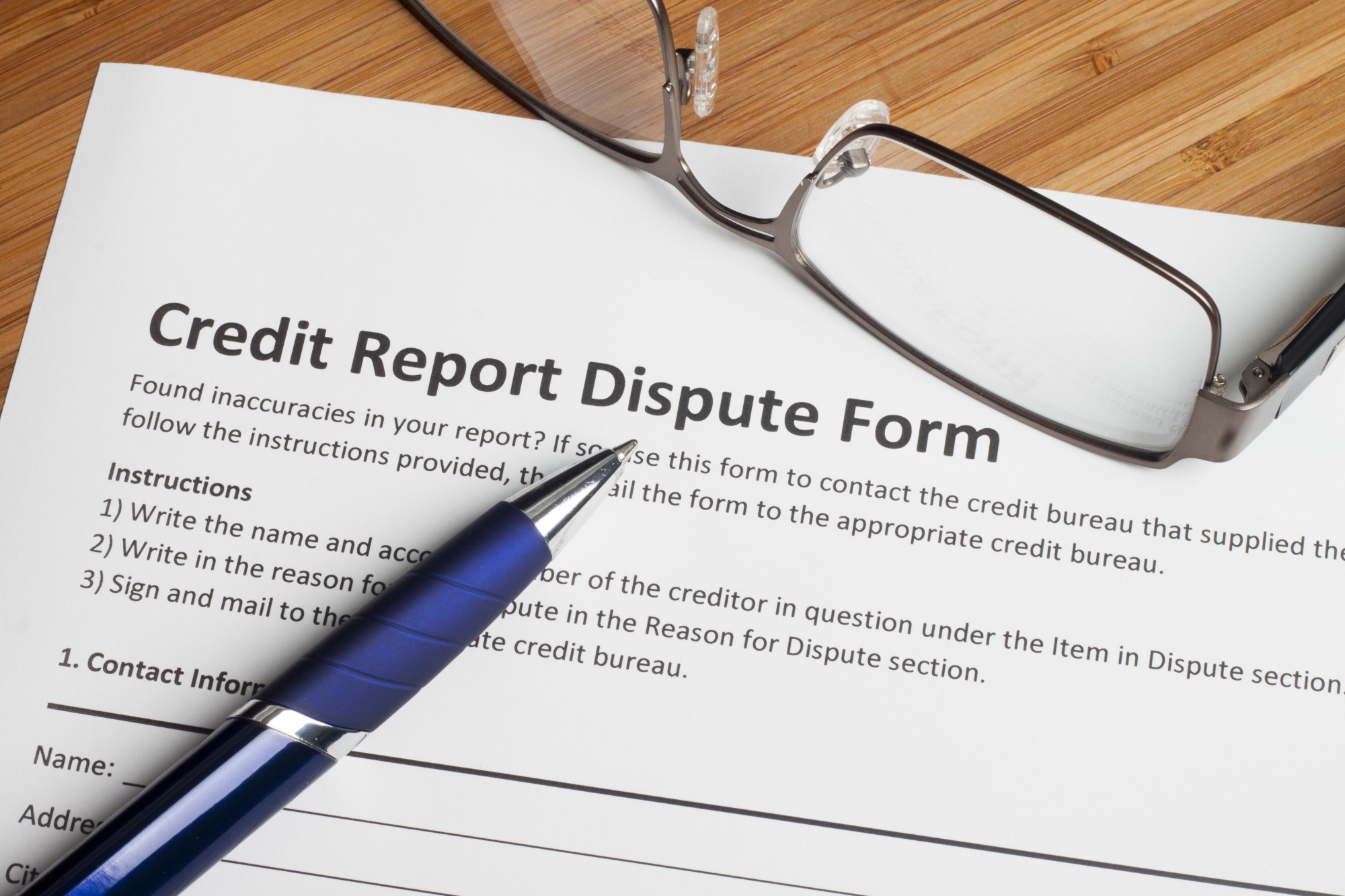
Image Gallery
Select an image to open it in a new tab.




Simon Caldwell
Enterprise Technology and Systems Editor
