The Red Dragon Movie Series in Chronological Order: A Complete Viewing Guide
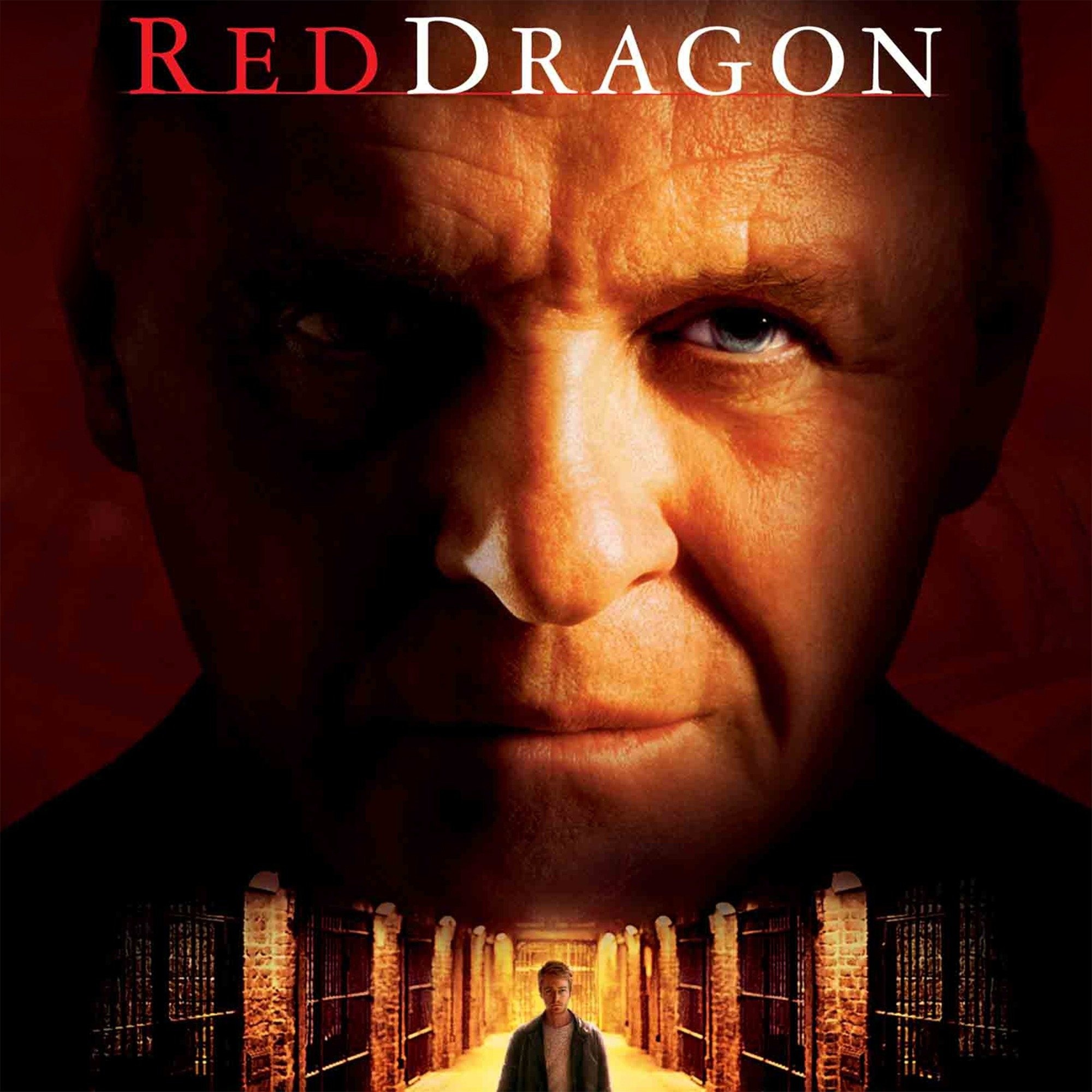
To experience the Hannibal Lecter saga in chronological narrative order, viewers should begin with Hannibal Rising, followed by Red Dragon, The Silence of the Lambs, and Hannibal. While Thomas Harris’s novels and their respective film adaptations were released out of sequence, this specific arrangement aligns the life of the cannibalistic serial killer from his traumatic childhood origins through his eventual confrontation with FBI investigators.
Understanding the Hannibal Lecter Cinematic Universe
The "Red Dragon" series, often referred to more broadly as the Hannibal Lecter franchise, is a collection of films based on the novels of Thomas Harris. The confusion regarding the chronological order of these films stems from the irregular production timeline. Producers initially adapted The Silence of the Lambs—the second novel featuring the character—before returning to the first novel, Red Dragon, and later adapting the prequel Hannibal Rising.
For the dedicated viewer, the chronological order provides a richer sense of character development, particularly regarding Hannibal Lecter’s transformation from a survivalist in post-WWII Europe to the sophisticated, manipulative psychiatrist encountered by Will Graham and Clarice Starling. This article outlines the narrative path of the franchise and explains why viewing these films in order offers a distinct perspective on the psychological depth of the characters involved.
The Chronological Sequence Defined
When organizing the films by the internal timeline of the narrative, the series follows the evolution of Hannibal Lecter’s life. It is important to note that actors changed across these productions, which can sometimes be jarring for viewers accustomed to a single lead performer; however, the narrative cohesion remains intact.
1. Hannibal Rising (2007)
Set in the immediate aftermath of World War II, Hannibal Rising serves as the origin story. The narrative follows a young Hannibal as he flees from Lithuania to France after suffering immense trauma during the war. This film establishes the foundation of his psychological detachment and his eventual descent into cannibalism as an act of revenge against the war criminals who destroyed his family.
2. Red Dragon (2002)
Red Dragon acts as the primary bridge between Lecter’s origins and his most famous psychological games. In this timeline, Hannibal Lecter is already an established psychiatrist and a serial killer. The plot focuses on FBI profiler Will Graham, who caught Lecter but suffered a psychological breakdown in the process. Graham must consult with the incarcerated Lecter to catch a new killer, Francis Dolarhyde, known as "The Red Dragon." This film is the second version of the first novel; Michael Mann directed the initial 1986 adaptation, titled Manhunter, though Red Dragon is more widely integrated into the modern continuity of the film series.
3. The Silence of the Lambs (1991)
This remains the centerpiece of the series. Chronologically, it takes place years after the events of Red Dragon. Hannibal Lecter is still serving a life sentence in a maximum-security psychiatric facility. The story follows Clarice Starling, a young FBI trainee who seeks Lecter’s help in building a profile for "Buffalo Bill," a serial killer targeting women. This film explores the intellectual cat-and-mouse game between Starling and Lecter, defining the character's legacy in cinema.
4. Hannibal (2001)
The final chapter in the chronological narrative occurs roughly a decade after The Silence of the Lambs. Hannibal Lecter is living in exile in Florence, Italy, having escaped custody. The story details the efforts of one of his few surviving victims, Mason Verger, to capture him, while Clarice Starling attempts to track him down once more. It brings the cycle of pursuit and psychological manipulation to its conclusion.
Comparison of Production Order vs. Narrative Order
Many viewers are surprised to learn that the production order is almost the inverse of the narrative chronology. Understanding the production history helps explain why the films feel distinct in tone and visual style.
| Film Title | Production Year | Narrative Placement |
|---|---|---|
| Manhunter (Early adaptation) | 1986 | Parallel to Red Dragon |
| The Silence of the Lambs | 1991 | 3rd in chronology |
| Hannibal | 2001 | 4th in chronology |
| Red Dragon | 2002 | 2nd in chronology |
| Hannibal Rising | 2007 | 1st in chronology |
Note: While Manhunter is a valid artistic interpretation of the source material, Red Dragon is generally considered the "official" entry in the Anthony Hopkins-led continuity due to its alignment with the production style of the later sequels.
Technical Considerations for the Viewer
When deciding to watch the series in order, viewers should be prepared for significant shifts in filmmaking technology and stylistic choices. The 1990s aesthetic of The Silence of the Lambs differs sharply from the gritty, war-torn visuals of Hannibal Rising. Furthermore, the actor playing Hannibal Lecter remains consistent as Anthony Hopkins for the three central films, while Gaspard Ulliel portrays the younger iteration in the 2007 prequel.
For those who prioritize character continuity, the change in actor can be a hurdle. However, the internal logic of the plot—specifically the progression of Lecter’s infamy and his evolving relationship with the FBI—is best served by the chronological approach.
Prerequisites for Understanding the Narrative
To fully appreciate the chronological arc, one must recognize the importance of the Will Graham character in Red Dragon. Will Graham is arguably as important as Clarice Starling to the overall story. He is the first person to truly see behind the "mask" of Hannibal Lecter, and the trauma he endures is what allows for the security protocols that keep Lecter imprisoned during the events of The Silence of the Lambs.
Viewers should also be aware that the franchise contains graphic violence and psychological horror themes that remain intense even by modern 2026 standards. If you are sensitive to these themes, pacing yourself between films is a recommended strategy to avoid "viewer fatigue" caused by the relentless psychological tension inherent in the Harris source material.
Addressing Common Viewing Mistakes
A frequent mistake made by new viewers is assuming that the series can be enjoyed as standalone action movies. While each film provides a self-contained case for the FBI to solve, the true value of the series lies in the evolution of Hannibal Lecter. Skipping Red Dragon, for example, deprives the viewer of the necessary context regarding how Lecter ended up in high-security isolation.
Another common point of confusion involves the 1986 film Manhunter. While it covers the same plot as Red Dragon, it is not part of the same production continuity as the Hopkins-led films. For those seeking a cohesive "marathon" experience, Red Dragon is the preferred entry.
Frequently Asked Questions
Do I need to watch the films in order to understand the plot? No, each film functions as a standalone crime thriller. However, watching them in chronological order provides a much deeper understanding of the cat-and-mouse relationship between Lecter and the various FBI agents tasked with apprehending him.
Is Manhunter essential viewing for the Red Dragon series? Manhunter is an excellent film, but it is not necessary for the modern chronological order. It is considered a separate adaptation of the same source novel. Red Dragon (2002) is generally recommended for viewers who want to maintain the same cinematic universe style established in The Silence of the Lambs.
Which film is the most critical to watch? The Silence of the Lambs is widely considered the most critical entry. It defines the character of Hannibal Lecter and establishes the tropes that appear in almost all subsequent films. If you only have time for one, this is the definitive experience.
Are there major continuity errors when watching in chronological order? Because the films were made over a span of two decades, there are minor inconsistencies, particularly in the aging of characters and changes in the portrayal of psychiatric facilities. However, these are largely negligible and do not detract from the overarching narrative.
Recommendation for Viewers
If you are planning to watch the series for the first time in 2026, start with Red Dragon. While Hannibal Rising is chronologically first, it is widely considered an origin story that works best once you are already familiar with the "monster" that Hannibal Lecter eventually becomes. By starting with Red Dragon, you gain the necessary investment in the FBI’s perspective before diving into the character study of the villain.
Once you have completed the core sequence—Red Dragon, The Silence of the Lambs, and Hannibal—you can then view Hannibal Rising as a supplemental exploration of the character’s early life. This approach balances narrative logic with the strongest cinematic entries in the franchise.
Image Gallery
Select an image to open it in a new tab.


Zara El-Hashem
Sociocultural Dynamics and Academics Writer
