What It Means to Be a Blue State: Definitions, Governance, and Political Identity
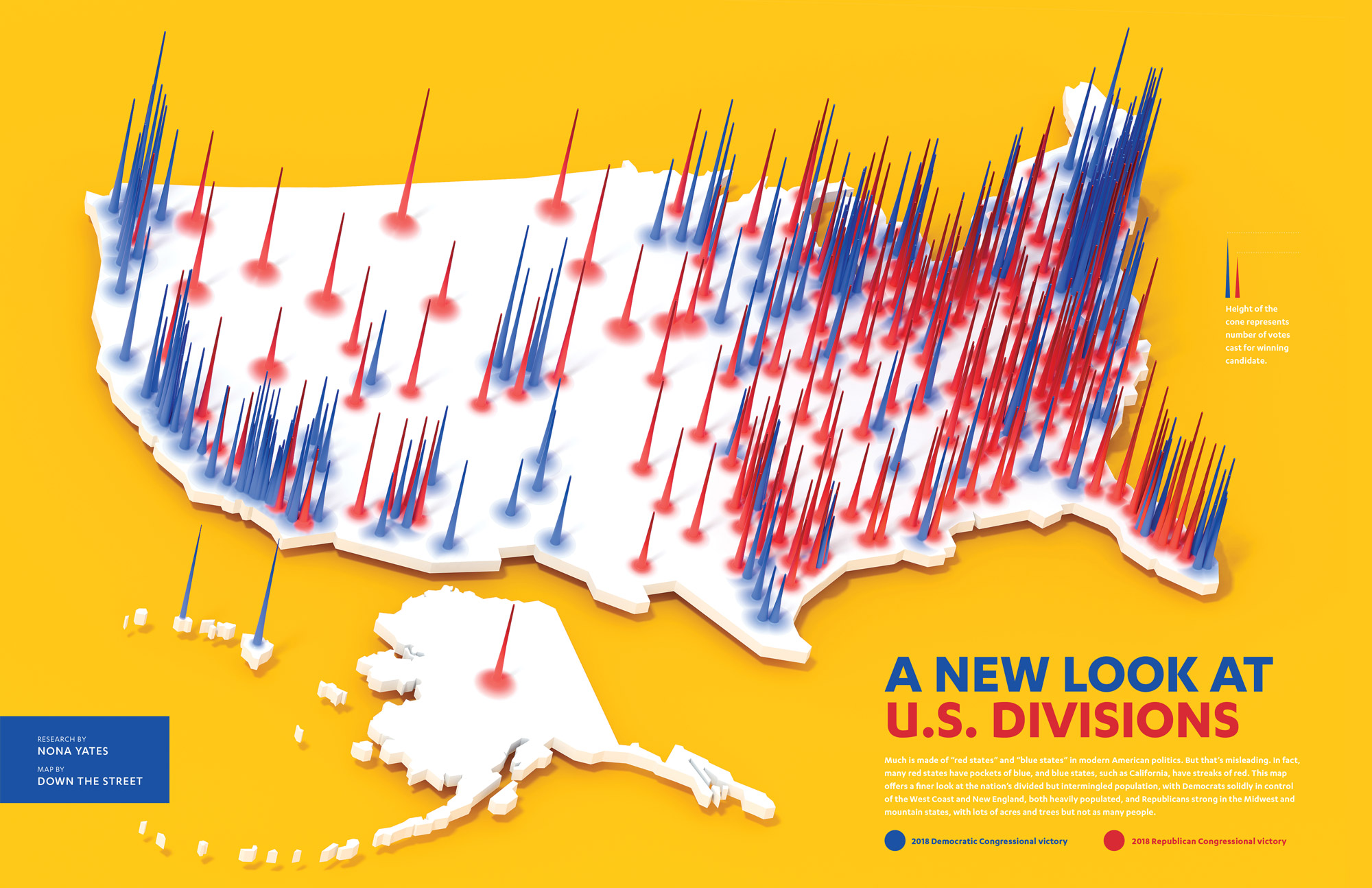
A blue state is a U.S. state where the majority of voters consistently support the Democratic Party in local, state, and presidential elections. These states are characterized by progressive governance, including higher investments in social safety nets, stricter environmental regulations, and a legislative focus on civil rights and labor protections.
The Origins of the "Blue State" Terminology
While the terms "red state" and "blue state" feel like permanent fixtures of the American lexicon, they are relatively modern inventions. Before the 2000 presidential election between George W. Bush and Al Gore, there was no standardized color coding for political parties in the media. Some networks used blue for Republicans and red for Democrats, while others swapped them based on various historical or aesthetic preferences.
The 2000 election served as the catalyst for the current standard. Because the election remained undecided for weeks, the maps displayed on news networks like NBC, ABC, and CNN became iconic. Eventually, the major outlets coalesced around blue representing the Democratic Party and red representing the Republican Party. Since then, the term "blue state" has transcended simple map-making to describe a specific political culture and a set of shared governance priorities.
In 2026, the concept of a blue state has evolved further. It is no longer just about which way a state swings every four years; it describes a deeply entrenched infrastructure of progressive legislation, judicial philosophy, and economic strategy. States like California, Massachusetts, and Washington have become laboratories for policies that often eventually move to the national stage or remain as distinct counterpoints to federal or red-state trends.
Core Political Philosophy and Governance
The fundamental identity of a blue state is rooted in modern American liberalism and progressivism. This philosophy emphasizes the role of the state in mitigating social and economic inequalities. While red states often prioritize deregulation and individual liberty from government interference, blue states tend to view the government as a necessary tool for ensuring collective welfare.
The Role of the Social Safety Net
Blue states generally maintain more robust social safety nets than their red counterparts. This manifests in several ways, most notably through the expansion of Medicaid under the Affordable Care Act (ACA). By 2026, blue states have largely maximized their participation in federal-state healthcare partnerships, often supplementing them with state-funded programs for residents who do not qualify for federal aid.
These states also tend to offer higher unemployment benefits and more comprehensive workers' compensation. The philosophy here is that a more secure workforce is a more productive and resilient one. This includes state-mandated paid family and medical leave—a hallmark of blue-state legislation that remains absent in many other parts of the country.
Labor Rights and Unionization
Support for organized labor is a cornerstone of blue-state identity. These states are less likely to have "Right-to-Work" laws, which allow employees to benefit from union contracts without paying dues. Instead, blue states often protect the right to collective bargaining and have higher rates of union membership in both the public and private sectors.
Furthermore, the minimum wage in blue states is significantly higher than the federal floor. As of 2026, several blue states have implemented automatic cost-of-living adjustments to their minimum wages, ensuring that the lowest-paid workers see their income keep pace with inflation without requiring new legislative action every few years.
Economic Characteristics of Blue States
The economic profile of a blue state often involves a "high-tax, high-service" model. While critics argue that high taxes drive away business, proponents point to the high quality of life, superior public infrastructure, and educated workforce that these taxes fund.
Taxation and Revenue
Blue states typically utilize progressive income tax structures, where higher earners pay a larger percentage of their income. This revenue is funneled into public universities, mass transit, and social programs. In 2026, the debate continues over the "SALT" (State and Local Tax) deduction, as residents of high-tax blue states often push for federal tax relief to offset their state-level contributions.
Innovation and Knowledge Economies
Many blue states are home to the nation's primary technology and finance hubs. California’s Silicon Valley, the Massachusetts biotech corridor, and New York’s financial district are all located in deep-blue territory. These economies rely heavily on a highly educated workforce, which is supported by the state's investment in higher education and a cultural openness that attracts global talent.
The focus on a "knowledge economy" often means that blue states are at the forefront of the green energy transition. By 2026, many blue states have implemented aggressive Renewable Portfolio Standards (RPS), requiring a specific percentage of their electricity to come from carbon-free sources. This has led to massive investments in offshore wind, solar arrays, and electric vehicle (EV) charging infrastructure.
Social Issues and Civil Rights
Perhaps the most visible difference between blue and red states lies in their approach to social issues. Blue states prioritize the protection of marginalized groups and the expansion of personal liberties regarding reproductive and gender identity issues.
Reproductive Rights and Healthcare
Following the 2022 Supreme Court decision to overturn Roe v. Wade, the definition of a blue state became synonymous with "sanctuary" status for reproductive healthcare. In 2026, blue states have not only kept abortion legal but have passed "shield laws" to protect providers and patients from out-of-state legal actions. They also frequently provide state funding for reproductive health clinics to ensure access for low-income individuals.
LGBTQ+ Protections
Blue states are characterized by comprehensive anti-discrimination laws. These statutes protect individuals from being fired, evicted, or denied service based on their sexual orientation or gender identity. In the mid-2020s, as several states moved to restrict gender-affirming care, blue states responded by passing laws to protect such medical procedures, often positioning themselves as "transgender refuge" states.
Criminal Justice and Drug Policy
The blue state approach to criminal justice often emphasizes rehabilitation over incarceration. This includes the elimination of cash bail in some jurisdictions (like Illinois) and the legalization of recreational cannabis. By 2026, many blue states have moved toward decriminalizing or creating therapeutic frameworks for other substances, such as psilocybin, reflecting a shift toward treating drug use as a public health issue rather than a purely criminal one.
Demographics and the Urban-Rural Divide
To understand what it means to be a blue state, one must look at the demographics of its population. Blue states are generally more urbanized, more racially diverse, and have higher concentrations of residents with college degrees.
The Power of the City
The "blueness" of a state is often driven by its major metropolitan areas. In states like Illinois or New York, the massive Democratic margins in Chicago and New York City are frequently enough to override the Republican preferences of the more rural "downstate" or "upstate" regions. This creates a unique internal tension within blue states, where rural residents may feel their interests are ignored by a state legislature dominated by urban priorities.
The Education Gap
One of the strongest predictors of whether a region will be blue is the educational attainment of its residents. Areas with high concentrations of master's and doctoral degrees—often centered around universities and tech hubs—lean heavily Democratic. This "diploma divide" has widened over the last decade, making states with robust university systems more likely to remain or become blue.
Comparing State Metrics: Blue vs. Red Tendencies
While every state is unique, certain trends emerge when comparing states that have been consistently blue over the last several election cycles with those that have been consistently red.
| Metric | Blue State Tendency | Red State Tendency |
|---|---|---|
| Minimum Wage | Significantly higher than federal ($15-$18+) | Often matches federal ($7.25) |
| Health Insurance | Expanded Medicaid; lower uninsured rates | Mixed Medicaid expansion; higher uninsured rates |
| Education Funding | Higher per-pupil spending; robust public systems | Emphasis on school choice and private vouchers |
| Environmental Policy | Strict emission caps; high renewable targets | Support for fossil fuel extraction; less regulation |
| Tax Structure | Progressive income tax; higher property taxes | Flat tax or no state income tax; higher sales tax |
| Gun Control | Strict background checks; "red flag" laws | Emphasis on Second Amendment; permitless carry |
The Challenges of Being a Blue State
Governance in a blue state is not without its difficulties. The very policies that define these states often lead to specific secondary challenges that legislatures must grapple with in 2026.
Cost of Living and Housing
The high demand for living in culturally vibrant, high-opportunity blue states has led to a massive housing crisis. In cities like San Francisco, Seattle, and Boston, the cost of housing has outpaced wage growth for many residents. While blue states often have more tenant protections, they also face criticism for restrictive zoning laws that prevent the construction of new, high-density housing.
Migration Patterns
In recent years, there has been a notable trend of residents moving from high-tax blue states to lower-tax red or "purple" states (like Texas, Florida, or Arizona). While this is often attributed to tax rates, it is also driven by the remote work revolution and the search for affordable housing. This migration has the dual effect of challenging the blue state tax base while potentially "blueing" the destination states as newcomers bring their political preferences with them.
Infrastructure Maintenance
While blue states invest heavily in infrastructure, they often have some of the oldest systems in the country. Maintaining century-old subway systems in New York or Boston requires astronomical levels of funding compared to building new highways in the Sun Belt. Balancing the cost of maintenance with the desire for new, "green" infrastructure is a primary legislative hurdle.
Frequently Asked Questions
Can a blue state have a Republican governor?
Yes. Several blue states, such as Maryland, Massachusetts, and Vermont, have a history of electing Republican governors. These "Blue State Republicans" are typically more socially moderate and fiscally conservative than their national counterparts. They often act as a check on the Democratic-controlled legislatures, focusing on administrative efficiency rather than social-conservative cultural issues.
Are all blue states the same?
No. There is a significant difference between "Moderate Blue" states and "Progressive Blue" states. For example, a blue state like Delaware or Connecticut may be more fiscally conservative and business-friendly due to its ties to the banking and insurance industries, whereas a state like California or Vermont may push more aggressively for democratic-socialist policies.
Does "blue state" only refer to presidential elections?
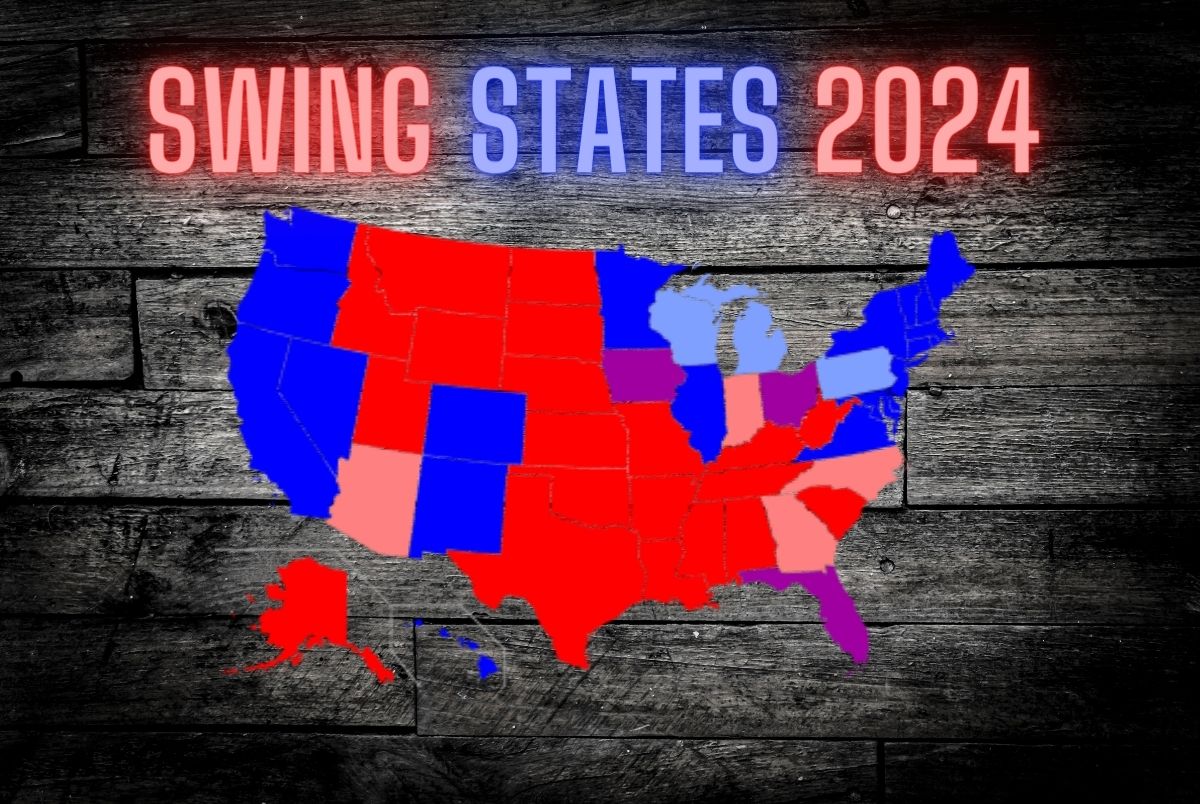
While the term originated with presidential maps, it now implies "trifecta" control—where Democrats hold the governorship and both chambers of the state legislature. A state that only votes Democratic for president but has a Republican-controlled state legislature is usually referred to as a "purple" or "swing" state.
How do blue states handle federal law conflicts?
Blue states often use "state's rights" arguments—traditionally a conservative legal strategy—to protect their policies from federal interference. This is seen in the legalization of marijuana, the establishment of environmental standards that exceed federal requirements, and the creation of sanctuary policies for immigrants.
Why is the color blue used for Democrats?
The color blue was assigned to the Democratic Party by television networks during the 2000 election. Historically, blue is often associated with more conservative parties internationally (like the Conservatives in the UK), while red is associated with labor or socialist parties. However, in the U.S., the colors were effectively randomized until the 2000 map became standardized.
Navigating the Blue State Landscape
To understand what it means to be a blue state is to understand a specific vision of the American social contract—one that prioritizes collective investment, social equity, and government-led solutions to systemic problems. For residents, this often means higher costs and more regulation in exchange for better public services, stronger labor protections, and a commitment to progressive social values.
If you are considering moving to or doing business in a blue state, it is essential to research the specific legislative environment of that state. While they share a general philosophy, the implementation of taxes, housing policies, and business regulations varies significantly from the West Coast to the Northeast. Engaging with local civic organizations and staying informed about state-level legislative sessions is the best way to understand how these political identities translate into daily life.
Image Gallery
Select an image to open it in a new tab.
Akira Tanaka
International Academic Trends Correspondent
