Sir Paul McCartney: Debunking the "Paul is Dead" Hoax and His Current Status in 2026
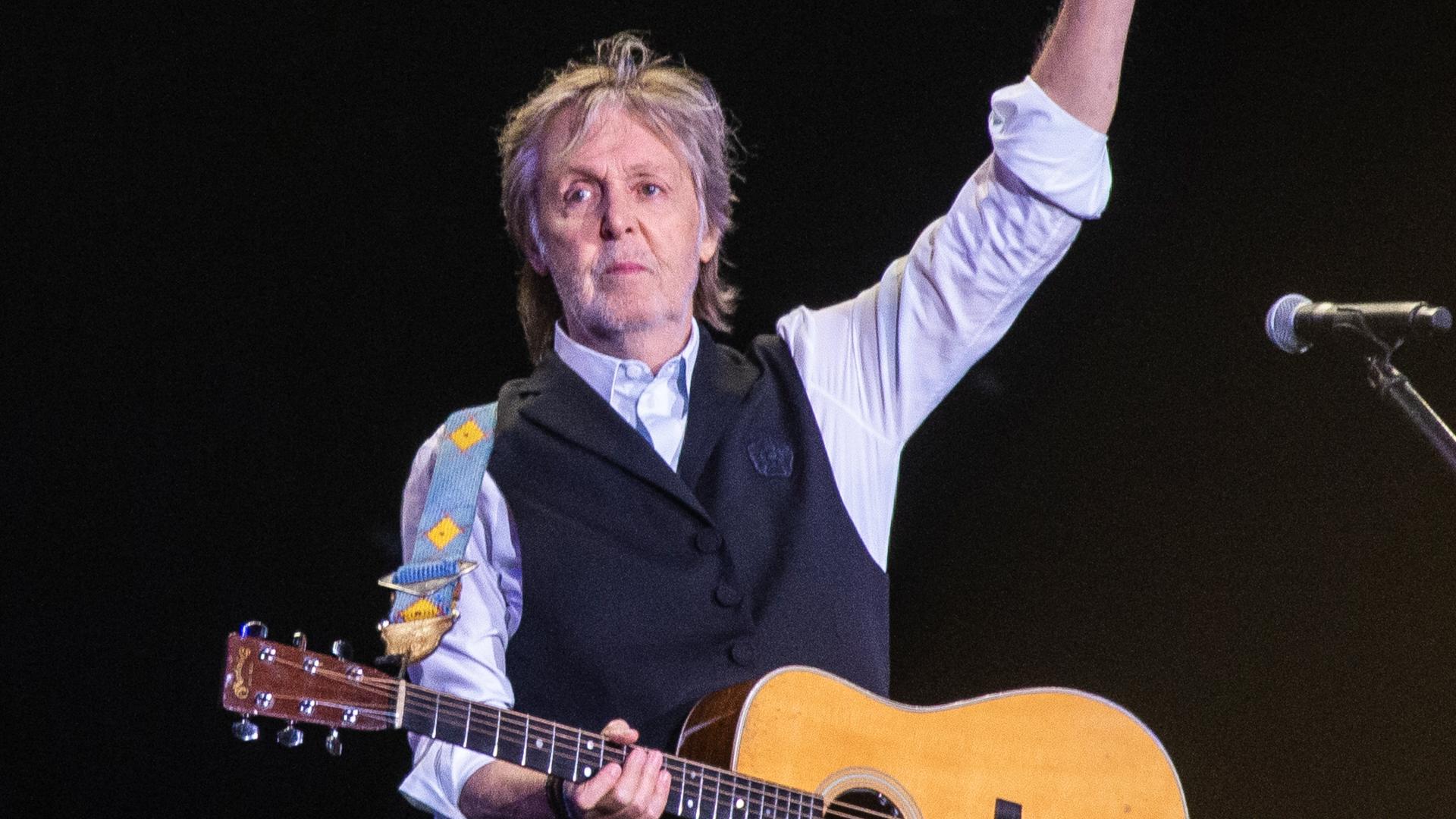
Sir Paul McCartney is alive and remains a prominent figure in global music and culture as of 2026. Despite a long-standing urban legend claiming he died in 1966, McCartney continues to lead a highly public life, characterized by musical innovation, philanthropic efforts, and active engagement with his multi-generational fanbase.
The question of whether Paul McCartney is alive is rarely a query about his biological status in the present day, but rather a point of entry into one of the most famous urban legends in history: the "Paul is Dead" conspiracy. In 2026, McCartney is 84 years old, and his continued presence in the recording studio and on the public stage serves as the ultimate refutation of a theory that has persisted for nearly sixty years. This article examines the origins of the hoax, the "evidence" traditionally cited by proponents, and the factual reality of McCartney’s life and career from 1966 to the present day.
The Origins of the "Paul is Dead" Conspiracy Theory
The "Paul is Dead" urban legend is a fascinating case study in folklore and collective pareidolia. The theory suggests that Paul McCartney died in a car accident in the early hours of November 9, 1966, and was subsequently replaced by a lookalike and soundalike named William Campbell (sometimes referred to as "Billy Shears").
The rumor did not gain significant traction until late 1969. On October 12, 1969, a caller to the Detroit radio station WKNR-FM told DJ Russ Gibb that clues about McCartney’s death were hidden in Beatles records. Two days later, a student newspaper at Drake University published an article titled "Is Beatle Paul McCartney Dead?" This sparked a media frenzy that forced McCartney to break his seclusion at his farm in Scotland to give an interview to Life magazine in November 1969, famously stating, "Rumors of my death have been greatly exaggerated."
The timing of the rumor coincided with the Beatles' internal fracture. By late 1969, the band had effectively stopped working together, though the public did not yet know they had officially split. McCartney's retreat from the spotlight to deal with the band's dissolution was misinterpreted by some fans as evidence of his demise.
Analyzing the "Clues": Album Covers and Lyrics
The persistence of the hoax is largely due to the "clues" fans found in the Beatles' artwork and music. These interpretations often rely on seeing patterns in random details, a phenomenon known as apophenia.
The Abbey Road Cover
Perhaps the most famous source of clues is the cover of the 1969 album Abbey Road. Proponents of the theory interpreted the image as a funeral procession:
- John Lennon: Dressed in white, representing the clergyman or the deity.
- Ringo Starr: Dressed in a black suit, representing the undertaker.
- Paul McCartney: Barefoot, out of step with the others, and holding a cigarette in his right hand (despite being left-handed). In many cultures, the dead are buried barefoot.
- George Harrison: Dressed in denim, representing the grave digger.
- The Volkswagen Beetle: The license plate "LMW 28IF" was interpreted as "Linda McCartney Weeps" and the claim that Paul would have been 28 if he had lived (though he was actually 27 when the album was released).
Sgt. Pepper’s Lonely Hearts Club Band
On the cover of Sgt. Pepper, theorists pointed to a hand being held over Paul’s head, which some claimed was a symbol of death in certain cultures. They also noted a trophy or patch on his sleeve that appeared to say "OPD" (Officially Pronounced Dead), though it was actually a patch for the Ontario Provincial Police (OPP) that he had been gifted.
Backmasking and Sonic Clues
The Beatles were pioneers in studio experimentation, which provided ample material for conspiracy theorists. When played backward, the end of the song "I’m So Tired" was said to sound like John Lennon saying, "Paul is a dead man, miss him, miss him, miss him." Similarly, the experimental track "Revolution 9" was claimed to contain the phrase "Turn me on, dead man" when reversed. These "hidden messages" are a result of the brain trying to find familiar speech patterns in phonetic reversals.

Scientific and Biometric Rebuttal to the Lookalike Claim
The central tenet of the hoax is that a replacement took McCartney’s place in late 1966. From a technical and biological perspective, this claim is virtually impossible to sustain.
Vocal Range and Songwriting Complexity
Paul McCartney is widely considered one of the greatest songwriters and vocalists in the history of popular music. The period following his "supposed" death in 1966 saw the creation of some of his most complex and iconic work, including "Hey Jude," "Let It Be," "The Long and Winding Road," and the entire Abbey Road medley.
For a replacement to not only look like McCartney but also possess a multi-octave vocal range, identical songwriting sensibilities, and the ability to play multiple instruments (including his unique left-handed bass style) is statistically improbable. The evolution of his voice—from the raw power of "Helter Skelter" to the melodic precision of his solo career—shows a consistent biological and artistic progression.
Biometric Analysis
Over the years, various forensic experts and biometric researchers have analyzed McCartney's features. While a 2009 study by two Italian researchers (Gabriella Carlesi and Francesco Gavazzeni) claimed to find discrepancies in ear shape and palate structure between pre-1966 and post-1967 photos, these findings have been widely dismissed by the broader scientific community. Photographic evidence is subject to variations in focal length, lighting, aging, and dental work. Modern facial recognition technology, when applied to McCartney’s vast archive of imagery, confirms a consistent skeletal structure and facial geometry throughout his entire life.
Paul McCartney’s Life and Career Post-1966
If McCartney had died in 1966, the "replacement" would have had to maintain the charade for 60 years, throughout a high-profile marriage to Linda Eastman, the raising of five children, and the formation of the band Wings.
The Wings Era and Solo Success
The 1970s saw McCartney dominate the charts with Wings, producing hits like "Band on the Run" and "Live and Let Die." His children, including fashion designer Stella McCartney, have lived their entire lives with him as their father. The idea that an impostor could deceive a spouse and children in the intimacy of a home environment is a psychological impossibility.
Physical Health and Lifestyle
McCartney’s longevity in 2026 is often attributed to his long-standing vegetarianism and commitment to fitness. He has been a vocal advocate for animal rights and environmental causes for decades. His continued ability to perform three-hour live sets well into his 80s is a testament to his physical health and the authenticity of his identity.
| Feature | Pre-1966 Paul McCartney | Post-1966 Paul McCartney (Current) |
|---|---|---|
| Primary Instrument | Left-handed Hofner Bass | Left-handed Hofner Bass, Piano, Guitar |
| Songwriting Style | Melodic, Story-driven, Versatile | Consistent evolution of the same traits |
| Vocal Signature | High tenor with "Little Richard" rasp | Same signature, naturally matured with age |
| Family Connections | Father Jim, Brother Mike | Same father/brother; confirmed by DNA/offspring |
| Physical Stature | Approximately 5'11" | Consistent with natural aging/slight height loss |
Why the Hoax Persists in Popular Culture
The "Paul is Dead" theory persists because it is the ultimate "Easter egg" hunt. It transformed the experience of listening to an album into a participatory mystery. Even today, new generations of fans discover the clues and find entertainment in the complexity of the lore.
The hoax also reflects the profound cultural impact of the Beatles. The band was so significant that the idea of losing one of its members at the height of their creativity was unthinkable to many. By creating a narrative where a member died and was replaced, fans were perhaps subconsciously processing the "death" of the Beatles as a unified entity during their late-1960s decline.
Paul McCartney in 2026: Recent Activities and Legacy
As of 2026, Sir Paul McCartney remains an active participant in the digital evolution of music. Following the 2023 release of "Now and Then"—the "last" Beatles song completed with the help of AI to isolate John Lennon’s vocals—McCartney has continued to explore how technology can preserve and enhance the Beatles' legacy.
His 2026 status includes:
- Archival Projects: Continued oversight of the "Archive Collection" series, providing high-fidelity remasters of his solo and Wings catalog.
- Live Performances: Occasional appearances at major cultural events, where his voice and presence continue to command global attention.
- Philanthropy: Active leadership in meat-free initiatives and climate change advocacy.
- Public Record: Constant verification through media interviews, social media updates, and legal filings related to his extensive business interests.
There is no credible evidence to suggest that the man known to the world as Paul McCartney in 2026 is anyone other than the same James Paul McCartney born in Liverpool on June 18, 1942.
FAQ: Common Questions Regarding Paul McCartney’s Status
1. How old is Paul McCartney in 2026?
Paul McCartney is 84 years old in 2026. He was born on June 18, 1942. His age is consistent with the historical records of his birth and early life in Liverpool.
2. What was the "LMW 28IF" plate actually about?
The license plate on the Volkswagen Beetle pictured on the Abbey Road cover was a random plate (LMW 28IF) belonging to a car parked near the studio. While fans interpreted it as "Linda McCartney Weeps" and "28 if he lived," the car actually belonged to a resident of the area and had no connection to the band. Furthermore, McCartney was 27 when the photo was taken, not 28.
3. Has Paul McCartney ever addressed the "replacement" theory?
Yes, many times. He has often joked about it in interviews. He even titled a 1993 live album Paul Is Live, with a cover that parodied the Abbey Road clues (he is wearing shoes, and the license plate reads "51IS," referring to his age at the time).
4. Is there any DNA evidence to prove his identity?
While there has never been a public "paternity-style" test to debunk the hoax (as there is no legal reason to perform one), the biological connection to his brother Mike McCartney and his five children provides definitive proof of his identity. His children share his distinct facial features and, in some cases, his musical and creative talents.
5. Why did the "Paul is Dead" rumor start in the first place?
The rumor started through a combination of bored college students looking for patterns, radio DJs seeking ratings, and the Beatles' own cryptic and avant-garde artistic choices. The band's move away from touring to studio experimentation made them more mysterious, allowing such legends to flourish in the absence of constant public appearances.
6. Is "Billy Shears" a real person?
"Billy Shears" is a fictional character mentioned in the song "Sgt. Pepper’s Lonely Hearts Club Band" and sung by Ringo Starr in "With a Little Help from My Friends." Conspiracy theorists claimed this was the name of the replacement, but within the context of the album, it is simply part of the "Lonely Hearts Club Band" alter-ego concept.
Final Verification of Status
For those seeking to verify Paul McCartney’s current status, the most reliable sources are his official website (paulmccartney.com), verified social media profiles, and major international news outlets. His continued activity in the music industry and his visible presence at public events in 2026 provide overwhelming evidence that he is alive and well. The "Paul is Dead" hoax remains a fascinating piece of pop-culture history, but it holds no basis in physical or historical reality.
Image Gallery
Select an image to open it in a new tab.


Declan O'Connor
Higher Education and Campus Culture Reporter
