Why You Can Eat Wood Sorrel Safely: A Guide to Identification and Consumption
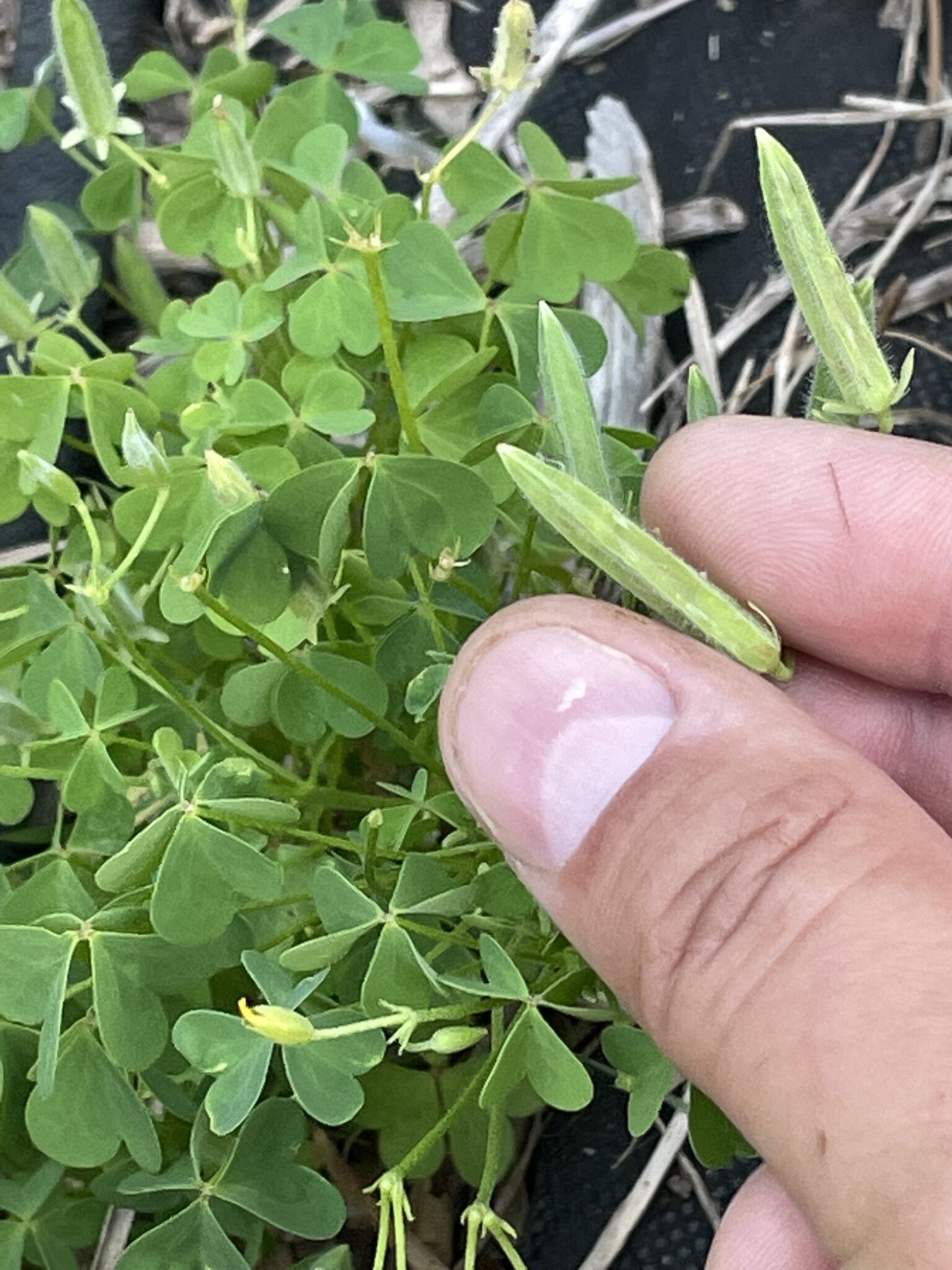
Wood sorrel (genus Oxalis) is a widespread, edible plant found on nearly every continent, valued for its distinctively tart, lemon-like flavor. While often mistaken for clover, wood sorrel is perfectly safe to consume in moderation when properly identified and prepared, providing a nutritious addition to culinary dishes. Its safety is rooted in its historical usage as a food source, provided that individuals understand its chemical composition and the importance of correct botanical identification.
Understanding the Botanical Identity of Wood Sorrel
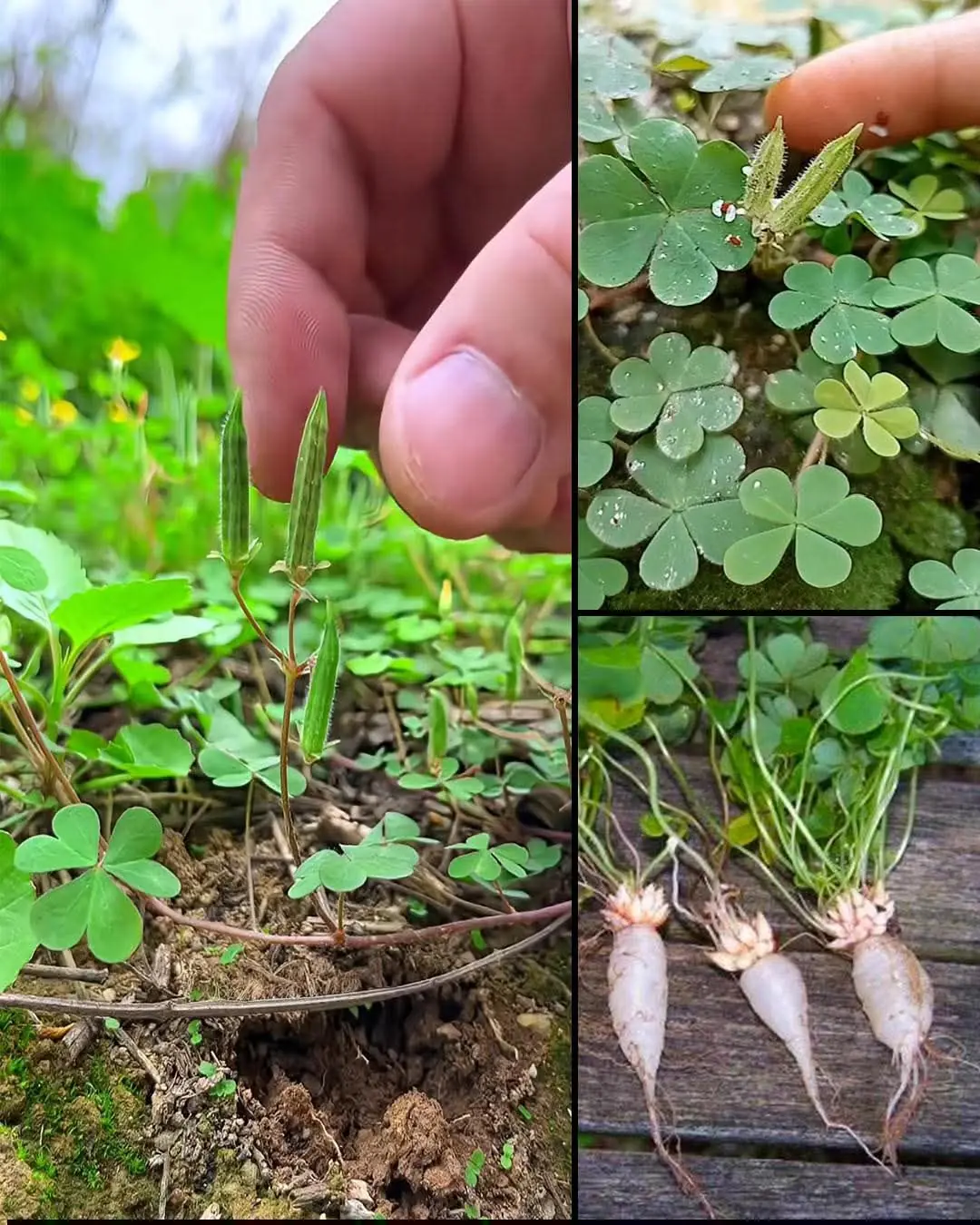
To eat wood sorrel safely, you must first distinguish it from other plants that look superficially similar, most notably white clover (Trifolium repens). Wood sorrel is characterized by its heart-shaped, tripartite leaves—meaning each leaf consists of three leaflets joined at the base. Unlike clover, which often features a white "V" or crescent marking on its leaflets, wood sorrel leaves are typically uniform in color, ranging from bright green to deep purple depending on the species and light exposure.
One of the most reliable identification methods is observing the flowers and seed pods. Wood sorrel produces small, five-petaled flowers that can be yellow, white, or pink. After pollination, the plant develops elongated, capsule-like seed pods that stand upright. If you are unsure about the identity of a plant in your garden or a wild patch, it is essential to use a regional flora guide or consult with a local botanist. Never consume a plant unless you are 100% certain of its identity, as accidental ingestion of look-alikes can pose health risks.
The Chemistry of Consumption: Oxalic Acid Explained
The primary concern regarding the safety of wood sorrel—and the reason for the "in moderation" caveat—is the presence of oxalic acid. Oxalic acid is a naturally occurring organic compound found in many common vegetables, including spinach, kale, and rhubarb. In wood sorrel, it is responsible for the plant's signature tangy, acidic taste.
When ingested in large quantities, oxalic acid can bind to calcium in the body, forming calcium oxalate crystals. Over time, these crystals may contribute to the formation of kidney stones in susceptible individuals or interfere with the absorption of essential minerals. However, for most healthy individuals, consuming small amounts of wood sorrel as a garnish or an occasional salad ingredient is perfectly safe and poses no health threat. The body is highly efficient at processing and excreting these compounds through the renal system.
Who Should Exercise Caution?
While the general population can safely consume wood sorrel, certain individuals should approach it with higher scrutiny:
- Individuals with a history of kidney stones: If you are prone to calcium oxalate kidney stones, it is advisable to minimize intake of foods high in oxalic acid.
- Individuals with gout or rheumatoid arthritis: High intake of oxalates can theoretically exacerbate inflammation in some people with these conditions.
- Individuals with pre-existing renal issues: Those with compromised kidney function should consult a healthcare provider before adding new high-oxalate foods to their diet.
Nutritional Profile and Culinary Utility
Wood sorrel is more than just a novelty; it is a nutrient-dense wild edible. It is rich in Vitamin C, which serves as a potent antioxidant, and contains various carotenoids that contribute to overall immune support. Historically, it was used by many indigenous cultures and early settlers not only for its flavor but as a preventative measure against scurvy due to its high ascorbic acid content.
In the kitchen, wood sorrel is incredibly versatile. Because of its tart profile, it functions similarly to a lemon or vinegar. You can incorporate it into your diet in several ways:
- Fresh Garnishes: Sprinkle fresh leaves and flowers over salads to add a pop of color and citrusy zest.
- Infusions: Steep the leaves in water to create a tart, tea-like beverage.
- Compound Butters: Finely chop the leaves and fold them into softened butter to create a unique spread for fish or roasted vegetables.
- Cooked Dishes: While the flavor is best when fresh, you can add wood sorrel to soups or stews at the very end of the cooking process to maintain its bright, acidic character.
Comparing Wood Sorrel and White Clover
Confusion between wood sorrel and white clover is the most frequent cause of concern for novice foragers. The following table highlights the critical differences to ensure safe identification.
| Feature | Wood Sorrel (Oxalis) | White Clover (Trifolium) |
|---|---|---|
| Leaf Shape | Heart-shaped (notched at the tip) | Rounded or oval (no notch) |
| Leaf Markings | Uniform, solid color | Often has a white "V" chevron |
| Flower Structure | 5 petals | Dense, spherical head of tiny flowers |
| Growth Habit | Often found in shaded or semi-shaded areas | Common in full sun, lawns, and meadows |
| Edibility | Entire plant is edible | Leaves and flowers are edible |
Best Practices for Harvesting and Safety
Safe consumption starts with harvesting from a clean environment. Wood sorrel is a common "weed" that thrives in lawns, flower beds, and forest edges. Regardless of where you harvest, follow these fundamental safety rules:
- Avoid Contaminated Sites: Never pick wood sorrel from areas treated with pesticides, herbicides, or synthetic fertilizers. Additionally, avoid harvesting near roadsides where the plant may have accumulated heavy metals or exhaust particulates.
- Wash Thoroughly: Even if the plant appears clean, always rinse it under cold, running water to remove soil, insects, and potential bacteria.
- Harvest Sustainably: Only take what you need. Wood sorrel is a hardy plant, but leaving a significant portion of the colony intact ensures that the population will continue to thrive and provide for pollinators.
- Test for Sensitivity: If you are eating wood sorrel for the first time, start with a very small amount to ensure that you do not have an individual sensitivity to the plant's compounds.
Frequently Asked Questions
Is it safe to eat wood sorrel every day?
For most people, small amounts consumed occasionally are harmless. However, daily consumption in large quantities is not recommended due to the cumulative effect of oxalic acid. Treat it as a culinary herb or garnish rather than a primary vegetable staple.
Can I eat the flowers of the wood sorrel plant?
Yes, the flowers are edible and share the same tart, lemony flavor as the leaves. They are excellent for decorating desserts or adding a visual element to cold salads. Ensure they are free of debris and insects before consumption.
How do I know if a wood sorrel species is toxic?
There are no common "toxic" species of Oxalis that are dangerous in the way that poisonous look-alikes like hemlock are. However, because some species may contain higher concentrations of oxalic acid than others, sticking to the common yellow and purple wood sorrel found in your local area is the safest path.
Does cooking reduce the oxalic acid content?
Cooking, particularly boiling, can reduce the levels of water-soluble oxalates in plants, as some of the acid leaches into the cooking water. However, the primary strategy for safety remains portion control rather than relying on cooking methods to mitigate potential risks.
What should I do if I think I have accidentally ingested a look-alike?
If you suspect you have consumed a toxic plant rather than wood sorrel, do not wait for symptoms to appear. Contact a local poison control center or seek medical attention immediately. Take a sample of the plant with you to help professionals with identification.
Final Recommendation for Safe Enjoyment
To incorporate wood sorrel into your diet safely, start by becoming proficient in botanical identification. Use a field guide or a trusted botanical app to verify the heart-shaped leaves and yellow flowers in your specific region. Once identified, treat wood sorrel as a flavoring agent rather than a bulk food item. By practicing moderate consumption and ensuring you harvest from clean, chemical-free environments, you can enjoy the unique, refreshing zest of this wild plant safely and sustainably throughout the growing season. If you have any underlying health conditions, particularly regarding kidney function, consult your primary care physician before adding new, high-oxalate foods to your regular dietary routine.
Image Gallery
Select an image to open it in a new tab.
Ingrid Bjornson
Global Cyber Policy and Regulation Analyst
