
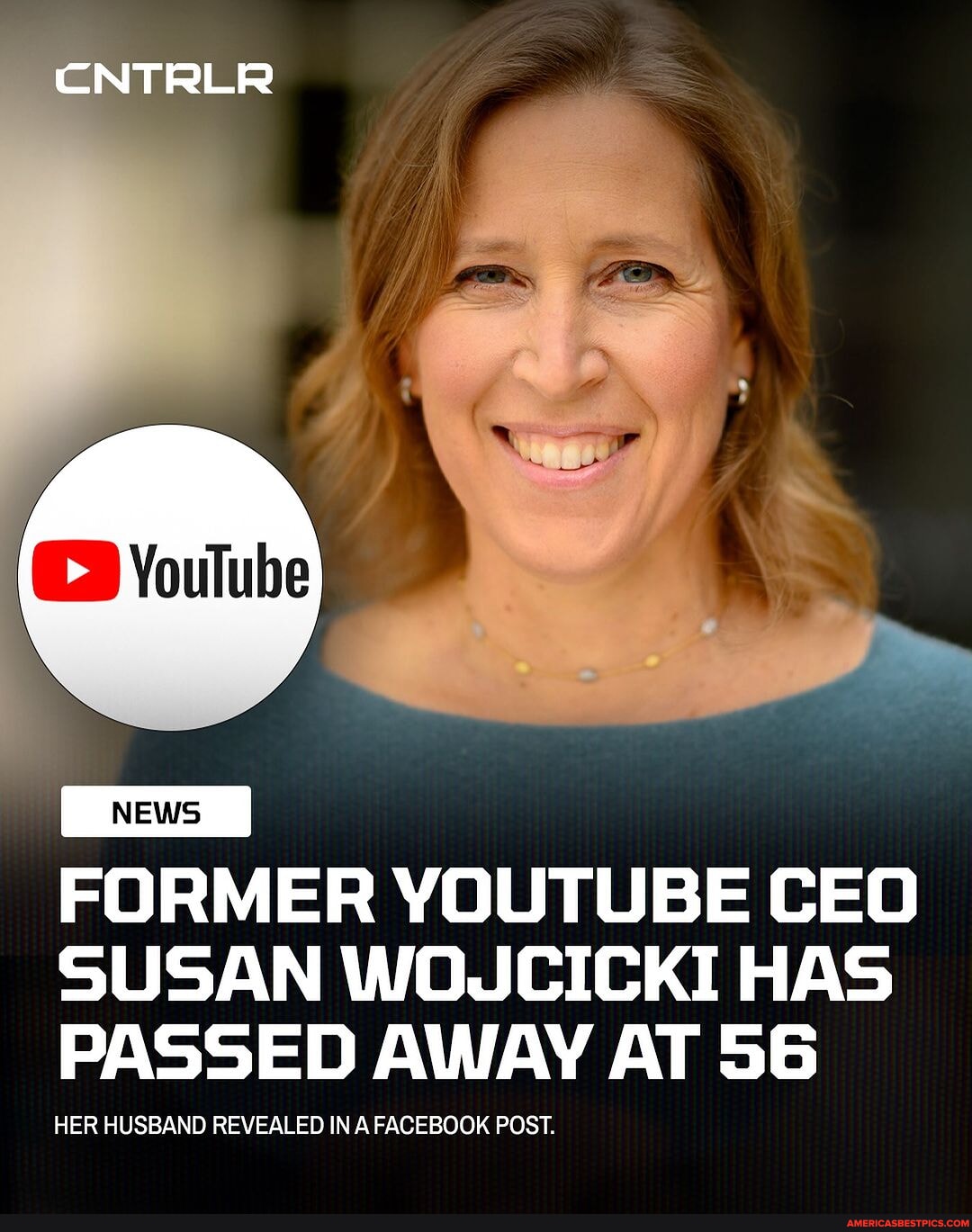
Susan Wojcicki stepped down as CEO of YouTube in February 2023, concluding a nearly decade-long tenure at the helm of the world’s largest video platform. Her departure marked the end of an era defined by rapid monetization growth, the implementation of complex content moderation policies, and the navigation of significant geopolitical and cultural challenges. Her decision was driven primarily by a desire to focus on her personal life, health, and family, while ensuring a smooth leadership transition to her successor, Neal Mohan.
A Legacy of Leadership and Growth
To understand why Susan Wojcicki left, it is necessary to contextualize the magnitude of her role. Wojcicki was not merely an executive; she was a foundational figure in the history of Google. She was the person who rented her garage to Larry Page and Sergey Brin in 1998, becoming the company’s 16th employee and its first marketing manager. After leading the acquisition of YouTube in 2006—a deal she famously championed—she transitioned to become its CEO in 2014.
During her tenure, she oversaw the expansion of YouTube from a video-sharing site into a global economic ecosystem. Under her guidance, the company launched subscription services like YouTube Premium and YouTube Music, diversified revenue streams through the YouTube Partner Program, and navigated the transition toward short-form content with the introduction of YouTube Shorts. By the time she stepped down, YouTube had become a critical pillar of Alphabet’s revenue, reporting billions of dollars in quarterly earnings.
The Stated Reasons for Departure
In a communication addressed to the YouTube team, Wojcicki cited a need to start a "new chapter" focused on her family, health, and personal projects. After twenty-five years at Google and nine years leading YouTube, she expressed a desire to disconnect from the high-pressure environment of executive management.
This transition was framed as a deliberate shift rather than a reactionary exit. Throughout her leadership, Wojcicki balanced the demands of managing one of the internet's most scrutinized companies with raising five children. In her announcement, she noted that the timing felt appropriate because she had built an incredible leadership team that was prepared to take the platform into its next phase of maturity.

Navigating a High-Pressure Environment
The role of a Big Tech CEO is inherently grueling. During her time at YouTube, Wojcicki faced immense, multifaceted challenges that rarely afforded quiet periods. Understanding the nature of these pressures provides context for why an executive of her standing would choose to step away after nearly a decade in the top seat.
Content Moderation and Policy Challenges
YouTube serves as a global town square, and under Wojcicki, the platform was forced to grapple with its responsibility in spreading misinformation, hate speech, and extremist content. The "Adpocalypse" of 2017, where major advertisers pulled spending due to their ads appearing alongside problematic content, required a fundamental overhaul of YouTube’s monetization and recommendation algorithms. This period involved intense scrutiny from lawmakers, NGOs, and the public, requiring the CEO to testify and defend the platform’s operations repeatedly.
Competition and Evolving User Behavior
The rise of TikTok fundamentally changed the short-form video landscape. Wojcicki had to oversee a pivot that prioritized YouTube Shorts, a strategic shift that involved significant internal restructuring and technical development. Constant vigilance was required to maintain YouTube’s market share against aggressive competition, adding a layer of strategic stress to the operational management of the business.
Operational Scale
Managing a platform with billions of logged-in users monthly entails managing complex legal, regulatory, and technical systems. From navigating the European Union’s Digital Services Act to handling copyright enforcement systems like Content ID, the sheer scale of the operation meant that Wojcicki was constantly engaged in high-stakes problem-solving that carried significant financial and social consequences.
Comparison of Leadership Transitions at YouTube
The transition from Wojcicki to Neal Mohan represents a shift from a founding-era leader to a long-term product-focused executive. The following table highlights the nature of these transitions within the context of Alphabet’s corporate strategy.
| Feature | Susan Wojcicki (2014–2023) | Neal Mohan (2023–Present) |
|---|---|---|
| Primary Focus | Establishing the business model and scaling global operations. | Focusing on product innovation and AI integration. |
| Key Challenge | Defining the platform’s role in content regulation. | Scaling Shorts and managing emerging AI threats. |
| Experience | Foundational Google employee/Marketing background. | Senior product lead/Head of YouTube Product. |
| Management Style | Steady, foundational leadership through institutional growth. | Iterative, product-centric approach to user engagement. |
The Role of Succession Planning
A crucial component of Wojcicki’s exit was the deliberate nature of the succession. Neal Mohan, who served as Chief Product Officer, had worked closely with Wojcicki for nearly 15 years, starting at DoubleClick before moving to Google and then YouTube.
By grooming a successor who was already deeply embedded in the YouTube culture and strategy, Wojcicki ensured that the organization remained stable during the handover. This type of "planned transition" is typical of high-performing executives who prioritize the long-term health of the company over personal tenure. For an organization of YouTube’s size, abrupt departures can cause stock volatility and internal morale issues. Wojcicki’s ability to orchestrate an orderly handover allowed the company to maintain its momentum in the eyes of shareholders and creators alike.
Life After the CEO Role
Since leaving the CEO position, Wojcicki has remained connected to the technology sector as an advisor to Google and Alphabet. This role allows her to provide strategic guidance without the day-to-day burdens of operational decision-making. Her transition to an advisory role is a common path for senior leaders who wish to maintain their professional influence while gaining autonomy over their schedules.
It is worth noting that the transition was not accompanied by significant conflict or corporate scandal. Her tenure ended on a high note, with the platform reaching record viewership and engagement levels. This provided a rare "soft landing" for a tech executive, allowing her to exit on her own terms rather than under external pressure.
Frequently Asked Questions
1. Was Susan Wojcicki forced to leave YouTube?
No. There is no evidence suggesting that Wojcicki was forced out. Her departure was described as a voluntary decision made to focus on family and personal health after a long career, and it was structured as an orderly transition to a long-time colleague.
2. Who replaced Susan Wojcicki?
Neal Mohan replaced her as the CEO of YouTube. Mohan previously served as YouTube’s Chief Product Officer and had been a long-time deputy to Wojcicki throughout their time at Google.
3. What is Susan Wojcicki doing now?
Following her departure from the CEO role, she transitioned into an advisory role for Google and Alphabet. This allows her to maintain a relationship with the company she helped build while stepping away from the daily operations of YouTube.
4. What was the "Adpocalypse" and how did it affect her tenure?
The "Adpocalypse" refers to a series of events starting in 2017 when advertisers withdrew their support from YouTube due to concerns that their ads were appearing alongside offensive content. This forced Wojcicki to oversee significant changes to YouTube’s monetization policies and content moderation tools.
5. What is the most significant legacy of her time at YouTube?
Her legacy is largely defined by the transformation of YouTube into a mature, profitable business. She oversaw the professionalization of the creator economy, the development of sophisticated subscription models, and the stabilization of the platform through a period of intense public and regulatory scrutiny.
Recommendation for Further Inquiry
For those interested in the evolution of digital platforms, the most productive next step is to examine the specific shifts in product strategy under current leadership. Compare the annual YouTube "Brandcast" presentations from the late Wojcicki era against those released in 2025 and 2026 to see how the platform's messaging toward advertisers has evolved regarding AI-generated content and new monetization features.
Image Gallery
Select an image to open it in a new tab.




Simon Caldwell
Enterprise Technology and Systems Editor
