
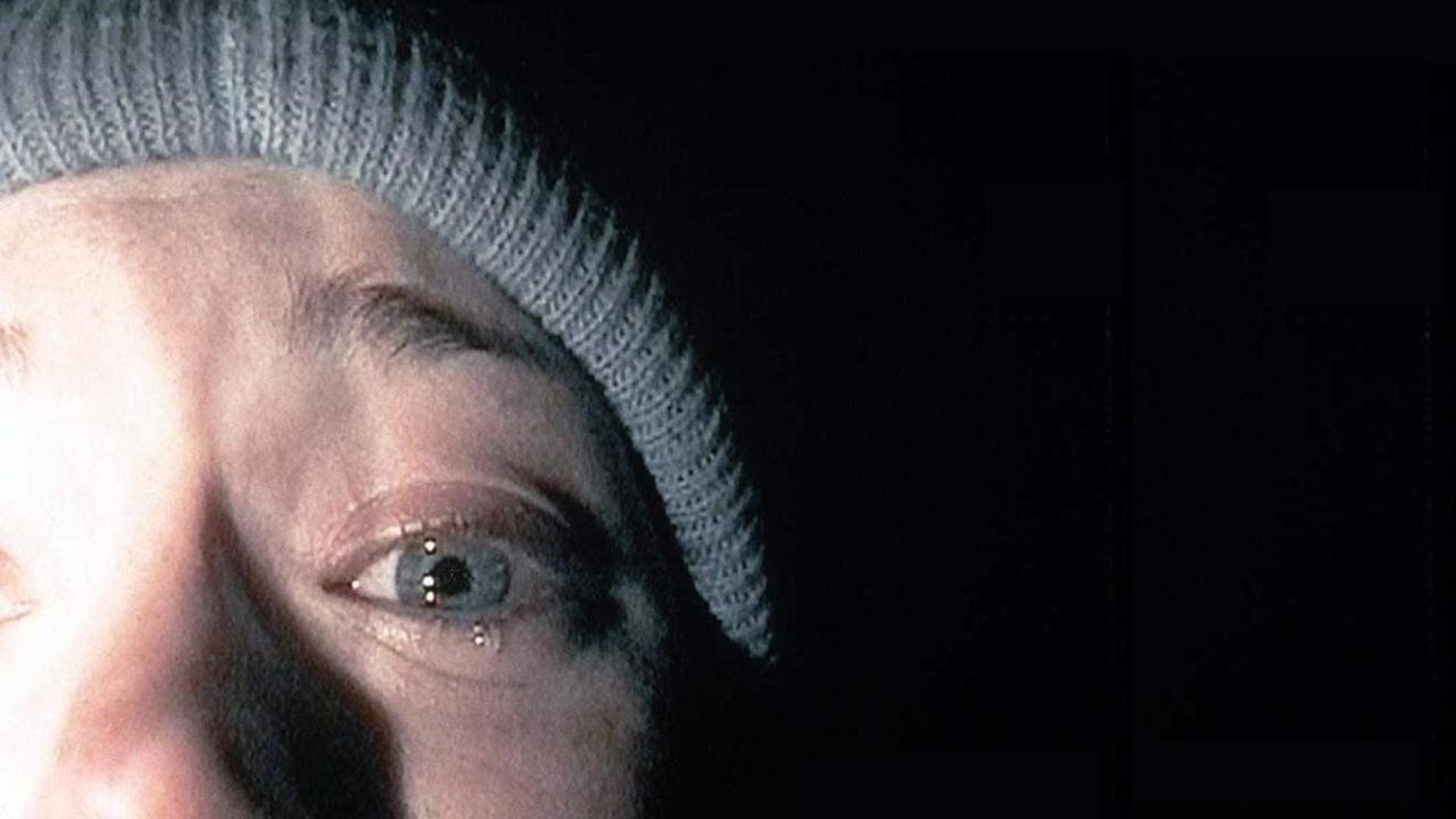
The most iconic scenes from The Blair Witch Project (1999) rely on psychological dread rather than overt gore, centering on the infamous "corner scene," the discovery of stick figures, and the final sequence in the basement. These moments defined the found-footage subgenre by blurring the line between cinematic fiction and authentic, terrifying reality.
Defining the Aesthetic of Found Footage
To understand the impact of scenes in The Blair Witch Project, one must first acknowledge the technical constraints that birthed its unique aesthetic. Directors Daniel Myrick and Eduardo Sánchez utilized 16mm film for the "professional" documentary portions and Hi8 video for the "verite" footage shot by the characters themselves. This dual-format approach created a visual dissonance; the grain and instability of the Hi8 cameras made the characters’ disorientation feel visceral to the audience.
The genius of the film’s most memorable scenes lies in what is withheld. Unlike traditional horror cinema, where the camera is an omniscient observer, the camera in this film is a character’s lifeline. When the characters run, the camera shakes; when they hide, the frame goes dark. By limiting the viewer's field of vision to the narrow, flickering beam of a flashlight or the jittery viewfinder of a camera, the directors forced the audience to project their own fears into the shadows.
The Anatomy of the Most Famous Scenes
Several specific sequences have cemented their place in horror history. These scenes do not rely on high-budget special effects but on the human capacity to fear the unknown.
The Discovery of the Stick Figures
Early in the film, the protagonists—Heather, Mike, and Josh—find crude stick figures hanging in the woods. This moment represents the shift from a lighthearted documentary project to a descent into supernatural madness. The figures serve as an early warning, a tangible piece of evidence that someone—or something—is observing them. The effectiveness of this scene is rooted in the "uncanny": the objects are mundane, yet their presence in the deep woods is profoundly wrong.
The Nightly Harassment
The scenes involving the sounds of children laughing, footsteps outside the tent, and the unseen forces shaking their shelter at night are masterclasses in sound design. Because the audience never sees the source of these disturbances, the fear remains internalized. The characters’ reactions—crying, screaming, and whispering—are reportedly genuine, as the directors withheld food and sleep from the actors during production to elicit authentic physical and emotional exhaustion.
The Corner Scene
The climax of the film, involving the basement of the Rustin Parr house, is perhaps the most scrutinized moment in horror history. As Mike stands facing the corner, his back to the camera, the audience is left to wonder what he sees—or if he is being influenced by an unseen entity. This shot mimics the legend of Rustin Parr, who allegedly made his victims stand in the corner while he murdered their companions. The ambiguity of this final frame remains a point of intense discussion among fans, as it provides no definitive answer, leaving the viewer trapped in the same hopelessness as the protagonist.
Comparative Analysis of Blair Witch Sequences
The following table outlines the psychological impact and technical composition of the film’s most pivotal moments.
| Scene | Primary Horror Element | Visual Style | Psychological Impact |
|---|---|---|---|
| Stick Figures | Ominous symbolism | Wide shot / Stills | Disorientation |
| Tent Harassment | Auditory anxiety | Blackout / Audio-heavy | Helplessness |
| Map Destruction | Loss of navigation | Close-up | Panic / Isolation |
| Final Corner | The unseen/Supernatural | Static, low-light | Absolute Dread |
Production Logistics and Technical Realism
The "authenticity" of The Blair Witch Project was not an accident; it was a result of strict production rules. The actors were given cameras and instructions, but they were also given a "mythology" packet. They were essentially participating in a live-action role-playing game where the filmmakers would physically move around the woods at night to rattle their tents or leave piles of rocks.
This methodology meant that the reactions captured on film were largely improvised. When the characters get lost or argue about the map, they are experiencing real frustration. This level of dedication to the conceit ensured that the "scenes" were not just scripted dialogue but legitimate responses to environmental stressors. In 2026, as high-definition digital cameras are standard in every mobile device, the lo-fi aesthetic of The Blair Witch Project serves as a reminder that technical imperfection often enhances the viewer’s immersion.
The Role of Location and Sound Design
The woods of Burkittsville, Maryland, serve as the fourth main character of the film. The choice to film in a dense, claustrophobic forest environment prevents the characters from ever truly gaining a sense of scale or direction. The lack of open horizons keeps the tension tightly coiled.
Furthermore, the sound design is essential to the film's "scenes." Without a musical score to cue the audience on when to feel scared, the filmmakers relied on the natural sounds of the woods. A snap of a twig or the crunching of leaves underfoot becomes a heart-pounding event. This reinforces the primary intent of the film: to make the audience feel as though they are not watching a movie, but viewing an actual recovered archive of a tragic disappearance.
Common Misconceptions and Troubleshooting the Viewing Experience
A common error modern viewers make is attempting to analyze the "logic" of the camera operators. Critics often ask why the characters keep filming when they are clearly in mortal danger. The answer lies in the characters' psychological state: for Heather, the camera is her only objective connection to reality. Her obsession with finishing the film is a defense mechanism against the overwhelming terror of the woods. Understanding this character motivation is key to appreciating the scenes rather than critiquing them as illogical plot devices.
If you are revisiting these scenes today, consider the original aspect ratio and the intended viewing environment. Watching these sequences on a high-brightness, high-contrast modern television can sometimes strip away the "muddy" quality that made the 16mm and Hi8 footage feel so grounded. To regain the intended experience, ensure your display settings emphasize shadow detail without artificially brightening the dark scenes, as the loss of detail is a crucial component of the film’s visual language.
Frequently Asked Questions
Why does the final scene feature the character facing the corner? The corner scene is a direct reference to the lore of the fictional Rustin Parr, a child murderer mentioned earlier in the film. By having Mike stand in the corner, the film suggests he has fallen under the same supernatural influence as the historical victims, providing a terrifying sense of cyclical history.
Are the reactions in the scenes scripted? Most of the emotional reactions were not scripted. The actors were subjected to intentional sleep deprivation and isolation, leading to genuine breakdowns and arguments that were captured in real-time by the cameras they carried.
Why is the camera quality so low? The directors intentionally chose Hi8 video and 16mm film to maintain a documentary "verite" style. This low-fidelity look was essential to convince 1999 audiences that the footage was legitimate evidence, a technique that remains a hallmark of the found-footage subgenre.
Was the Blair Witch ever actually shown? No. The film succeeds precisely because it never shows a monster. The terror is entirely derived from the characters' descent into madness and the unsettling artifacts left behind, such as the stick figures and the bundles found in the woods.
Is it possible to visit the filming locations today? While the "Rustin Parr house" used in the film was a set that was demolished shortly after production, much of the Black Rock Forest and surrounding areas in Maryland remain accessible to hikers. However, it is important to respect private property lines, as many of these areas are now protected or under private ownership.
Recommendation for Further Appreciation
To fully grasp the construction of these scenes, watch the film with the original directors' commentary enabled. They explain the specific challenges of shooting in the wilderness with limited supplies and the logistical difficulties of "scaring" the actors without revealing the crew's position. Understanding the effort required to make these scenes look "amateur" provides a deeper appreciation for the high level of technical planning that went into every jittery, unpolished frame.

Image Gallery
Select an image to open it in a new tab.



Lars Thomsen
Global Labor Markets and Economic Strategy Editor
