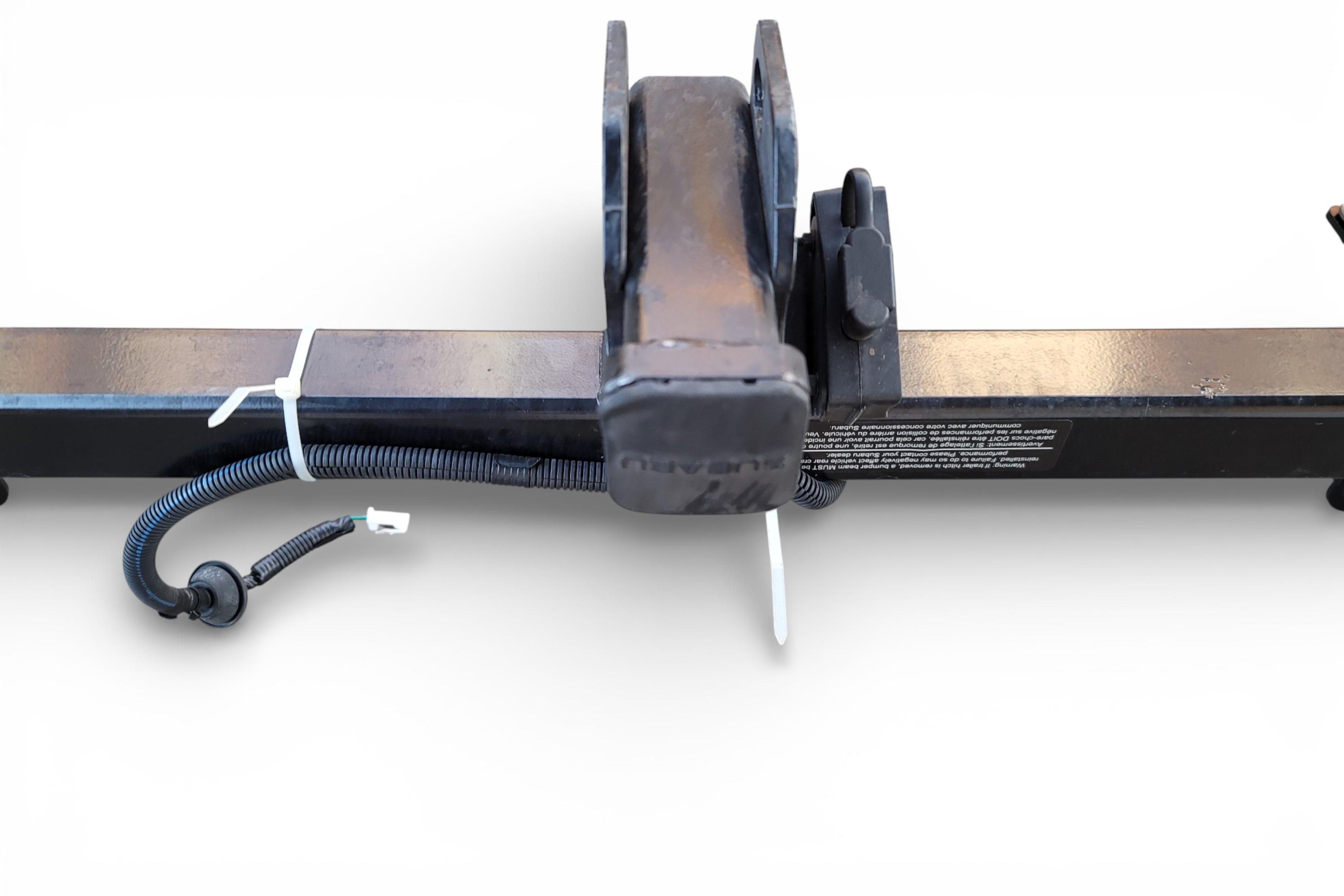
The 2021 Subaru Crosstrek is rated for a maximum towing capacity of 1,500 pounds when properly equipped. This capacity is consistent across the model lineup, though real-world performance is heavily influenced by engine choice, tongue weight, trailer aerodynamics, and the overall load distribution of the vehicle.
Defining the Towing Capacity of the 2021 Crosstrek
When evaluating the 2021 Subaru Crosstrek for towing, it is essential to distinguish between the vehicle’s mechanical capability and its official rating. Subaru officially rates the 2021 Crosstrek to tow up to 1,500 pounds. This rating applies to all trim levels, including the standard 2.0-liter engine and the more robust 2.5-liter engine introduced for the 2021 model year on Sport and Limited trims.
It is important to note that this 1,500-pound limit is considered "light-duty." This classification means the vehicle is intended for towing small utility trailers, lightweight jet-ski trailers, or small teardrop campers. It is not designed for heavy-duty towing, such as large travel trailers, car haulers, or horse trailers. Attempting to exceed this manufacturer-specified limit risks damage to the Continuously Variable Transmission (CVT), engine cooling systems, and suspension components, while also voiding safety-related warranties.
The Role of Powertrain and Transmission
The 2021 Crosstrek offers two distinct engine options: the 2.0-liter 4-cylinder Boxer engine (producing 152 horsepower) and the 2.5-liter 4-cylinder Boxer engine (producing 182 horsepower). While both are rated for the same 1,500-pound maximum, the driving experience under load differs significantly.
The 2.5-liter engine provides more torque—176 lb-ft compared to the 145 lb-ft in the 2.0-liter version. In towing scenarios, torque is far more important than horsepower. The extra torque in the 2.5-liter engine allows the vehicle to maintain highway speeds more effectively on inclines and provides better acceleration when merging into traffic while hauling a trailer.
Both engines are paired with a Lineartronic CVT. A CVT does not have traditional fixed gears, which can feel unusual when towing. Because the transmission adjusts gear ratios infinitely, you may notice the engine rpm climbing significantly during steep climbs. This is a normal functional characteristic of the transmission’s design to maintain power delivery, but it can create more cabin noise than a traditional geared automatic transmission.
Technical Requirements for Safe Towing
To reach the 1,500-pound capacity, you must ensure the vehicle is correctly set up. You cannot simply attach a ball hitch to the bumper; you require a dedicated trailer hitch receiver.
- Hitch Class: You must use a Class I or Class II hitch receiver. The Crosstrek’s frame is not designed for the heavy tongue weights associated with Class III or IV hitches, and using an oversized hitch will not increase your towing capacity.
- Wiring Harness: To comply with road safety regulations, you must install a 4-pin flat wiring harness. This connects your vehicle's lighting system to the trailer, ensuring your brake lights and turn signals are visible to other motorists.
- Tongue Weight: A critical, often overlooked factor is tongue weight—the downward force the trailer tongue exerts on the hitch. Generally, this should be 10–15% of the total trailer weight. For the Crosstrek, even if your trailer weighs only 1,200 pounds, you must ensure the tongue weight does not exceed the vehicle’s specific receiver limits, which are usually rated for a maximum of 150 pounds of vertical load.
Handling and Driving Dynamics Under Load
Towing with a crossover SUV like the Crosstrek requires a different driving approach than driving solo. The 2021 Crosstrek has a relatively short wheelbase. While this makes it maneuverable, it also makes the vehicle more susceptible to "trailer sway" if the load is not balanced correctly.
When towing, the vehicle’s center of gravity shifts. You should pack the heaviest items in the trailer as close to the axle as possible. Placing too much weight behind the trailer axle can cause the rear of the vehicle to become light, leading to a loss of traction and stability, especially during emergency braking or cornering.
Additionally, because the Crosstrek is lightweight, a trailer approaching the 1,500-pound limit can easily "push" the vehicle during braking. You must increase your following distance significantly—at least double what you would normally use—to account for the increased stopping distance.
Comparison of Towing Variables
The following table outlines how different load scenarios impact the 2021 Crosstrek’s operational limits.
| Variable | Light Load (<500 lbs) | Mid Load (800-1,200 lbs) | Max Load (1,500 lbs) |
|---|---|---|---|
| Engine Stress | Minimal | Moderate | High (High RPMs on hills) |
| Braking Distance | Slightly increased | Noticeably increased | Significant increase |
| Handling | Near-normal | Requires steering care | Requires defensive driving |
| Fuel Economy | Minor drop | 15–25% reduction | 25–35% reduction |
Operational Limitations and Safety Tips
- Avoid Overloading: Never exceed the Gross Vehicle Weight Rating (GVWR) of the vehicle. This includes the weight of the vehicle itself, all passengers, cargo in the cabin, and the tongue weight of the trailer. If your cabin is packed with heavy camping gear, your allowable towing capacity effectively decreases.
- Check Tire Pressure: Before towing, ensure your tires are inflated to the specifications listed on the driver’s side door jamb. Towing with under-inflated tires increases heat buildup, which can lead to tire failure.
- Monitoring Transmission Temperatures: While the 2021 Crosstrek does not have a dedicated transmission temperature gauge, extended towing in hot weather can stress the CVT. If you are towing frequently, consult with a Subaru service technician regarding whether an aftermarket transmission oil cooler is recommended for your specific usage patterns.
- Prohibited Towing: The Crosstrek is not designed to tow vehicles with a tow dolly or by flat-towing with the front wheels on the ground. Always use a trailer where the weight is fully supported by the trailer's own axles.
Frequently Asked Questions
Does the 2021 Crosstrek Sport or Limited tow more than the base model? No. Despite having a more powerful 2.5-liter engine, the structural limits of the chassis and the cooling capacity of the transmission remain rated at 1,500 pounds for all trims. The 2.5-liter engine simply handles that weight with more ease.
Can I install a brake controller on the 2021 Crosstrek? Most trailers under 1,500 pounds do not have electric brakes. However, if you are towing a trailer equipped with electric brakes, you would need to install an aftermarket electronic brake controller. Consult a professional installer to ensure the system is compatible with the vehicle’s sensitive CAN-bus electrical architecture.
Will towing void my warranty? Using your vehicle for its intended purpose—including towing up to its maximum rated capacity—does not void your factory warranty. However, if damage is caused specifically by towing more than the 1,500-pound limit, or by failing to maintain the vehicle properly while towing, that specific repair may be denied coverage.
How does Subaru’s All-Wheel Drive (AWD) affect towing? The Symmetrical All-Wheel Drive system is an advantage when towing, especially on slippery surfaces or loose boat ramps. It provides better traction than front-wheel-drive competitors, but it does not increase the towing capacity. It only helps you manage the traction required to move the weight you are legally allowed to tow.
Can I use a weight distribution hitch? Subaru generally recommends against using weight distribution hitches on the Crosstrek. These devices are designed for larger trucks and SUVs and can exert forces on the unibody frame of the Crosstrek that it was not designed to withstand.
Final Recommendations
If you are planning to tow with your 2021 Subaru Crosstrek, verify the weight of your trailer—including the trailer’s dry weight and the weight of any cargo you plan to carry—before your first trip. Use a local scale to weigh the fully loaded trailer to ensure you are under the 1,500-pound limit. For owners who plan to tow on a regular basis, schedule more frequent inspections of your CVT fluid and brake pads, as towing accelerates the wear on these critical components. Always prioritize safety by maintaining lower speeds and allowing for substantial stopping distances.

Image Gallery
Select an image to open it in a new tab.
Lars Thomsen
Global Labor Markets and Economic Strategy Editor
