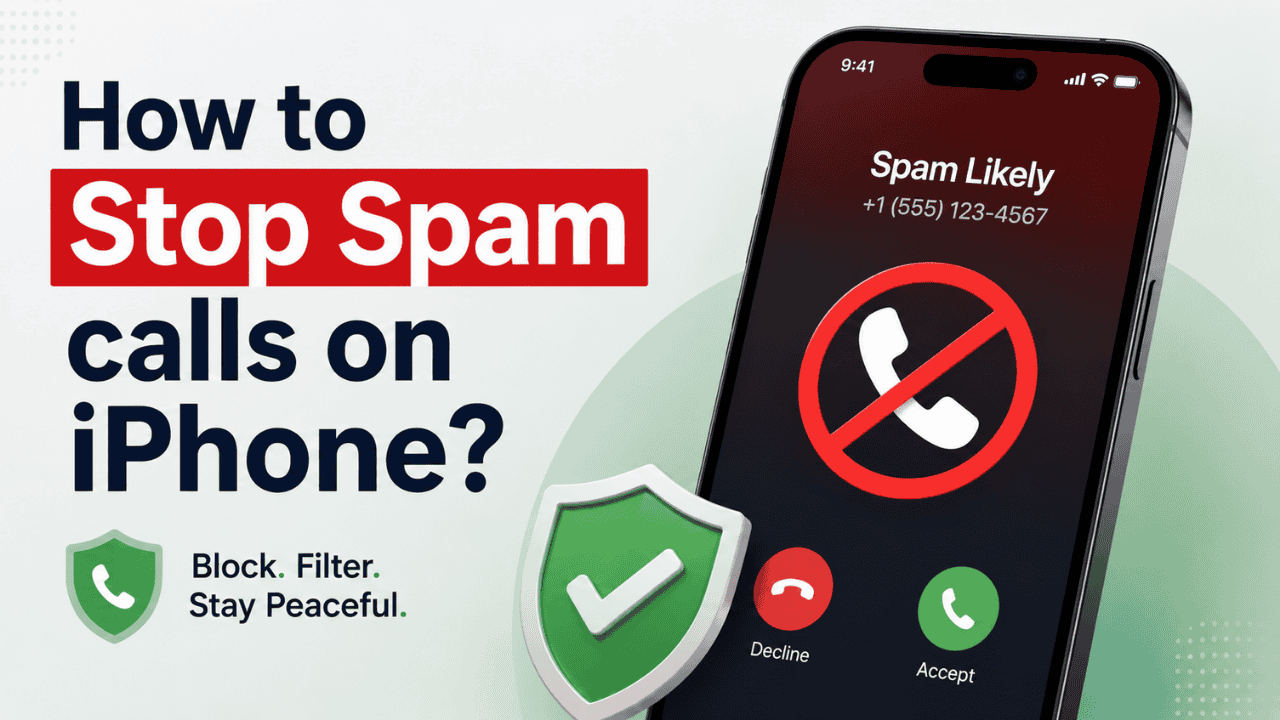
Stopping spam calls about loans requires a multi-layered defense combining carrier-level filtering, device settings, national registries, and strict personal data hygiene. These nuisance calls typically originate from predatory lenders, lead-generation brokers, or outright financial scammers looking to exploit individuals seeking debt consolidation, personal loans, or emergency cash.
To permanently reduce or eliminate these interruptions, you must cut off their data pipelines, block their numbers dynamically, and report violations to appropriate regulatory authorities.
Understanding the Nature of Loan Spam Calls
Loan spam calls are rarely legitimate offers from reputable banking institutions. Instead, they usually fall into three categories: advance-fee loan scams, predatory subprime lenders, and lead aggregators who harvest phone numbers and sell them to dozens of telemarketers simultaneously.
Why You Are Receiving Loan Calls
When you fill out an online form seeking financial help, compare loan rates on an unverified aggregator website, or miss a payment on an existing debt, your contact information often enters a digital marketplace. Data brokers buy and sell these consumer profiles, categorizing individuals as "high intent" or "financially distressed." Scammers and aggressive brokers then deploy automated dialing systems (robocalls) to pitch high-interest installment loans, debt relief programs, or guaranteed approvals regardless of credit score.
The Legal Framework and Enforcement
In many jurisdictions, automated telemarketing without prior express written consent violates consumer protection laws. For instance, in the United States, the Telephone Consumer Protection Act (TCPA) and the Telemarketing Sales Rule (TSR) enforced by the Federal Trade Commission (FTC) and the Federal Communications Commission (FCC) place strict limitations on automated dialing and prerecorded messages. However, because many loan spammers operate overseas or use spoofed caller IDs, regulatory enforcement alone rarely stops the calls immediately, making personal technical defenses essential.
Step-by-Step Defense Strategy to Stop Loan Calls
A comprehensive approach is necessary because no single tool catches every spam call. Implementing these layers systematically ensures maximum protection.
1. Register with National Do Not Call Lists
While national registries will not stop illegal robocallers who ignore the law, they legally obligate legitimate businesses and licensed lenders to scrub your number from their marketing lists.
- United States: Register your mobile and landline numbers for free on the National Do Not Call Registry managed by the FTC.
- Other Jurisdictions: Utilize equivalent government registries, such as the Telephone Preference Service (TPS) in the United Kingdom or the National Do Not Call Register in Australia.
2. Enable Carrier-Level Call Filtering
Major telecommunications providers offer network-level tools that intercept known scam numbers before your phone even rings. Contact your carrier or check their mobile application to activate these services:
- AT&T: Active Call Protect
- Verizon: Call Filter
- T-Mobile: Scam Shield
These services analyze call patterns, network traffic anomalies, and known scam databases to label incoming calls as "Spam Likely" or block them outright.
3. Configure Built-In Device Settings
Both iOS and Android operating systems feature native tools designed to silence unknown callers.
- iOS (iPhone): Go to Settings > Phone, scroll down, and toggle on Silence Unknown Callers. This sends calls from numbers not in your contacts straight to voicemail, while allowing calls from people you have recently called, Siri suggestions, and saved contacts.
- Android: Open the Phone app, tap the three-dot menu, go to Settings > Blocked numbers, and toggle on Unknown to block calls from unidentified callers. Additionally, enable Caller ID & Spam protection within the phone settings.
4. Install Third-Party Call Blockers
If your carrier or device settings do not catch enough spam, dedicated third-party applications can supplement your protection. Apps like Truecaller, Hiya, or RoboKiller maintain extensive, crowdsourced databases of active loan spam numbers. They update their blocklists automatically and allow you to report new scam numbers instantly.

Comparison of Call Defense Methods
| Defense Method | Setup Complexity | Cost | Effectiveness Against Spoofed Numbers | Impact on Legitimate Unknown Calls |
|---|---|---|---|---|
| National Do Not Call Registry | Low | Free | Low (Ignored by illegal spammers) | None |
| Carrier-Level Filtering | Low | Free / Included | High | Low (Occasional false positives) |
| Device "Silence Unknown" | Low | Free | Absolute (Blocks all unlisted numbers) | High (Misses doctors, delivery drivers) |
| Third-Party Call Apps | Medium | Free / Subscription | Moderate to High | Low |
Managing Your Data Hygiene to Prevent Future Calls
Stopping current calls is only half the battle; you must also stop feeding the data pipelines that generate them.
- Audit Online Financial Forms: Avoid entering your phone number on comparison websites that promise "instant loan matching" without clear privacy policies stating they will not sell your data.
- Read Privacy Disclosures: When signing up for financial apps or newsletters, look for opt-out checkboxes regarding data sharing with third-party marketing partners.
- Use a Burner Number for Inquiries: If you must test a financial service or request an online quote, use a secondary VoIP number (such as Google Voice) rather than your primary mobile number.
Frequently Asked Questions
Can I sue loan spammers under the Telephone Consumer Protection Act?
Yes, in the United States, consumers can often take legal action under the TCPA if callers use automated dialing systems or prerecorded messages without consent, especially after submitting a Do Not Call request. Document the calls by keeping detailed logs, recording dates, times, and exact transcripts or voicemails, and consult a consumer protection attorney.
Why do loan spam numbers keep changing their caller ID?
Scammers use a technique called "neighbor spoofing," where they manipulate the first six digits (area code and prefix) of the incoming phone number to match your own. This psychological trick increases the likelihood that you will answer the phone, believing it is a local call or someone you know.
Does blocking a loan spam number actually work?
Blocking individual numbers offers limited relief because modern spammers constantly rotate through pools of thousands of virtual numbers. However, blocking is still useful for persistent repeat callers, whereas network-level filtering and silencing unknown callers provide systemic protection against rotating numbers.
Are text message loan offers related to phone call spam?
Yes, SMS loan spam usually originates from the same lead-generation brokers and illegal operations. Do not click links inside these text messages, as they often lead to phishing websites designed to steal bank details or personal identification numbers. Instead, forward the message to 7726 (SPAM) to report it to your carrier.
Next Actions and Reporting
If you continue to receive aggressive loan harassment or suspect predatory lending practices, take immediate action by reporting the numbers to regulatory bodies. In the U.S., file a complaint with the Federal Communications Commission (FCC) regarding illegal robocalls or spoofing, and report financial fraud to the Federal Trade Commission (FTC) at ReportFraud.ftc.gov. Combine these reports with strict device silencing to reclaim control of your communications.
Image Gallery
Select an image to open it in a new tab.
Simon Caldwell
Enterprise Technology and Systems Editor
