
Receiving money safely requires choosing secure transfer methods, verifying the identity of the sender, and protecting personal financial data from interception, phishing, and unauthorized access. By implementing strict verification protocols, utilizing reputable payment gateways, and maintaining digital hygiene, you can safeguard your funds against modern financial fraud and cyber threats.
Transferring and receiving funds in the modern financial ecosystem involves a complex web of digital platforms, traditional banking channels, and peer-to-peer (P2P) networks. While technological innovations have made transactions instantaneous, they have also introduced sophisticated vectors for financial crime. Understanding how to receive money safely protects your personal assets, prevents unauthorized liability, and ensures compliance with relevant financial regulations.
Assessing the Security of Transfer Methods
Choosing the right channel to accept funds is the first and most critical defense against fraud. Different transfer methods carry distinct risk profiles, processing speeds, and fee structures. Understanding the mechanics of these platforms allows you to select options that balance convenience with robust security protections.
Traditional Bank Transfers and Wire Transfers
Bank-to-bank transfers, including automated clearing house (ACH) transfers and wire transfers, remain among the most secure methods for moving large sums of money. Because they operate within regulated banking networks, they are subject to strict compliance oversight, including anti-money laundering (AML) and know-your-customer (KYC) laws.
- ACH Transfers: Typically used for domestic transfers, direct deposits, and business payments. While highly secure, standard ACH transfers can take a few business days to clear, though same-day options are increasingly available.
- Wire Transfers: Ideal for large or international transactions. Domestic and international wire transfers require verification through secure banking credentials (such as SWIFT or routing numbers). Once executed, wire transfers are difficult to reverse, making them secure against chargeback fraud but vulnerable if sent to an unverified recipient.
When providing bank details to receive a transfer, you typically need to share your account number and routing number. While these numbers are necessary for legitimate transactions, exposing them to untrusted parties can lead to unauthorized ACH debits. Always verify that your banking institution offers account alerts and fraud monitoring.
Digital Wallets and Peer-to-Peer (P2P) Platforms
Peer-to-peer payment applications—such as PayPal, Venmo, Zelle, and Cash App—offer rapid transfers using linked bank accounts, debit cards, or digital balances. However, their security heavily depends on how you configure your account and who you transact with.
- Zelle: Integrated directly into many banking apps, Zelle transfers funds directly from one bank account to another without storing funds in an intermediate wallet. Because these transfers act much like cash, they are typically irreversible. Users must ensure they only accept money from trusted contacts.
- PayPal and Venmo: These platforms offer buyer and seller protection policies for commercial transactions, but personal transfers often lack these safeguards. When receiving money for goods or services, ensure the transaction is categorized correctly to benefit from platform protections.
Cryptocurrency and Alternative Assets
Digital assets such as Bitcoin, Ethereum, and stablecoins offer decentralized transfer capabilities without traditional intermediaries. However, blockchain transactions are irreversible. If you receive funds at an incorrect wallet address or from a compromised source, recovery is often impossible. Safeguarding digital assets requires hardware wallets, multi-factor authentication (MFA), and careful verification of network protocols.
Core Strategies for Verifying Sendfers and Transactions
Financial fraud often relies on social engineering, where scammers trick victims into believing a transaction is legitimate before it is actually finalized. Implementing rigorous verification steps prevents falling victim to common scams such as fake payment confirmations, overpayment schemes, and triangular fraud.
Recognizing Phishing and Fake Payment Confirmations
A frequent tactic used by cybercriminals is sending spoofed emails or text messages that mimic legitimate banks, P2P apps, or marketplaces, claiming that funds are "pending" or "held" until you take a specific action.
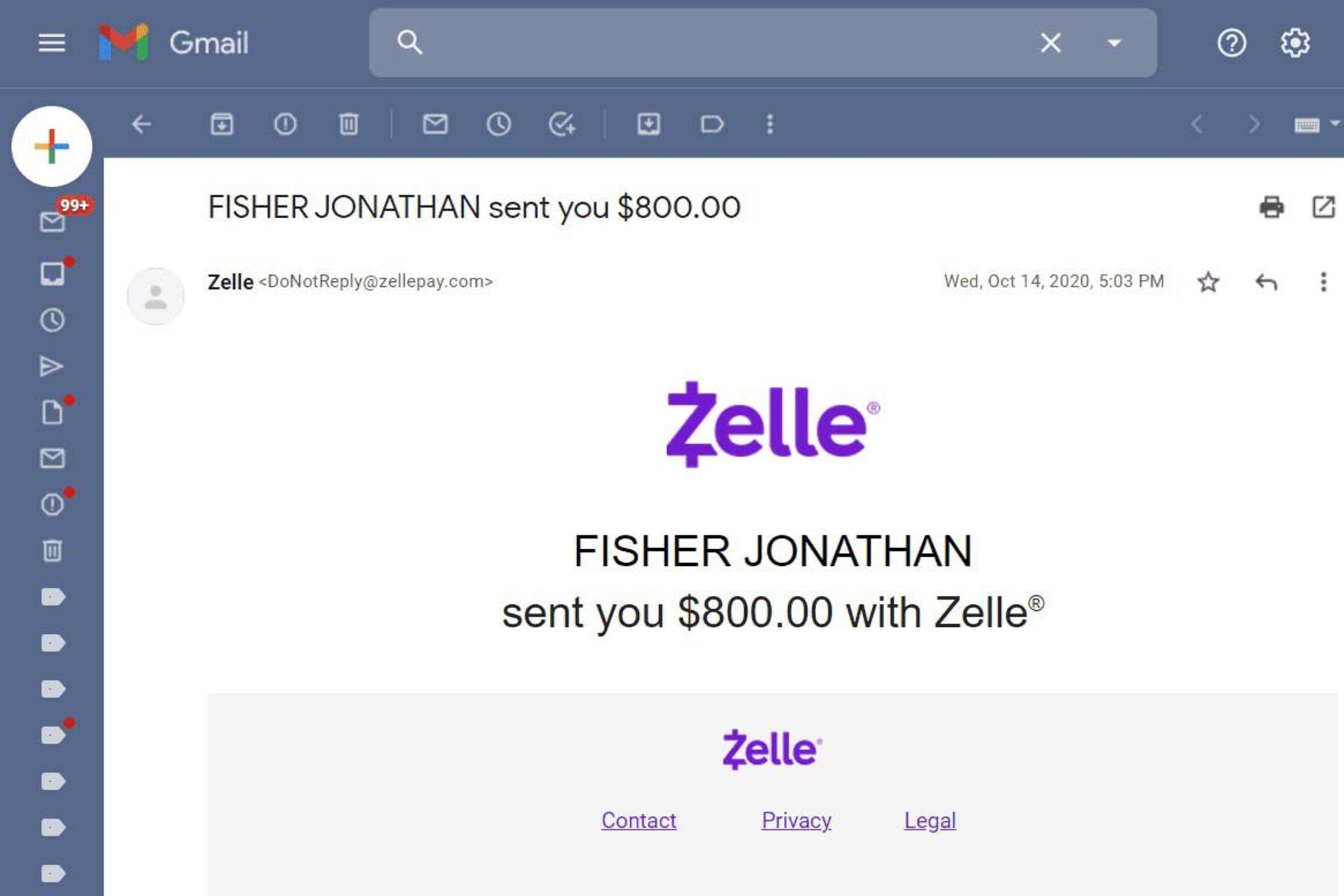
- Never trust screenshots: A sender can easily alter a screenshot of a payment confirmation. Always log directly into your financial institution or payment app independently to verify that the balance has updated or that a pending deposit is reflected in your official dashboard.
- Inspect sender addresses: Check email headers and domains carefully. Scammers often use lookalike domains (e.g.,
support@paypa1.cominstead ofsupport@paypal.com) to deceive recipients.
Avoiding Overpayment and Reversal Scams
Overpayment scams frequently target individuals selling items online or rendering freelance services. In this scenario, a fraudulent buyer sends a payment that exceeds the agreed-upon amount—often accompanied by an excuse, such as an accidental typo or extra funds intended to cover shipping fees to a third party. The scammer then asks you to refund the difference via an irreversible method (like a wire transfer or gift card). Days later, the original payment is flagged as fraudulent or bounced due to insufficient funds, leaving you out both the product and your own money.
Managing Direct Personal Information Exposure
To receive money, you must share certain identifiers, but you should minimize exposure to prevent identity theft.
| Information Type | Safe to Share? | Associated Risks | Best Practice |
|---|---|---|---|
| Routing & Account Number | Yes (with trusted institutions/employers) | Unauthorized ACH debits, check fraud | Share only with verified entities; monitor statements regularly. |
| Email / Phone Number | Yes (for P2P apps like Zelle/PayPal) | Phishing attempts, targeted social engineering | Use dedicated contact channels for financial transactions. |
| Social Security Number (SSN) | Rarely / Strict Compliance Only | Identity theft, fraudulent credit applications | Provide only to regulated financial institutions or employers for tax reporting. |
| Full Card Number & CVV | Never for receiving funds | Unauthorized purchases, subscription charges | Senders do not need your credit or debit card number to send you money. |

Securing Your Accounts and Devices
Even if a sender is legitimate, compromised digital hygiene on your end can allow malicious actors to intercept or divert incoming funds. Securing your access points is vital for long-term financial safety.
Implementing Multi-Factor Authentication (MFA)
Passwords alone are no longer sufficient to protect financial accounts. Enable multi-factor authentication across all banking, email, and payment platform accounts. Whenever possible, choose authenticator applications (such as Google Authenticator, Authy, or hardware security keys) over SMS-based text message verification, as SMS codes can be intercepted via SIM-swapping attacks.
Maintaining Device Hygiene and Secure Networks
- Avoid Public Wi-Fi for Financial Transactions: Public wireless networks in coffee shops, airports, and hotels are vulnerable to packet sniffing and man-in-the-middle attacks. If you must check incoming funds while away from home, use a trusted cellular data connection or a reputable Virtual Private Network (VPN).
- Keep Software Updated: Regularly update your smartphone operating system, web browsers, and financial apps to patch security vulnerabilities exploited by malware and spyware.
Legal and Regulatory Compliance When Receiving Funds
Depending on the volume, frequency, and source of the money you receive, you may be subject to legal, tax, and regulatory reporting requirements. Staying compliant prevents unexpected tax liabilities and legal complications.
Tax Obligations and Reporting Thresholds
In many jurisdictions, receiving money is not automatically taxable (for example, gifts, reimbursements, or transfers between family members are generally not considered income). However, business revenue, freelance compensation, capital gains, and certain digital asset sales must be reported to tax authorities.
Payment settlement entities and third-party platforms are required by tax agencies to issue reporting forms (such as Form 1099-K in the United States) if transaction volumes exceed specific statutory thresholds. Keeping meticulous records of all incoming funds helps differentiate between taxable business income and non-taxable transfers.
Anti-Money Laundering (AML) and Compliance Holds
Banks and financial platforms are bound by strict AML regulations. If you receive an unusually large transfer, money from high-risk jurisdictions, or funds that trigger automated fraud detection flags, your financial institution may place an administrative hold on the funds.
During a compliance hold, the institution will likely request documentation proving the legitimacy of the transaction, such as an invoice, contract, bill of sale, or proof of identity. Cooperating promptly with your financial institution's compliance department is the most effective way to resolve these holds safely.
Frequently Asked Questions
Can someone steal money from me just by having my bank account and routing numbers?
While having your account and routing numbers does not grant direct login access to your online banking, it does theoretically allow malicious actors to create fraudulent paper checks or initiate unauthorized ACH debits. This is why you should only share these details with trusted institutions, employers, or verified business partners, and why you should review your bank statements regularly to catch unauthorized activity early.
What should I do if I receive an accidental transfer from an unknown sender?
If you notice an unknown deposit in your account, do not attempt to transfer the funds back to the sender yourself. This is a common setup for triangular fraud or check-kiting scams, where the initial deposit is later reversed by the bank after you have already sent your own money to the scammer. Instead, contact your bank's fraud department immediately and report the erroneous deposit, allowing the institution to handle the reversal through official channels.
Is it safe to use my email address or phone number to receive P2P payments?
Yes, using an email address or mobile number linked to a secure P2P service (such as Zelle or PayPal) is generally safe because it masks your underlying bank account and routing numbers from the sender. However, you should ensure that your email and phone accounts are protected with strong passwords and multi-factor authentication to prevent unauthorized account takeovers.
What are the safest ways to receive money from international clients?
Receiving funds internationally is safest through established business accounts, regulated wire transfer networks (SWIFT), or specialized cross-border payment platforms that offer transparent exchange rates and regulatory compliance oversight. Avoid accepting personal checks or unverified digital asset transfers from unknown international buyers, as cross-border fraud recovery is exceptionally difficult.
Recommended Next Actions
To ensure you can receive funds securely moving forward, audit your current financial setup using these practical steps:
- Enable MFA: Log into all your active banking, email, and payment applications today to verify that multi-factor authentication is active.
- Review Connected Apps: Check the settings of your primary bank and P2P apps to remove any old, unused third-party applications that still have permission to view your account data.
- Establish Verification Protocols: If you operate a freelance business or sell items online, draft a standard payment policy that relies exclusively on verified, irreversible or protected checkout channels.
Image Gallery
Select an image to open it in a new tab.






Mateo Castillo
Decentralized Finance and E-Payments Strategist
