Is a Pink Pet a Good Idea? Understanding the Ethics, Health, and Reality of Colorful Companions

Choosing to bring a pink pet into your home is a decision that depends heavily on whether the color is natural or artificial. While naturally pink animals like axolotls or rose-breasted cockatoos are sustainable options for prepared owners, artificially dyeing a pet pink carries significant health risks, ethical concerns, and legal restrictions that often make it a poor idea for the average owner.
The allure of a pink pet has grown significantly over the last decade, fueled by social media trends and the "aesthetic" movement of the 2020s. By 2026, the pet industry has seen a surge in both the breeding of naturally pink-hued species and the controversial practice of "creative grooming" for traditional pets like dogs and cats. However, the answer to whether a pink pet is a "good idea" is not a simple yes or no. It requires a deep dive into biology, animal welfare standards, and the long-term commitment required to maintain these unique looks.
Understanding the Two Categories of Pink Pets
To evaluate if this is a good idea, we must first distinguish between animals that are biologically pink and those that are made pink through human intervention. These two categories represent entirely different ownership experiences, costs, and ethical frameworks.
Naturally Pink Species
Nature offers several animals that exhibit pink pigments, ranging from soft pastels to vibrant magentas. The most common "pink" pets found in the hobby today include:
- Leucistic Axolotls: Often mistaken for "pink," these Mexican salamanders have a pale, fleshy tone with bright pink external gills. They are perhaps the most popular pink pet in 2026.
- Rose-Breasted Cockatoos (Galahs): These birds feature stunning deep pink chests and grey wings. They are highly intelligent but require immense social stimulation.
- Bourke’s Parakeets: A smaller, quieter alternative to the Galah, these birds display a beautiful dusty-rose plumage.
- Pink Land Hermit Crabs: Some species, particularly when young or after a molt, can show pinkish hues, though they are often subject to the "painted shell" industry, which is widely condemned by experts.
- Niche Invertebrates: The Orchid Mantis and the Pink Katydid are sought after by terrarium enthusiasts for their striking floral-mimicry colors.
Artificially Colored Pets
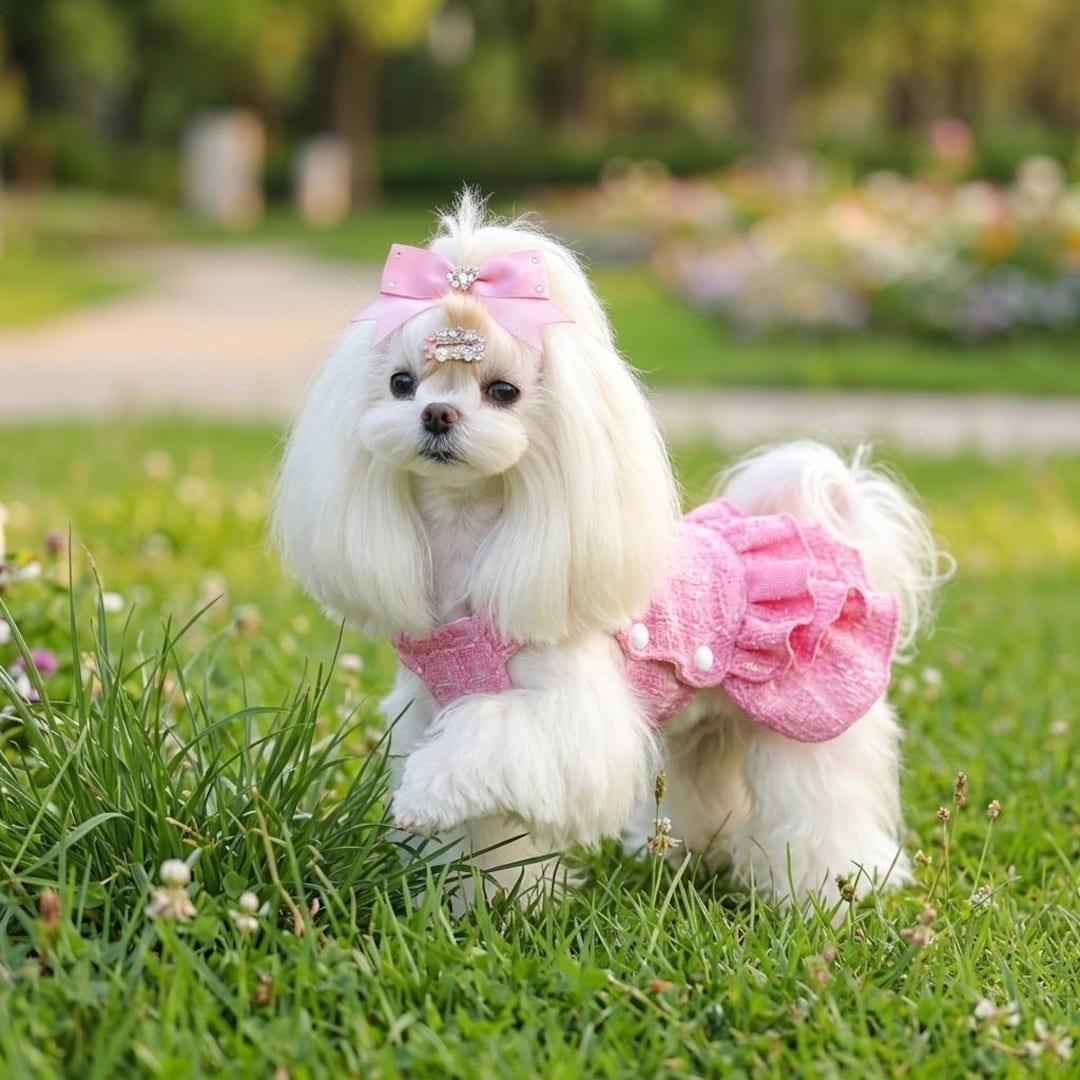
This category involves using dyes, chalks, or blow-pens to change the color of a traditionally non-pink animal, most commonly dogs, cats, or rabbits. While professional "creative grooming" has evolved into a competitive sport, the DIY application of color by pet owners remains a point of contention among veterinarians and animal behaviorists.
The Case for Naturally Pink Pets: Requirements and Reality
If your interest in a pink pet stems from an appreciation of a specific species that happens to be pink, it can be a wonderful idea—provided you meet their exacting care requirements.
The Axolotl: A Masterclass in Specialized Care
In 2026, axolotls remain the most recognizable "pink" pet. However, they are not "beginner" aquatic pets. They require cold water (ideally 60–68°F), which often necessitates an expensive water chiller. Their skin is extremely permeable, meaning any chemicals or poor water quality can lead to rapid health decline. If you are looking for a "pink decoration," an axolotl is a poor choice; if you are looking for a fascinating biological specimen, it is an excellent one.
The Galah Cockatoo: Beauty with a "Price"
The Rose-Breasted Cockatoo is visually stunning, but its "pinkness" is secondary to its complex emotional needs. These birds can live for 40 to 70 years. Owners often find that the novelty of the color wears off long before the bird’s lifespan concludes. They are prone to obesity and require a strictly managed diet and hours of daily interaction to prevent self-mutilating behaviors.

The Controversy of Artificially Pink Pets
Dyeing a pet pink is a trend that peaks during holidays like Easter or through viral "makeover" videos. To determine if this is a good idea for your pet, you must weigh the aesthetic desire against the physiological and psychological impact on the animal.
Health Risks of Dyeing Fur
The primary concern with artificial coloring is toxicity. Even in 2026, with the availability of specialized "pet-safe" dyes, the risks remain:
- Skin Sensitivity: Animals have a different skin pH than humans. Ingredients that are safe for us can cause chemical burns, contact dermatitis, or severe itching in pets.
- Ingestion during Grooming: Cats and dogs are instinctual groomers. If the dye is not 100% non-toxic and vegetable-based, the animal may ingest harmful chemicals while licking their fur.
- Sensory Overload: Many dyes have a strong scent. A dog’s sense of smell is tens of thousands of times more sensitive than a human's; a scent that seems "mild" to an owner can be a constant source of olfactory stress for the pet.
Psychological and Behavioral Impacts
Animals do not have a concept of "fashion." While a dog might enjoy the extra attention they receive while dyed pink, that attention can also be overwhelming. Crowds of strangers approaching a dog to touch their "cool fur" can lead to anxiety or reactive behavior. Furthermore, the grooming process required to apply and maintain bright pink colors often takes hours, which can be exhausting or stressful for senior pets or those with high-energy temperaments.
Comparison of Pink Pet Options
The following table compares the most popular ways to achieve the "pink pet" look in 2026, focusing on difficulty and longevity.
| Pet Type | Method of "Pink" | Care Difficulty | Lifespan | Primary Concern |
|---|---|---|---|---|
| Leucistic Axolotl | Natural Genetics | High (Aquatic) | 10–15 Years | Water temperature and chemistry. |
| Galah Cockatoo | Natural Plumage | Very High | 40–70 Years | Social needs and loud vocalization. |
| Rose Hair Tarantula | Natural Hues | Low/Moderate | 15–20 Years (Females) | Fragility and specific humidity. |
| Dyed Dog (Poodle/Bichon) | Creative Grooming | Moderate | 12–15 Years | Dye toxicity and grooming fatigue. |
| Pink "Mini" Pig | Natural Skin Tone | High | 12–18 Years | Size (they often grow to 100+ lbs). |
Legal and Ethical Frameworks in 2026
Before deciding on a pink pet, you must be aware of the shifting legal landscape. As of 2026, several jurisdictions have enacted stricter laws regarding the cosmetic alteration of animals.
The "Easter Animal" Laws
Many U.S. states and European countries have long-standing bans on dyeing chicks and rabbits for holiday promotions. In 2026, these laws have expanded in some regions to include any animal dyed for purely aesthetic purposes that does not use certified, vet-approved products. Violating these statutes can result in animal cruelty charges or the seizure of the pet.
The Problem with "Pink" Pigs
The "teacup pig" or "pink mini-pig" remains a major source of pet abandonment. Many breeders sell pink piglets under the guise that they will stay small. In reality, these animals often grow to weigh between 60 and 150 pounds. Their pink skin is also highly susceptible to sunburn and skin cancer, requiring owners to apply pet-safe sunscreen whenever the animal goes outside. If you cannot accommodate a large, sun-sensitive farm animal, a pink pig is a bad idea.
Financial Considerations of the Pink Aesthetic
The cost of a pink pet extends far beyond the initial purchase or adoption fee.
- Professional Grooming Costs: If you choose to dye a dog pink, professional "Creative Groomers" charge significant premiums. A full-body color treatment can range from $150 to $500 per session, depending on the complexity and the size of the dog.
- Specialized Equipment: For natural pink pets like the axolotl, the initial setup (chiller, tank, filtration) often exceeds $800.
- Veterinary Care: Many pink-pigmented animals are the result of specific breeding for color, which can sometimes lead to genetic bottlenecks and higher risks of congenital health issues, leading to increased vet bills over the animal's life.
Expert Guidelines for a Safe "Pink" Experience
If you are committed to the idea of a pink pet, follow these safety guidelines to ensure the animal's welfare remains the priority:
- Consult a Veterinarian First: Before applying any color to a pet, have a vet perform a skin patch test to ensure there are no allergic reactions.
- Use Only Certified Products: Look for dyes that are specifically labeled as "Pet-Safe," vegan, and free from ammonia and parabens. Brands such as Opawz have established safety records in the creative grooming industry.
- Avoid the Face and Paws: Never apply dye near the eyes, nose, or mouth. The paws are also sensitive areas where the skin can absorb chemicals more readily.
- Prioritize Species Knowledge: If buying a naturally pink animal, spend at least a month researching their specific habitat needs before making the purchase.
Summary of Recommendations
Is a pink pet a good idea?
- It is a GOOD idea if: You have done extensive research on a naturally pink species (like an axolotl or Bourke’s parakeet), you have the budget for their specialized care, and you are prepared for a long-term commitment.
- It is a BAD idea if: You are looking for a temporary fashion accessory, you plan to use human hair dye on a dog or cat, or you are unprepared for the social and physical needs of high-intelligence species like cockatoos or pigs.
Frequently Asked Questions
Is it cruel to dye a dog pink?
It is not inherently "cruel" if the dog is comfortable with the grooming process, the products used are non-toxic and vet-approved, and the animal is not showing signs of stress. However, it becomes cruel if the dog is forced to stand for hours against their will, if the products cause skin irritation, or if the dog's ability to communicate with other animals is compromised by the change in scent or appearance.
Do pink axolotls stay pink their whole lives?
Yes, leucistic axolotls retain their pinkish-white color and bright pink gills throughout their lives. However, their color can fluctuate slightly based on their health and activity levels. If an axolotl’s gills turn pale, it often indicates poor oxygenation or anemia, requiring immediate attention.
Are there any naturally pink cats or dogs?
No. There are no breeds of cats or dogs that are naturally pink. Any pink cat or dog you see is the result of artificial dyeing. Some breeds may have "pink" skin visible through thin white fur (like the Chinese Crested or some Pit Bulls), but this is skin pigment, not pink fur.
Can I use food coloring to turn my pet pink?
While food coloring is generally non-toxic, it is not an ideal dye. It often stains unevenly, can be messy, and some food colorings contain sugar or additives that can attract insects or cause skin irritation. It is always better to use a product specifically formulated for pet fur.
Why are pink flamingos pink, and can they be pets?
Flamingos get their pink color from carotenoid pigments in the organisms they eat, such as shrimp and algae. They are generally not legal to own as pets in most jurisdictions as they are migratory birds protected under various international treaties and require highly specialized, colony-based environments.
Next Steps for Prospective Owners
If you have decided to move forward, your next step should be to find a reputable source. For naturally pink animals, seek out breeders who prioritize health over color intensity. For those looking to dye a current pet, book a consultation with a certified "Creative Groomer" who can demonstrate their use of safe, professional-grade products and explain the maintenance required to keep the color looking healthy without damaging the pet's coat.
Image Gallery
Select an image to open it in a new tab.



Akira Tanaka
International Academic Trends Correspondent
