What Happens to Money Paid Into Life Insurance If Cancelled
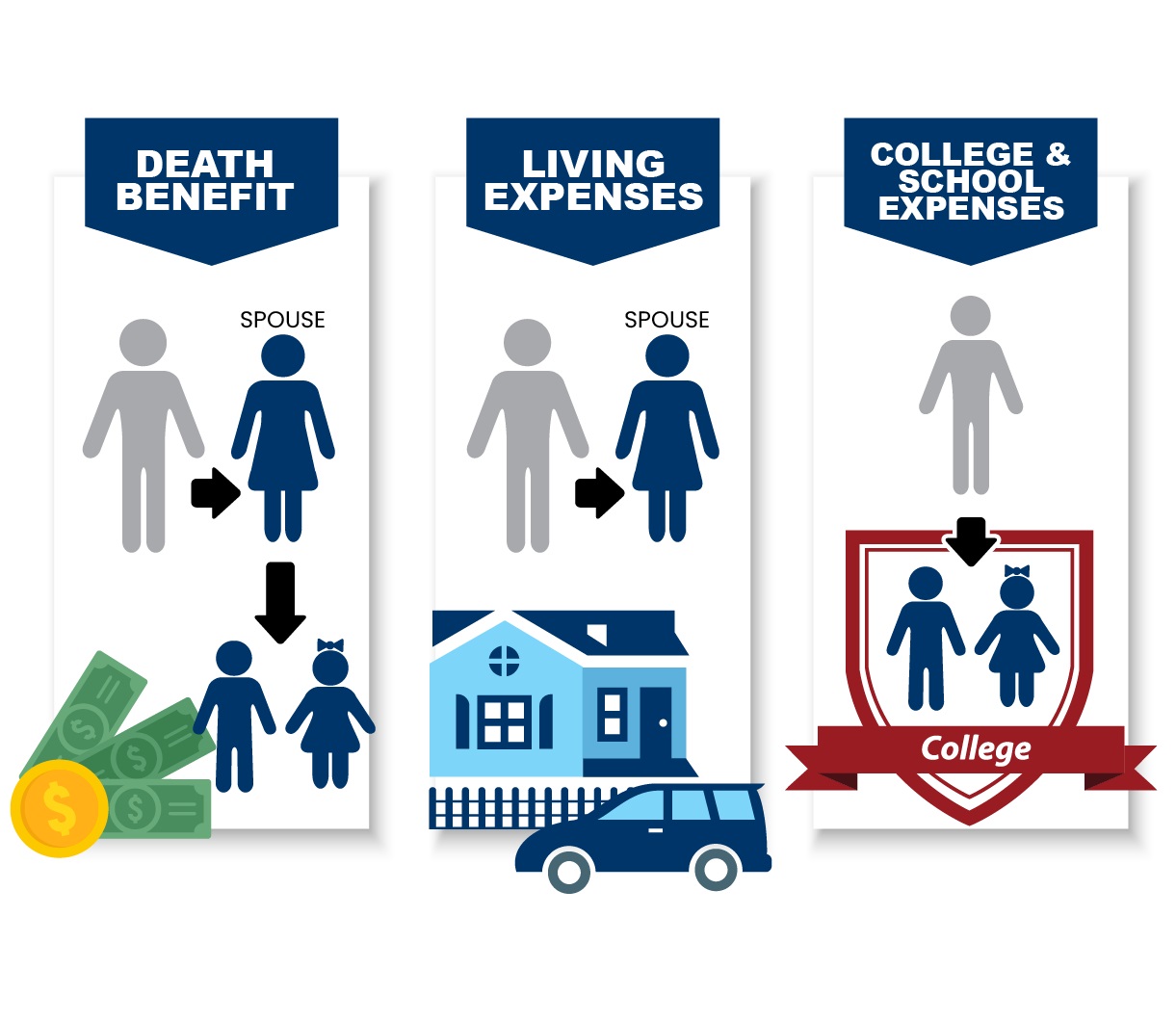
When you cancel a life insurance policy, what happens to the money you have paid depends entirely on the type of policy you hold, how long it has been active, and whether it has accumulated any cash value. If you hold a standard term life insurance policy, the money paid in represents pure risk protection, meaning past premiums are entirely retained by the insurer and nothing is refunded upon cancellation. However, if you hold a permanent policy like whole or universal life, a portion of your past payments may be accessible as cash surrender value, though subject to surrender charges, taxes, and fees.
Navigating the financial and structural consequences of terminating a life insurance agreement requires a clear understanding of contract mechanics. Policyholders often make decisions under financial strain or shifting life circumstances, making it vital to distinguish between temporary risk coverage and permanent asset-building structures. Reviewing the contractual provisions, surrender fees, and alternative options before submitting a cancellation request ensures you do not inadvertently forfeit valuable financial assets.
The Fundamental Distinction: Term Versus Permanent Policies
To understand the fate of your premiums, you must first recognize the structural differences between the two primary categories of life insurance: term life insurance and permanent life insurance. Each treats premium payments and financial reserves through distinct legal and actuarial mechanisms.
Term Life Insurance Mechanics
Term life insurance provides coverage for a specified duration, such as 10, 20, or 30 years. When you pay a monthly or annual premium for a term policy, that money covers the cost of insurance, administrative expenses, and the insurer's profit margin for that specific timeframe.
Because term insurance functions similarly to auto or homeowners insurance, it builds no equity or cash value. If you cancel a term policy halfway through its active period, or if you simply stop paying premiums and let the policy lapse, you receive zero financial return. The money paid in has already funded your risk protection during the active months, leaving no residual balance to refund.
Permanent Life Insurance Mechanics
Permanent life insurance—which includes whole life, universal life, and variable life—combines a death benefit with an investment or savings component known as cash value. A portion of every premium payment you make is allocated toward the cost of insurance, while the remainder is deposited into a tax-advantaged cash value account that grows at a guaranteed or market-linked rate over time.
Because this cash value belongs structurally to the policy or accumulates within it based on contract terms, cancelling a permanent policy triggers a settlement process where the accumulated savings may be returned to you. This accumulated amount is known as the cash surrender value.
| Policy Feature | Term Life Insurance | Permanent Life Insurance |
|---|---|---|
| Primary Purpose | Temporary income replacement | Lifetime protection and savings |
| Cash Value Accumulation | None | Yes (tax-deferred growth) |
| Refund Upon Cancellation | None (pure protection cost) | Cash surrender value (if any) |
| Surrender Charges | None | High in early years, declines |
| Premium Stability | Fixed for term, spikes after | Generally higher, level options |
How Cash Surrender Value is Calculated
If you decide to cancel a permanent life insurance policy, the insurance company does not simply hand over the entire balance shown on your policy statement. Instead, they calculate the cash surrender value, which is derived through a specific formula designed to account for administrative expenses and early termination penalties.
The Cash Value Component
Over years of paying premiums, your cash value grows through credited interest, dividends (in participating whole life policies), or investment gains. You can track this growth on your annual policy anniversary statements. However, the raw cash value differs from the cash surrender value.
Surrender Charges and Fees
In the first few years of a permanent policy—often the initial 5 to 15 years—insurers apply surrender charges. Insurance companies incur significant upfront costs to underwrite and issue policies, including agent commissions and medical exams. They recover these expenses over the life of the contract.
If you cancel early, the insurer levies a surrender charge to recoup those unamortized acquisition costs. Consequently, your cash surrender value is calculated as:
$$\text{Cash Surrender Value} = \text{Total Cash Value} - \text{Surrender Charges} - \text{Outstanding Loans or Interest}$$
In the earliest years of a policy, surrender charges can equal or exceed the total cash value, meaning you might receive nothing at all if you cancel prematurely, despite having paid thousands of dollars in premiums.

Tax Implications of Cancelling a Policy
Cancelling a life insurance policy and receiving a payout is not always a tax-free transaction. The Internal Revenue Service (IRS) views life insurance cash distributions through specific regulatory lenses that depend on your cost basis.
Understanding Cost Basis
Your cost basis is the total amount of premiums you have paid into the policy, minus any previous dividends or withdrawals you already received tax-free.
- When Payout Is Less Than Basis: If your cash surrender value is less than the total premiums you paid into the policy, the transaction is considered a recovery of capital. You will owe no income tax because you experienced a financial loss on the contract.
- When Payout Exceeds Basis: If the cash surrender value exceeds your cost basis, the gain is considered taxable income. For example, if you paid $$30,000$ in total premiums over the years and receive a cash surrender payout of $$35,000$, the $$5,000$ difference is treated as ordinary income and must be reported on your federal tax return.
Alternatives to Cancelling Your Policy
Before executing a cancellation, policyholders facing financial distress, changing needs, or unaffordable premiums should explore alternative strategies. Many of these options allow you to salvage value from your insurance contract without forfeiting protection entirely.
Reduced Paid-Up Insurance
If you can no longer afford your premium payments on a permanent policy but still want life insurance protection, you can request a reduced paid-up option. Under this provision, the insurer uses your existing cash value as a single net premium to purchase a smaller, fully paid-up permanent policy. You will never have to pay another premium, and a reduced death benefit remains in force for the rest of your life.
Policy Loans and Withdrawals
If your primary motivation for cancellation is a temporary cash flow crunch, borrowing against your cash value or making a partial withdrawal may be more cost-effective.
- Withdrawals: You can withdraw a portion of your cash value up to your cost basis tax-free. However, permanent withdrawals reduce your overall death benefit.
- Loans: You can borrow against your cash value from the insurer. While interest accrues on the loan, the policy remains active as long as the loan balance does not exceed the maximum borrowing limit. Unpaid loans at the time of death are simply deducted from the final payout to your beneficiaries.
1035 Exchanges
If you dislike your current policy's performance, high fees, or insurer reputation, federal tax law allows you to transfer your cash value directly into a new life insurance policy, annuity, or long-term care contract via a 1035 exchange. This transaction allows you to transition your accumulated funds without triggering immediate income tax liabilities.
Selling the Policy (Life Settlement)
For older policyholders or those with chronic or terminal illnesses, selling a permanent life insurance policy to a third-party investor through a life settlement or viatical settlement can yield a cash payout higher than the cash surrender value, though lower than the full death benefit.
Steps to Take Before Cancelling Life Insurance
If you have carefully evaluated all alternatives and determined that cancellation is the correct financial path, follow a structured process to ensure a secure transition and prevent administrative errors.
- Review Your Contract: Locate your original policy document and examine the specific surrender provisions, grace periods, and current cash surrender value statements.
- Request an Official Surrender Quote: Contact your insurance carrier or agent in writing to request a formal "surrender quote." This document will state the exact dollar amount you will receive after all fees, outstanding loans, and adjustments are factored in.
- Verify Outstanding Loans: Ensure you account for any automatic premium loans that may have been triggered if you previously missed a payment, as these reduce your final payout.
- Confirm Replacement Coverage: If you still require life insurance protection for dependents, make sure your new policy is fully approved and active before you officially cancel the existing one. Never experience a gap in essential coverage due to underwriting delays.
- Submit Written Notice: Most insurers require a signed policy cancellation form or a formal letter of termination. Send this documentation via a traceable method and request written confirmation of the policy's closure and final distribution.
Frequently Asked Questions
Can I get all my money back if I cancel my life insurance policy?
No. For term life insurance, past premiums are payment for active risk coverage and are never refunded. For permanent life insurance, you receive the cash surrender value, which is your accumulated cash value minus applicable surrender charges, administrative fees, and outstanding policy loans. In the early years of a permanent policy, surrender charges can completely wipe out the cash value, resulting in zero payout.
How long does it take to receive a cash surrender payout?
Once you submit the required paperwork and the insurance company processes the cancellation, it typically takes between 10 business days and three weeks to receive your funds via check or direct deposit. The timeline depends on the insurer's internal processing speed and whether identity verification steps are required.
Does cancelling life insurance affect my credit score?
No. Life insurance premiums are not credit products, and insurance companies do not report premium payments or policy cancellations to credit bureaus. Cancelling a policy has zero impact on your credit history or credit score.
What is the difference between policy lapse and policy surrender?
A policy lapse occurs automatically when you fail to pay your premium within the specified grace period, causing the coverage to terminate. Depending on your contract, a lapsed policy may trigger automatic premium loans or convert to extended term insurance. A policy surrender is an intentional, voluntary cancellation initiated by the policyholder through a formal request to the insurance carrier.
Are life insurance surrender payouts taxable?
Only if the cash surrender value exceeds your total cost basis—the cumulative sum of all premiums you paid into the policy minus past dividends or withdrawals. If your payout is higher than your cost basis, the profit portion is taxed as ordinary income. If the payout is less than your cost basis, it is considered a tax-free recovery of capital.
Conclusion and Next Actions
Cancelling a life insurance policy is a permanent financial decision that requires weighing your current cash needs against the long-term cost of losing protection or accumulated equity. Before taking action, review your policy documents, request an official surrender quote to identify exact fee structures, and consult with a licensed financial professional or tax advisor to evaluate potential tax liabilities. If financial strain is temporary, explore policy loans, reduced paid-up options, or premium payment holidays to protect your long-term interests.
Image Gallery
Select an image to open it in a new tab.

Omar Farooq
EdTech Innovation and Virtual Pedagogy Journalist
