How Old Is Queen Beatrix of the Netherlands? Current Age and Full Biography
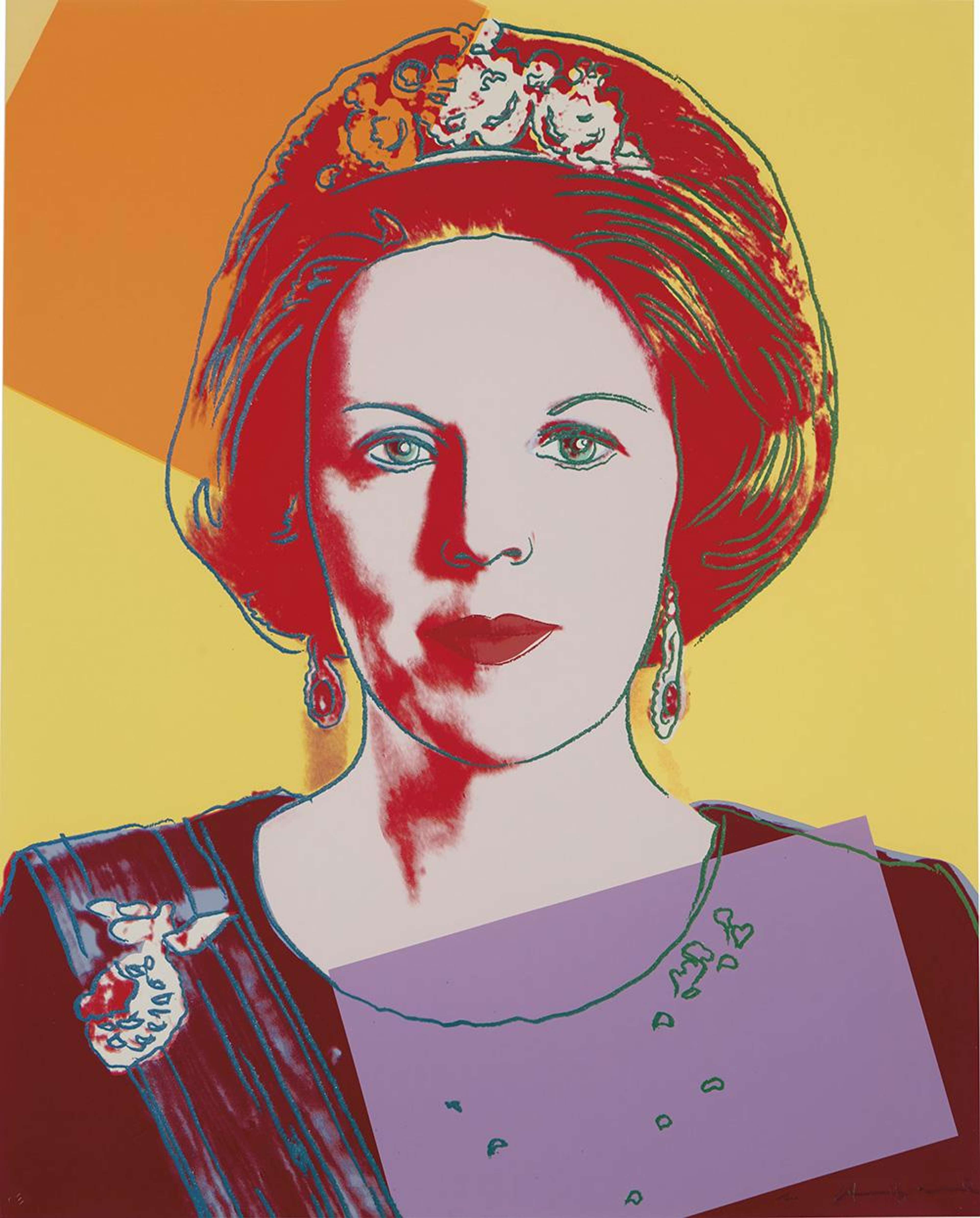
As of 2026, Princess Beatrix of the Netherlands (formerly Queen Beatrix) is 88 years old. Born on January 31, 1938, she celebrated her 88th birthday earlier this year. After reigning as the Dutch monarch for 33 years, she abdicated the throne in 2013 and has since held the title of Princess.
The Birth and Early Years of Princess Beatrix
Princess Beatrix Wilhelmina Armgard was born at Soestdijk Palace in Baarn, Netherlands, on January 31, 1938. She was the first child of Princess Juliana and Prince Bernhard of Lippe-Biesterfeld. At the time of her birth, her grandmother, Queen Wilhelmina, was the reigning monarch. Her birth was a significant national event, marking the continuation of the House of Orange-Nassau.
The early childhood of Princess Beatrix was significantly impacted by the outbreak of World War II. When the Netherlands was invaded by Nazi Germany in May 1940, the Dutch Royal Family fled to the United Kingdom. Shortly thereafter, Princess Juliana took Beatrix and her younger sister, Irene, to Ottawa, Canada, for safety. This period in Canada is a cornerstone of Dutch-Canadian relations; Beatrix attended Rockcliffe Park Public School, and her youngest sister, Princess Margriet, was born in a Canadian hospital room that was temporarily declared extraterritorial to ensure she held only Dutch citizenship.
The family returned to the Netherlands in 1945 following the liberation. This formative experience abroad influenced Beatrix's international outlook and her proficiency in multiple languages, including English and French. Upon her return, she continued her education in the Netherlands, eventually attending Leiden University.
Education and Preparation for the Throne
Beatrix’s path to the monarchy was defined by a rigorous academic and social preparation. In 1956, she reached the age of 18, which made her eligible to succeed to the throne under the Dutch constitution. She was subsequently installed as a member of the Council of State, the highest advisory body to the government.
At Leiden University, she studied a broad range of subjects designed to prepare her for her future role as Head of State. These included:
- Sociology and Jurisprudence
- Economics and Parliamentary History
- Constitutional Law and International Relations
She received her degree in 1961. During her university years, she was known for being an active student, participating in student associations and developing a reputation for having a sharp, inquisitive mind. This academic background served her well during her reign, where she was frequently praised for her detailed knowledge of government files and her ability to engage deeply with ministers on complex policy issues.
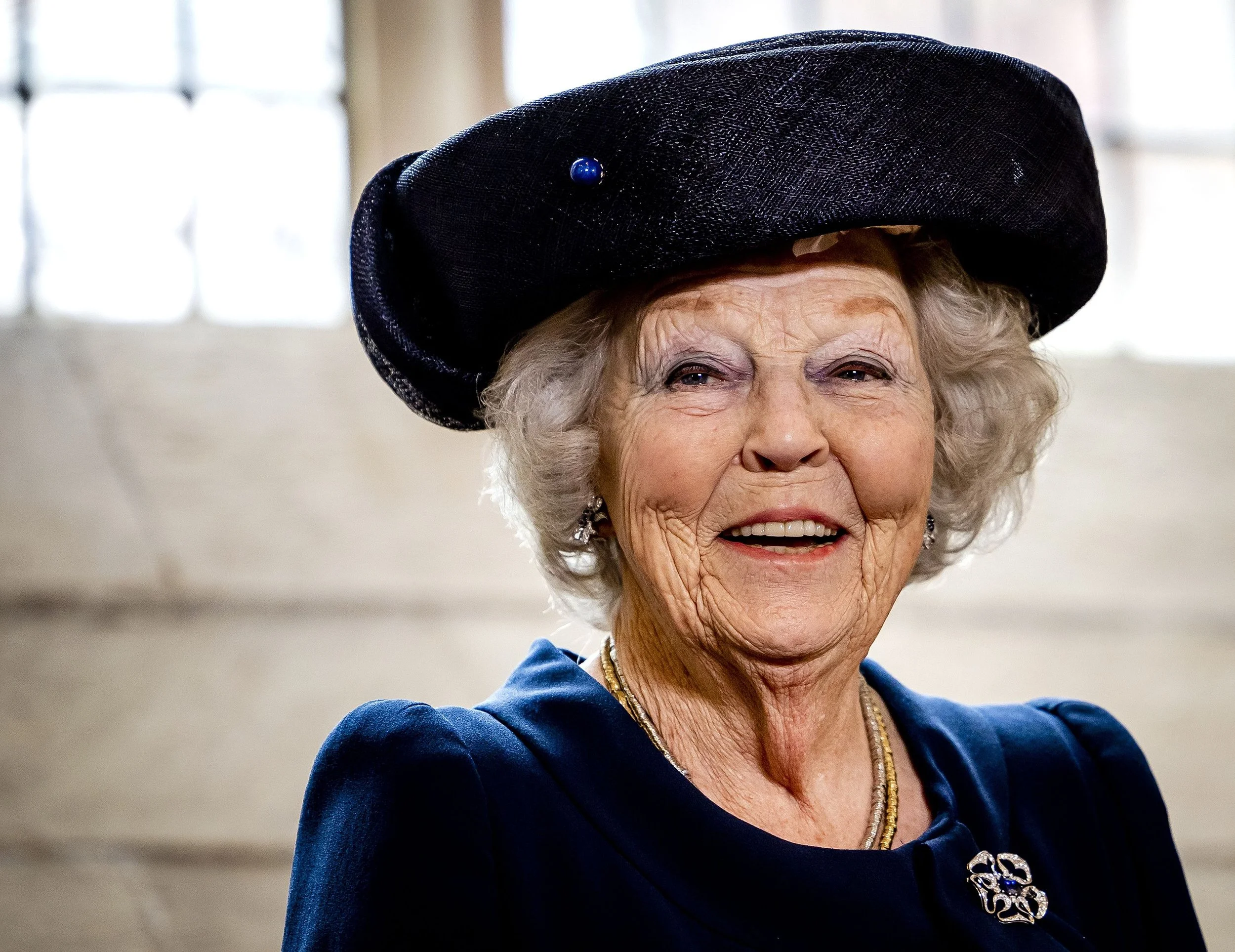
The Reign of Queen Beatrix (1980–2013)
On April 30, 1980, Queen Juliana abdicated the throne, and Beatrix was invested as Queen of the Netherlands. Her investiture in Amsterdam's Nieuwe Kerk was marked by both celebration and social unrest, as "squatter riots" occurred in the city due to housing shortages. Despite this turbulent start, Beatrix quickly established a distinct style of monarchy.
Unlike her mother, who was known for a more informal and motherly approach, Queen Beatrix was often described as "working royalty." She transformed the royal court into a modern, professional organization. Her reign was characterized by:
Formalism and Professionalism
Beatrix took her constitutional role very seriously. She held weekly meetings with the Prime Minister and was known to be meticulously prepared. Until a constitutional change in 2012, the monarch played a significant role in the formation of new government cabinets, appointing the "informateur" who led coalition negotiations. Beatrix was highly respected for her neutrality and her ability to navigate the complex Dutch multi-party system.
International Diplomacy and State Visits
Throughout her 33-year reign, she conducted dozens of state visits, acting as a powerful ambassador for Dutch trade and culture. She was particularly active in European affairs and was a vocal supporter of European integration. Her presence on the international stage was marked by a sense of dignity and a firm grasp of global politics.
Patronage of the Arts
A sculptor herself, Beatrix has a lifelong passion for the arts. During her reign, she actively promoted Dutch design, architecture, and visual arts. She frequently visited museums and studios, ensuring that the monarchy remained a relevant supporter of the nation's cultural life.
The Abdication and Transition to Princess
On January 28, 2013, Queen Beatrix announced her intention to abdicate in a televised national address. She stated that the responsibility of the crown should be passed to a new generation, noting that she would soon turn 75. On April 30, 2013—the 33rd anniversary of her investiture—she signed the Act of Abdication at the Royal Palace in Amsterdam.
Her eldest son, Willem-Alexander, became the first King of the Netherlands in over a century. Following the abdication, Beatrix resumed the title of Princess, which is the traditional practice for Dutch monarchs who step down.
This transition was seen as a masterclass in royal succession. It was handled with great transparency and reinforced the stability of the House of Orange-Nassau. Since then, Princess Beatrix has maintained a supportive role, appearing at major national events while allowing King Willem-Alexander and Queen Máxima to take the lead.
Family Life and Personal Challenges
Princess Beatrix’s personal life has been a mix of deep devotion and significant tragedy. In 1966, she married Claus von Amsberg, a German diplomat. The marriage was initially controversial due to Claus's German background and his past membership in the Hitler Youth (a requirement for German children at the time). However, Prince Claus eventually became one of the most beloved members of the Dutch Royal Family, known for his humility and his work in international development.
The couple had three sons:
- King Willem-Alexander (born 1967)
- Prince Friso (1968–2013)
- Prince Constantijn (born 1969)
The Loss of Prince Claus and Prince Friso
The Princess has faced significant grief. Prince Claus passed away in 2002 after a long period of ill health. Ten years later, in 2012, her second son, Prince Friso, was buried in an avalanche while skiing in Lech, Austria. He remained in a coma for over a year before passing away in August 2013, just months after Beatrix had abdicated. These personal losses were mourned by the entire nation, and the dignity with which Beatrix handled these tragedies further solidified the public’s respect for her.
Life at Age 88: Princess Beatrix in 2026
At 88 years old, Princess Beatrix remains an active and vital figure in Dutch society. While she has reduced her official workload, she has not retired from public life entirely.
Current Residence
The Princess resides at Castle Drakensteyn in Lage Vuursche. She purchased this estate in 1959 and lived there with her family before moving to Huis ten Bosch in The Hague upon becoming Queen. After her abdication, she returned to the smaller, more private Drakensteyn, which she considers her true home.
Ongoing Roles and Patronages
Even in 2026, she continues to hold various honorary positions. She is particularly involved in organizations related to:
- The Dutch Princess Beatrix Muscle Fund: Supporting research into neuromuscular diseases.
- Jantje Beton: A charity that promotes outdoor play for children.
- The Arts: She continues to attend openings and award ceremonies for young artists.
Her health remains a topic of public interest, but she is frequently seen walking and engaging in her hobbies, including horseback riding and sculpting, which have contributed to her longevity.
Key Milestones in the Life of Princess Beatrix
The following table summarizes the significant dates and ages in the life of Princess Beatrix.
| Date | Age | Event |
|---|---|---|
| January 31, 1938 | 0 | Born at Soestdijk Palace, Baarn. |
| May 1940 | 2 | Fled to Canada during the Nazi invasion of the Netherlands. |
| August 1945 | 7 | Returned to the Netherlands after the end of WWII. |
| January 31, 1956 | 18 | Became heir presumptive and member of the Council of State. |
| July 1961 | 23 | Graduated from Leiden University with a law degree. |
| March 10, 1966 | 28 | Married Claus von Amsberg in Amsterdam. |
| April 30, 1980 | 42 | Invested as Queen of the Netherlands. |
| October 6, 2002 | 64 | Death of her husband, Prince Claus. |
| April 30, 2013 | 75 | Abdicated the throne; became Princess Beatrix. |
| August 12, 2013 | 75 | Death of her second son, Prince Friso. |
| January 31, 2026 | 88 | Celebrated her 88th birthday at Castle Drakensteyn. |
Frequently Asked Questions
Why is she called Princess Beatrix instead of Queen Mother?
In the Netherlands, it is a long-standing tradition for a monarch who abdicates to revert to the title of Prince or Princess. This tradition was followed by her grandmother, Queen Wilhelmina, and her mother, Queen Juliana. The title "Queen Mother" is not used in the Dutch monarchy; instead, she is formally addressed as Her Royal Highness Princess Beatrix of the Netherlands.
Where does Princess Beatrix live now?
Princess Beatrix lives at Castle Drakensteyn in the village of Lage Vuursche, near Baarn. It is an octagonal castle surrounded by forest, providing her with the privacy she prefers in her later years.
Is Princess Beatrix still involved in politics?
No. Following the 2012 constitutional change and her subsequent abdication in 2013, the role of the monarch (and former monarch) in the political process has been significantly reduced. While she may offer private advice to her son, King Willem-Alexander, she has no formal political power or role in government formation.
Does she still perform official duties?
Yes, but on a much smaller scale than when she was Queen. She represents the Royal House at specific cultural events, commemorations, and through her various patronages. She often joins the King and Queen for major events like King's Day (Koningsdag) and Prince's Day (Prinsjesdag).
What is the secret to her longevity?
While no official statement has been made, observers point to her active lifestyle, her lifelong passion for the arts and nature, and her disciplined work ethic. Even at 88, she remains mentally sharp and physically active, which is a hallmark of the House of Orange women, many of whom lived well into their 80s and 90s.
The Legacy of Princess Beatrix
Princess Beatrix’s legacy is one of modernization and stability. During her 33 years on the throne, she presided over a period of significant social and economic change in the Netherlands. She successfully navigated the transition from a traditional monarchy to a modern "working" one, ensuring that the institution remained relevant in a rapidly evolving democratic society.
Her dedication to the Dutch people and her meticulous approach to her duties earned her high approval ratings throughout her reign. Today, as she celebrates her 88th year, she remains a symbol of national continuity and a respected elder statesman within the European royal community.
For those interested in the current activities of the Dutch Royal Family, it is recommended to follow the official releases from the Koninklijk Huis (Royal House of the Netherlands). Her life continues to be a testament to the enduring nature of constitutional monarchy in the 21st century.
Image Gallery
Select an image to open it in a new tab.

Vivian Cho
Executive IT and Emerging Technologies Reporter
