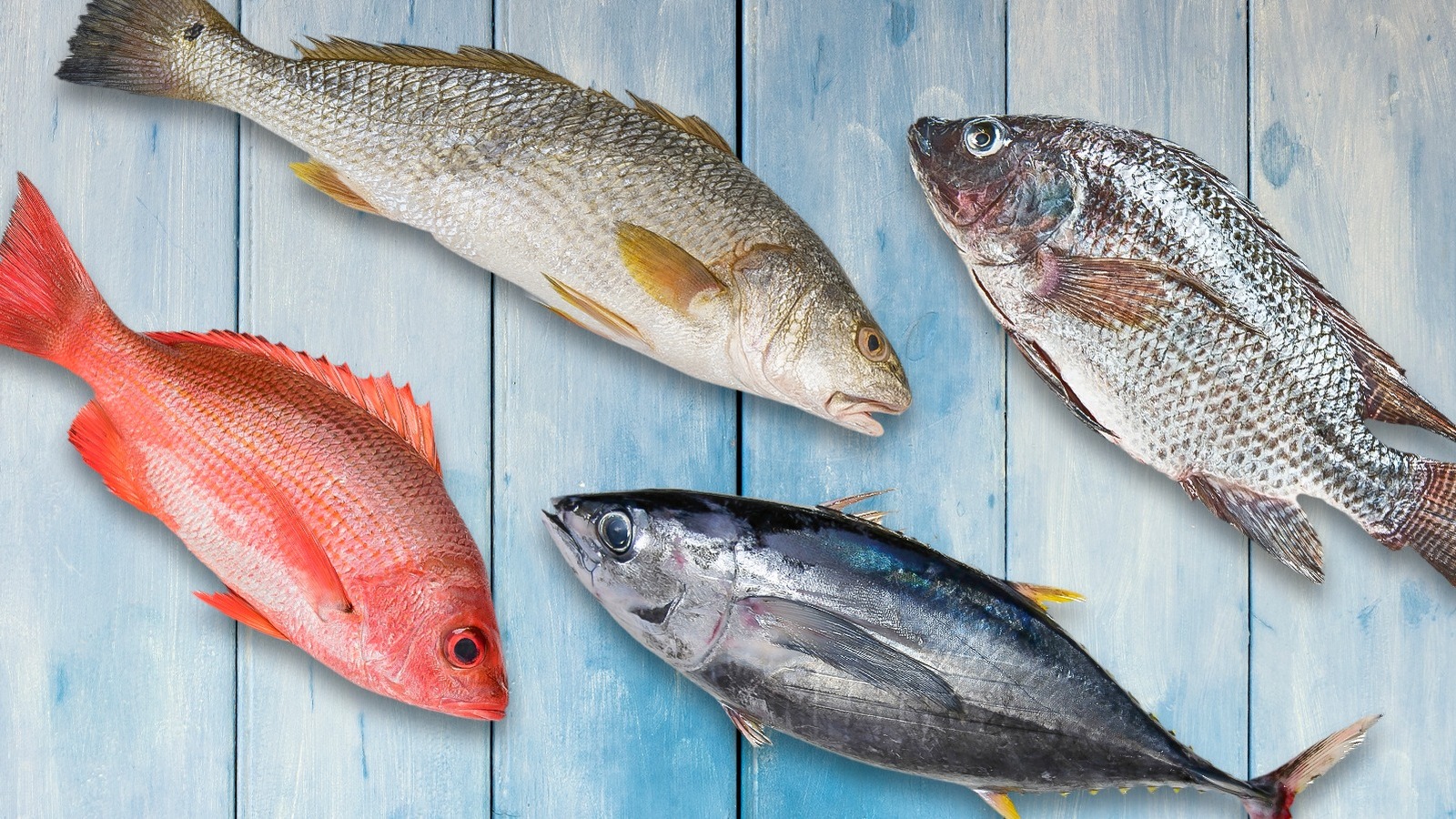
Investing in expensive aquarium fish often yields diminishing returns because high price tags frequently reflect rarity or collection difficulty rather than longevity, hardiness, or ease of care. While "status" species like the Platinum Arowana or the Peppermint Angelfish offer undeniable prestige, their biological fragility, extreme environmental requirements, and volatile market values often result in significant financial and emotional loss for the average hobbyist.
For many aquarists, the allure of owning a "living gem" is the ultimate goal. However, by 2026, the distinction between a high-value biological asset and a high-risk liability has become more pronounced. As technology in the hobby advances, the reasons why these costly specimens often fail to provide a satisfying return on investment have become clearer, ranging from genetic bottlenecks to the sheer economic instability of the rare fish trade.
The Biological Fragility of Rare and Costly Species
One of the primary reasons costly fish are often poor investments is their inherent biological vulnerability. Many of the world’s most expensive fish are harvested from highly specific, deep-sea environments or isolated freshwater systems. These fish are evolutionarily adapted to conditions that are incredibly difficult to replicate in a home setting.
Shipping Trauma and Acclimation Stress
High-end marine fish, such as those found in the deep reefs of the Pacific, often undergo massive physiological stress during collection and transit. For example, deep-water species must be "needled" or slowly decompressed to prevent swim bladder rupture. Even if a fish arrives alive, the microscopic damage to its internal organs can lead to "sudden death syndrome" weeks after purchase. In these cases, a $5,000 investment can vanish overnight due to delayed shipping trauma that no amount of expert care can reverse.
Specialized Pathogens and Immunity
Rare species often lack exposure to common aquarium pathogens. When a high-value fish is introduced into a domestic system, it may succumb to common parasites like Cryptocaryon irritans (Marine Ich) or Amyloodinium more rapidly than hardier, less expensive counterparts. Furthermore, because these fish are rare, there is often limited veterinary data on how they respond to standard medications, making treatment a high-stakes guessing game.
Market Volatility and the "Captive-Bred" Price Crash
In the aquarium hobby, rarity drives price. However, rarity is often temporary. The history of the hobby is littered with "investment" fish whose value plummeted once successful captive breeding programs were established.
The Impact of Aquaculture
Consider the case of certain Designer Clownfish or high-end Angelfish. A decade ago, certain color morphs might have commanded four-figure prices. As commercial breeders cracked the code for mass-producing these variants, the prices dropped by 80% or more within a few years. An aquarist who "invested" in a pair of rare breeders in early 2024 might find that by 2026, the market is saturated, and their offspring are worth a fraction of the original purchase price.
Shifting Trends and Aesthetics
The "worth" of a fish is also subject to the whims of fashion. In the freshwater world, specific Flowerhorn or Discus strains may be highly sought after one year, only to be replaced by a new "hot" mutation the next. Unlike gold or real estate, aquarium fish are subject to the "hype cycle." When the hype fades, the resale value disappears, leaving the owner with an expensive-to-maintain pet that no longer holds its market position.
The Hidden Costs of Supporting High-Value Specimens
The initial purchase price of a costly fish is merely the entry fee. The ongoing operational costs required to keep these species healthy are often exponentially higher than those for standard community fish.
Precision Infrastructure
To protect a significant financial investment, aquarists must often invest in redundant systems. This includes:
- Industrial-grade Chillers and Heaters: To maintain temperature stability within a fraction of a degree.
- Advanced Filtration: High-end protein skimmers, ozone generators, and roller mats to ensure near-zero nutrient levels.
- Backup Power: Large-scale battery backups or gas-powered generators to prevent a total loss during a power outage.
Dietary Requirements
Many expensive fish are specialized feeders. Some deep-water butterflyfish may only eat live sponges or specific types of coral polyps, while certain predatory fish require high-quality, vitamin-enriched fresh seafood. The monthly "food bill" for a single rare specimen can easily exceed the cost of maintaining a standard 100-gallon community tank.
Genetic Bottlenecks and "Designer" Health Issues
In the pursuit of specific aesthetic traits—such as the "Platinum" sheen or "Longfin" varieties—breeders often use intensive inbreeding. This process, while producing a visually stunning animal, frequently results in compromised immune systems, shorter lifespans, and physical deformities that may not be apparent at the juvenile stage.
A costly "designer" fish may be genetically predisposed to organ failure or spinal issues. In this context, the investment is fundamentally flawed; you are paying a premium for a biological product that is objectively less durable than its wild-type or "mutt" counterpart. The high price tag reflects the difficulty of producing the look, but it does not reflect the biological quality of the animal.
Comparison: Costly "Status" Fish vs. Sustainable "Value" Fish
The following table compares the typical investment profile of high-cost species versus high-value, sustainable alternatives.
| Feature | High-Cost "Status" Fish (e.g., Gem Tang) | Sustainable "Value" Fish (e.g., Zebrasoma Flavescens) |
|---|---|---|
| Average Price (2026) | $500 - $3,500+ | $50 - $150 |
| Acclimation Difficulty | High (Often wild-caught deep water) | Low to Medium (Mostly captive-bred) |
| Mortality Risk | Significant (Due to collection stress) | Minimal (Well-adapted to tanks) |
| Maintenance Needs | Specialized (Precision water/food) | Standard (High-quality reef/freshwater care) |
| Market Stability | Volatile (Prone to price crashes) | Stable (Consistent demand) |
| Lifespan Expectancy | Variable (Often shorter due to stress) | High (Typically 10-20+ years in good care) |
The Ethical and Ecological Cost
The "worth" of an investment should also be measured by its ethical footprint. Many of the most expensive fish are still wild-caught using methods that damage the surrounding ecosystem.
Cyanide Fishing and Reef Damage
While illegal in most jurisdictions, the high demand for rare marine fish continues to fuel "under-the-table" collection methods. Fish caught with cyanide may look healthy in a shop but suffer from irreversible liver damage, leading to death months later. Investing in these fish often indirectly funds destructive practices that threaten the very reefs the hobby seeks to celebrate.
Conservation Status
Some high-value fish are listed under CITES (Convention on International Trade in Endangered Species) appendices. Owning these fish requires strict documentation. If the species' status changes or if the original paperwork is lost, the "investment" becomes a legal liability that cannot be easily sold or transferred, effectively reducing its financial value to zero.
When Is a Costly Fish Actually Worth It?
While the general rule is that costly fish are poor financial investments, there are specific scenarios where the purchase can be justified.
- Professional Breeding Programs: If you are a professional breeder with the infrastructure to produce offspring, a high-cost pair can be the "seed capital" for a lucrative business. However, this requires a deep understanding of genetics and market timing.
- Public or Educational Displays: For public aquaria, a rare specimen serves as a major draw for visitors, providing "value" through increased ticket sales and educational engagement.
- The "Lifer" Hobbyist: If an individual has a lifelong passion for a specific species and has the disposable income to view the purchase as a "sunk cost" rather than an investment, the emotional satisfaction may outweigh the financial risk. In this case, the "worth" is subjective and non-financial.
Common Mistakes When Purchasing High-End Fish
To avoid the pitfalls of "bad" fish investments, aquarists should be aware of several common errors:
- Buying "Fresh" Arrivals: Purchasing a high-value fish the day it arrives at a local fish store is a recipe for disaster. Always wait at least 14–21 days to ensure the fish is eating and has survived the initial shipping stress.
- Neglecting Quarantine: Many hobbyists are so eager to see their expensive new purchase in the main display that they skip quarantine. This can introduce diseases that wipe out the new fish and the existing inhabitants.
- Overestimating Resale Potential: Most local fish stores will only offer 20-30% of a fish's retail value in trade-in credit. Selling privately is difficult and carries the risk of the fish dying during the second transfer.
FAQs
Can I get insurance for my expensive aquarium fish?
In most cases, standard homeowners' insurance does not cover the loss of livestock. There are specialized "exotic pet" or "mortality" insurance policies available for extremely high-value specimens (like trophy Arowanas), but the premiums are often prohibitively high and the "proof of health" requirements are stringent. For most hobbyists, the "insurance" is simply having a well-maintained system and a backup generator.
Do expensive fish live longer than cheaper fish?
Generally, no. In fact, many of the most expensive fish have shorter lifespans in captivity because their specialized needs are not fully understood. Common, less expensive fish like Clownfish or Goldfish are often much hardier and can live for decades, whereas a rare deep-water butterflyfish might only survive 2–3 years even in a professional setting.
Why is the Platinum Arowana so expensive?
The Platinum Arowana's price is driven by a rare genetic mutation that results in a pure white, metallic appearance. It is considered a symbol of extreme wealth and luck in many cultures. However, from a biological standpoint, it is no different from a standard Silver Arowana and is equally susceptible to "drop eye" and other common ailments.
Is captive-bred always better than wild-caught for expensive fish?
From an investment and survival standpoint, yes. Captive-bred fish are already acclimated to aquarium life, are usually "weaned" onto commercial pellet or flake food, and generally carry fewer parasites. While they may still be expensive, their survival rate is significantly higher than wild-caught individuals of the same species.
How do I check the market value of a rare fish before buying?
Check online auctions, international livestock wholesalers, and hobbyist forums. By 2026, several "index" sites track the average sale price of rare species. If you see a sudden influx of a "rare" species being offered by multiple vendors, it usually indicates that a large batch has been imported or a breeding breakthrough has occurred, signaling a likely price drop.
Final Recommendation
Before purchasing a high-cost aquarium fish, evaluate whether you are prepared to lose the entire investment. Because fish are biological entities, they carry a 100% risk of total loss that no technical setup can completely eliminate. If your goal is a beautiful, thriving aquarium, focus your budget on high-end life support systems and captive-bred, sustainable species rather than a single, high-priced "trophy" fish. The true value of the hobby lies in the health and longevity of the ecosystem you create, not the rarity of the individuals within it.
Image Gallery
Select an image to open it in a new tab.
Declan O'Connor
Higher Education and Campus Culture Reporter
